Good morning with our Middle of the Week Song – Dead End Pools by Jesse Sykes & The Sweet Hereafter. Have a nice day.
Thalia Zedek Band – Boat Outside Your Window
Hi with Boat Outside Your Window the title song from Thalia Zedek Band’s new album. Have a nice afternoon.
Say She She – She Who Dares
Hi and Happy dancing Sunday with She Who Dares by Say She She.
Amazing Songs & Other Delights # 85 – The Of Love & Loss edition by Raquel Pinheiro
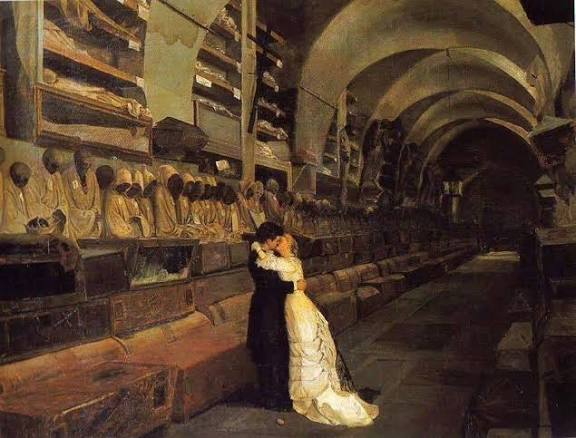
My radio show Amazing Songs & Other Delights # 85 – The Of Love & Loss edition airs Monday October 6, and repeats Monday October 13, 3-4pm (London time) on Yé Yé Radio: yeyeradio.com (or on the app).
Of Love & Loss is a self-explanatory title. Originally, that was not how this edition was going to be called. Maybe it would have been called The Mild Ones edition. The Mild Ones are a wonderful Suede fan group of which I am part of, and there are several Mild Ones on this edition – Mark Robin White (A 90s new man called Stan), Bettina Korn, James Mediocre (The Vinegar Tasters), Simon Gilbert (Suede).
Or maybe it was going to be called something else. Bettina’s cover of John Denver’s Annie’s Song was certain, regardless of the name thos edition of Amazing Songs & Other Delights would have. Monday, September 30, Ian Pye posted Suede’s Daddy’s Speeding to the group.
I was reminded of how great the song is, and listened to it a few times, because the song has a very interesting musical change, and selected as one of my International Music Day for The Polymath.
A couple of days latter I was listening to it on repeat for very different reasons. Curve balls. Life, love, loss. The other songs were already in though for this edition, or came as soundscape of feelings and emotions.
Most of the songs aren’t necessarily about love. Or loss. They aren’t all gloomy, far from it. Daddy’s Spending does sits at the center, with its music, vocal, words, highly charged emotional landscape, but the songs before and after offer a full picture of a week filled with changes.
To lighten things a bit, in the spirit of Wally, can you spot Bernard Butler, (other than in Suede)?…
Tracklist:
01: The Handsome Family – Far From Any Road
02: A 90s new man called Stan –
Disco Dystopian Blues
03: The Auteurs – Show Girl
04: Bettina Korn – Annie’s Song (John Denver cover)
05: Chimehours – Underneath The Earth
06: The Mercury Rev – Goodness on a Highway
07: Maitland – Einstein-Rosen Bridge
08: Ricardo Reis Soares – Qualquer Coisa
09: Suede – Daddy’s Speeding
10: The Vinegar Tasters – Smokestack
11: The Radio Field – It’s Alright
12: Bill MacKay & Ryley Walker – Land of Plenty
13: Thee Headcoatees – You’re Gonna Lose That Boy
14: Lour – Outro Lado
15: Zea & Drumband Hallelujah Makkum –
In lichem fol beloften(feat. Tsead Bruinja)
16: Mark Eitzel – The Last Ten Years
All previous shows on mixcloud: www.mixcloud.com/infoyeye/ |Mondo Bizarre Magazine
Equality & Equity – Round Table & Grail at The Polymath & The Listening Room HQ

There is another set of twin posts on The Polymath and The Listening Room HQ. Both speak of Equity and Equality, The Round Table, The Grail. Of seeds, of side by side.
Equality & Equity – Round Table & Grail: Planting Seeds of Balance at The Polymath
The Polymath and Equality & Equity – Round Table & Grail:
Living Side by Side The Listening Room HQ.

Tyler Ballgame – I Believe In Love
Good Morning with I Believe in Love by Tyler Bellgame. Have a nice weekend.
My Amazing Songs & Other Delights new editions now 1st and 3rd Monday of the Month on Yé Yé Radio

Here I am, still looking like an internationally woman of mystery on cold, windy late afternoon by the salt marshes. My radio programme Amazing Songs & Other Delights now airs new editions the first and third Monday, 3-4pm (London time) of the month, respective repeats, second and fourth Monday of the month, on Yé Yé Radio: https://yeyeradio.com/ (or on the app)
Each edition of my show has a theme. The anniversary show is a special occasion with endless delights. All aired shows can be listened to on mixcloud: Yé Yé Radio mixcloud | Mondo Bizarre Magazine mixcloud
The Reading List – Liz Hogg
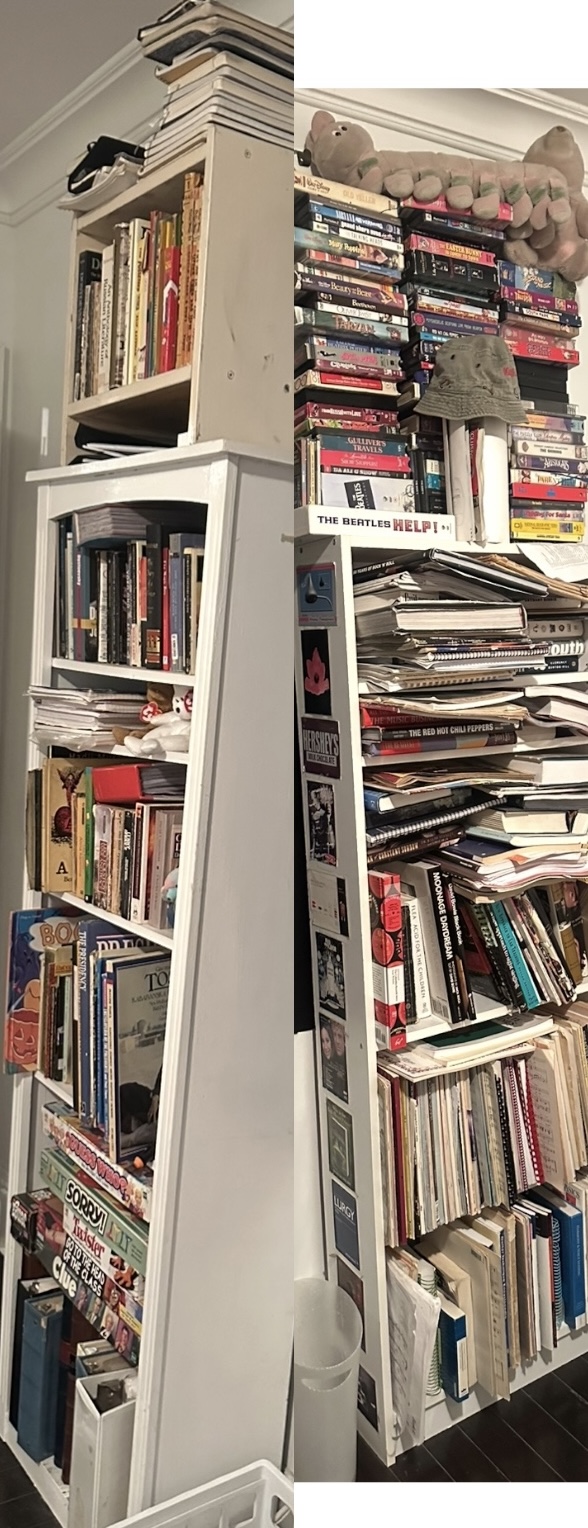
Liz Hogg is an American classic and electric guitarist, composer and songwriter. She is releasing her new album Goodbye World Hello Something, November 12. The album second single, Irreversible, has just been released. It will be followed by One Thread in mid October.
We asked Liz for her reading list. Liz loves books, her favourite writer is Fyodor Dostoyevsky, there are two other Russian master on her list, as well as other gems. Here is Liz’s Reading List and her words about each of her choices.
Anne Frank: The Diary Of
This is one of those must-read books for anyone, but I didn’t get around to it until 2024 just before I had tickets to see the Anne Frank house on my first visit to Amsterdam. While I expected it to be shattering, you really don’t know what you’re in for until you read for yourself. I’ll just say that people should dust this off and general WWII knowledge to get a real grasp on what words like “Nazi” and “fascist” really mean. Live is valuable, and celebrating or mocking brutal murder in any shape and form is wrong. While seemingly a shallow detail, the well-chosen magazine cutout of Ray Milland still hanging on her wall will stick with me forever; great taste in popular culture that girl had.
Albert Goldman: Ladies & Gentlemen – Lenny Bruce!!
This is just an amazing, thought-provoking, no BS, and unapologetic read. Arguably nothing’s influenced me more than being 13 and getting into Frusciante’s 1st solo album era and the VPRO interview+doc / short film he did in ’94. Every single line he spoke was branded deep into me and I still revisit a lot of those ideas and like to theorize about them – one of his friends in the doc mentioned reading that book as a kid, so it was in the back of my head to read it someday. I got around to it in 2016 and, though it made me a more cynical person, which may have seemed hard to do as a lifelong NYC resident, it helped me understand the world better and reconfirmed my belief in his main ultimate legacy: freedom of speech, which cuts both ways.
Fyodor Dostoyevsky: The Brothers Karamazov
It’s hard to pick one novel by my favorite author but this one sums up his beliefs best. It’s the closest my atheist self has come to believing in God again since I was a little kid, but I really think for anyone of any background, this book will make you a better, more compassionate and understanding person. Just read it slowly and consistently because it’s hard to keep track of the web of characters and plot, especially in translation. I did 50 pages a day every day until it was done and reread every page if I got even a little lost. I’m a strong proponent of reading, and doing a lot of things, at least initially, slowly.
Leo Tolstoy: War & Peace
This book is a masterpiece on so many macro and micro levels. It covers so much ground in one succinct whole: philosophy, history, romance, religion, fate, you name it. One of my favorite things about it (and that many 19th century Russian authors do well): he manages to set the Napoleonic wars as a backdrop to the heartbreak of the most pure thing that exists: the heart of a 16 year old girl. I find it fascinating that so many old 19th century Russian men seemed to understand on the deepest level, the power and potency of feelings in young women, and how that can impact huge worldwide events. However silly it sounds, they make it make sense and show how these things are all intrinsically connected and how important it is to take care and treat those emotions properly because it seems that they are actually at the heart of what makes the world spin, no exaggeration!
Norman Mailer: The Executioner’s Song
About 10 years ago, I decided to leave my comfort zone and start reading some American novels. My mom recommended this one. It’s hard to pinpoint why this book is so good but something about the story and Mailer’s writing make it a really great and fascinating read I recommend to anyone.
Ivan Turgenev: Smoke
This is one of those books that you hate to love, because the story doesn’t end how you want it to, and it’s painful even – but you can’t deny the impact and the great ideas that he transmits. In my opinion, this is the beginning of Russian existentialism (definitely not the oft-cited Dostoyevsky who for most of his adult and writing life, was over-the-top religious as well as nationalist, especially relative to his peers). Turgenev’s other books are really different and also great, but this one affected me the most.
You can listen to Curl, the first single from Goodbye World Hello Something on my radio show Amazing Songs & Other Delights.
International Music Day 2025 – My Song Choices

Today is International Music Day. I selected three songs from different time periods and genres. Cantigas do Maio by José Afonso, Der Erlkönig by Franz Schubert, and my favourite song Will You Love Me Tomorrow sung by the Shirelles.
Cantigas do Maio is from the fifth album by Portuguese musician, composer, singer, songwriter 1971 album Cantigas do Maio. A beautiful song, in which the voice starts gentle, develops a frantic tone, then quiets, then rises again, and ends quiet.
Cantigas do Maio:
Eu fui ver a minha amada
Lá p’rós baixos dum jardim
Eu fui ver a minha amada
Lá p’rós baixos dum jardim
Dei-lhe uma rosa encarnada
Para se lembrar de mim
Dei-lhe uma rosa encarnada
Para se lembrar de mim
Eu fui ver o meu benzinho
Lá p’rós lados dum passal
Eu fui ver o meu benzinho
Lá p’rós lados dum passalFeatures
Dei-lhe o meu lenço de linho
Que é do mais fino bragal
Dei-lhe o meu lenço de linho
Que é do mais fino bragal
Minha mãe, quando eu morrer
Minha mãe, quando eu morrer
Ai, chore por quem muito amargou
Ai, chore por quem muito amargou
Para então dizer ao mundo
Para então dizer ao mundo
Ai Deus m’o deu
Ai Deus m’o levou
Ai Deus m’o deu
Ai Deus m’o levou
Ai Deus m’o deu
Ai Deus m’o levou
Eu fui ver uma donzela
Numa barquinha a dormir
Eu fui ver uma donzela
Numa barquinha a dormir
Dei-lhe uma colcha de seda
Para nela se cobrir
Dei-lhe uma colcha de seda
Para nela se cobrir
Eu fui ver uma solteira
Numa salinha a fiar
Eu fui ver uma solteira
Numa salinha a fiar
Dei-lhe uma rosa vermelha
Para de mim se encantar
Dei-lhe uma rosa vermelha
Para de mim se encantar
Minha mãe, quando eu morrer
Minha mãe, quando eu morrer
Ai, chore por quem muito amargou
Ai, chore por quem muito amargou
Para então dizer ao mundo
Para então dizer ao mundo
Ai Deus m’o deu
Ai Deus m’o levou
Ai Deus m’o deu
Ai Deus m’o levou
Ai Deus m’o deu
Ai Deus m’o levou
Eu fui ver a minha amada
Lá nos campos, eu fui ver
Eu fui ver a minha amada
Lá nos campos, eu fui ver
Dei-lhe uma rosa encarnada
Para de mim se prender
Dei-lhe uma rosa encarnada
Para de mim se prender
Verdes prados, verdes campos
Onde está minha paixão?
Verdes prados, verdes campos
Onde está minha paixão?
As andorinhas não param
Umas voltam, outras não
As andorinhas não param
Umas voltam, outras não
Minha mãe, quando eu morrer
Minha mãe, quando eu morrer
Ai, chore por quem muito amargou
Ai, chore por quem muito amargou
Para então dizer ao mundo
Para então dizer ao mundo
Ai Deus m’o deu
Ai Deus m’o levou
Ai Deus m’o deu
Ai Deus m’o levou
Ai Deus m’o deu
Ai Deus m’o levou
My favourite song Will You Love Me Tomorrow, also known as Will You Still Love Me Tomorrow, written by Carole King and Gerry Goffin, first recorded by The Shirelles in 1960.
Will You Love Me Tomorrow:
Tonight you’re mine completely
You give your love so sweetly
Tonight the light of love is in your eyes
But will you love me tomorrow?
Is this a lasting treasure
Or just a moment’s pleasure?
Can I believe the magic of your sighs?
Will you still love me tomorrow?
Tonight with words unspoken
You say that I’m the only one
But will my heart be broken
When the night (when the night)
Meets the morning (meets the morning) sun?
I’d like to know that your love
Is a love I can be sure of
So tell me now, and I won’t ask again
Will you still love me tomorrow?
So tell me now, and I won’t ask again
Will you still love me tomorrow?
Will you still love me tomorrow?
Will you still love me?
And Der Erlkönig by Franz Schubert, with a ballade written by Johann Wolfgang in 1782. Here sung by baritone Dietrich Fischer-Dieskau accompanied by pianist Gerald Moore. Haunting, chilling, Dietrich sings the three voices, child, father, Erlkönig with deep emotion and such tonal variation it leaves you mesmerized. And the final line, In seinen Armen das Kind war tot (In your arms the child is lies dead) is arrowing.
Der Erlkönig:
Wer reitet so spät durch Nacht und Wind?
Es ist der Vater mit seinem Kind;
Er hat den Knaben wohl in dem Arm,
Er fasst ihn sicher, er hält ihn warm.
Mein Sohn, was birgst du so bang dein Gesicht? –
Siehst, Vater, du den Erlkönig nicht?
Den Erlenkönig mit Kron’ und Schweif? –
Mein Sohn, es ist ein Nebelstreif. –
„Du liebes Kind, komm, geh mit mir!
Gar schöne Spiele spiel’ ich mit dir;
Manch’ bunte Blumen sind an dem Strand,
Meine Mutter hat manch gülden Gewand.“ –
Mein Vater, mein Vater, und hörest du nicht,
Was Erlenkönig mir leise verspricht? –
Sei ruhig, bleibe ruhig, mein Kind;
In dürren Blättern säuselt der Wind. –
„Willst, feiner Knabe, du mit mir gehn?
Meine Töchter sollen dich warten schön;
Meine Töchter führen den nächtlichen Reihn
Und wiegen und tanzen und singen dich ein.“ –
Mein Vater, mein Vater, und siehst du nicht dort
Erlkönigs Töchter am düstern Ort? –
Mein Sohn, mein Sohn, ich seh’ es genau:
Es scheinen die alten Weiden so grau. –
„Ich liebe dich, mich reizt deine schöne Gestalt;
Und bist du nicht willig, so brauch’ ich Gewalt.“ –
Mein Vater, mein Vater, jetzt fasst er mich an!
Erlkönig hat mir ein Leids getan! –
Dem Vater grauset’s; er reitet geschwind,
Er hält in Armen das ächzende Kind,
Erreicht den Hof mit Mühe und Not;
In seinen Armen das Kind war tot.
More or my favourite songs can be read about here Amazing Songs & Other Delights #80 – The These Are a Few of My Favourite Songs edition and listened to here.
I have also written about this three songs plus Daddy’s Spending by Suede on The Polymath
Alex Fernet – Hey Lady
Good morning and good World Music Day with our Middle of the Week Song – Hey Lady by Alex Fernet. Have a good day and let’s dance!
 Mondo Bizarre Magazine