Distortion, Mosh, and the Macarena: The night MÁQUINA. made Porto shake again
words: Joana Coelho photos: Ricardo Silva
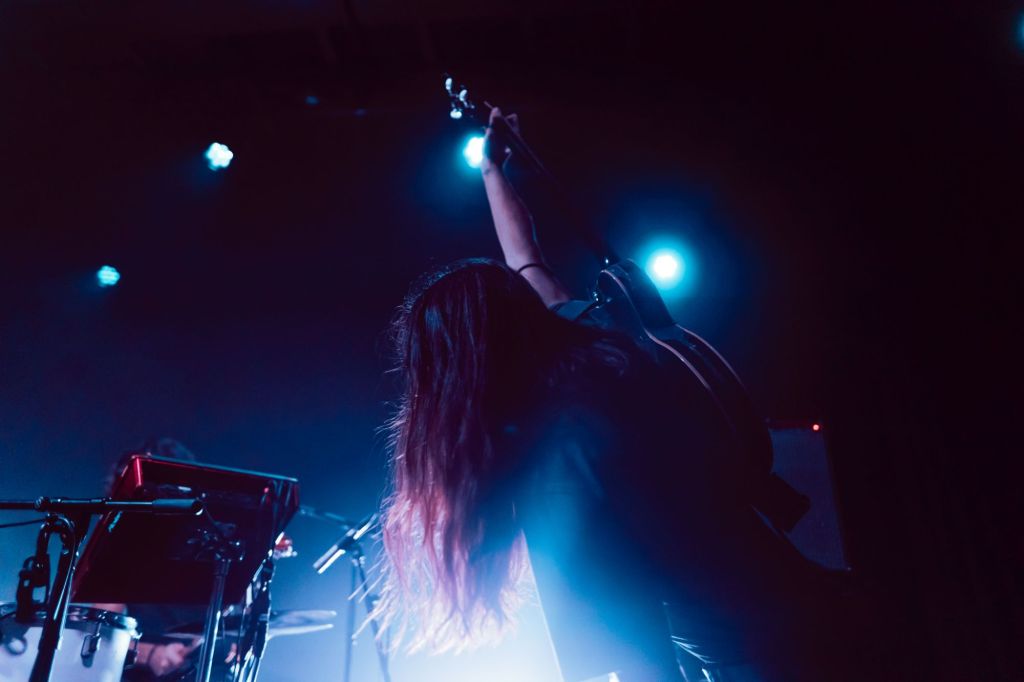
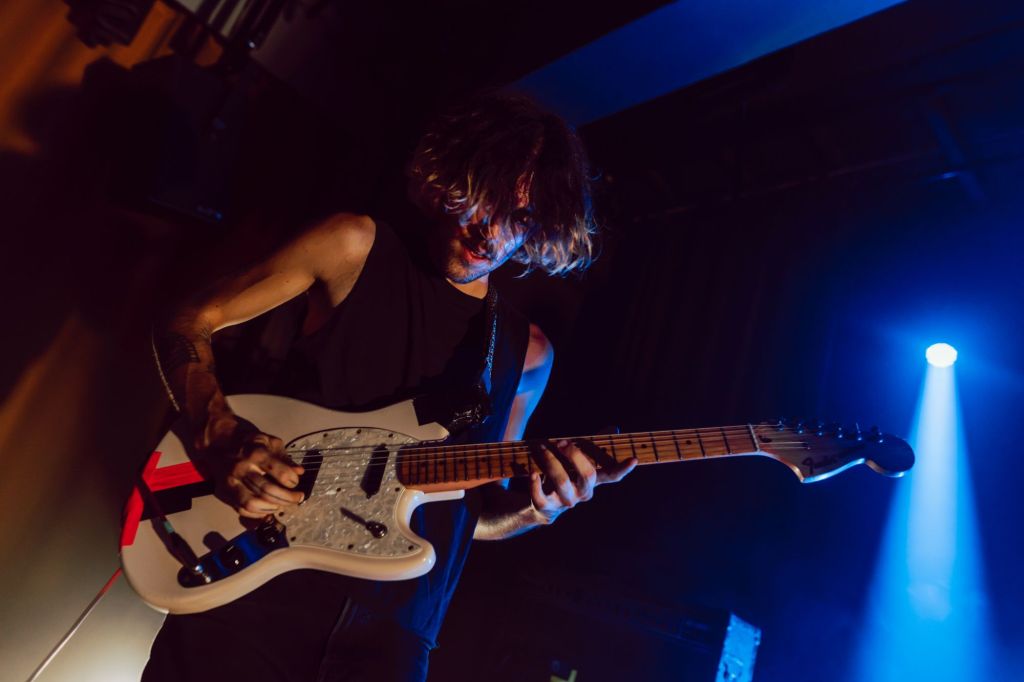
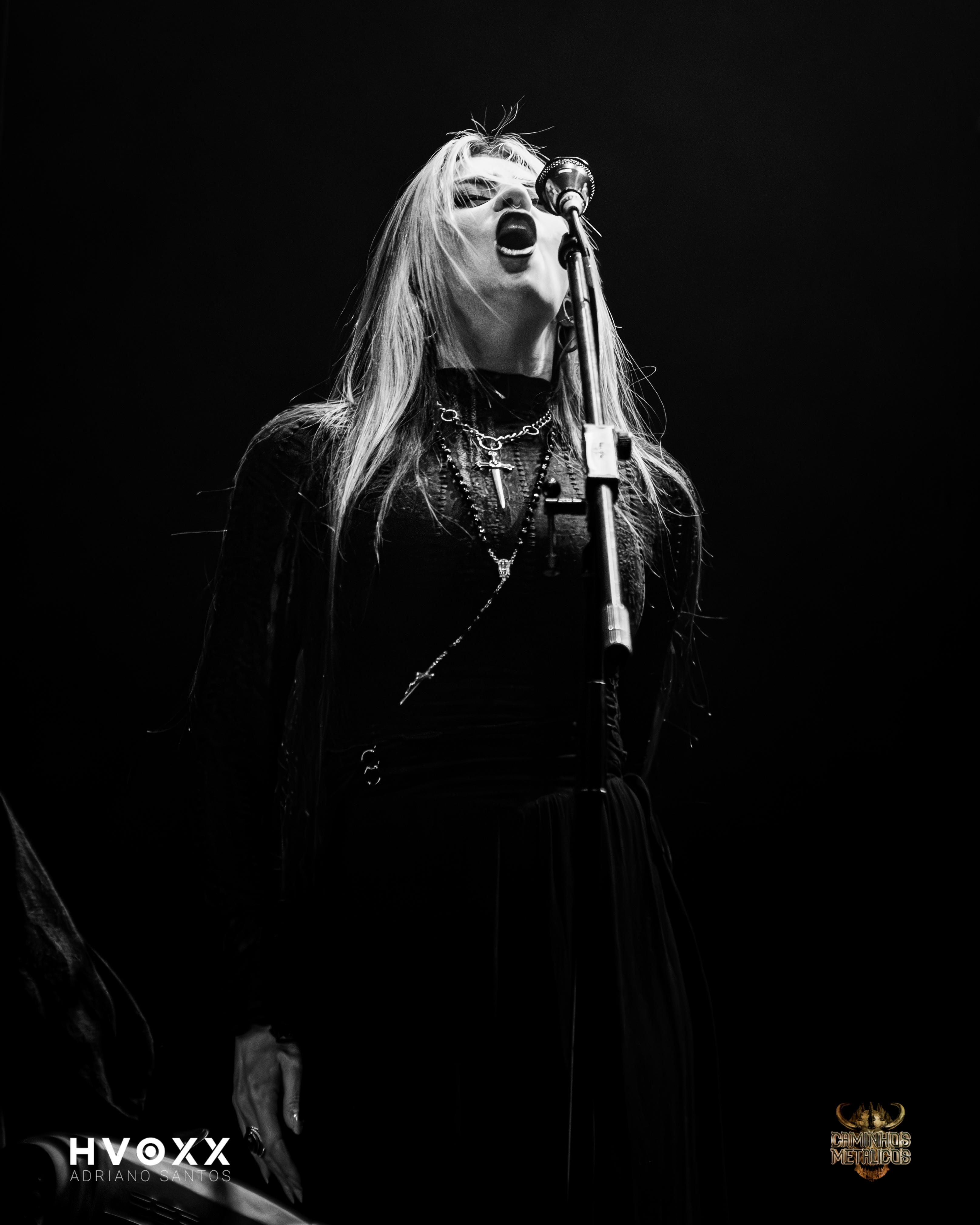
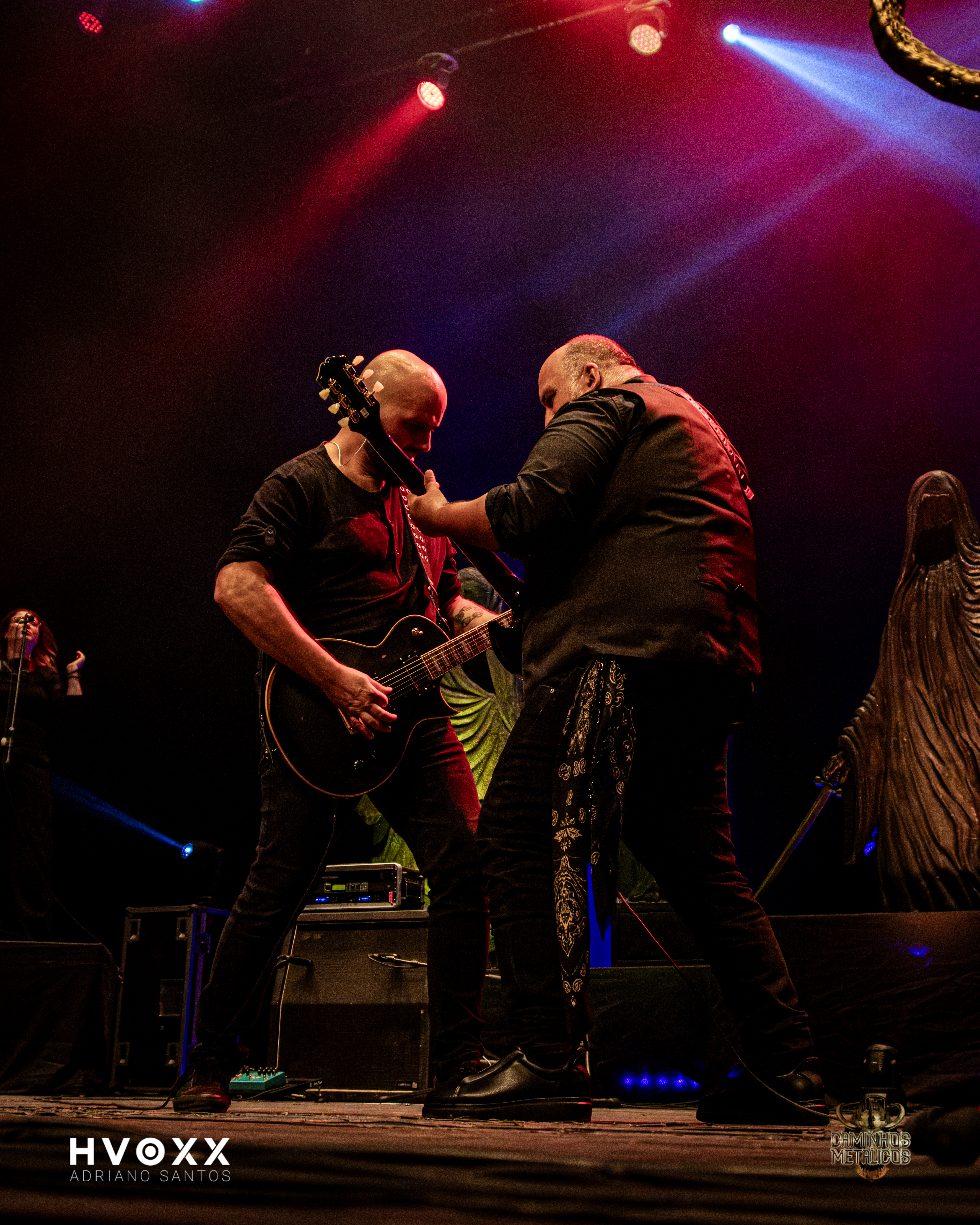
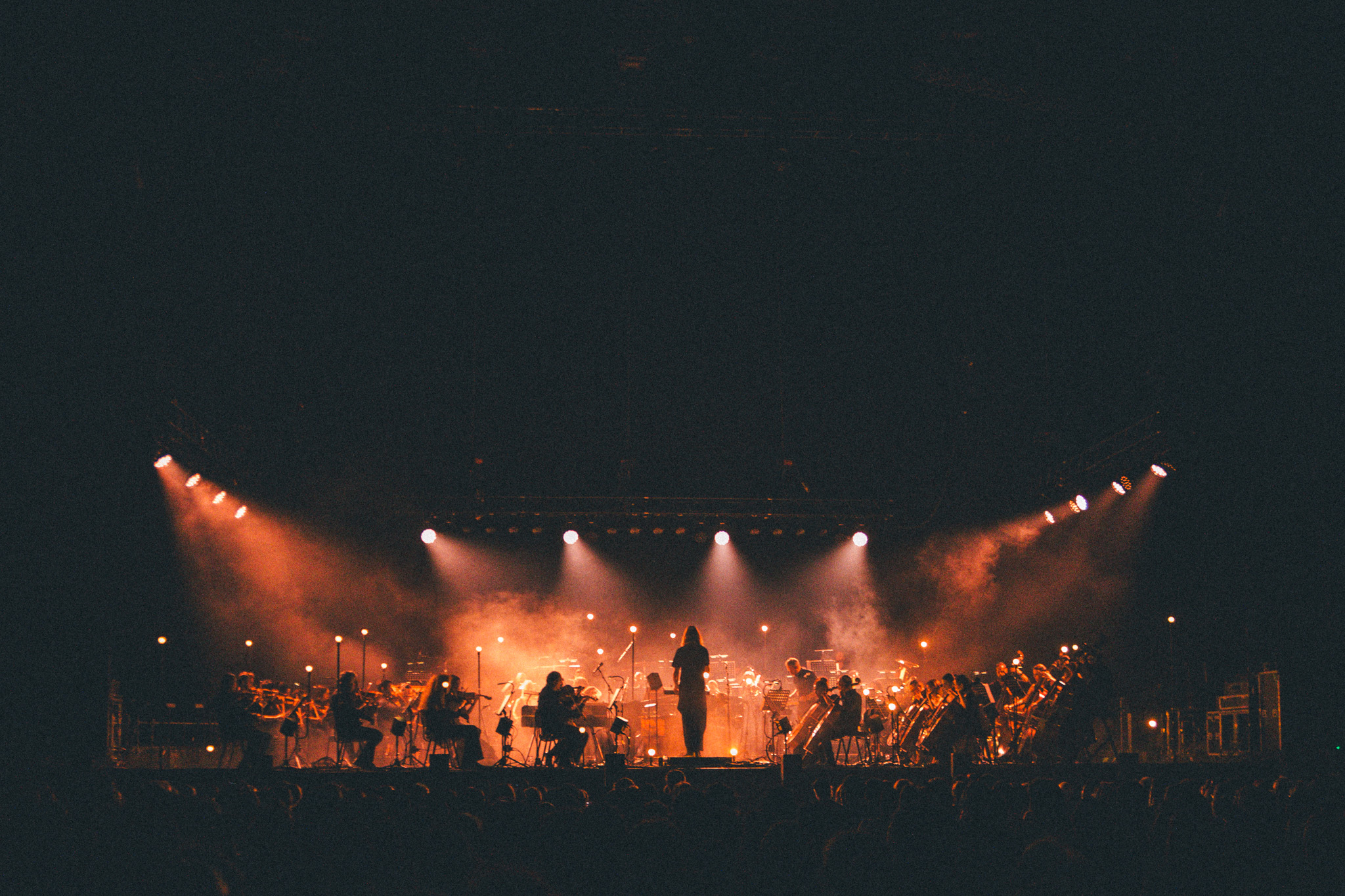
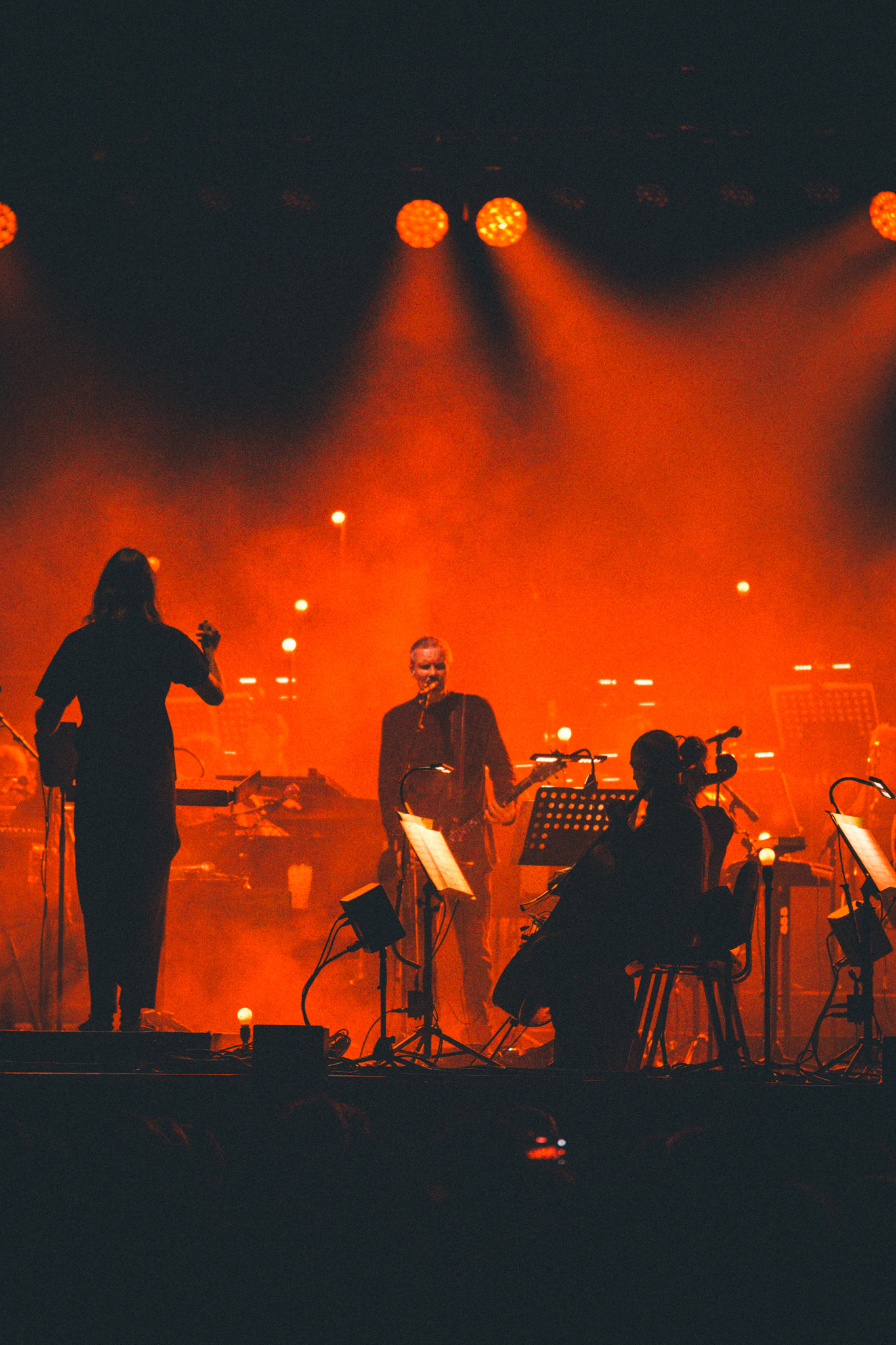
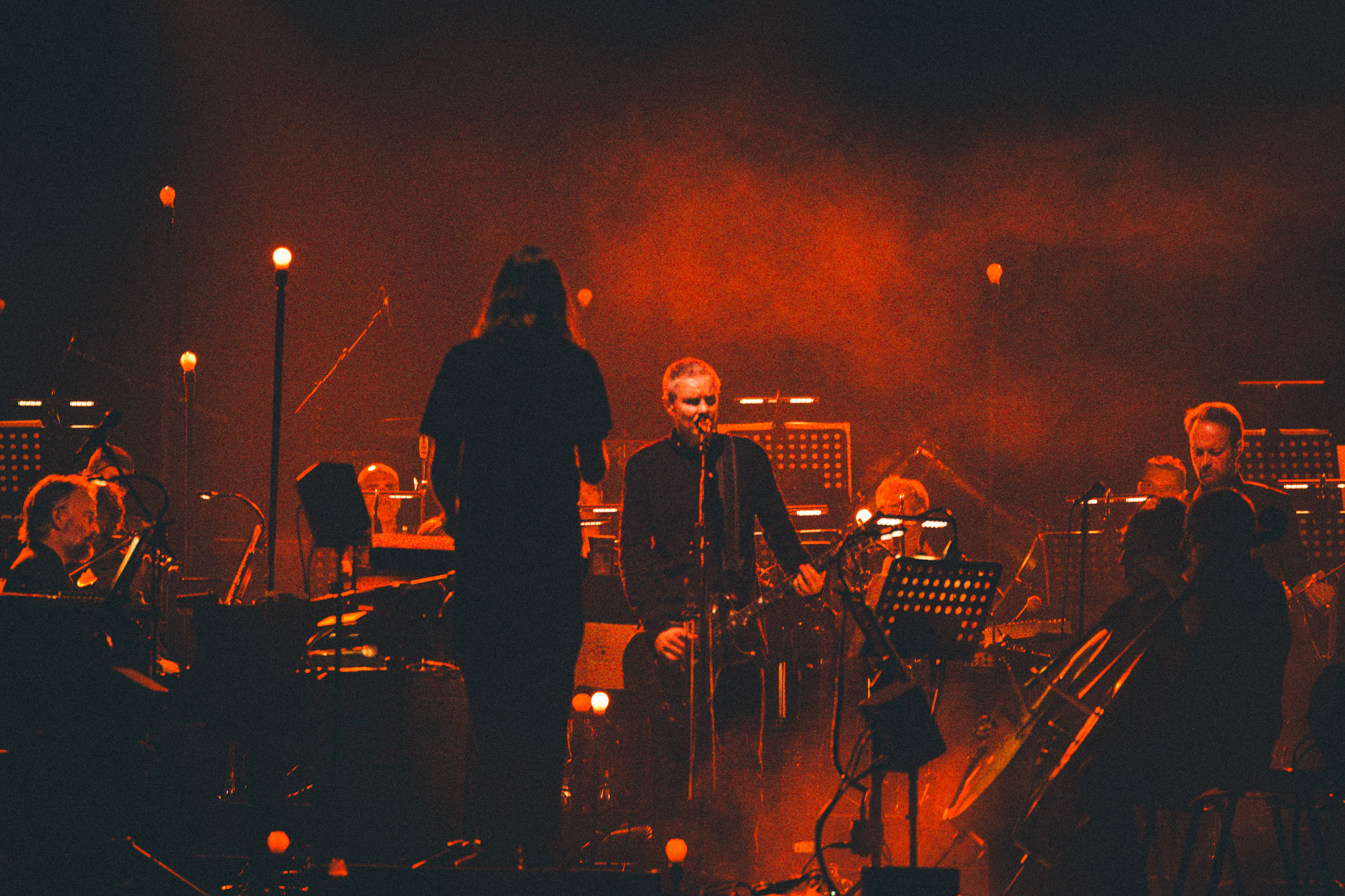
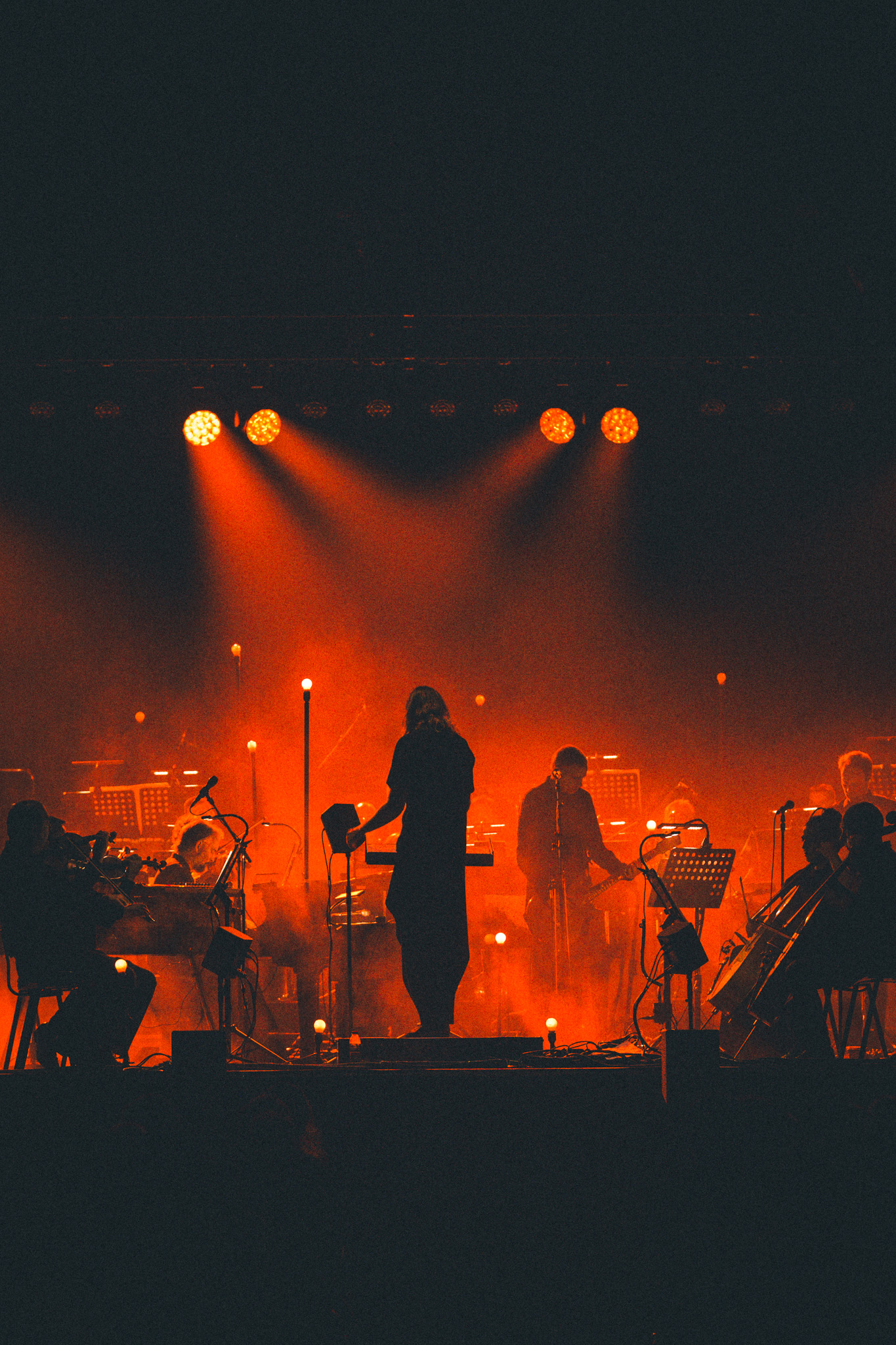
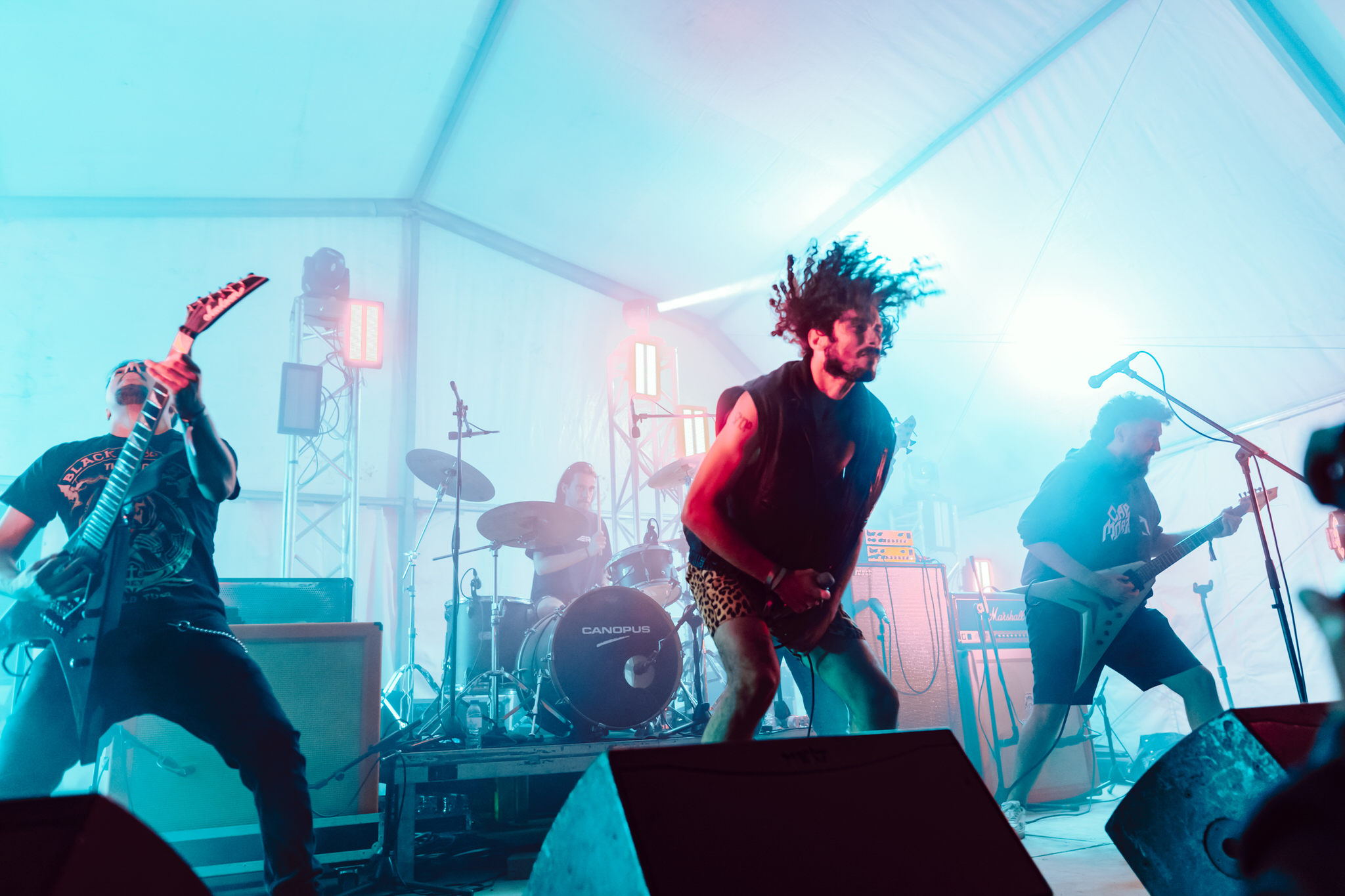
At 10:05pm, with a packed room and a palpable sense of anticipation, MAQUINA. took the stage for a long-awaited return to the Invicta city. Opening hostilities without warning or apology: a raw scream, a wall of distortion, and the immediate launch of a relentless sonic locomotive.
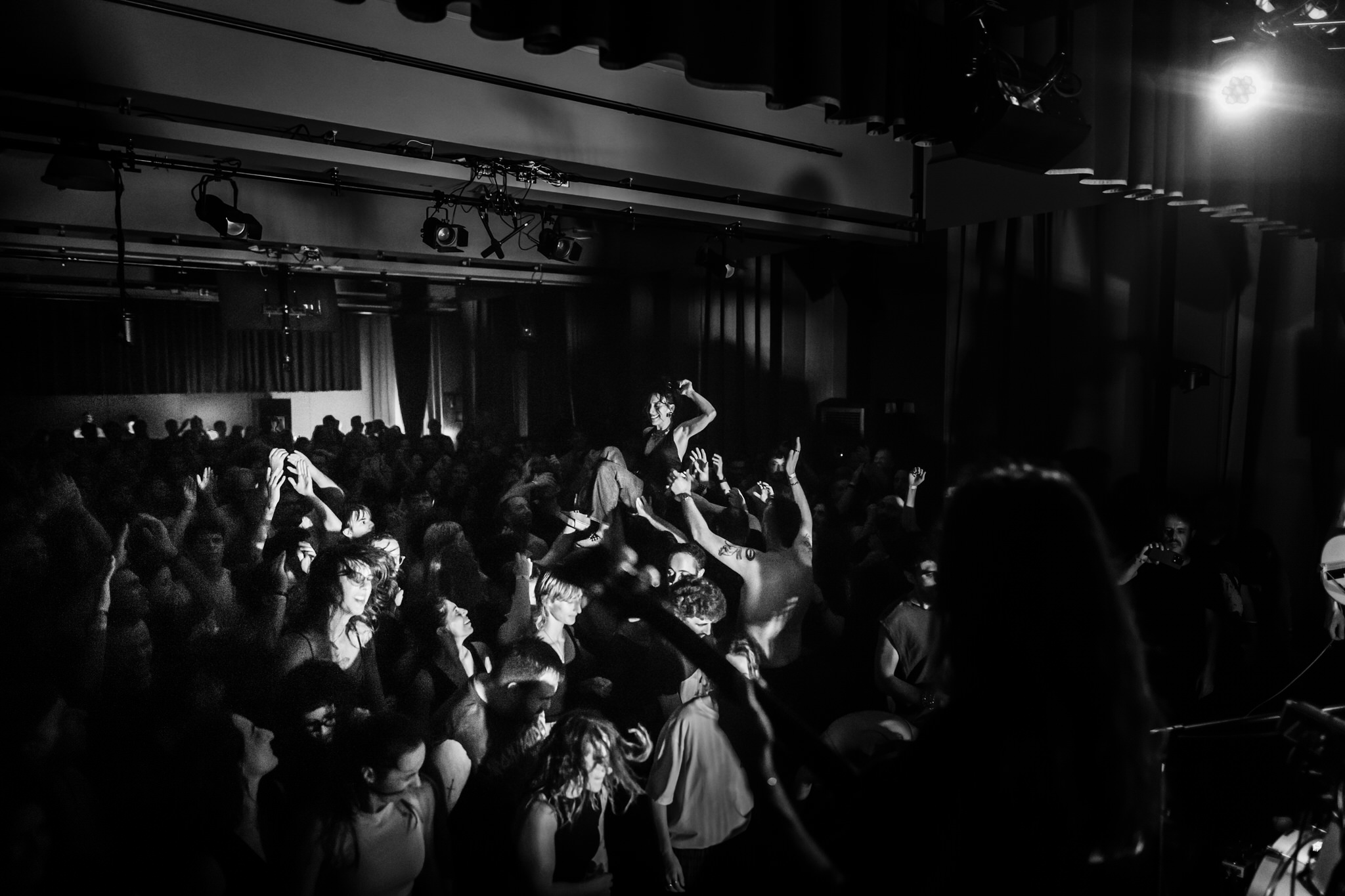
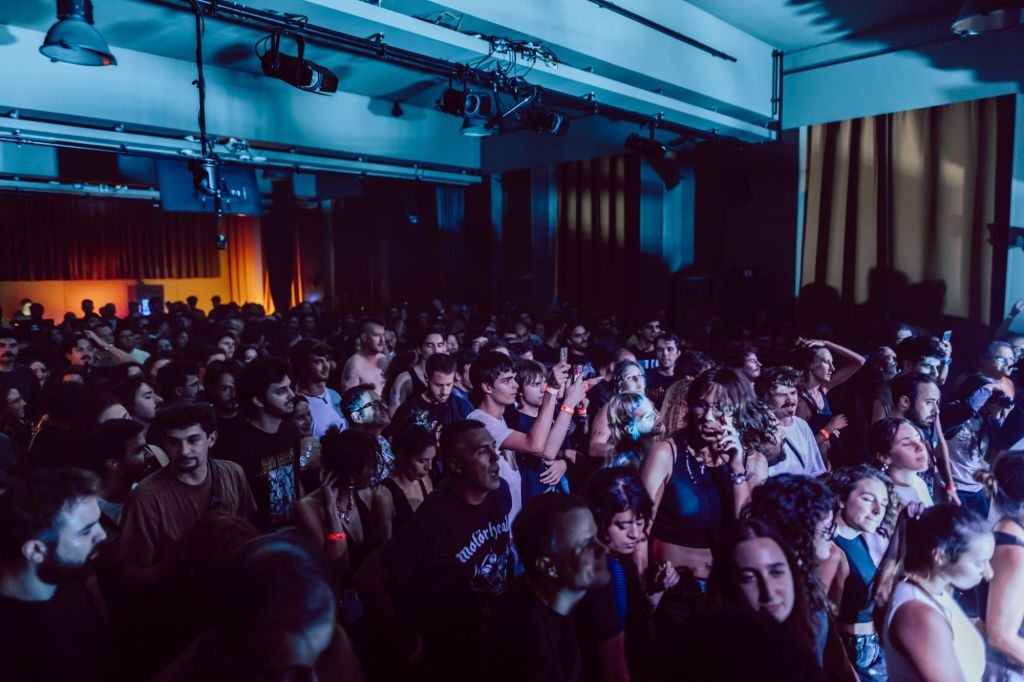
This tour serves as the live crucible for their latest record BODY TRANSMISSION: a devastating fusion where abrasive noise rock, and industrial techno collision-course into heavy, danceable catharsis. By the third song, the venue had already reached its boiling point. Crowdsurfers took over, frenetic dancing spread, and the trio’s signature raw energy turned the space into a non-stop celebration from start to finish. Between continuous dance and a jumping mosh pit, the floor was literally shaking under our feet.
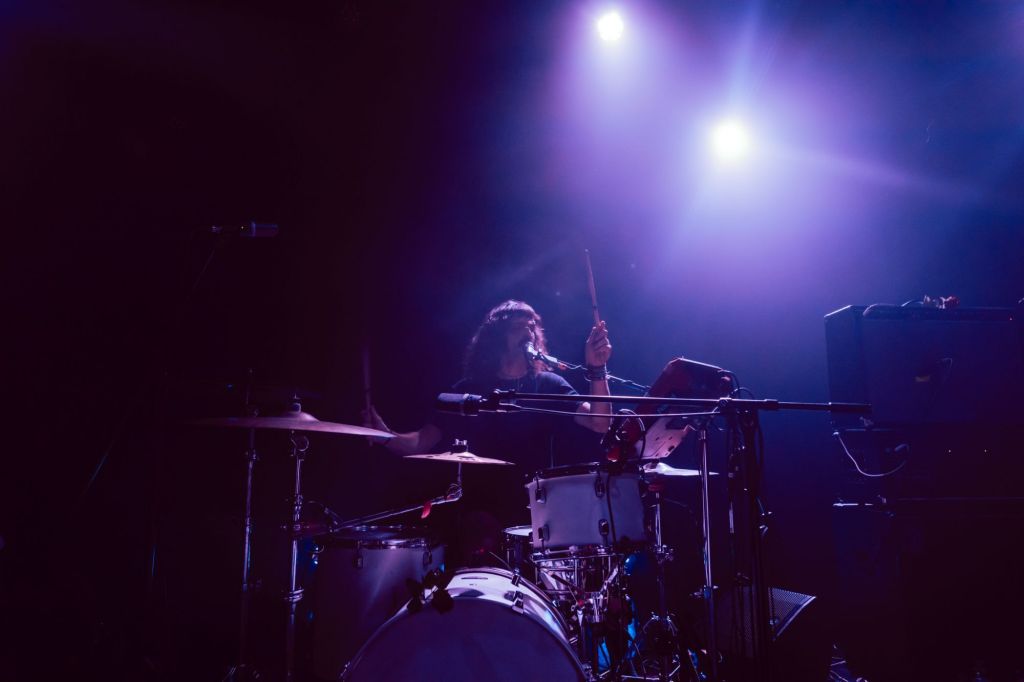
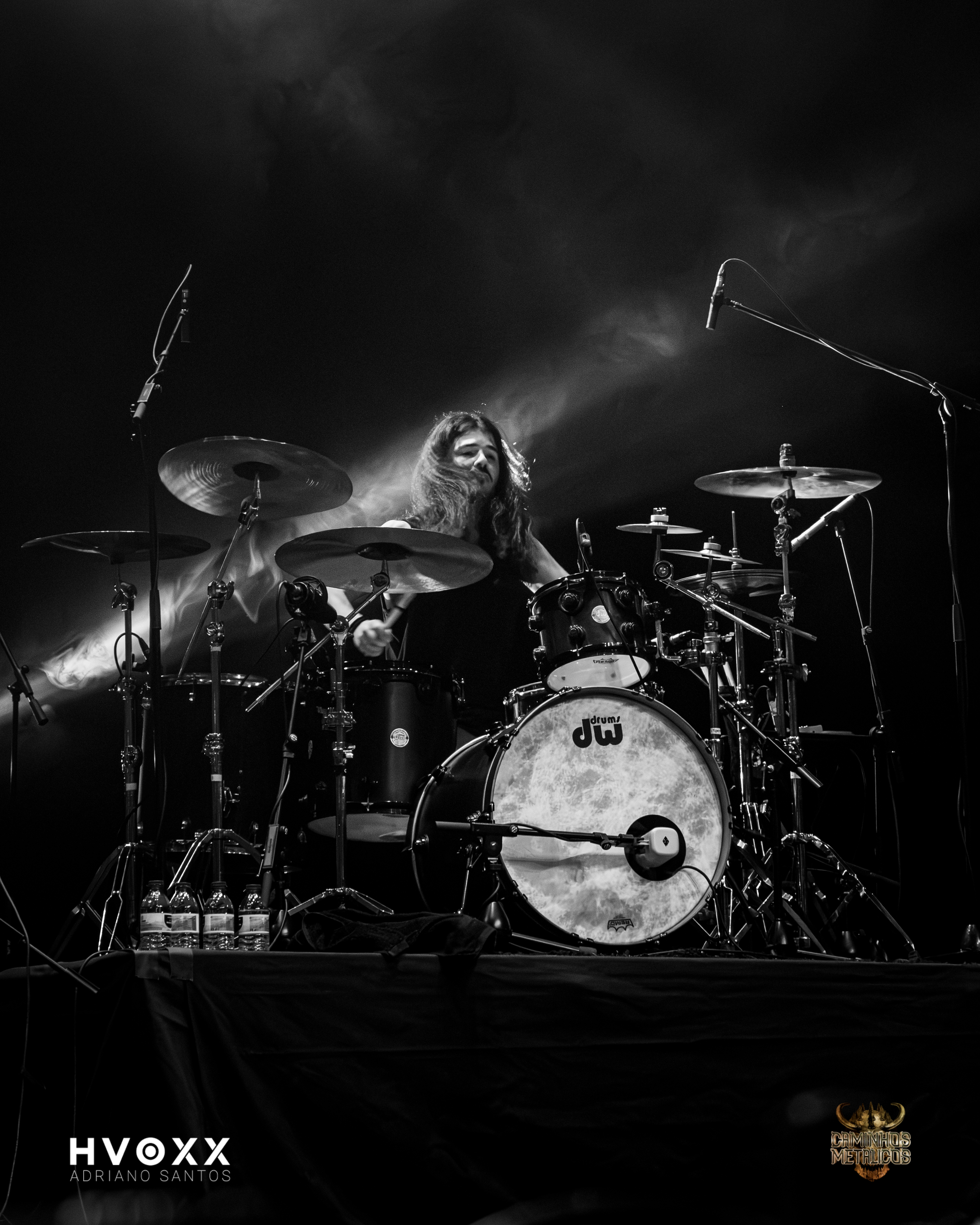
Alongside the hypnotic trance and industrial weight of the new tracks, there was also room for the band’s disarming charisma. Roughly halfway through the set, riding a wave of rhythmic clapping from the crowd, the drummer/vocalist busted out the Macarena moves: because anyone bold enough to drop the Macarena dance earns my absolute respect.
They closed the set with their usual finale, culminating in a collective mosh pit with the entire room jumping in a final burst of catharsis.
Once the show ended, the band once again showed their usual warmth toward fans, welcoming everyone warmly for hugs, photos, and quick chats. After a small pilgrimage to find a pen that would actually write on the album cover, I managed to get my copy of their new vinyl signed by the trio.
Having followed MAQUINA. since the very first concert I caught back in 2023, the level they’ve reached on this album cycle is undeniable. The new material translates into one of the finest live performances I’ve ever seen them deliver: a band at the top of their game, fully committed, and completely tireless on stage. Always an absolute pleasure to watch this trio in action once again.
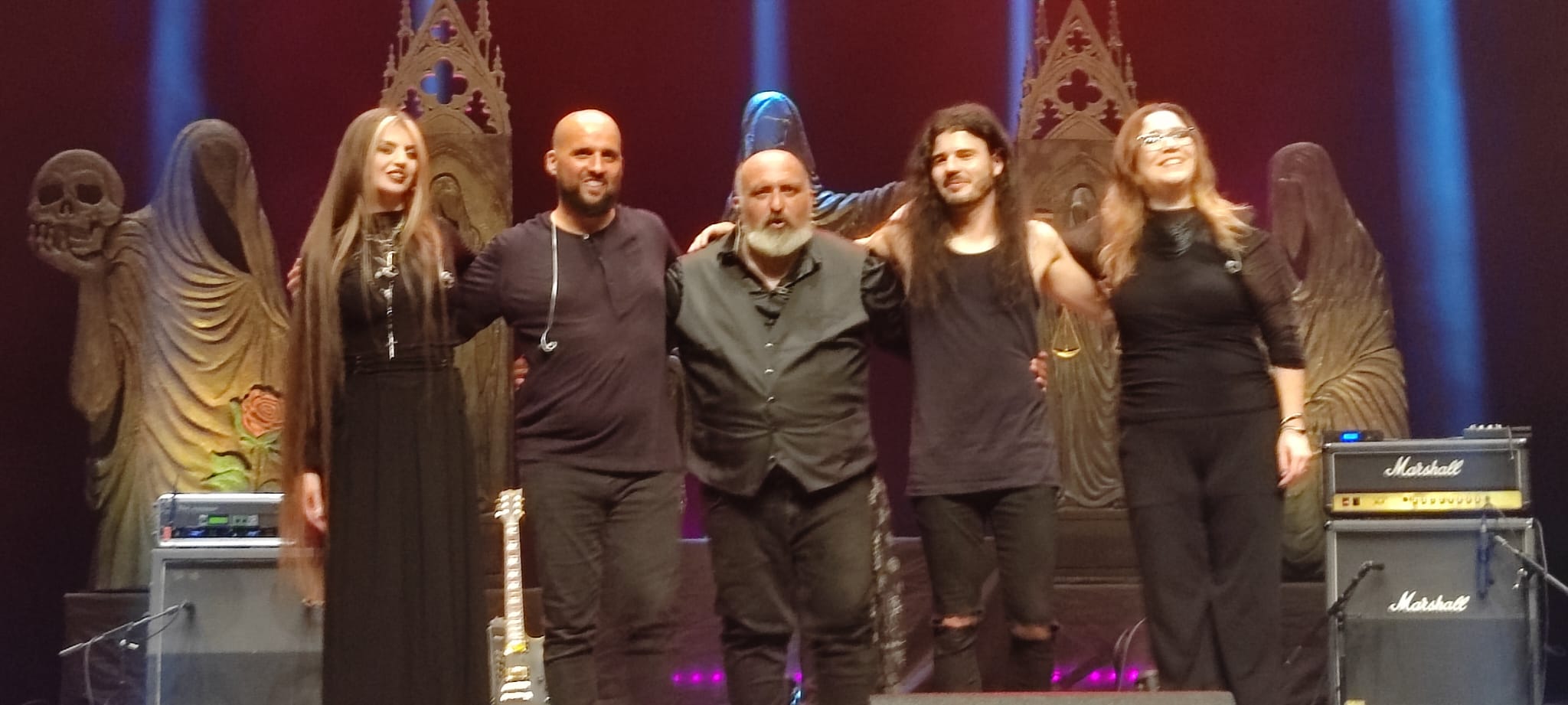
I week ago I was sitting in the front row, right in the middle of the stage, when Heavenwood began their 30th anniversary concert at the Coliseu Box in Porto.
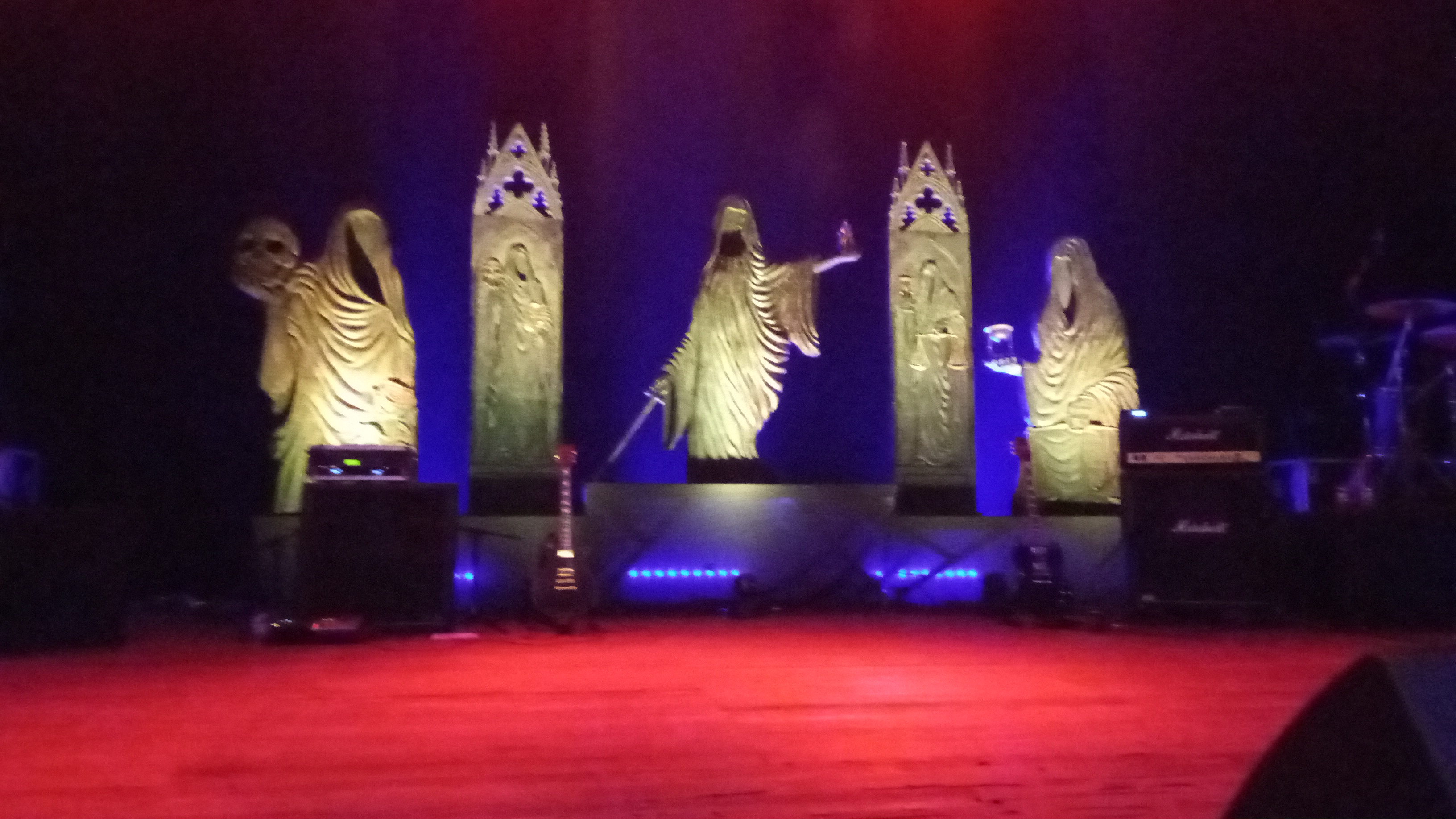
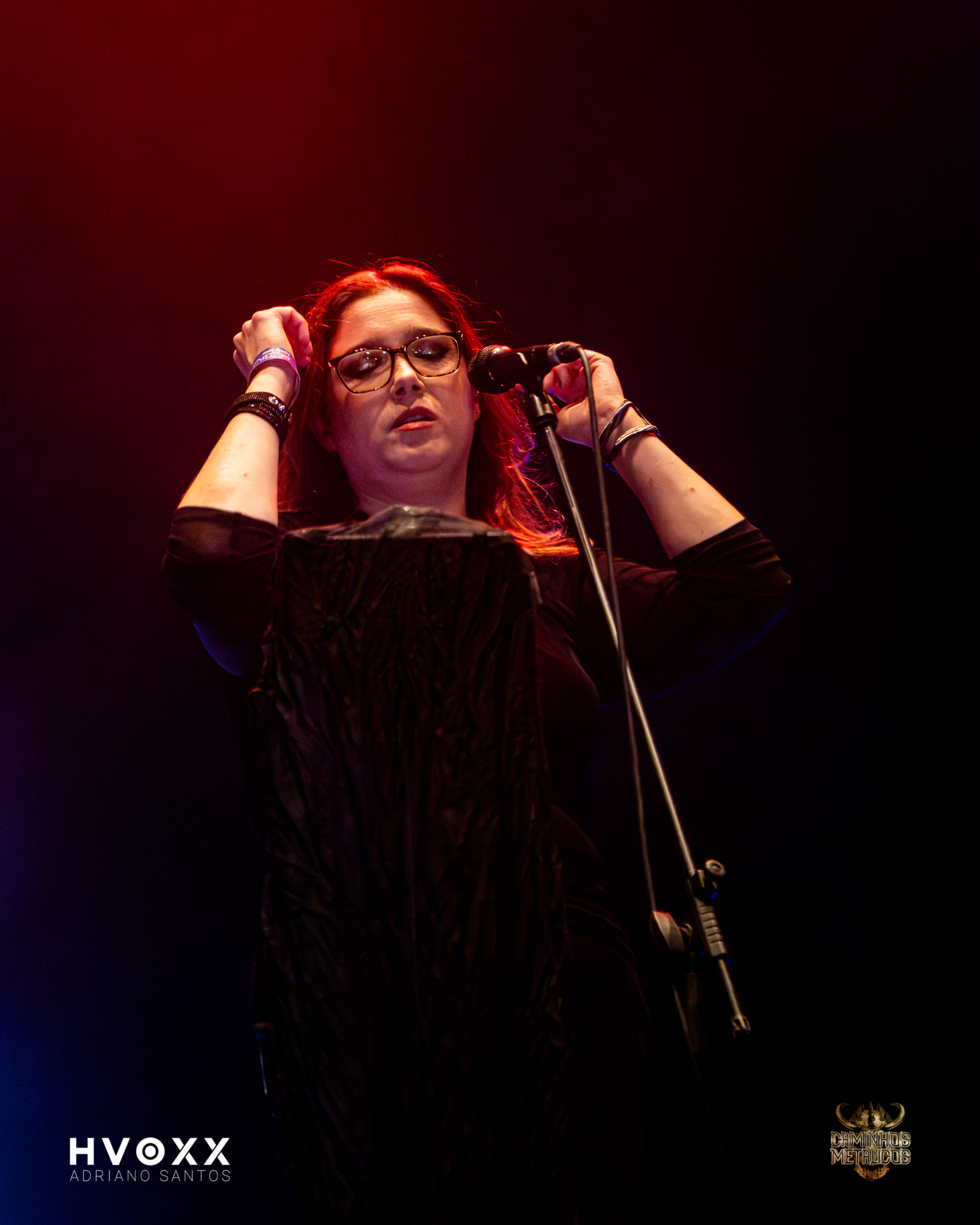
The stage was framed by beautiful sculptures by Helder Cabral, creating something that felt entirely at home with Heavenwood. It was theatrical, completed by the backing vocals and elegant movements of Beatriz Mariano and Sandra Oliveira, without ever taking away from the songs and music. It gave the concert another, ethereal, fairies-and-deities dimension.
I have known Heavenwood since the very beginning, when they were still Disgorged, and have watched them travel a very long way from those early days. Thirty years is a considerable stretch of time for any band. Standing there watching them, the number itself became less important than what was happening in the room.
Heavenwood are often described as melodic heavy metal, and there is certainly a great deal of melody in their music. But there is groove too. A strong physical movement underneath the songs that makes them work not only as something to listen to, but as something to inhabit.
From the beginning, the set moved through different periods of their history, with Death, Moonlight Girl and Morning Glory Clouds giving way to The Empress, The Moon and Since The First Smile, beautifully sung by Beatriz Mariano.
This was particularly amusing for me because Tarot had already been appearing repeatedly in my own life in the days leading up to the concert. I pull a card every day, by hand, from my Giger Tarot, and The Star has been the card that has appeared more than any other over the past four years.
Then, there I was, at a Heavenwood concert celebrating 30 years and found myself surrounded by The Empress, The Moon, The High Priestess, The Sun, The Hanged Man and The Stars, as the band moved through the music of The Tarot of the Bohemians cycle.Sometimes life does have a sense of humour.
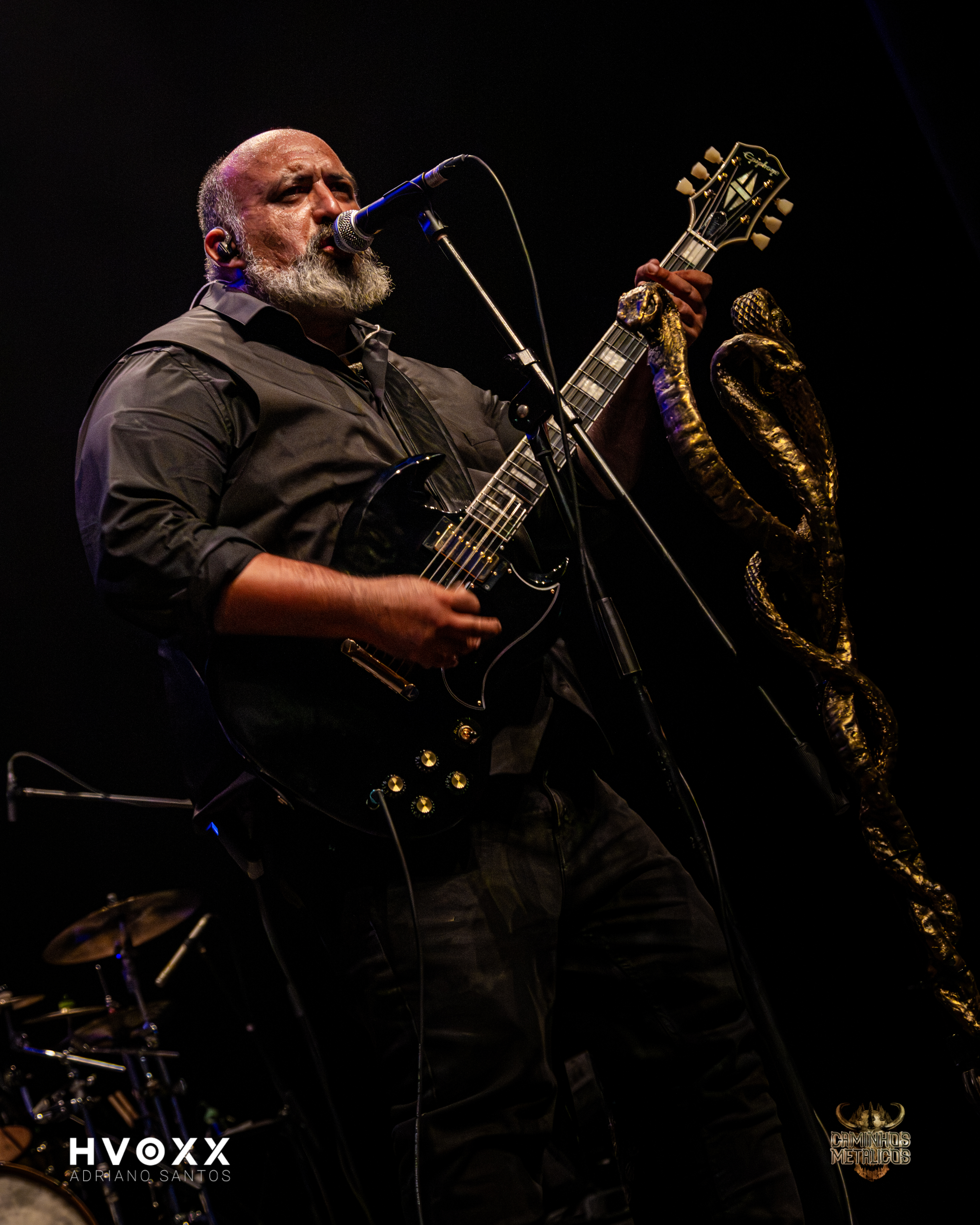
The Hanged Man brought Sandra Oliveira to the stage for lead vocals, adding another change of texture to the evening, while Ricardo Dias dos Santos, Eduardo Sinatra and Walter Teixeira carried the band through a set that had both weight and atmosphere.
And the sound. Oh! The sound! By the latter part of the concert it was so powerful that I could feel the floorboards moving with it, and the vibes and frequencies emanating from the stage wrapping me.
I was also having a rather wonderful time air-drumming.
My the eldest of my brothers, who is an actual drummer, was beside me tapping his legs to the music, while the drummer on the other side of the aisle was air-drumming too, even more enthusiastically than him. So there I was, sitting in the middle, flanked by two drummers and joining in.
On the encore there was a great singalong to the magistral and catchy Suicidal Letters, and by the time the curtain was about to fall, Heartquake arrived, and the room had changed completely.
Everyone was standing up and dancing.The seated concert had become a moving room.
That is one of the best things about seeing a band that has been around for thirty years. The history is there, certainly, but it is not a museum piece. It is alive when the songs still move people, when old songs are sung back at the stage, when a room full of people gets up and dances.
Heavenwood’s music has always carried a particular atmosphere, gothic, dark, melodic, poetic, sometimes symphonic, sometimes heavy as hell without ever losing itself.
At the Coliseu, with Helder Cabral’s sculptures surrounding the stage, it had the space to become something else again.
This was not simply a band’s concert marking thirty years.It was Heavenwood inhabiting three decades of music in one of Porto’s most special concert venues.
Heavenwood: Ricardo Dias dos Santos – founder/guitarist/composer/vocals Band Members: Eduardo Sinatra – drums Walter Teixeira – guitar Special Guests: Beatriz Mariano and Sandra Oliveira – backing vocals and lead vocals on Since The First Smile (Beatriz Mariano), The Hanged Man (Sandra Oliveira) Sculptures: Helder Cabral
Setlist: Death Moonlight Girl Morning Glory Clouds The Empress The Moon Since The First Smile – lead vocals Beatriz Mariano 13th Moon The Lightning-Struck Tower Shadowflower The High Priestess The Sun The Hanged Man – Lead vocals Sandra Oliveira Rain Of July The Stars Frozen Images
words: Telma Mota (freely translated by Raquel Pinheiro); photos: Telma Mota
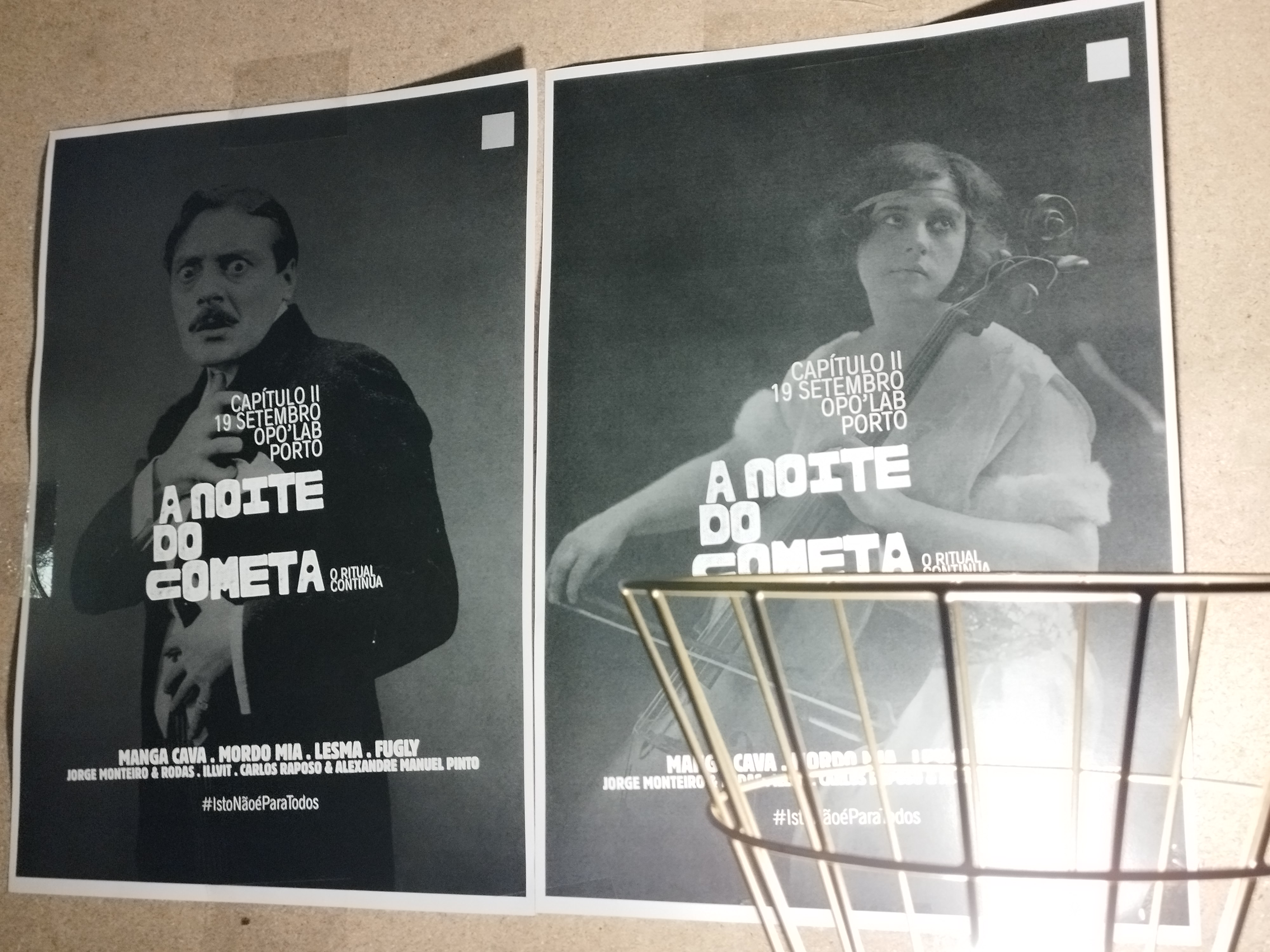
The second edition of A Noite do Cometa once again surprised and reaffirmed its restless attitude, always refreshing in its commitment to promoting emerging Portuguese bands.
This time, the fusion of different musical genres travelled through the sounds of the chosen projects with spirit, elegance and youthful energy.
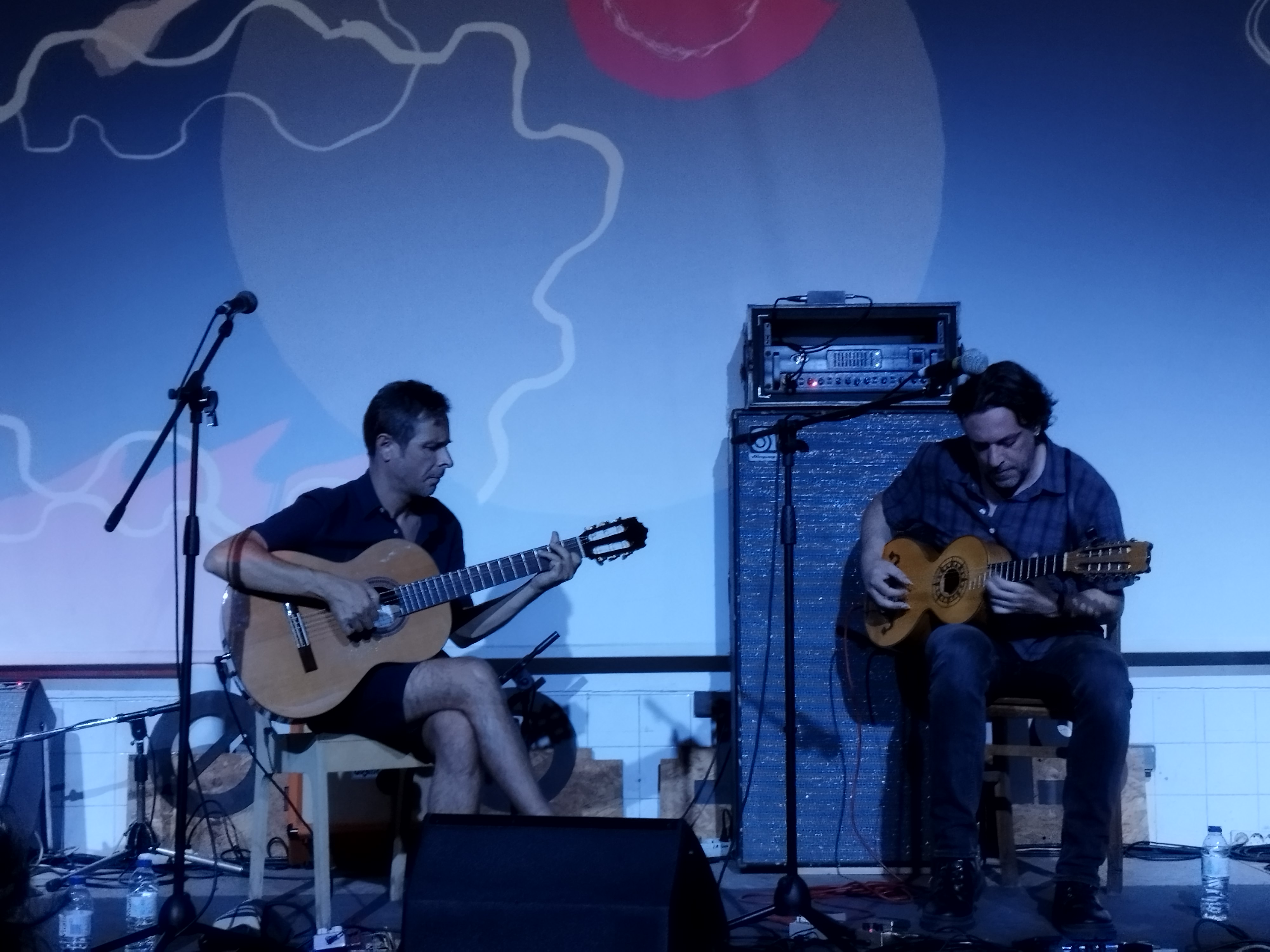
The event began with what was called a Prólogo (Prologue) surprise, bringing together Carlos Raposo and Alexandre Manuel Pinto in a string duet. Carlos, on the 10-string viola campaniça, accompanied by Alexandre on classical guitar, opened the event in the best possible way, with original pieces inspired by traditional music, somewhere between folk and Carlos Paredes.
Well played and performed, it set the tone for a musical night marked by freedom and diversity.
Next came the young bands Manga Cava, Mordo Mia and Lesma, which, in the words of organiser Garcia, were not chosen to fit into a mere playlist, but because they were capable of “altering the night for one another”. Interspersed with the consistently quality music of Jorge Monteiro’s DJ set, they took to the stage with attitude.
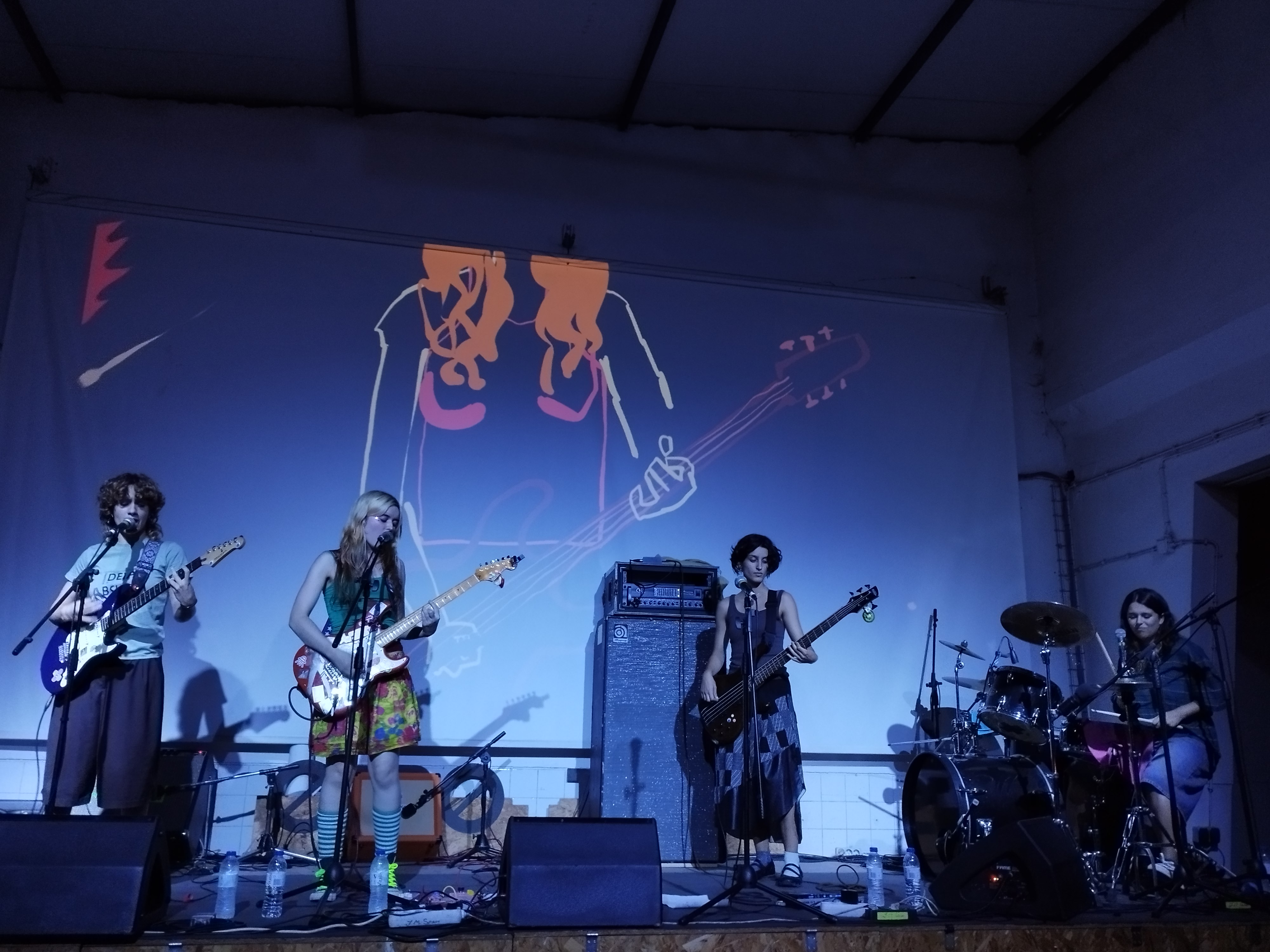
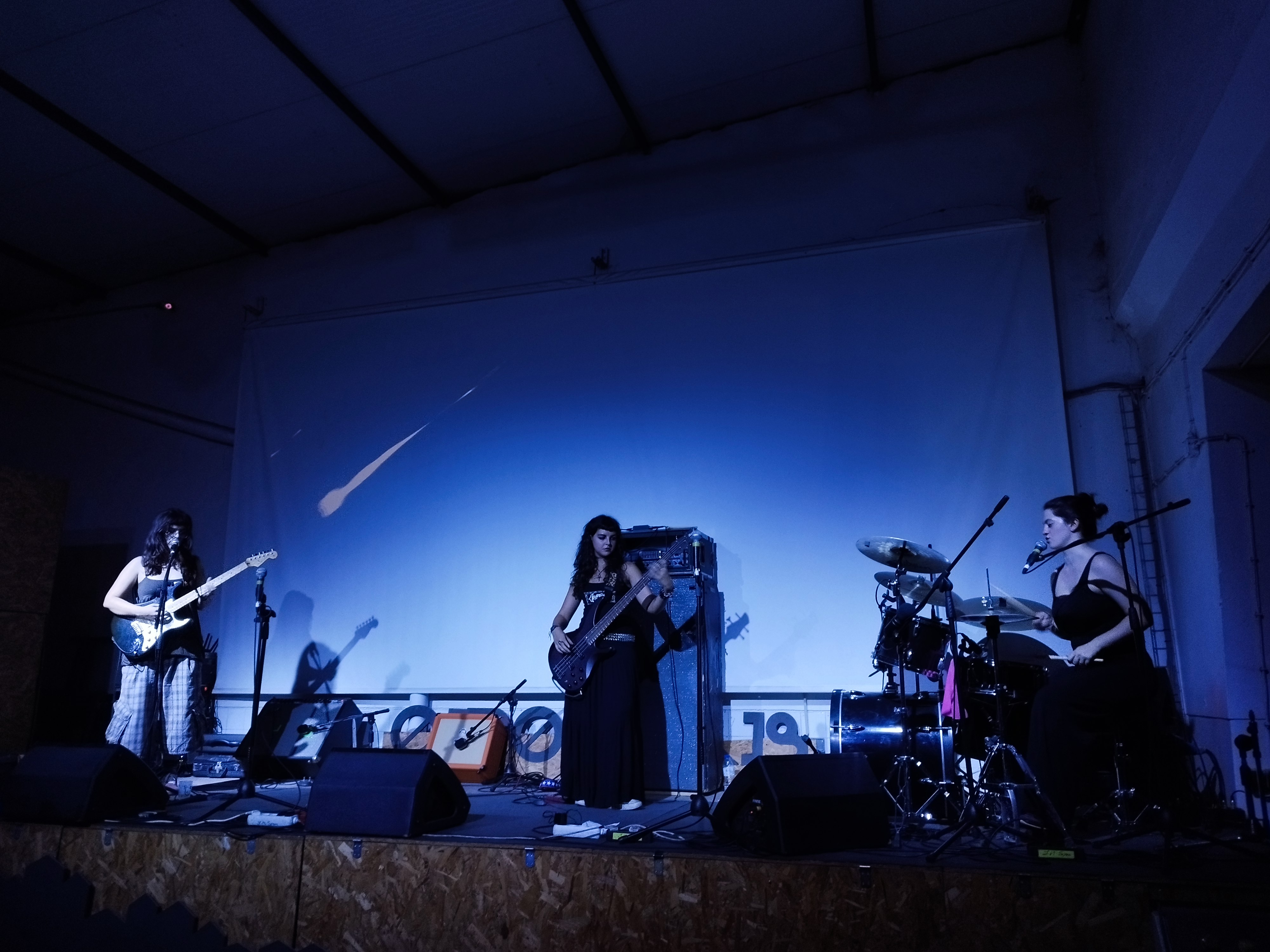
Manga Cava, a four-piece girly indie pop punk rock band, recently released the EP Retrato da menina abandonada no lixo. They are ironic, noisy and competent. Joana and Maria sing, accompanied by their guitars, raw songs energised by bass and drums. Among their original songs, they performed one by Pega Monstro, a band from the underground scene with which they identify.
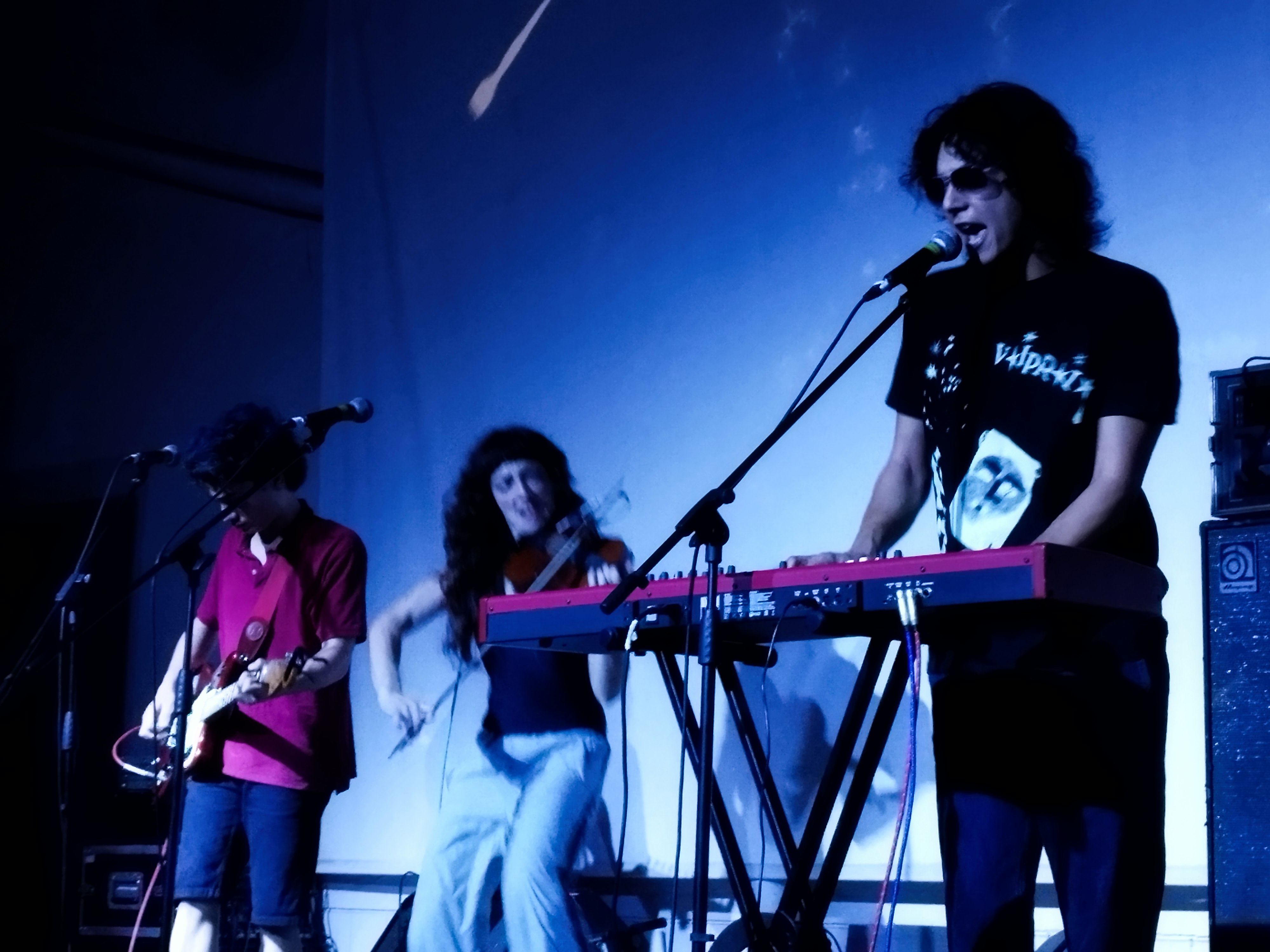
Mordo Mia added discomfort, in an unusual mixture of musical genres. Guitar, violin, keyboards, bass and drums come together in an intense and extraordinary amalgam that makes us pay attention to the details through which they communicate complex and contradictory feelings. Surprising for a band made up of people so young. Still a somewhat immature sound, but promising , already with two albums out: Sente-se Primeiro and Chumbo Côncavo.
To complete the emerging trio, Lesma, a girls’ band made up of three friends who released their first album, É mentira, in 2025 through Saliva Diva. Raw, strong and direct punk rock which, through Leonor Casimiro’s voice, gains a particularly interesting life, with lyrics delivered in a machine-gun verbal register, reflecting current personal and generational concerns, so many and so intense that they almost trip over one another in streams of muffled screams. An excellent performance, delivered with confidence and commitment.
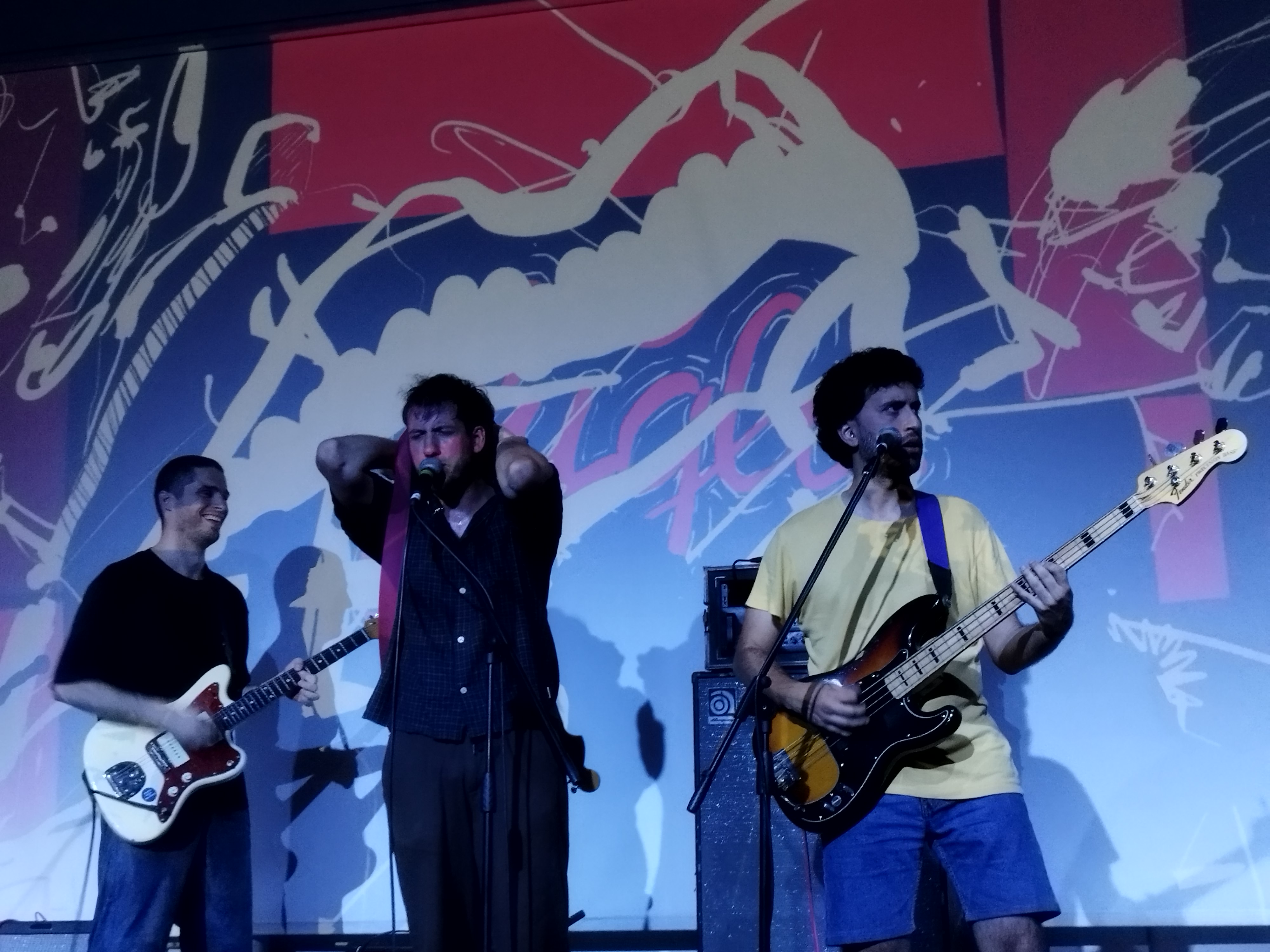
To finish, the comet exploded with the performance of Fugly, a Porto garage-rock band that began its activities ten years ago, but has performed little lately. Nevertheless, they retain their intensity, with their two noisy guitars, precise bass and an energetic drum kit that tears through everything and drives the band’s live performance. With an explicit anti-fascist message delivered from the stage, their vocalist Jimmy finished by expressing the hope we all want to hold on to while there is still “road to travel”…
After these magnificent high-octane live moments, the night entered its epilogue, provided by the already very well-known rock ’n’ roll DJ Rodas, owner of the recently closed Barracuda bar.
And so another special night of musical comet unfolded at OPO’LAB. Long may it be repeated.
A friend wisely advised me to pack extra tissues for Sigur Rós’ concert – a warning I foolishly brushed off as dramatic. Yet, as the concert began at 9:15pm inside a completely packed venue, the sweeping strings of Blóðberg took hold, and tears were already streaming down my face before the opening piece even finished.
For over three decades since forming in Reykjavík in 1994, the Icelandic post-rock icons – celebrated for Jónsi’s signature bowed guitar, soaring falsetto, and otherworldly lyrics in Icelandic and Vonlenska – have built a legacy on ambient, cinematic grandeur.
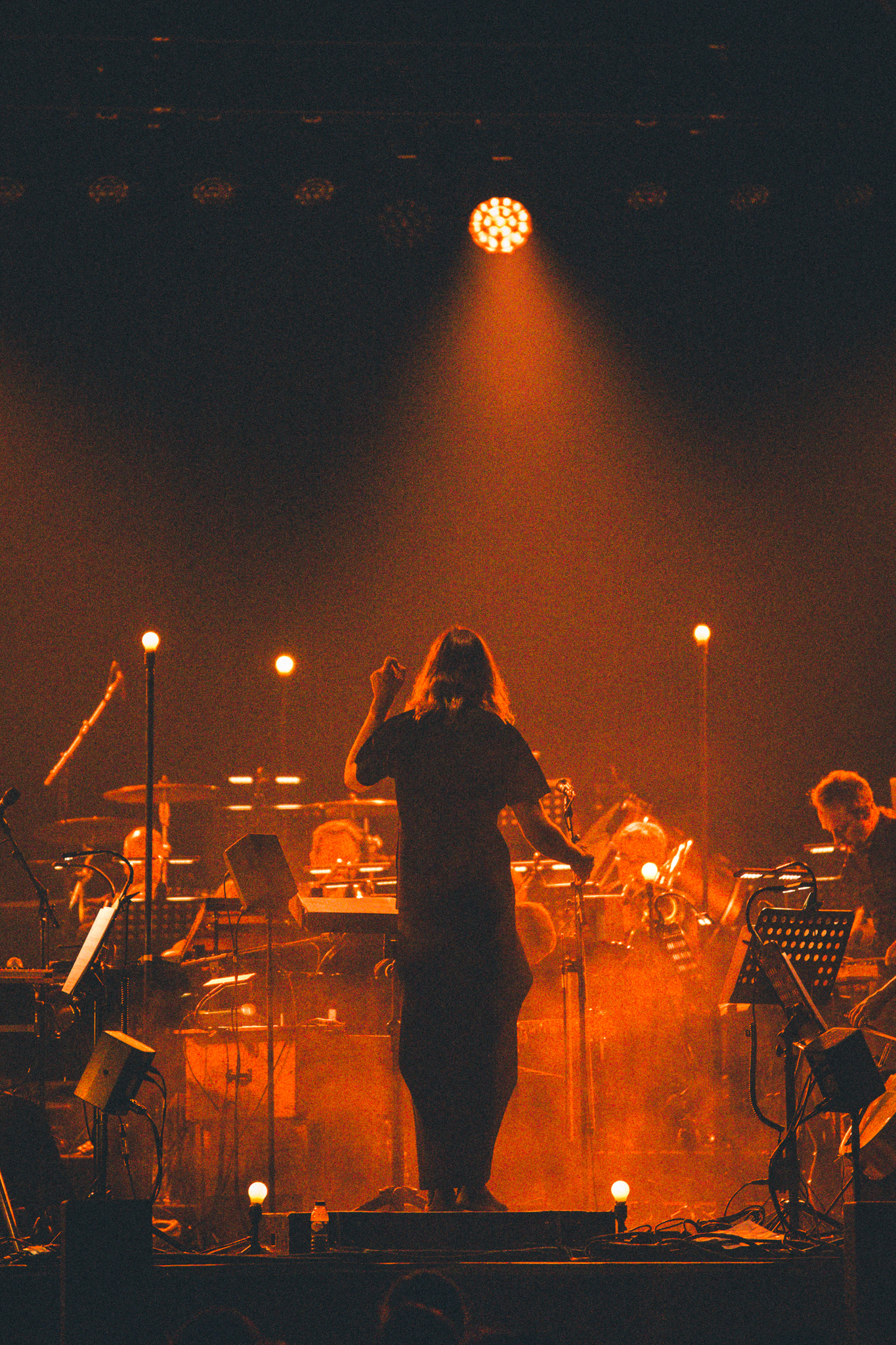
Hearing that catalog backed by the Orquestra Sinfonietta de Lisboa felt like the ultimate realization of their vision. Every added layer of instrumentation continuously elevated Sigur Rós’ already stunning compositions into soaring symphonic experiences across two profoundly emotional sets.The first set unfolded with remarkable intimate power.
By the fourth song, 8, the mood grew intensely emotional as bright, radiant lights flooded the arena, perfectly mirroring the sheer brilliance and clarity of Jónsi’s voice. Von followed as one of the night’s emotional peaks, drawing passionate applause, but it was with the seventh piece, Starálfur that the texture dramatically transformed.
The instantly recognizable opening notes sparked immediate warmth across the crowd, and as percussion finally entered the soundscape, it injected a rhythmic surge that had the audience bursting with enthusiasm.
Set I came to an exquisite close around 10:05pm with Varðeldur, featuring a mesmerizing moment where a lyric soloist joined the orchestra, leaving the room spellbound.The emotional intensity only deepened in Set II, which opened to massive enthusiasm with Untitled #1 – Vaka. The band and the orchestra seamlessly balanced delicate instrumental moments – such as the beloved Ylur and the orchestra-focused Sé lest with explosive grandeur.
The undisputed climax arrived during Ára bátur, where the exquisite voices of the Coro Ricercare joined the stage to elevate the music to celestial heights. The choir’s participation brought a staggering, resonant depth to the performance, commanding the most thunderous reaction of the entire night.
That triumphant energy carried seamlessly into Hoppípolla, with choir, orchestra, and band harmonizing in pure euphoria. By the time the quiet echoes of Avalon faded out, the room erupted into a standing ovation that lasted for long, uninterrupted minutes. A fitting tribute to a night of overwhelming catharsis.
Stepping out into the Lisbon night with tear-stained cheeks, I realized we hadn’t just attended a concert, but shared in a rare moment of pure, collective grace.
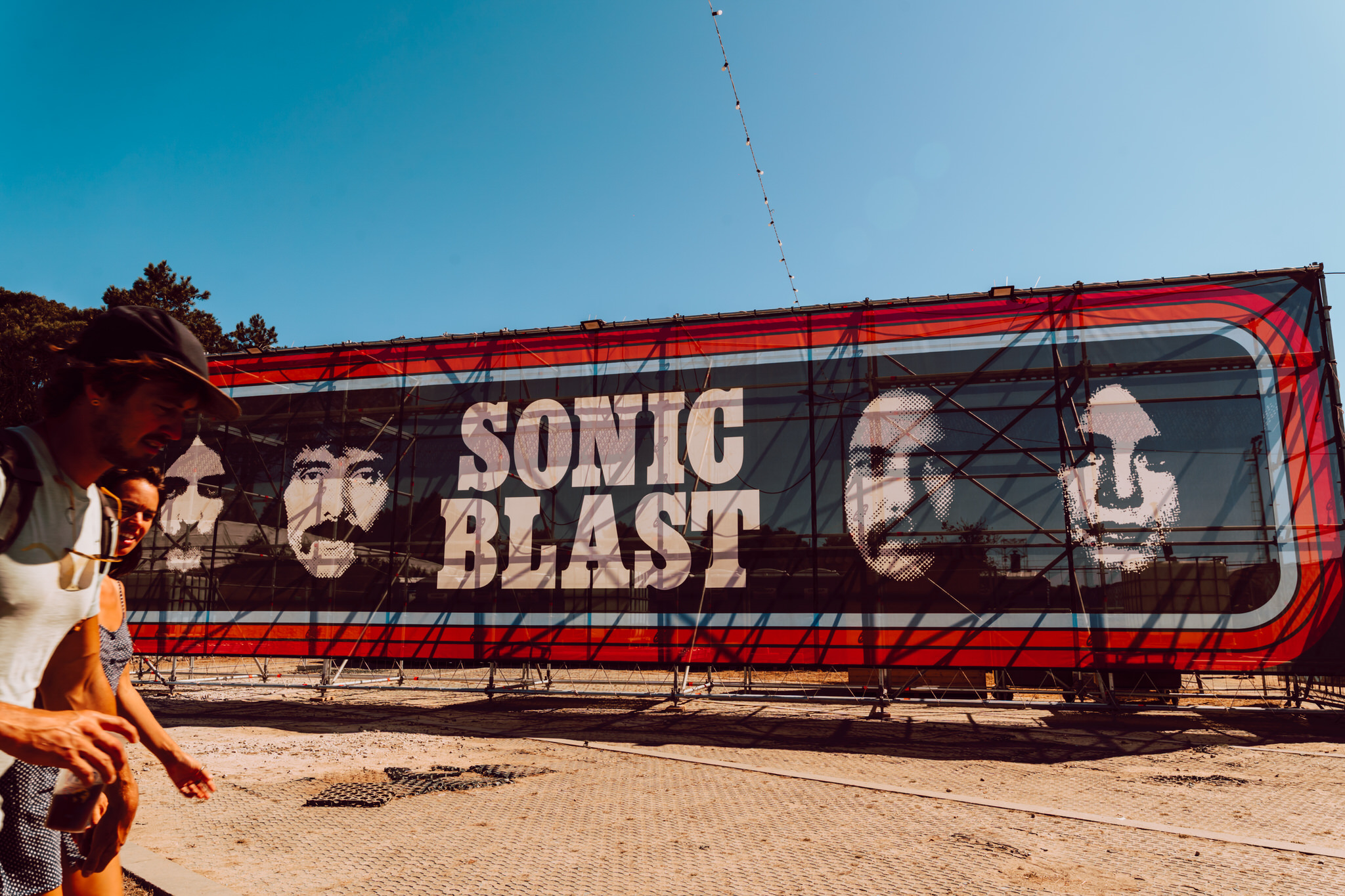
Sonic Blast Fest 2026: More Than Just a Festival, It’s an Annual Tradition
words: Joana Coelho photos: Ricardo Silva
Every August, the quiet coastal stretch of northern Portugal transforms into an international sanctuary for heavy underground music. Sonic Blast Fest has long carved out a unique identity in the European festival circuit: an event where the laid-back rhythm of Atlantic ocean breezes, pine forests, and beachside culture collides head-on with a wall-of-sound lineup spanning stoner, doom, hardcore, psych-rock, and extreme metal.
The 2026 edition arrived with huge momentum, boasting yet another completely sold-out gathering and drawing dedicated fans from different countries to witness a lineup that balanced rare classic reunions, explosive international debuts, and underground trailblazers.
This was not merely a sequence of individual concerts, but an immersive multi-day marathon testing the endurance and enthusiasm of its audience. By the time the gates fully swung open, the 2026 gathering set out to prove once again why its signature “Beach and Riffs” motto remains an unmatched Summer experience.
The festival grounds roared to life early with a warm-up day that felt significantly busier than in previous years. The heavy turnout was felt immediately around the intimate Third Stage, where photographers and fans navigated a packed pit to catch the opening salvos. Wizard Master had the honor of warming up early arrivals, setting the stage for Spin the Skull, who delivered the first major surprise of the night with catchy hooks and driving riffs that ignited immediate mosh pits.
Capela Mortuária carried that momentum forward with a barrage of straightforward thrash, elevated by a double-guest appearance – the frontmen of both Vai-te F*der and Besta joined the stage to lend their vocals. Headliners Bongzilla closed out the night with a dense wall of sound, alternating between moments of raw crushing power and dragged-out sludge passages. Paired with a massive rush on official merch that saw several designs sell out before midnight, Day 0 established a high-standard precedent for the marathon ahead.
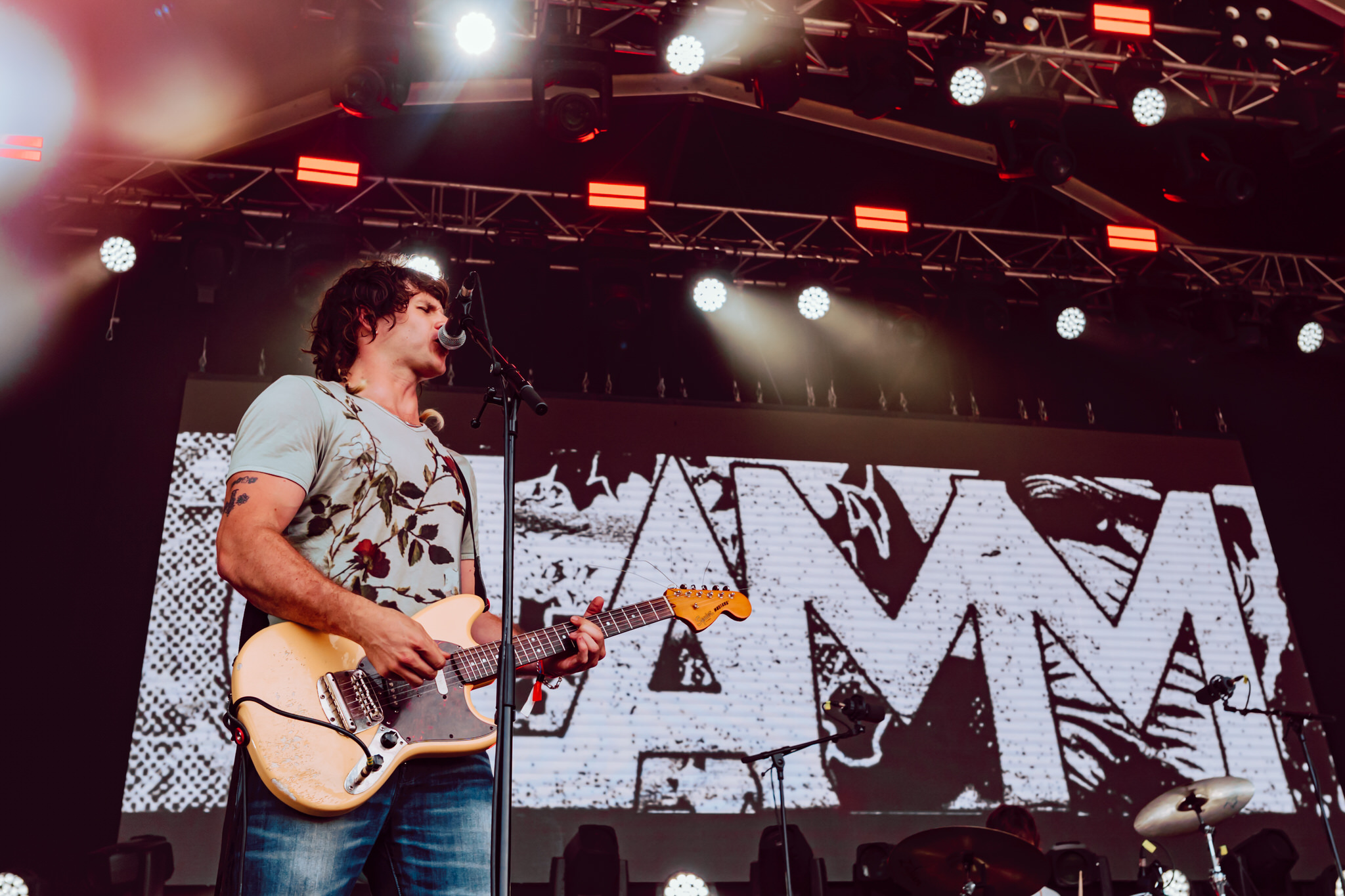
Official festivities opened on the Third Stage with Free Ride delivering stoner-tinged heavy rock to a remarkably full early-afternoon crowd. Following travel logistics that saw Elephant Tree step up to an earlier slot – performing a raw, stripped-back set as a trio following guitarist Jack’s absence – the festival hit its full stride. Australia’s Clamm brought high-velocity garage punk to the Second Stage, but it was Trash Talk who delivered what many hailed as the show of the day. Making their Portuguese debut to a heavily international crowd, the hardcore outfit unleashed absolute chaos, complete with massive circle pits, a seated audience section, and the frontman crowd-surfing all the way from the accessible viewing platform back to the stage.
As the day progressed, Midnight brought daylight banter and maximum adrenaline, handing out beers from the stage, inviting fans into the photo pit, and leading a massive singalong to Satanic Royalty. Frankie and the Witch Fingers delivered a masterclass in psych-garage virtuosity before Deafheaven took the First Stage as night settled in. Acting like a master puppeteer, the frontman held the crowd spellbound through hypnotic soundscapes, continuous mosh pits, and the festival’s first encore, while teasing a new album on the horizon. Chat Pile delivered crushing noise-rock laced with stand-up-style movie trivia, Snapped Ankles turned the Second Stage into an experimental dance party from the middle of the crowd, and late-night sets from Mephistofeles and Madmess kept the grounds alive past 3:30 AM.
Friday opened on a spacey note with Jesus The Snake on the Second Stage, offering a hypnotic synth-prog buffer for fans recovering from Day 1. Hög quickly picked up the tempo with fast riffs and a new track preview, while Clamm returned for a second weekend set to fill in for a last-minute Dead Meadow cancellation.
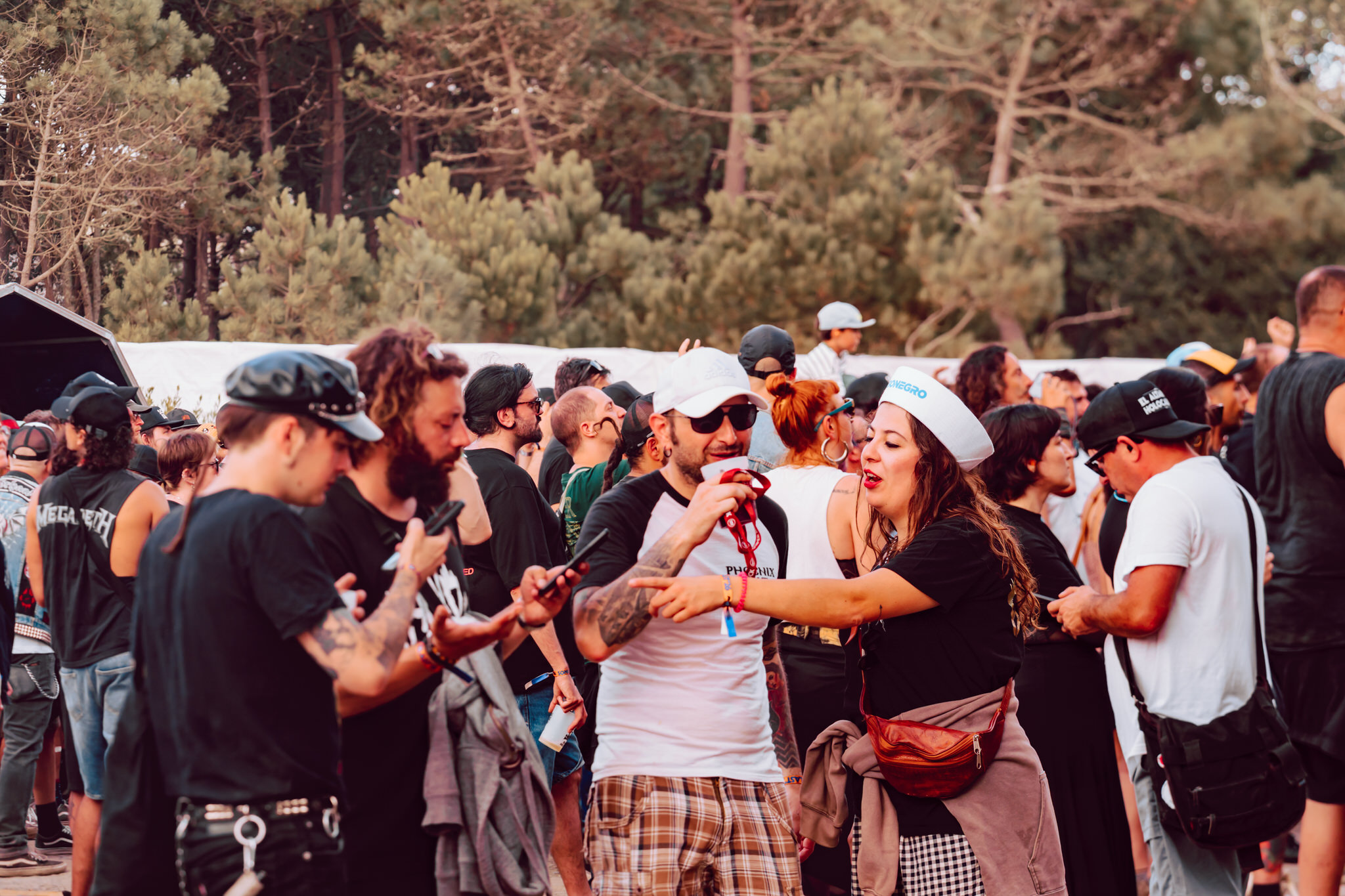
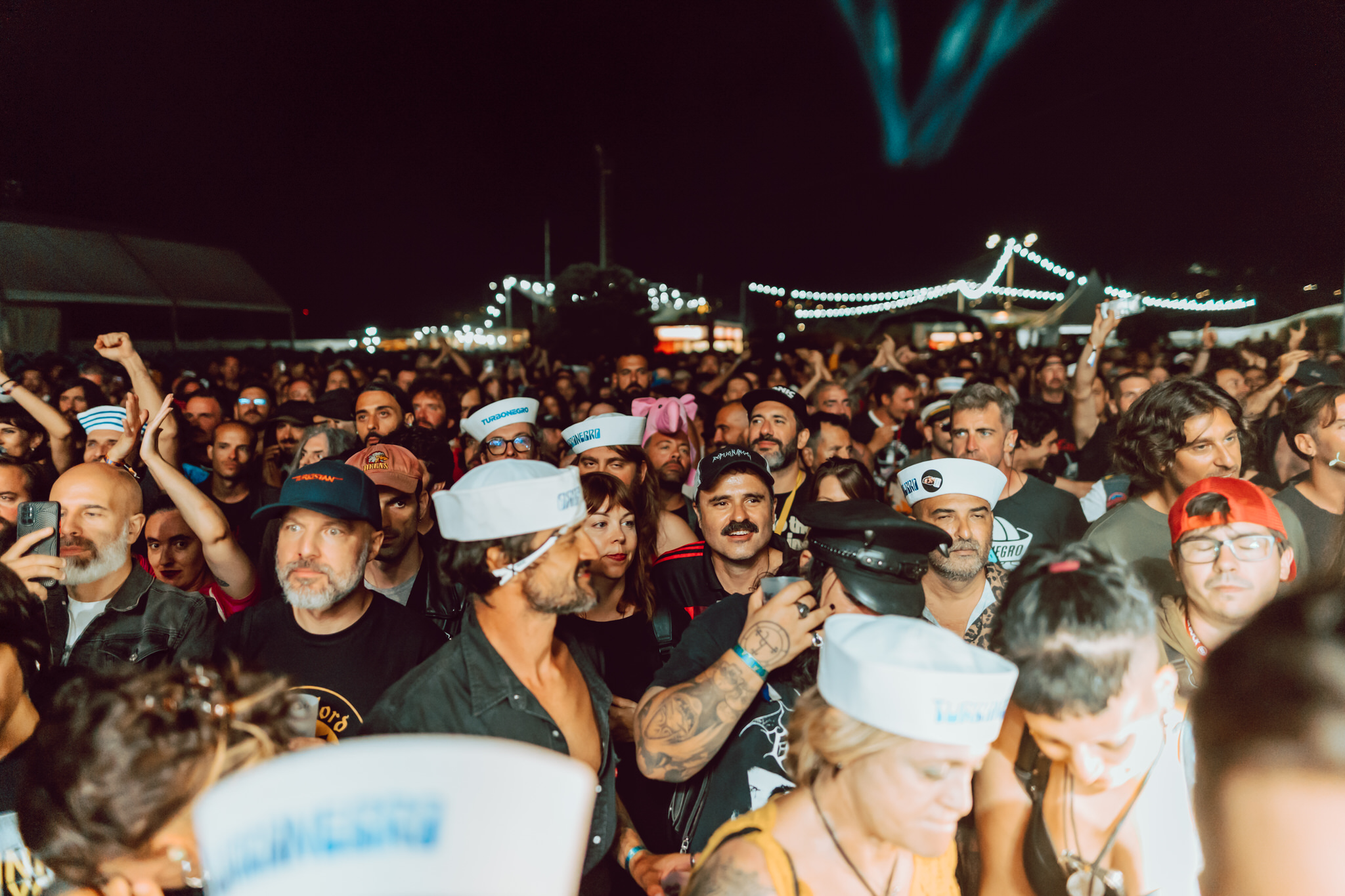
Thrash veterans Voivod drew a massive turnout to the Second Stage, sharing fistbumps with the front row during an intense performance, paving the way for Conan’s caveman battle-doom to trigger continuous crowdsurfing and a massive circle pit on the First Stage. Street-punk legends The Casualties tore the Second Stage apart, with their frontman leaping directly into the pit. Kylesa’s triumphant return marked a major peak in festival attendance, bringing dual-drum sludge power. Headliners Turbonegro sparked pure euphoria with a sailor-hat-clad crowd singing All My Friends Are Dead in unanimous chorus, delivering what was considered by the majority as the standout set of the day.
Late into the night, festival veterans Deathchant proved once again why Sonic Blast has truly become their home away from home. Having graced the festival stages multiple times over the years, the heavy rock outfit commanded an absolute crowd-favorite reception, delivering a raw, explosive performance and highlighting their brand-new single “Enemy” – released that very day from their upcoming album Kova. Goya and an industrial electronic late-night party from N8NOFACE pushed the remaining energy straight through to 3:00 AM.
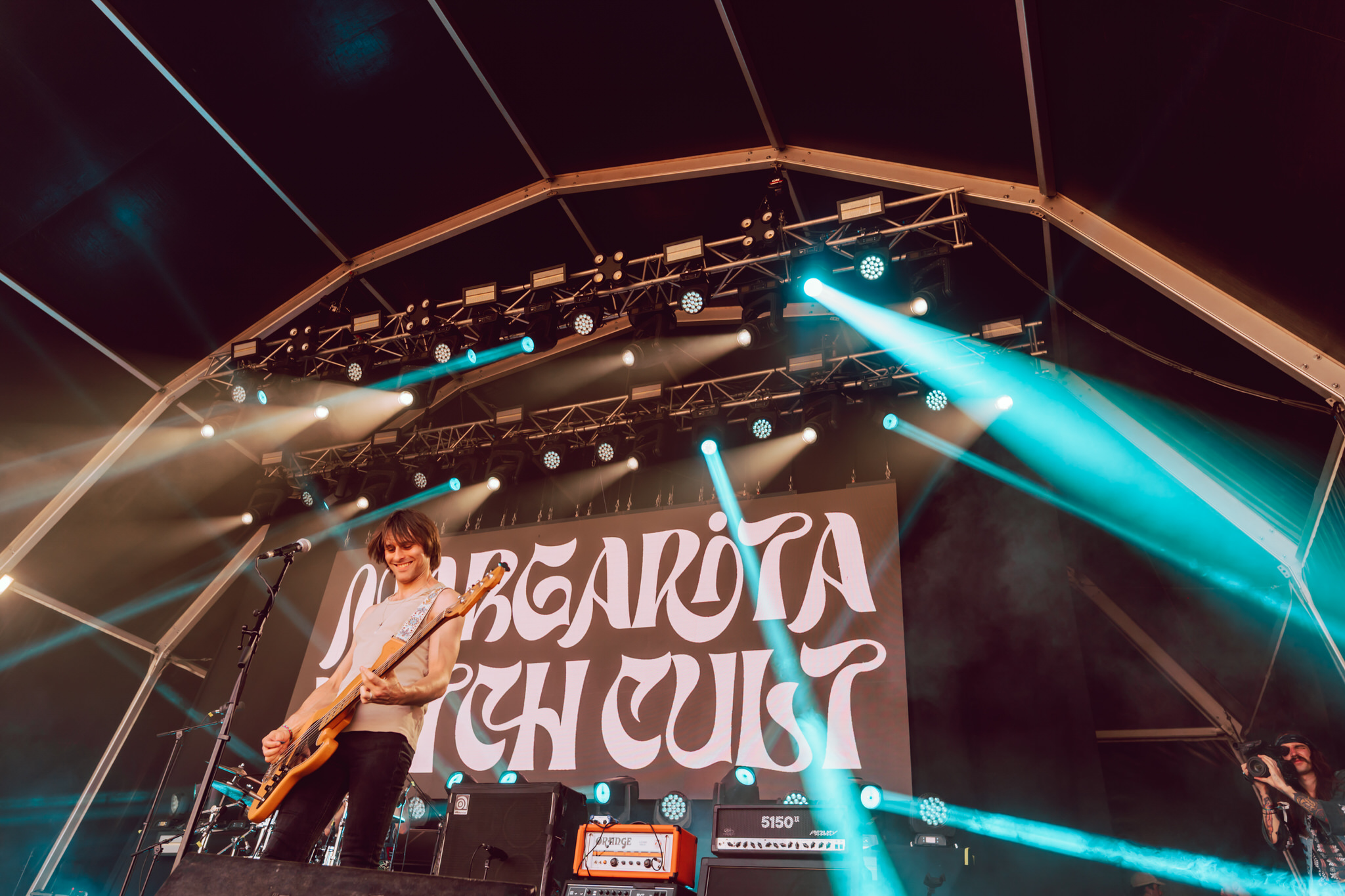
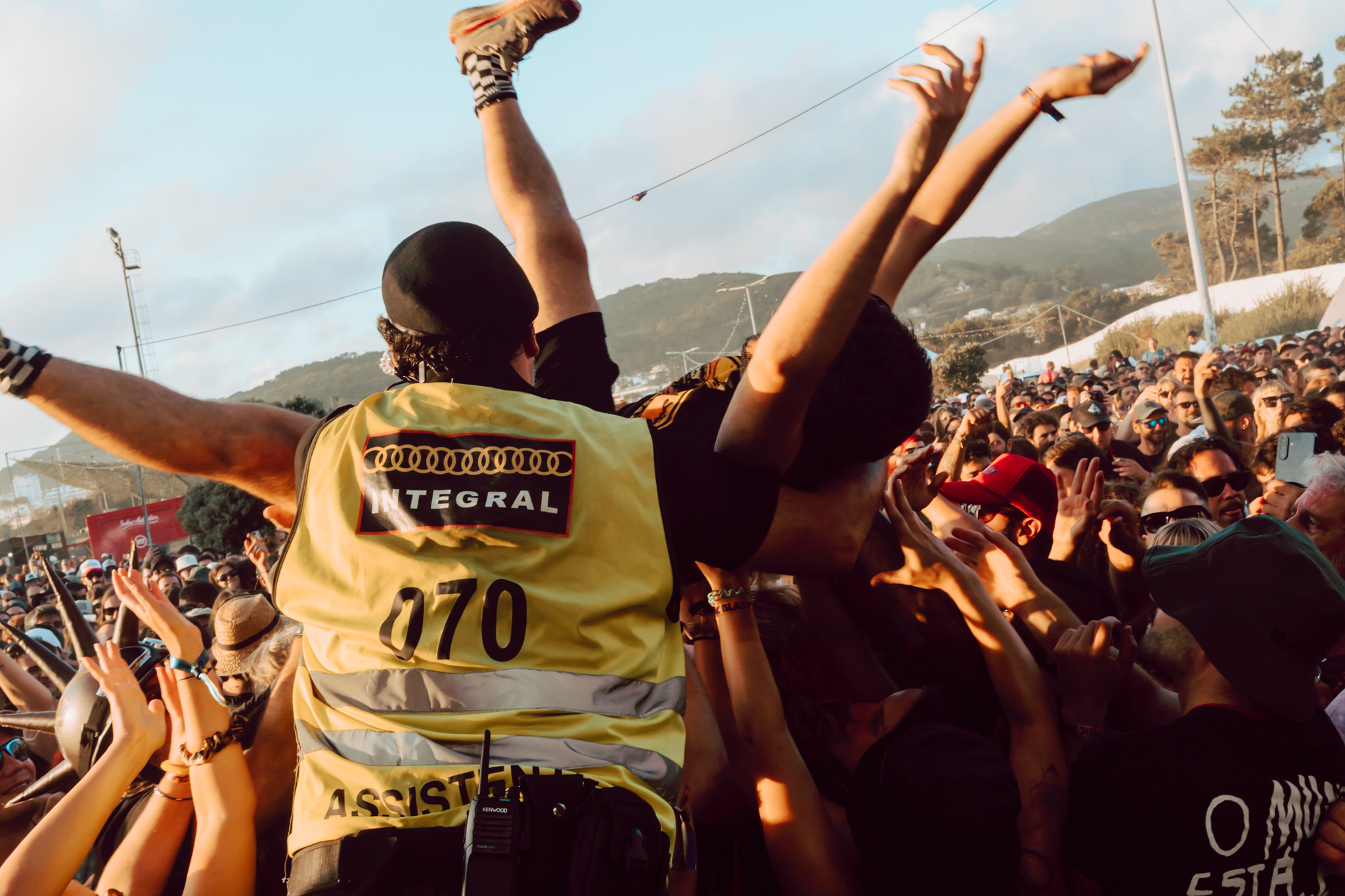
The final day opened to an eager, energetic crowd. Summer Of Hate and Primitive Ring got the early afternoon moving before Margarita Witch Cult brought heavy fuzz doom to the First Stage. Necrot delivered a dark, ferocious wake-up call on the Second Stage, blending old-school death metal with underground crust punk roots and urging security guards to get to work as crowdsurfers flooded the front. Greek stoner-rockers 1000mods ignited massive singalongs, paying tribute to Ozzy Osbourne with a cross bearing his name during “Overthrown,” while Teen Mortgage made a fierce Portuguese debut packed with strong political statements and earning enthusiastic cheers from the audience at the end.
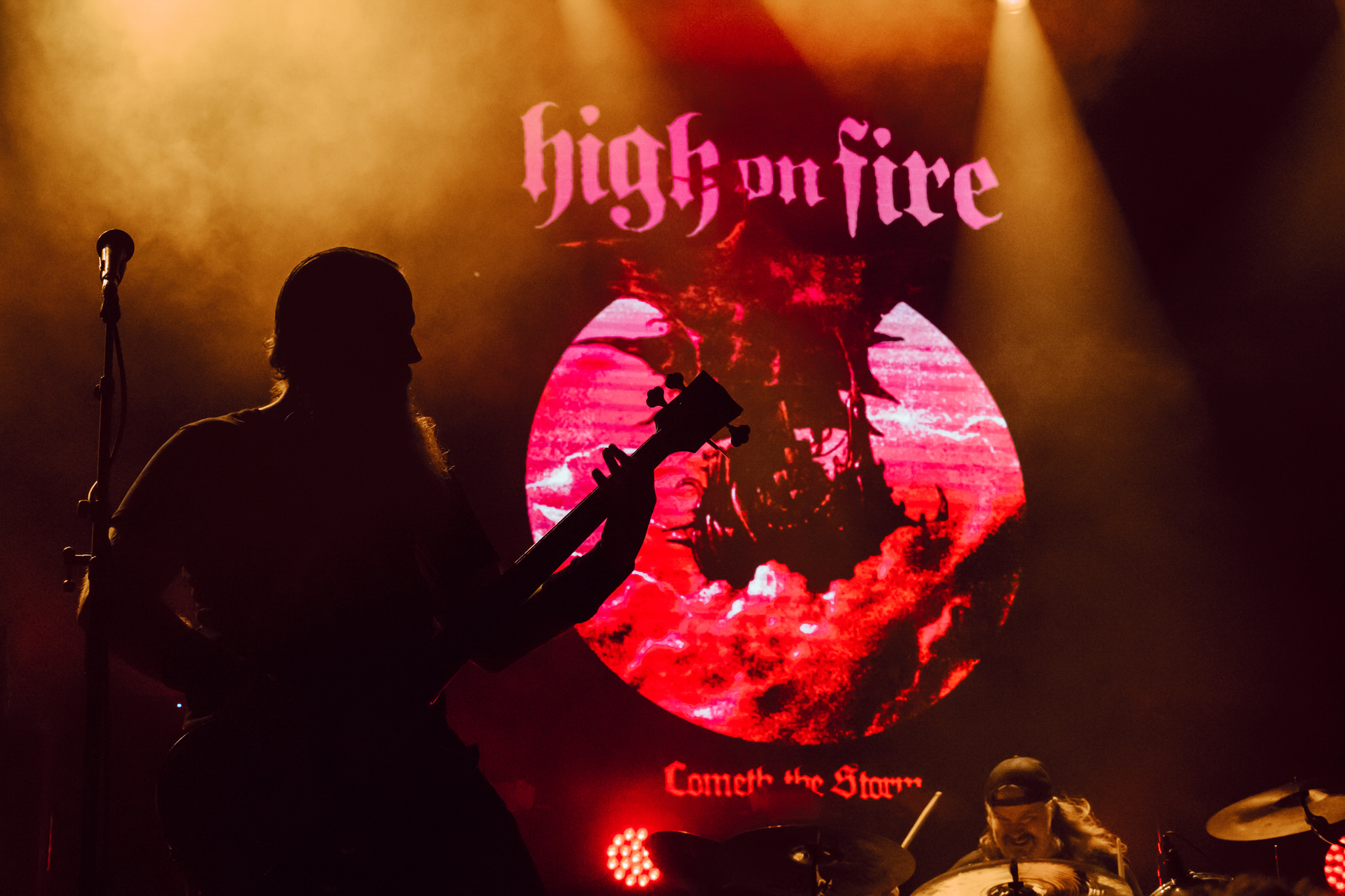
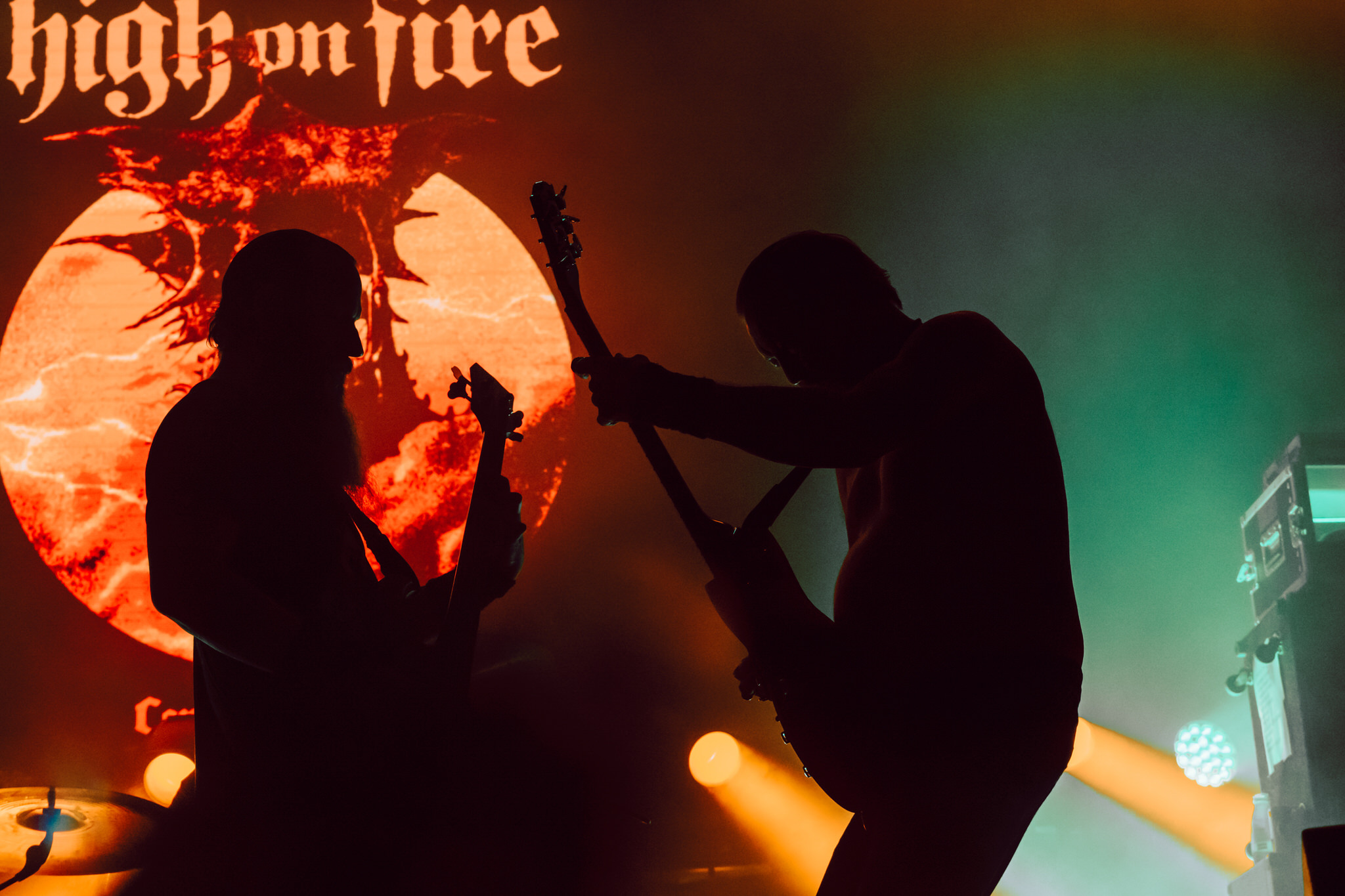
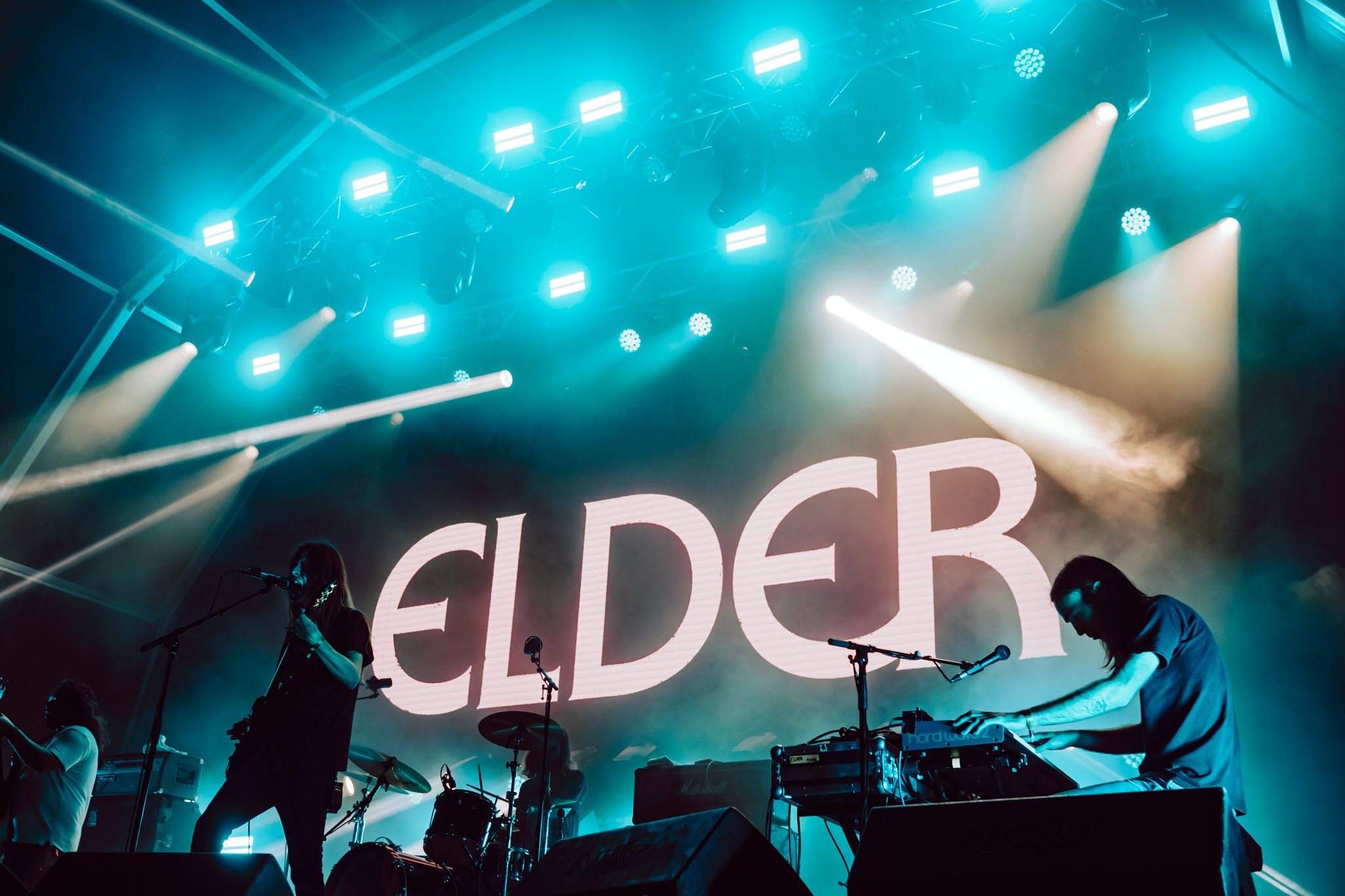
The battle for the day’s podium came down to two monumental First Stage performances: Elder captivated a spellbound audience with sprawling heavy psych riffs that sparked a non-stop wave of crowdsurfers, while High On Fire delivered an unstoppable performance featuring Converge drummer Ben Koller behind the kit. Following an electronic shift with ADULT. and a heavy doom debut from Early Moods – which survived a brief late-night rain shower – Ungraven brought the marathon to a close on the Third Stage with crushing sludge.
Counting Down to the 15th Milestone
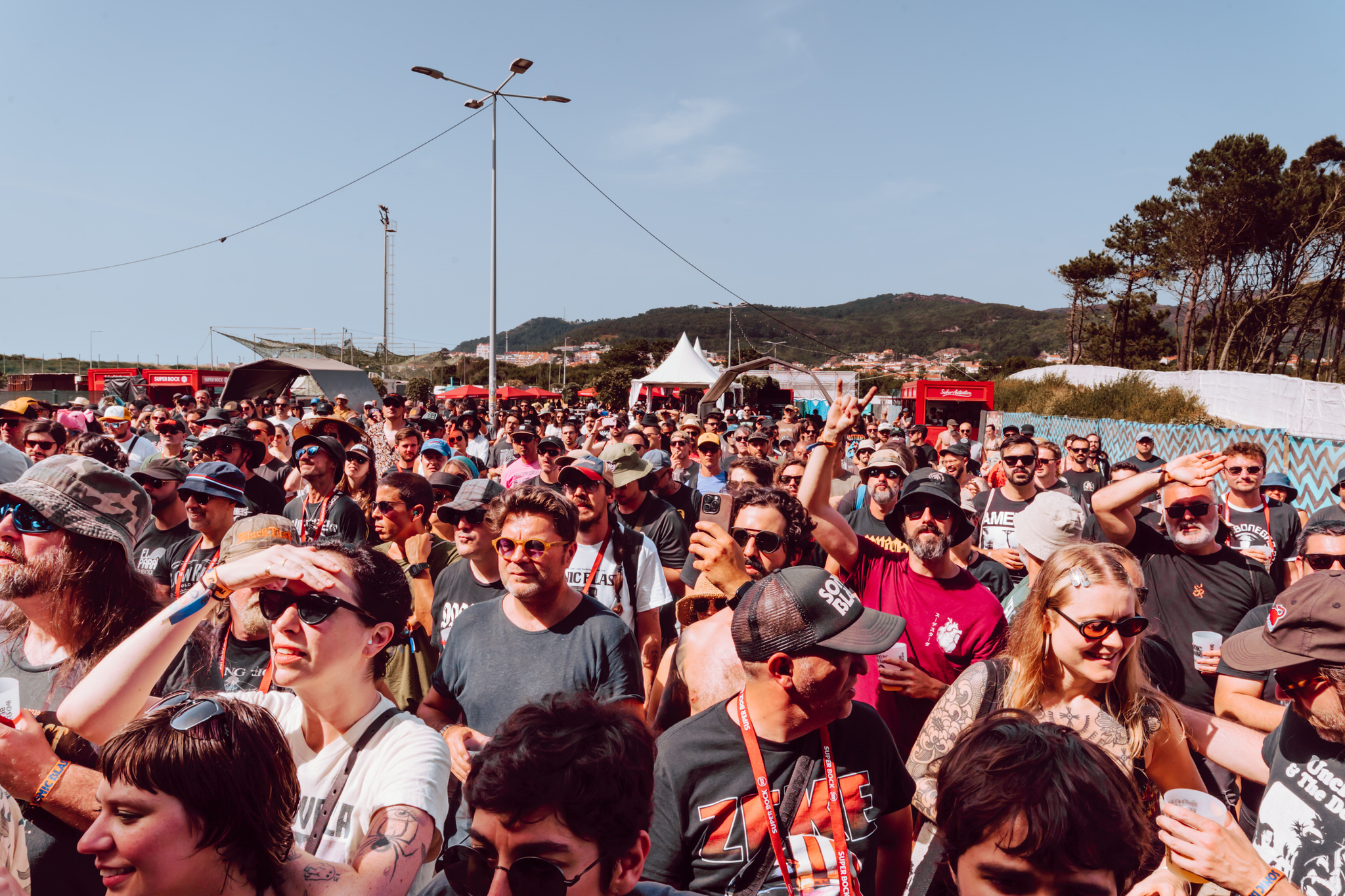
As the final amplifiers powered down and the hum of distortion faded into the early morning air, festivalgoers began their slow trek back toward the campsites and coastal roads. The 2026 edition succeeded not only in delivering dozens of world-class performances, but also in cementing the deep sense of community that turns this festival into a cherished annual ritual. Over four days, thousands of fans shared mosh pits, ocean dips, late-night dance parties, and heavy riffs, proving that the spirit of heavy underground music is as vital and unified as ever.
However, this edition also brought into focus the festival’s own phenomenal success. Year after year, Sonic Blast continues to experience exponential growth, and with another completely sold-out edition, the sheer density of attendees created noticeable friction during peak movement between stages. Highlighting the growing consensus among festivalgoers that the event may well deserve a venue upgrade – a larger, better-optimized space capable of accommodating its burgeoning crowd without sacrificing comfort or flow.
Now, as the dust settles and reality sets back in, everyone is already feeling the inescapable post-Sonic Blues. Leaving behind a trail of ringing ears, salt air, and unmatched memories, fans are already eagerly counting down the days until next Summer. All eyes turn toward the Portuguese coast once again, where Sonic Blast Fest will celebrate its landmark 15th anniversary milestone edition.
This is our final daily coverage of Sonic Blast 2026 at Praia da Duna dos Caldeirões,Vila Praia de Âncora.
words: Joana Coelho photos: Ricardo Silva
Opening the First Stage on the final day of Sonic Blast Fest, Summer Of Hate took on the challenge of kicking off the afternoon, stepping in for the previously announced Levitation Room. Performing to a smaller, early crowd that was clearly feeling the physical toll of a three-day marathon, the band gradually warmed up the audience as more festivalgoers trickled in, closing their set on a lively, high-energy note.
Over on the Second Stage, Primitive Ring drew a noticeably larger turnout. Bringing a potent mix of heavy, groove-driven riffs, their catchy hooks got the afternoon crowd moving and setting a more active pace for the day.
Margarita Witch Cult then took over the First Stage, greeted by a strong and eager crowd. Delivering their signature blend of heavy, fuzz-drenched stoner doom and classic heavy metal riffs, the band brought a noticeably more powerful sound to the stage. The frontman persistently encouraged the crowd to start headbanging, and the audience delivered in full force throughout the set.
Things took a dark and ferocious turn as Necrot stormed the Second Stage, unleashing a wave of dark, heavy energy that proved to be the exact wake-up call the crowd needed. Bringing an intense brand of old-school death metal deeply rooted in early underground crust punk, the band’s sonic weight hit with maximum impact.
Luca Indrio, their frontman, made a nostalgic nod to their 2018 show in Porto before driving the audience into wild circle pits, continuous mosh pits, and constant crowd surfing. Joking that the security guards hadn’t done anything all day and needed some work to do, the band proved that despite their style standing out from the rest of the festival line-up, extreme metal fits right into Sonic Blast’s diverse celebration of heavy music.
As the sun began to set, 1000mods hit the First Stage with maximum energy, instantly getting the crowd jumping to their infectious stoner-rock anthems. The Greek outfit commanded a massive response, with the audience singing along to every guitar riff in unison, throwing down wild circle pits, and crowding the front row with non-stop crowdsurfing.
Dani Go. (bass and vocals) jokingly claimed it was their very first time at the festival, later paying homage to Ozzy Osbourne during the track Overthrown, accompanied by a cross bearing the legendary musician’s name displayed on the background screen, before wrapping up a set packed with roaring singalongs.
Facing a brief ten-minute delay due to pedalboard technical difficulties, Teen Mortgage made their Portuguese debut on the Second Stage. Wasting no time, the duo opened their high-velocity garage-punk set with strong political statements, shouting “Free Palestine” and voicing clear support for women’s rights before blasting through a fast, aggressive performance that earned loud, enthusiastic cheers from the audience at the end.
As the grounds reached absolute capacity, Elder took the First Stage for one of the most anticipated sets of the entire festival. Without relying on lengthy public interaction, the progressive heavy psych titans unleashed a wave of colossal, earth-shaking riffs and soaring melodies, captivating the spellbound audience in a sprawling sonic journey that seemed to transcend the space-time vortex itself.
The sheer weight of their performance ignited a constant flow of crowdsurfers riding over the sea of hands, firmly positioning the set as a top contender for the best show of the day.
That battle for the day’s podium was fiercely shared with High On Fire, who delivered a pulverising, unstoppable performance on the First Stage. Featuring Converge drummer Ben Koller behind the kit, the metal titans didn’t need much stage banter as their crushing heavy riffs spoke for themselves. The crowd went wild – quite literally on fire – triggering intense mosh pits and a constant wave of crowdsurfers throughout the entire set.
Offering a complete change of pace on the Second Stage, Adult brought their dark electronic wave sound to the night. Featuring a dynamic duo of a female vocalist and a synthesizer player, their driving industrial beats had the late-night crowd dancing and moving to a completely different rhythm.
Past 2:00am on the First Stage, Early Moods made another memorable debut in Portugal, with the frontman immediately hyping up the crowd the moment he stepped into the spotlight. The doom/heavy metal band didn’t stop moving for a single second, also taking a moment to voice “Free Palestine.” Midway through their set, an unexpected burst of rain sent the majority of the audience running toward the covered Third Stage tent, but the shower was short-lived and the late-night party quickly resumed.
Closing out the festival at the Third Stage around 3:30am, Ungraven brought the marathon to an end. However, their slow, crushing sludge pace left some in the audience questioning whether it was the ideal choice to wrap up three days of non-stop, heavy concert endurance, as many fatigue-stricken festivalgoers struggled to keep up with the slow-tempo finish.
As the final amps powered down and the crowd began their slow trek home, another memorable chapter of Sonic Blast Fest drew to a close. Leaving behind a trail of ringing ears, ocean breezes, and unmatched memories, this edition laid the perfect groundwork for what lies ahead: next year, the festival will celebrate its landmark 15th anniversary, promising an unforgettable milestone edition that will undoubtedly bring the heavy music community together once again on the coast.
Our coverage of Sonic Blast 2026 continues. Tomorrow we will bring you the report of the festval’s last day.
words: Joana Coelho photos: Ricardo Silva
Day 2 of Sonic Blast 2026 kicked off at the Second Stage with Jesus The Snake, who mesmerized the early afternoon crowd with their hypnotic blend of progressive synth-rock and spacey passages. A decent crowd gathered to take in the performance, with many festivalgoers taking the opportunity to ease into the afternoon while still recovering from the intense marathon of Day 1.
Offering an immediate contrast, Hög took the stage with a barrage of fast riffs and heavy rock, injecting a burst of energy that quickly invigorated the fans as they arrived. Confirming that a new album is right around the corner, the band treated the crowd to a brand-new track from the upcoming record.
Over on the First Stage, the afternoon brought a sudden lineup change due to a last-minute cancellation by Dead Meadow. Stepping in on short notice were Australia’s Clamm, returning for their second performance of the festival after playing Day 1.
With the crowd initially taking advantage of the shaded areas to rest – and having already caught their set the day before – the turnout started modest, but the grounds filled up significantly as their punk-rock set unfolded, culminating in a well-deserved encore, devilering a performance that was considered by many as better than the day before.
Voivod drew a massive turnout, with the Canadian sci-fi thrash veterans instantly warming up the audience as they launched into a set that quickly generated headbanging and loud singalongs across the Second Stage. Despite the vocalist mentioning he was dealing with a headache, the band delivered a relentless performance, and energy peaked near the end with the musicians sharing fistbumps with fans in the front row.
Up next, Conan delivered a massive, intensely packed set. Bringing their trademark caveman battle-doom with crushing weight and agonizingly heavy vocals, the British trio had the crowd completely engaged from the first note. The performance triggered massive headbanging, continuous crowdsurfing, and a massive circle pit that tore through the crowd towards the end, all set against mesmerizing visuals projected on the backdrop.
Despite brief sound issues right at the start, street-punk legends The Casualties wasted no time tearing the Second Stage apart the moment they kicked off. Demanding movement from the get-go, the band ignited a wild circle pit by their second song, greeting the audience in Portuguese with a loud “Como vocês estão?”. The crowd responded with overwhelming enthusiasm as the frontman leaped off the stage, plunging directly into the middle of the pit before climbing back up to finish the chaotic set.
Hailing as one of the most anticipated acts of the entire festival, Kylesa made a triumphant return, hitting the stage with pure heavy sludge power. Delivering their charismatic, dual-drum-driven sound, the band marked the festival’s first performance led by a female vocalist. Expectedly for a Friday night, attendance peaked dramatically during their set, with the grounds feeling noticeably more packed than on any previous day.
Following a minor ten-minute delay – the first real schedule bump of the day – Turbonegro took the stage as the night’s absolute headliner. Dressed in their signature glam-punk style, surrounded by a sea of fans wearing sailor hats, the Norwegian deathpunk icons were met with an explosive reception. The band shared a brief nod to their history, with Thomas Seltzer recalling his first visit to Portugal 40 years ago, before tearing through a set that reached absolute euphoria when the entire crowd sang All My Friends Are Dead in unanimous chorus. Delivering an encore, the band delivered what was considered by the majority to be the best show of the day.
Deathchant kept the adrenaline at a maximum, stepping out to a fully packed Sonic Blast grounds. Pushing the crowd to give everything they had left, the heavy rock outfit delivered an explosive, raw set, highlighting their brand-new single Enemy – released that very day from their upcoming album Kova. Calling Sonic Blast their “home away from home,” the band fed off the audience’s unmatched energy.
Moving to the Third Stage at around 2:00 AM, Goya delivered heavy, fuzz-laden stoner doom to a remarkably large and surprisingly energized late-night crowd, keeping the festival’s heavy momentum rolling well past midnight.
Closing out the night at 3:00 AM, N8NOFACE delivered a wildly unique finale, blasting the grounds with a chaotic fusion of industrial electronic beats, synth-punk, and raw, growling vocals. Despite the extreme hour, the energy remained sky-high, turning the front of the stage into a massive, late-night dance party to wrap up an unforgettable Day 2.
Our coverage of Sonic Blast 2026 goes on and we keep bringing you daily reports of the festival.
words: Joana Coelho photos: Ricardo Silva
The first official day of the 2026 edition of Sonic Blast Fest opened with Free Ride that stepped out to a remarkably full Third Stage right from the early afternoon. Delivering a set packed with psychedelic, stoner-tinged heavy rock, the band drew intense headbanging and a great reception from the crowd, making for a perfect festival kickoff.
Meanwhile, travel-related logistical issues with Clamm caused a last-minute schedule shift, leading Elephant Tree to step up and play an earlier slot. Due to health issues that prevented guitarist Jack from traveling, the British group was forced to perform as a trio.
Even without their usual vocal harmonies and offering a raw, stripped-back take on their signature melodic stoner/sludge sound, the band offered a sincere apology for the situation, and the sympathetic crowd welcomed the performance with open arms.
When Clamm later took to the Second Stage, the Australian group brought their energetic fusion of punk and garage rock, unleashing high-octane, danceable riffs full of attitude as the grounds and the audience were just beginning to warm up.
Trash Talk ultimately crowned themselves as the standout band of the day in what was their absolute debut in Portugal, drawing a significantly larger crowd. A quick question from the frontman during the set revealed that the vast majority of those watching were international festivalgoers.
The blistering speed of their hardcore unleashed the day’s first and most intense mosh pits. The interaction was relentless: the vocalist managed to get nearly the entire crowd sitting on the ground, commanded massive circle pits, and threw himself into the pit multiple times, with the guitarist joining the chaos as well. The peak moment arrived near the end when the frontman crowd-surfed all the way from the accessible viewing platform back to the stage.A performance many hailed as the show of the day.
Bringing midnight straight into the daylight hours, the trio Midnight never slowed down for a single second. The vocalist/bassist kept up constant banter, kicking things off by handing out two beers to the front row the moment he stepped on stage.
Packed with jokes, he encouraged fans to storm right into the photo pit to enjoy the show without hesitation, and later had the entire crowd belting out a massive singalong to Satanic Royalty. The energy reached its absolute peak when they dropped You Can’t Stop Steel four tracks in, keeping the crowd’s adrenaline at maximum capacity until the final note.
The explosive powerhouse Frankie and the Witch Fingers then took over with their infectious mix of psych-rock, fierce garage, and funk-infused stoner grooves. Driven by heavy riffs, rapid rhythms, and mesmerizing virtuosity, they set the mood perfectly for the evening ahead.
As the night settled in Deafheaven took to the First Stage to deliver what turned out to be one of the most acclaimed sets of the day, easily rivaling Trash Talk for the top spot. Blending hypnotic soundscapes with an intense, restless physical performance where no musician stood still for a second, the frontman controlled the audience like a master puppeteer without needing lengthy speeches.
As the only band of the festival so far to perform an encore, their set featured continuous mosh pits and a massive circle pit. Closing out the show, the vocalist confirmed they would return to Portugal with new music, teasing a new album on the horizon.
Sharing the First Stage Chat Pile performed for a crowd that was starting to show signs of fatigue, yet still responded enthusiastically to the band’s crushing sound. The spotlight was entirely on the frontman, who maintained non-stop interaction with the crowd, delivering a set filled with movie trivia and a vibe akin to stand-up comedy.
Closing out the Second Stage, Snapped Ankles divided opinions across the grounds. Coming out of the London post-punk scene with a post-apocalyptic, experimental edge, the group delivered danceable, tribal beats while clad in their signature forest-spirit outfits adorned with lights. Their frontman interacted heavily with the audience, venturing off the stage and stepping directly into the middle of the crowd to share the energy up close.
Returning after their appearance the night before, Bongzilla delivered a rock-solid set, though their slower, dragged-out sludge passages felt heavier on an audience dealing with late hours and long hours of continuous music.
Well into the early morning hours, Argentina’s Mephistofeles brought their dark, fuzz-drenched doom and stoner riffs with a heavy Electric Wizard vibe, proving to be one of the most anticipated acts of the night despite the late hour.
To close out the day’s marathon, Portugal’s Madmess were welcomed with a storm of cheers and enthusiastic applause. Presenting their progressive psychedelic rock filled with sprawling instrumental journeys and cosmic solos, they proved the incredible endurance of the festival’s crowd, even with a set time starting at 3:30am.
By the time the final feedback faded into the night air, Day 1 had cemented Sonic Blast 2026 as a relentless celebration of heavy music, leaving a exhausted yet hungry crowd ready for whatever chaos the next days would bring.