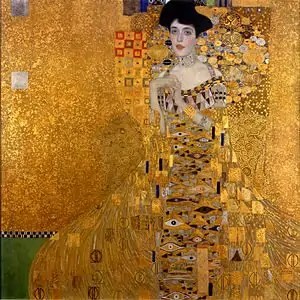
Gustav Klimt – Portrait of Adele Bloch Bauer I, 1903-1907
Field Notes – Porto, The Mountains, and Human Crossings my new post on The Polymath site https://www.thepolymathisme.com/ is a lived note on Porto, exhibitions, transport hubs, mountains, symbolic conversations, creativity, and the unexpected human crossings that open new possibilities, and of how, often, the path appears afterwards. It can be read here.
The News Cycle Attention Loop and The Nervous System is a post on The Listening Room HQ – my men’s practice – about the news cycles, attention loops, and nervous system overload. Of how constant information streams and updates shape how we think, feel, rest and its effect on everyday life. You can read it at The Listening Room HQ site site .
My radio show Amazing Songs & Other Delights #95 – edition was broadcasted Monday 20th and 27th April, 2026, 3-4pm (London time) on Yé Yé Radio: yeyeradio.com and is now available on mixcloud.
Amazing Songs & Other Delights #95 – The Of Light & Gentleness edition is, as the title says, a programme that mostly revolves around light in different ways, and gentleness. You can read more about the show here.
Tracklist:
01: José Gonzalez – The Light
02: The New Pornographers – Pure Sticker Shock too
03: Francisco Fontes – Copiloto
04: Laurie Shaw – Chimney Breast
05: Kevin Morby – Badlands
06: Stone Dead – Plasticine
07: Bruce Springsteen – Rainy Night In Soho
08: Tinariwen – Imidiwan Takyadam feat. José Gonzalez
09: Butler-Black-Grant – Not Alone
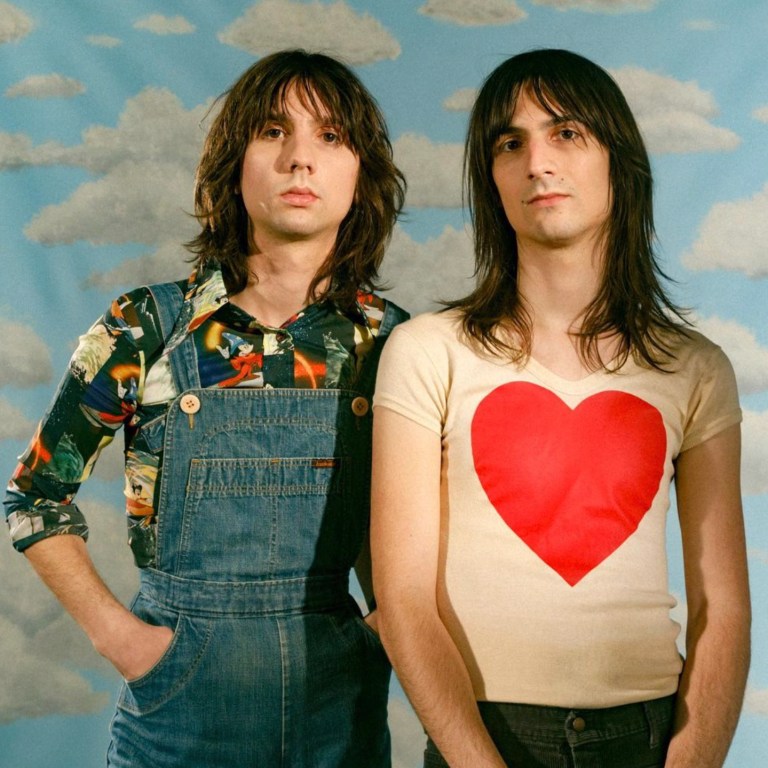
10: The Lemon Twigs – I Just Can’t Get Over Losing You
11: Michael Weston King – Nothing Can Hurt Me Anymore
12: Red Sun Atacama – Sundown
13: Hanemoon – We Didn’t Know
14: Baby Suicida – Se Me Deixares, Eu Digo
15: The Dharma Chain – Clockwork
16: Special Friend – Isolation
All previous shows on mixcloud:
Tracklist: 01: José Gonzalez – The Light 02: The New Pornographers – Pure Sticker Shock too 03: Francisco Fontes – Copiloto 04: Laurie Shaw – Chimney Breast 05: Kevin Morby – Badlands 06: Stone Dead – Plasticine 07: Bruce Springsteen – Rainy Night In Soho 08: Tinariwen – Imidiwan Takyadam feat. José Gonzalez 09: Butler-Black-Grant – Not Alone 10: The Lemon Twigs – I Just Can’t Get Over Losing You 11: Michael Weston King – Nothing Can Hurt Me Anymore 12: Red Sun Atacama – Sundown 13: Hanemoon – We Didn’t Know 14: Baby Suicida – Se Me Deixares, Eu Digo 15: The Dharma Chain – Clockwork 16: Special Friend – Isolation
words: António Carvalho (edited by Raquel Pinheiro) photos: António Carvalho
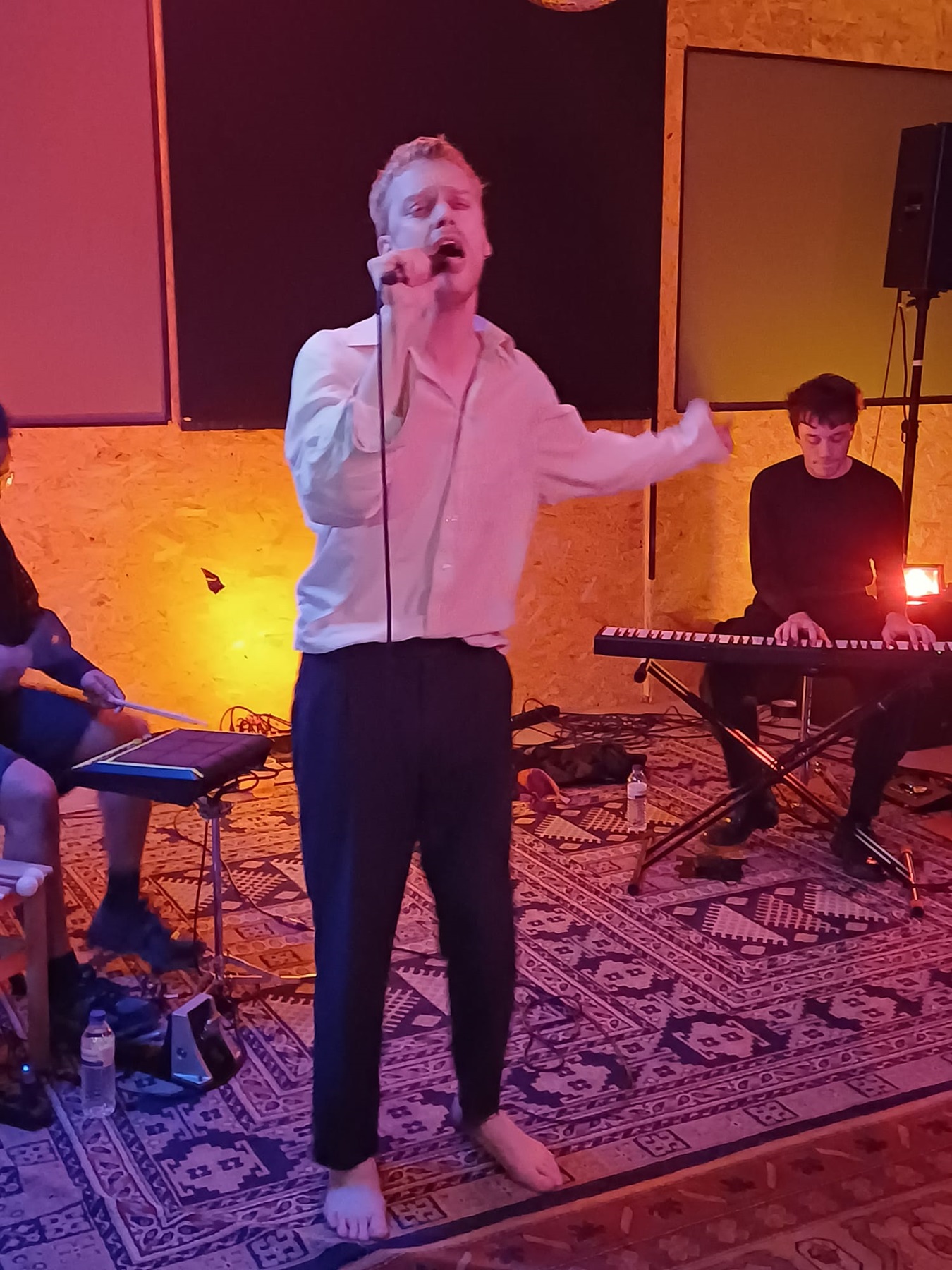
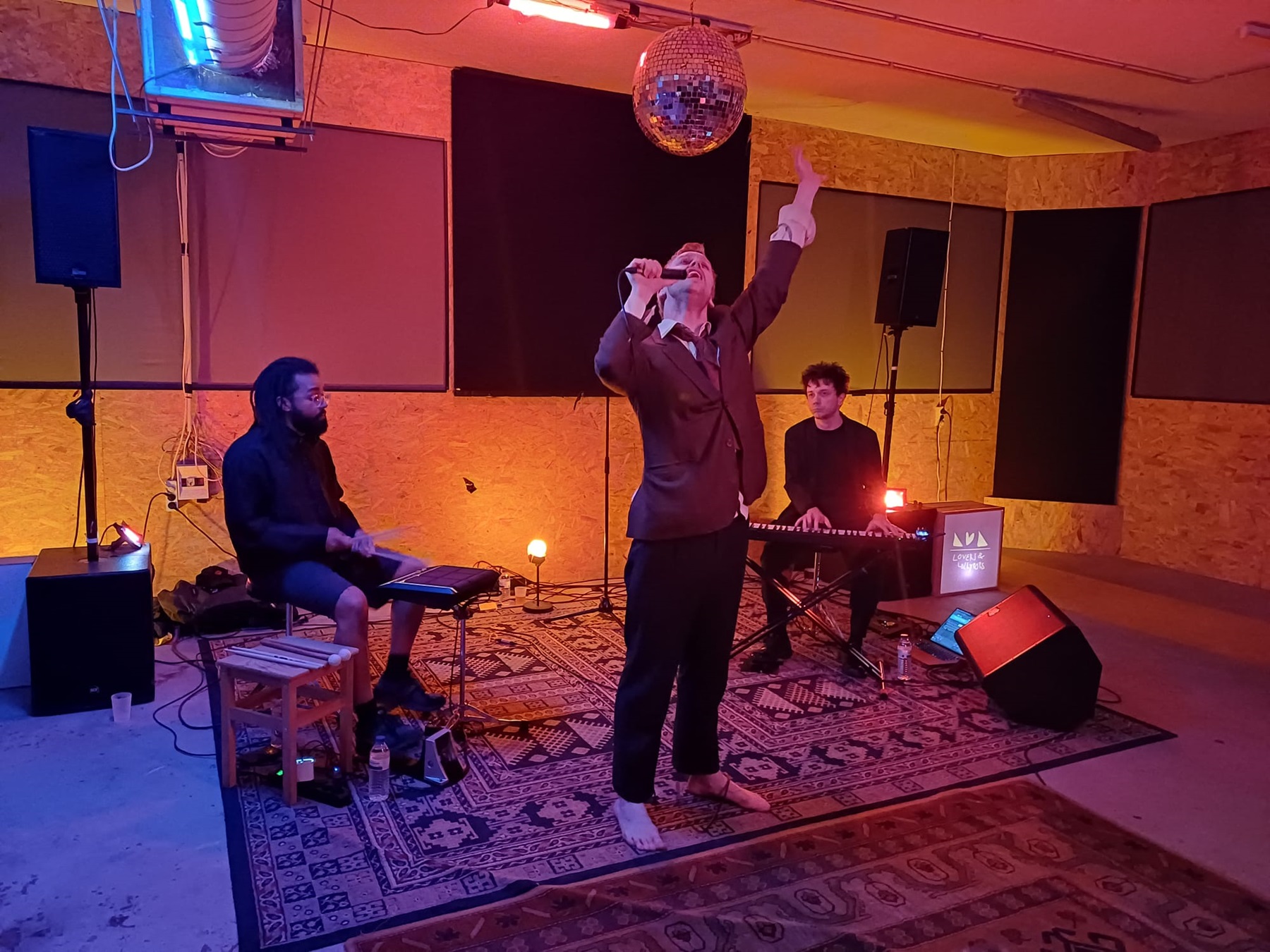
Attending a concert by Canadian singer-songwriter Sean Nicholas Savage is like discovering a hidden gem. The modest stage of Lovers & Lollypops seemed too small for everything he delivered in just over an hour.
His exuberant presence, his larger-than-life poetry, his attention towards the audience, his virtuoso and expressive voice are just parts of a larger whole that is difficult to describe. His electronic pop, heavily indebted to the eighties, reveals itself as confessional, honest and with a dose of apparent naivety, where joy and melancholy, loss and gain, mystery and revelation, pleasure and pain coexist, sometimes within the same song.
Whether in ballads or upbeat music, the classic themes of love – the euphoria of passion, the discovery of the other, the broken hearts – are dominant and served in catchy and well-crafted melodies, like many of the pop classics. Sean’s excellent technical mastery of his voice, including a delightful falsetto, doesn’t take away any of the moment’s authenticity, as if he were pouring his heart out and offering it to the audience.It was almost impossible to take your eyes off this magnetic, barefoot figure.
Besides the privileged ones in the audience, Clara Phends on synthesizers and Max-Elie Laroche on electronic drums joined him in this brief, intimate journey. Sean covered a representative sample of his prolific discography, with some emphasis on his latest album The Knowing, a record he is very proud of, so he told me after the concert.
He even granted a request from the audience, performing half of Chin Chin, and finished with one of his favourites, the single It’s Happening. Thank you, beautiful freak!
There’s a photo gallery of the concert on our Instagram
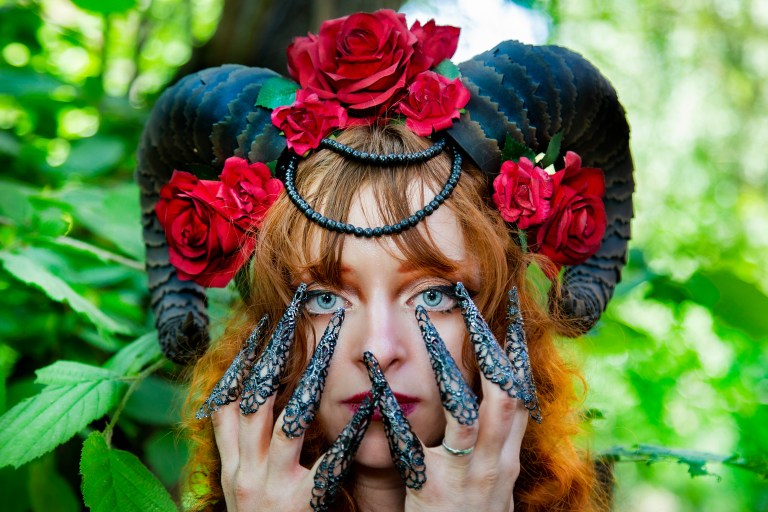
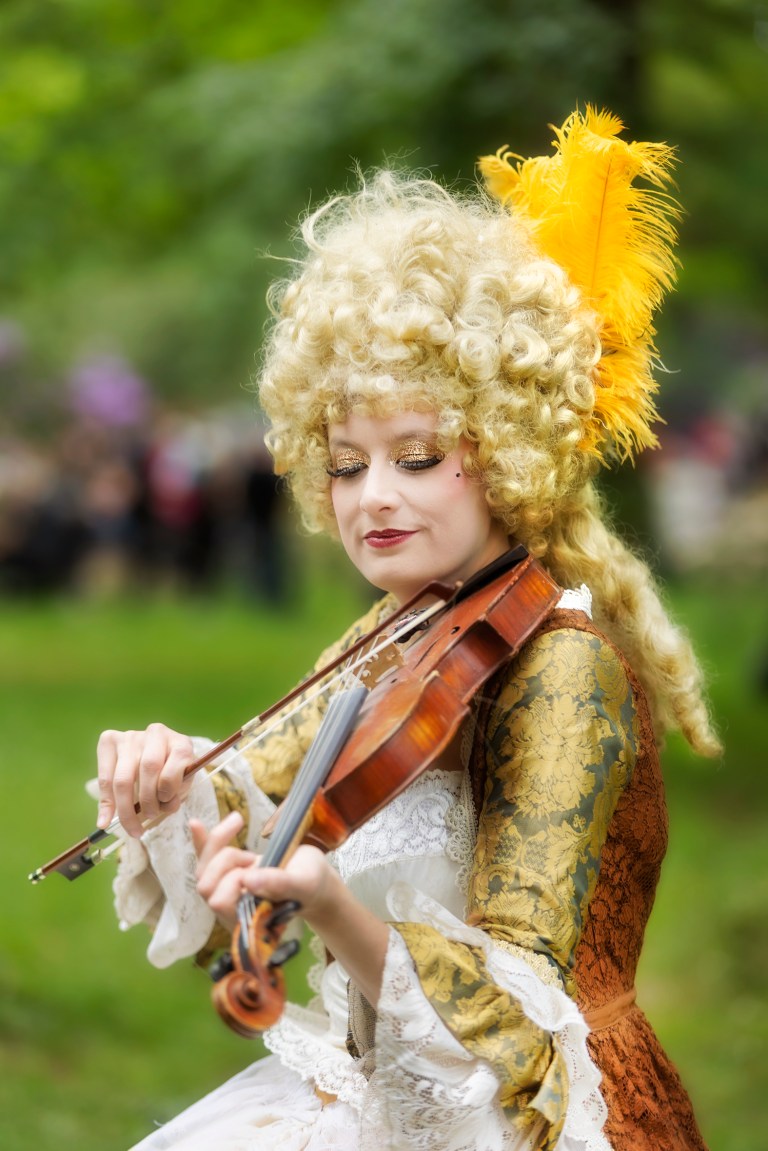
We have been attending Wave-Gotik-Treffen, in Leipzig, since 2019 – minus the pandemic years – and 2026 is no exception.
As usual, Wave-Gotik-Treffen will be captured through the lens of Gustavo Hochman this year supported by image editor Milena Katzman.
Wave-Gotik-Treffen is the world’s largest gothic festival. It also includes Punk, Rivethead, Romanticism, Steampunk, Victoriana and other alternative and subcultures.
words: António Carvalho (edited by Raquel Pinheiro) photos: António Carvalho & Telma Mota
A Noite do Cometa (The Night of the Comet Night) was a collective and multidisciplinary event planned by Rui Garcia some time ago. It aims to be an immersive underground culture experience, with bodies and minds present and stimulated.
The chosen location, like the format, is unconventional, belonging to a coworking space that was adapted for the purpose, where a somewhat mysterious corridor preceded the main chamber. Several stylized artistic and visual installations accompanied the entire night.
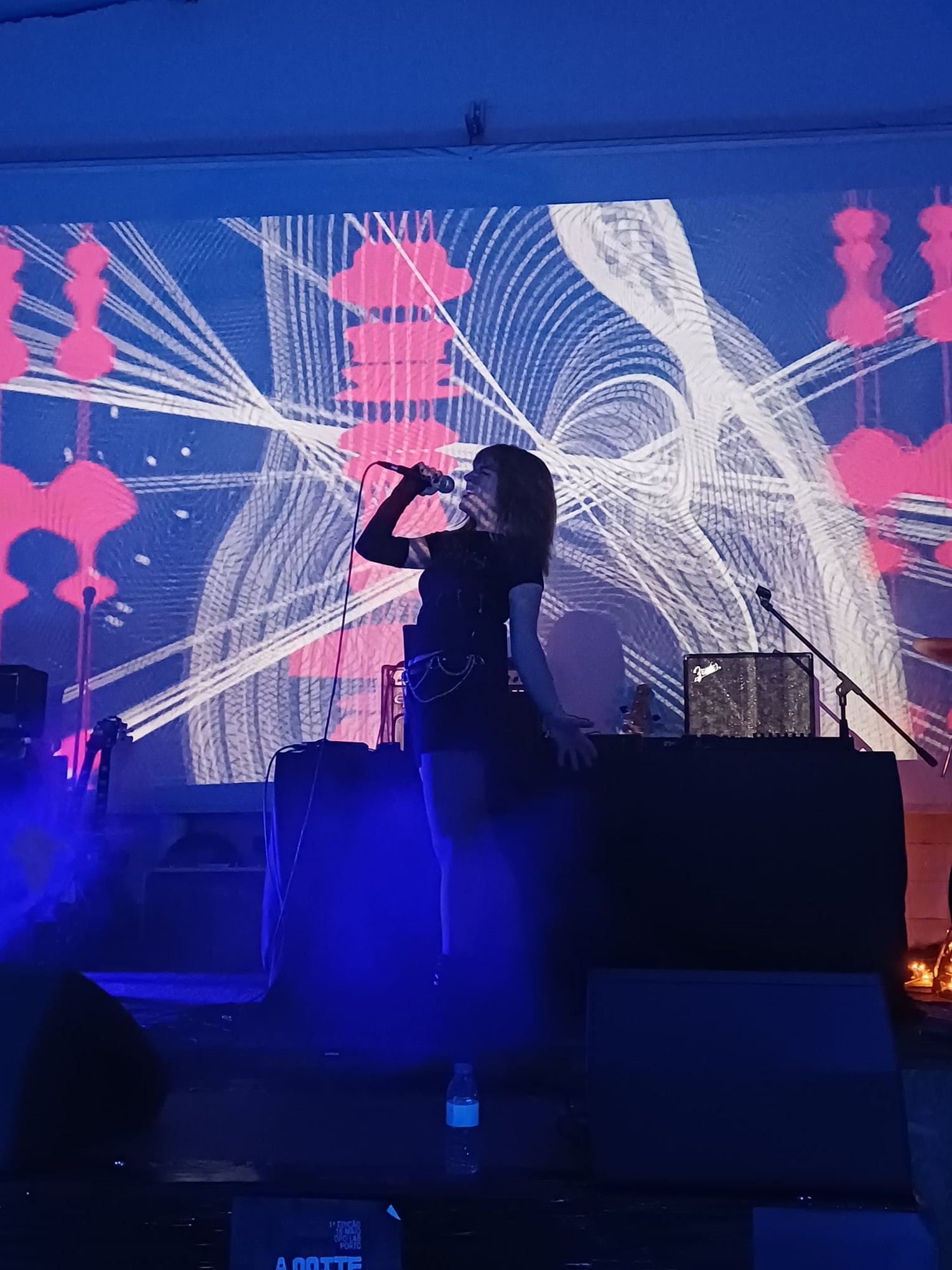
The musical part was continuous, with DJ sets by A Boy Named Sue and Rodas alternating with concerts. The first performance on stage was by Gabci, author of an energetic one-woman show. Her well-trained voice, sometimes pop, sometimes in riot girl mode, is laid on a set of danceable rhythms and electronic melodies and atmospheres, filling the room along with her strong presence.
The concert ended with Inner Void, a duet with Cunhal Caveira.
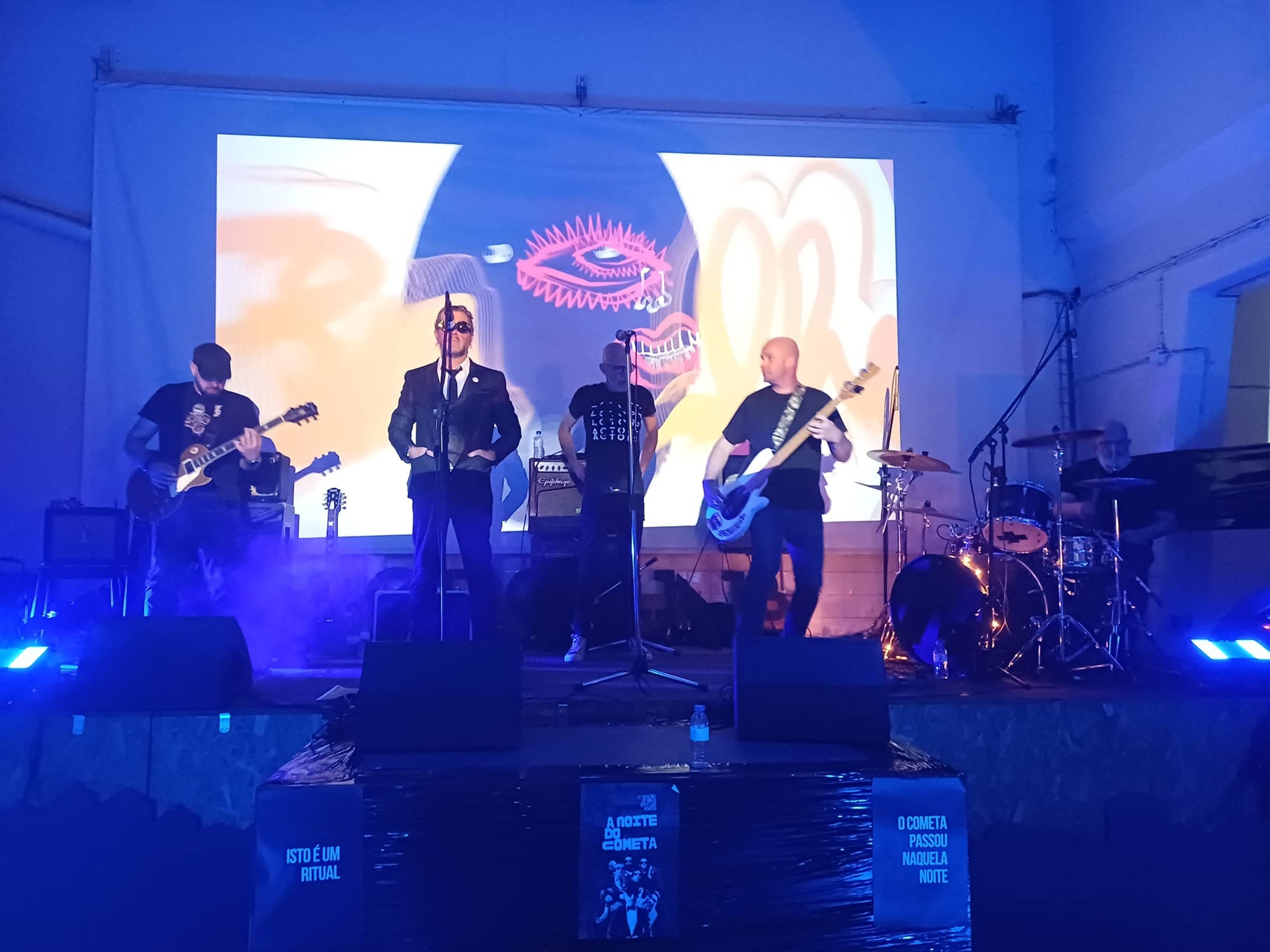
Bulha, the band that includes organizer Rui Garcia, took to the stage shortly after the announced time. The pure energy of rock, guaranteed by the trinity of drums, bass, and guitar, is combined with a strong social and political message delivered by the two vocalists, who complement each other in register (between singing and declamation) and in posture, between the confrontation of Pedro Vasco Oliveira and the theatricality of Paulo Carmona. It was impossible to remain indifferent to this performance.
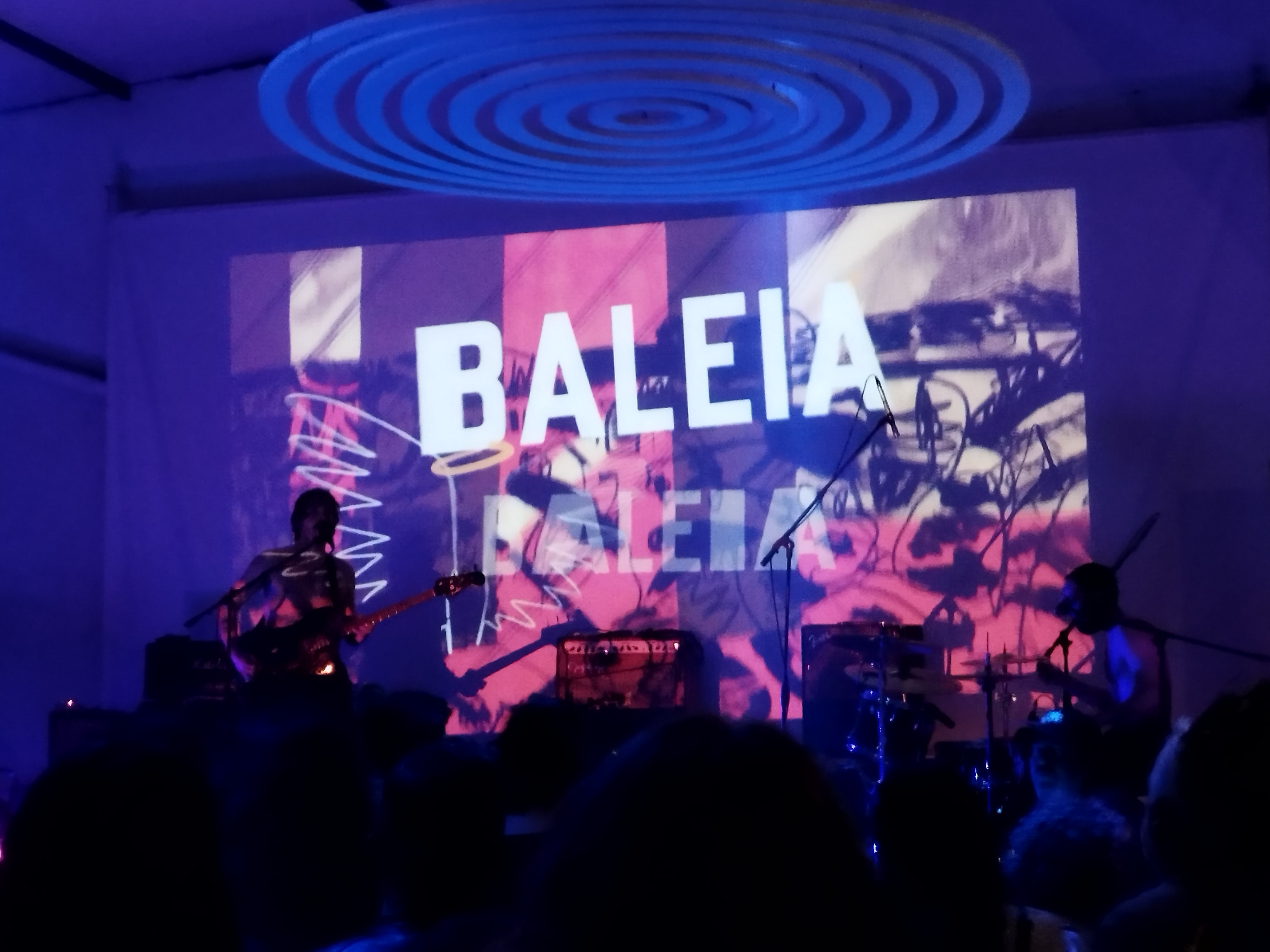
The last band was Baleia Baleia Baleia, already well known for their concerts, a dimension where they truly shine. The appeal is constant, whether through the verbal incitement of Manuel Molarinho, who moves among humor, love, and a lef-wing stance, or through the danceable punk imprinted by Ricardo Cabral’s drums and Molarinho’s distorted bass.
The result is a commotion in the audience, complete with mosh pit, mass chants, and an apotheotic ending with the band descending into the crowd and chanting “We can shout: let it pass!”, from Exorcismo.
The success of this event proves that, where there’s a will, there’s room and an audience for other ways of showcasing what’s happening in Porto’s underground culture. We look forward to the next edition.
There’s a photo gallery of A Noite do Cometa on our Instagram.
words: António Carvalho (edited by Raquel Pinheiro) photos: Vítor Neves
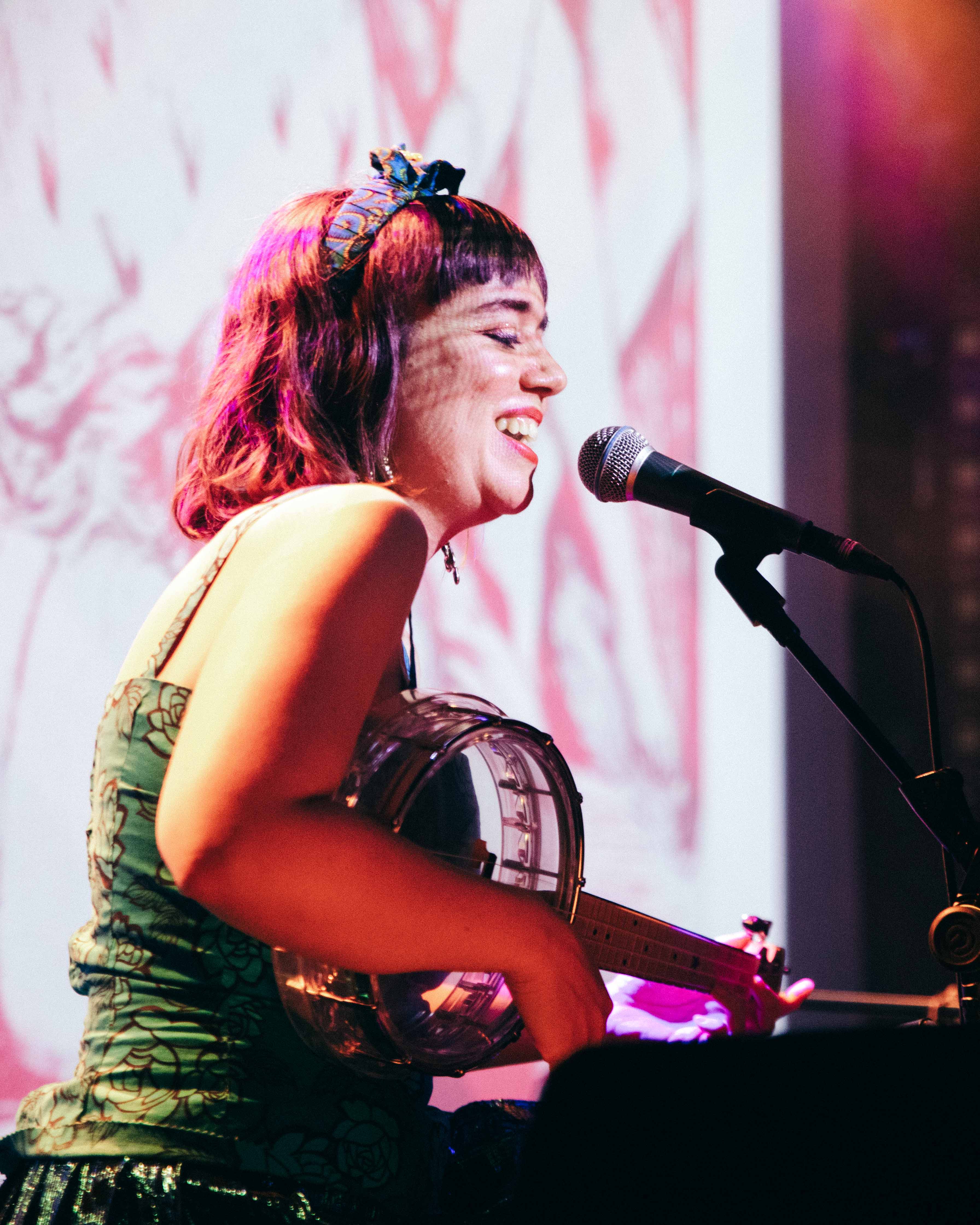
Rita Braga says that, despite living in Porto since 2011, she doesn’t play often in her adopted city. She has traveled physically and musically to many corners of the world, but her latest album, Fado Tropical which she presented live at Rádio Clube de Agramonte is her first album entirely sung in Portuguese.
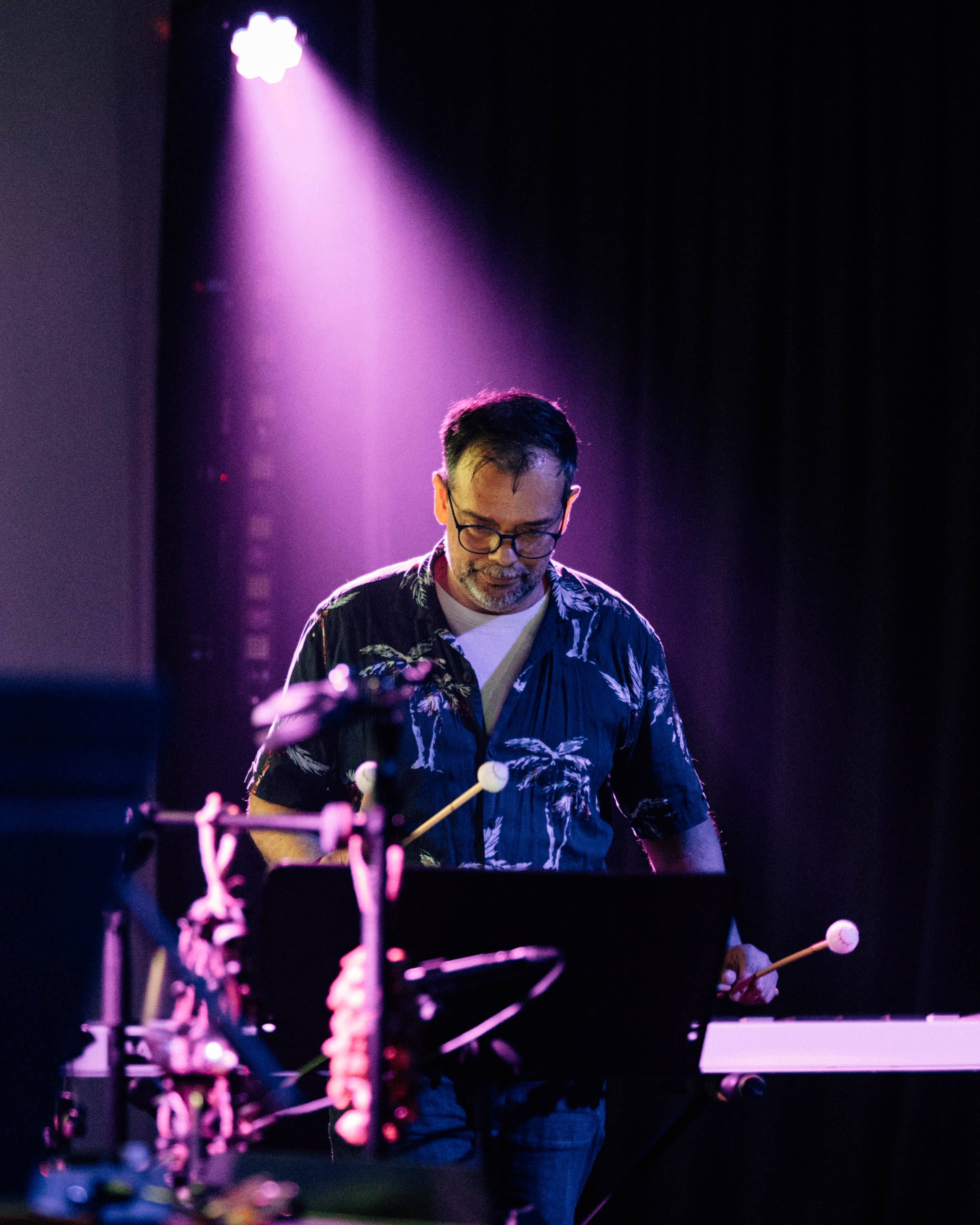
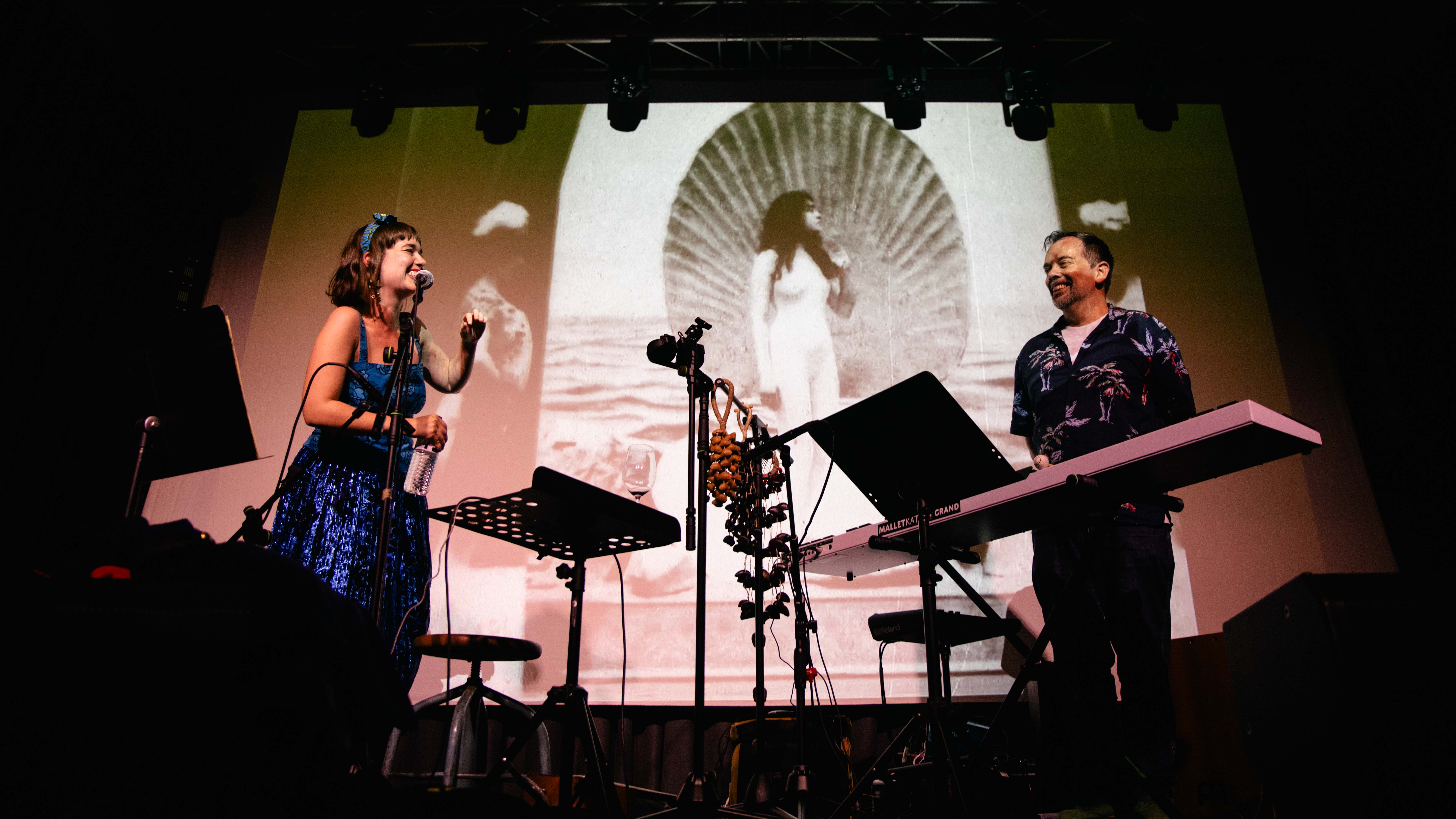
In the small spaces between songs, Rita explained its concept to the audience. She went back to the history and origins of fado, drew inspiration from research and literature dedicated to this theme (mainly A triste Canção do Sul), and brought many songs from that era (late 19th and early 20th centuries) back to the present day and to her peculiar style. The exotic mix of old melodies with instruments foreign to traditional fado (Rita’s inseparable ukulele, and Rui Rodrigues on the marimba, percussion, electronics, and the banjo) is harmonious, continuing to prove that fado is a permeable language.
The projected images reflect this coexistence of eras, alternating between photos, posters, and period articles with black and white portraits of Rita, as well as her stage pose (that of old fado singers) and attire. Her high-pitched, fresh, and somewhat unpretentious voice, without the mannerisms and virtuosity often associated with fado, revives songs performed by Ercília Costa, Maria Alice, and Hermínia Silva in the 1920s and 1930s, where it is clear that several themes remain very relevant today.
A version of the classic Chão de Estrelas was also heard, accompanied by an old recording of Armandinho’s guitar, establishing a link between fado and its possible Brazilian origins.
At the end, Rita presented us with one of the original songs from the album, based on a poem by Catarina Santiago Costa. Special mention should also be made of the other musician on stage, Rui Rodrigues (or “Pacheco III,” as Rita nicknamed him, as a reference to Hermínia Silva’s guitarist).
there’s a short reel and a photo gallery of the concert on our Instagram.