After more than a year and a half without shows, each concert without social distance and without the corporal muzzle of chairs is worthy of celebration. This was one of those moments.
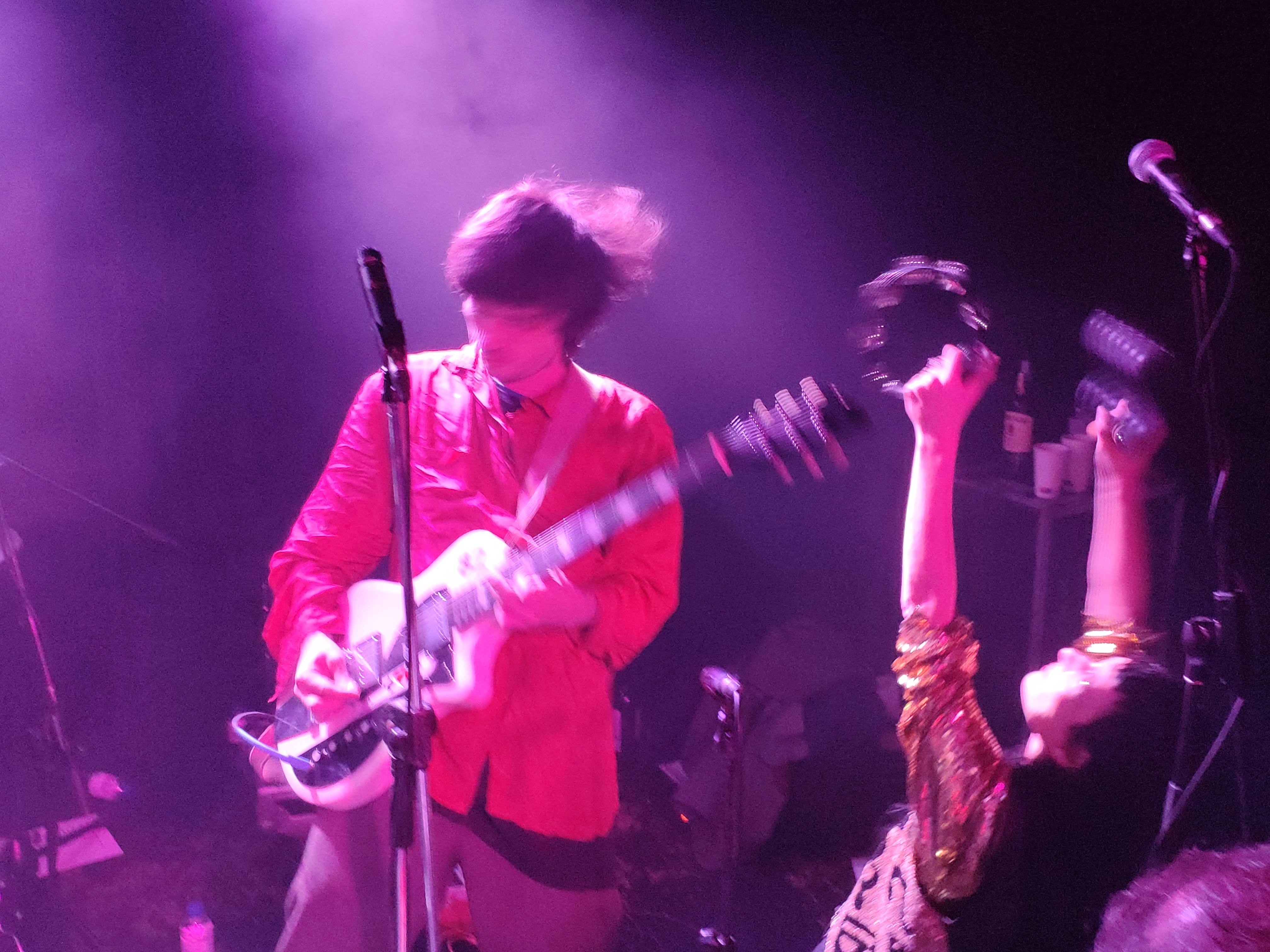
Back in Portugal, the presence of the Black Lips marks a happy and awaited moment, this time at Maus Hábitos.. The house filled aficionados warmly welcomed the quintet from Atlanta. Once the stage taken, the band poured the contagious Sea of Blasphemy (Let It Bloom, 2005), a song that has been opening their concerts.
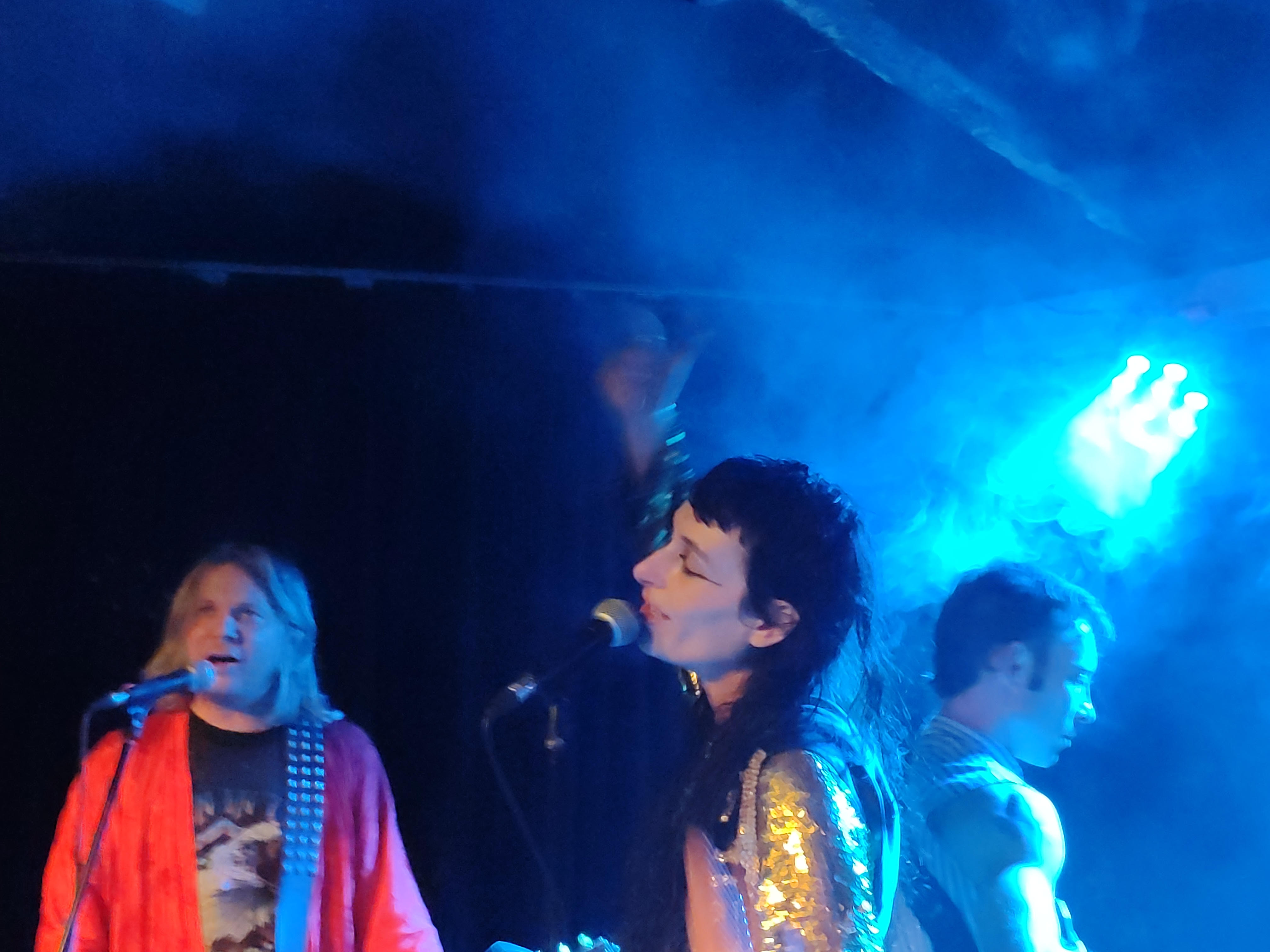
Militants of a musical honesty that dives into the happy protopunk heritage of the 60s garage bands, entwined with country-folk and whatever other references you may want to add, the indomitable Black Lips proposed a generous menu, revisiting some of their nine albums with songs like Family Tree (Arabian Mountain, 2011) warming the room.Look Here Satan (a version of 1960s Tired of Satan by the obscure Wayne, Pat & Keith) was happily preached with country sauce, followed by an electrifying Modern Art (2011) softened by the return to country-folk territory with Georgia, from the latest album Sing In a World That’s Falling Apart (2020), the most revisited during the concert.
Authentic and without stylistic pretentiousness, the Black Lips flooded the room with infectious energy, albeit without the turbulent chaos of yesteryear. As an epilogue they ended, lest anyone be fooled, with a delicious cover of Wild Man by The Tawrons (1966).
Depois de mais de ano e meio sem espetáculos, cada concerto sem distanciamento social e sem o açaime corporal das cadeiras é digno de celebração. Este foi um desses momentos.
Regressados a Portugal, a presença dos Black Lips assinala um momento feliz e aguardado, desta feita nos Maus Hábitos. A casa cheia de aficionados acolheu calorosamente o quinteto de Atlanta. Ocupado o palco, despejaram o contagiante Sea of Blasphemy (Let It Bloom, 2005), tema que tem inaugurado os seus concertos.
Militantes de uma honestidade musical que mergulha na herança feliz do protopunk das garage bands dos 60s, entrançada com country-folk e uma série de referências que lhes queiram acrescentar, os indomáveis Black Lips propuseram uma ementa generosa, revisitando alguns dos seus nove álbuns com canções como Family Tree (Arabian Mountain, 2011) a aquecerem a sala. Look Here Satan (versão do tema Tired of Satan, da autoria de uns obscuros Wayne, Pat & Keith, nos finais dos anos 60) foi pregado alegremente em molho country, seguido de um eletrizante Modern Art (2011) suavizado.
Out of the ordinary, this review took longer than usual. It matches the out of the ordinary, in a good way, concert by Old Jerusalem, Saturday October 2nd at M.Ou.Co, a new hotel in Porto, that has a concert room. The concert come with many firsts, my first time at M.Ou.Co, my first time in a room with so many people close to each other audience since the pandemic, my first Old Jerusalem concert in a while.
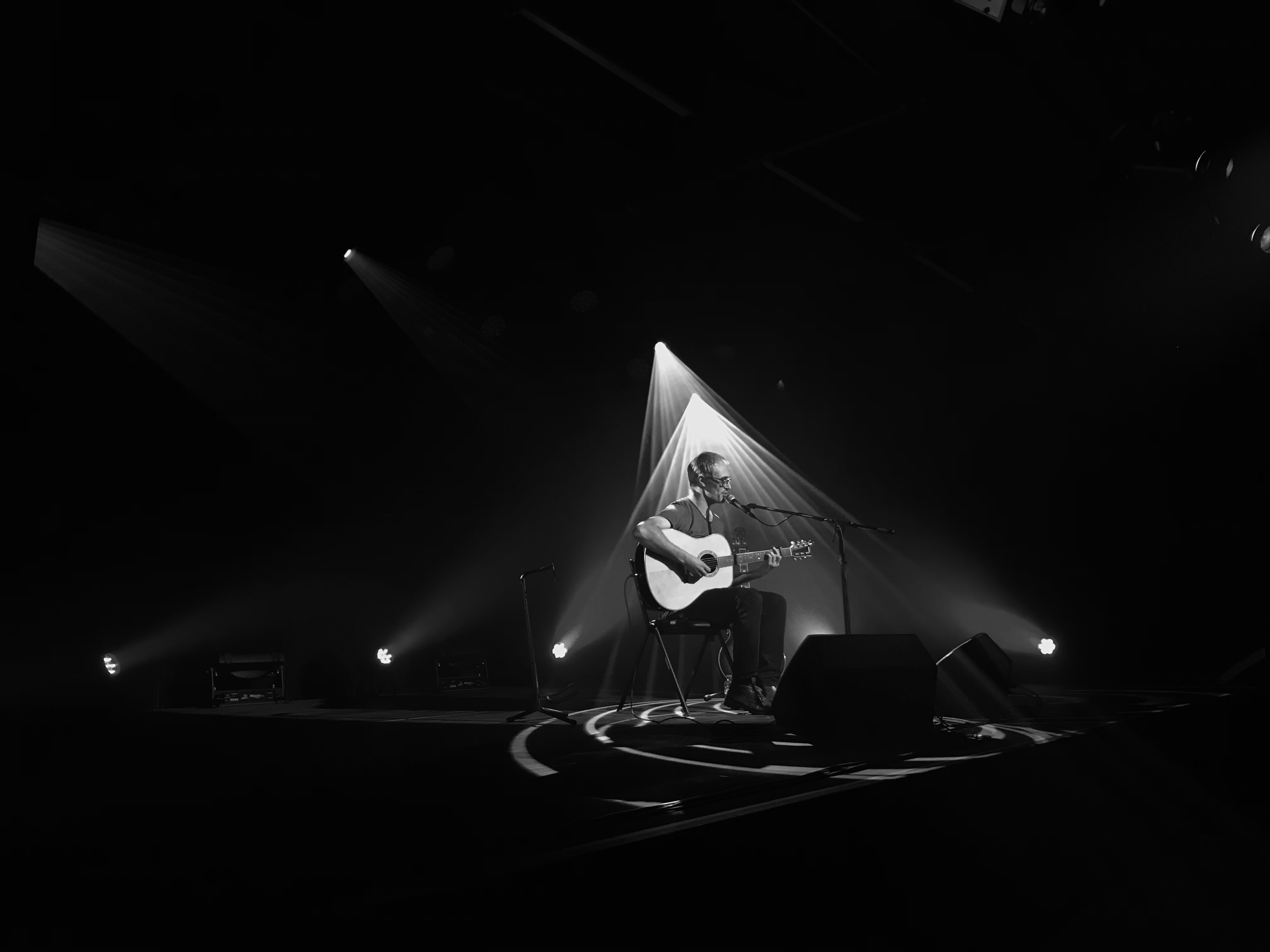
Old Jerusalem, that are celebrating their 20th anniversary, presented their eighth album, Certain Rivers in a stripped down version. Francisco Silva, the singer-songwriter behind the moniker played solo, in an intimate concert for voice and acoustic guitar.
Alone upon the stage, Francisco sang from the new album, including its opening song High high up that hill – on the record sang by Peter Broderick – from previous albums, and he also presented us with beautiful renditions of 2/15 (poem by Rabindranath Tagore, music by Mick Turner & Will Oldham Blood, Red Bird (Smog), Shivers (Rowland S. Howard), Forever in My Life (Prince) and Katy song (Mark Kozelek).
The detailed naming of the songs covered is not in vain. One of the things Francisco spoke to us about, before or between songs, was the tradition of handing down, covering, passing along, been inspired by someone else’s songs. Picking on and continue giving life to existing songs is both a way to show them to a different audience as well as make them ours.
Music and words share a confessional, warm, feeling, here and there punctuated by humour – Love & Cows – wrapping us in world of beauty, emotions, quiet spoken drama, even if depiced events may be anything but. Love in its many faces, loss of faith (and regaining it in something else?), dreams, youth and its flippancy, all emanate from Francisco’s songs or from the ones he choose to cover.
Enhanced, punctuated, accentuated, by the tone, or lack thereof, of the acoustic guitar, voice and words are transported to a land of magic, lifting us along. Old Jerusalem at M.Ou.Co was a beautiful, cherished concert, that, at least in my memory, shall last.
words Neno Costa (freely translated by Raquel Pinheiro); photos: Telma Mota
8:40 pm. A long eclectic crowd fills the venue, slowly meandering towards the entrance. A beatific tranquility is breathe, here and there shattered by the laughter of reunions and complicities. It is 9pm, the first chords on the stage accelerate the steps. Full house.
The only member of the Vetiver on stage, Andy Cabic’s voice and acoustic guitar open the concert with an auspicious version of Bobby Charles’ I Must Be in a Good Place Now, accompanied by the guitar of Jeremy Harris, a member of Devendra Banhart’s band.
The tone continued to sweeten the air with songs like Wanted, Never Asked or Rolling Sea, underlining folk affiliation, or Swaying, acoustically approaching melodic, sweet pop-rock. With the duet of acoustic and electric guitars reinforced with more members from Devendra Banhart’s band – Josh Adams (drums) and Noah Georgeson (bass) -, the second part of the lineup became more full-bodied, without losing its smooth register, lulling the bodies with a an early morning Everyday or the sliding drone of You May Be Blue, until it ends in Current Carry, carrying us in a rock to an island of white sands.
Intermission. Harold Budd and Clive Wright’s The Bells line up the audience’s chakras.
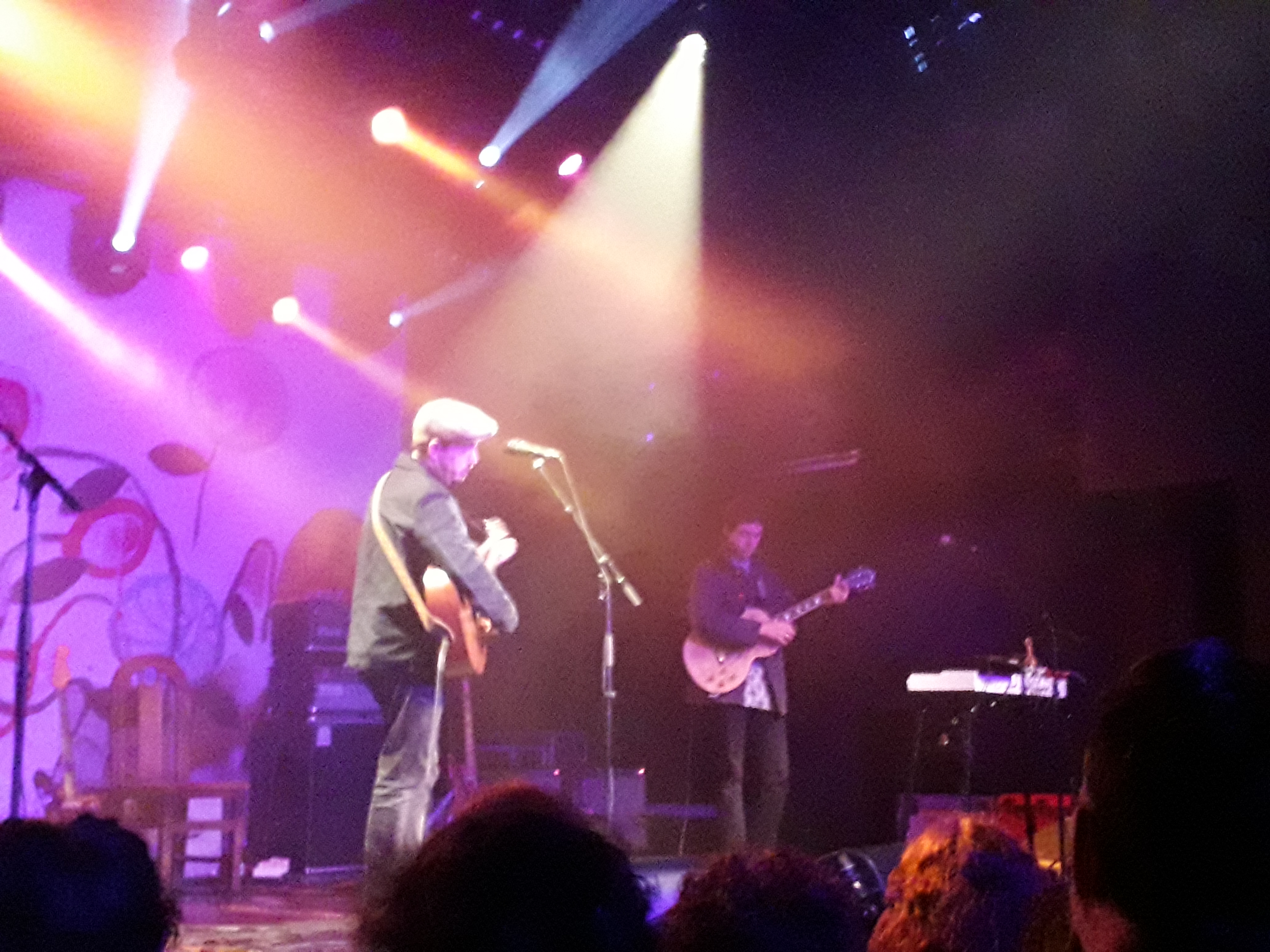
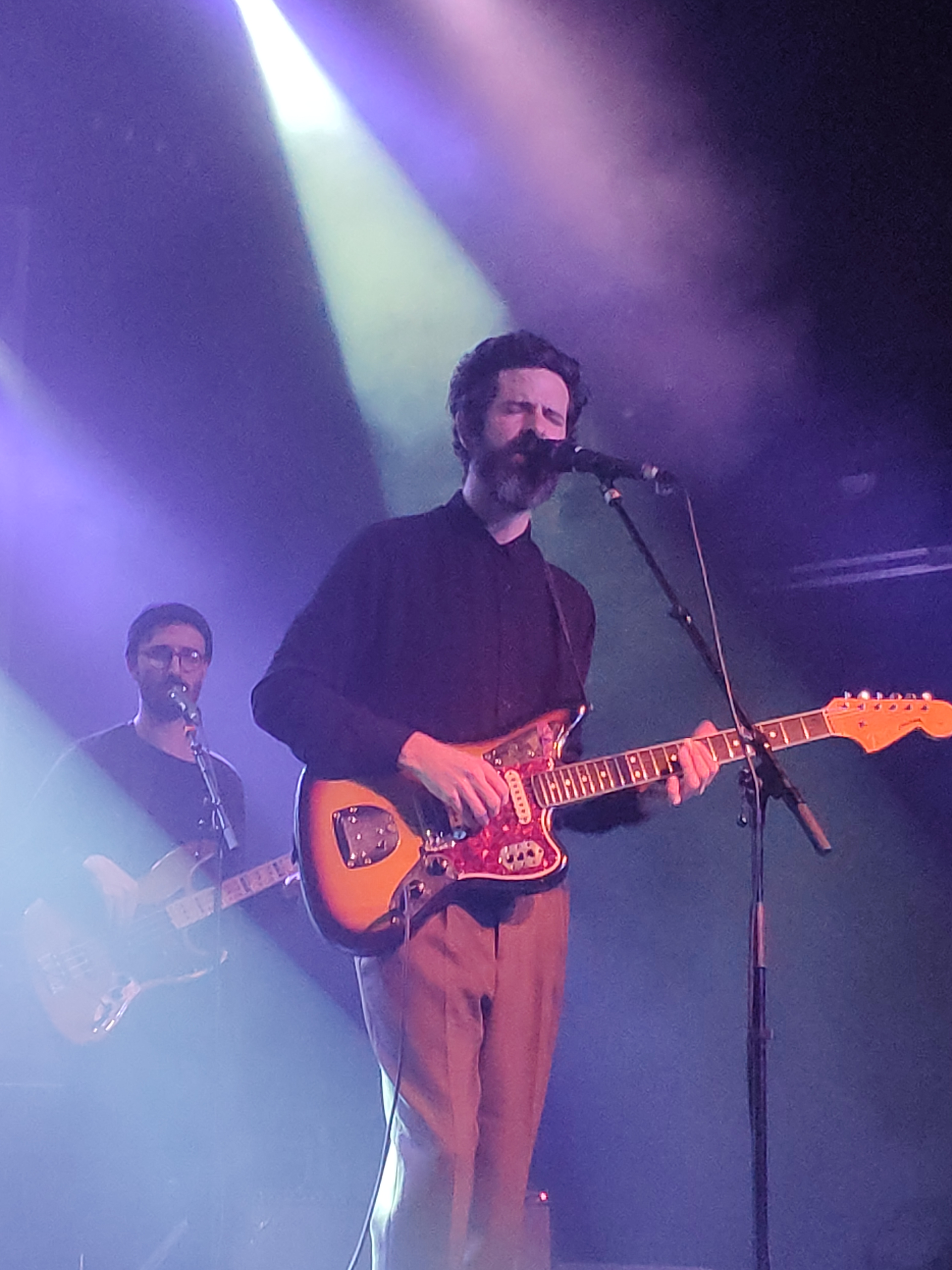
10 pm. Devendra Banhart, returning to Porto (2013), takes the stage accompanied by the same musicians who acted in Vetiver mode, with the exception of guitarist Nicole Lawrence. In sympathetic levitation, the New Weird America guru started the concert with much applauded Is This Nice?, from his lastest and tenth album Ma.
Unraveling a seductive spirituality over the twenty-one played songs and revisiting previous albums, such as with Theme For a Taiwanese Woman In Lime Green (Ape In Pink Marble, 2016), Seahorse (Smokey Rolls Down Thunder Canyon, 2007) or Santa Maria da Feira (Cripple Crow, 2005), Devendra Banhart shared his enormous creative versatility in a folk register colored by notes of tropicalism, jazz and psychedelia harmoniously merged, supported by a group of competent musicians, with emphasis on virtuoso Josh Adams who offered us a remarkable drum solo.
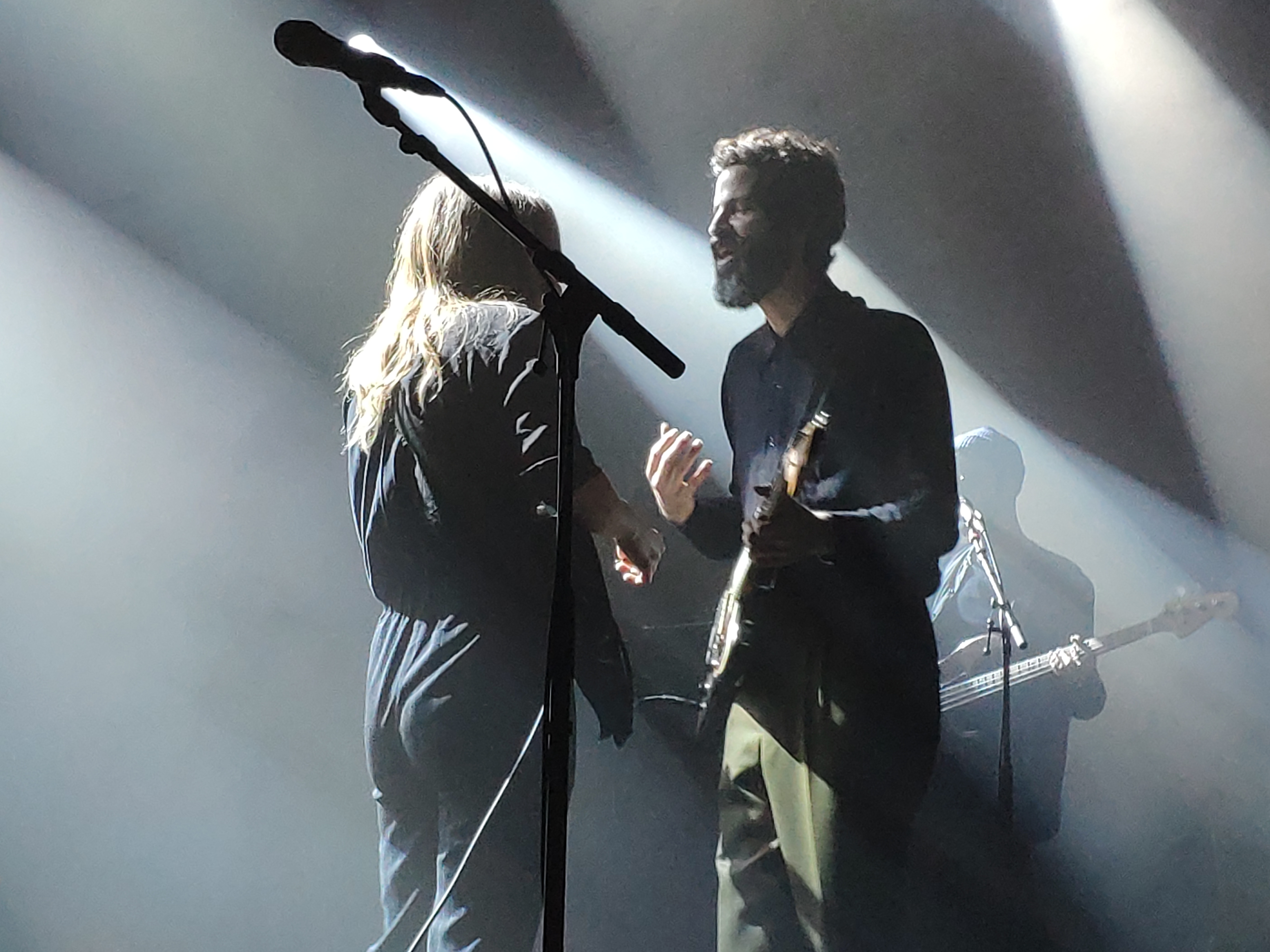
It is hard not to resist to Devendra Banhart’s captivating presence, frequently interacting with the audience, as in the initial moment when he shared his experience in Serralves, a pretext to invite the museum director, Philippe Vergne, reciting a short poem by Yoko Ono on stage. The concert continued somewhere between Caracas, Houston and Kathmandu, immersed in the universal themes of love, death and life to the delight of the audience rendered in reverential silence.
With Abre las Manos a sequence of solo themes and requests from the audience, like The Body Breaks, started. Fig in Leather resumed the presence of the collective of musicians in a funky tone always reinforced by a proportionate and humorous theatrical expressiveness by Devendra. Seahorse emerged as one of the best moments of the concert, irreproachable in itself, opening up to moments of jazz improvisation and involving psychedelic perfume. And the curtain fell with Carmensita, the last of the three encore songs, ending a concert that will have left Devendra Banhart’s fans – and himself – with a fulled soul, had it not been one of the most extensive of his tour.
20h40. Uma longa multidão eclética enche o local, serpenteando lentamente para a entrada. Respira-se uma tranquilidade beatífica, aqui e ali estilhaçada pelo gargalhar de reencontros e cumplicidades. São 21h, os primeiros acordes no palco aceleram os passos. Casa cheia.
Único elemento dos Vetiver em palco, a voz e a guitarra acústica de Andy Cabic inauguram o concerto com uma auspiciosa versão de Bobby Charles I Must Be in a Good Place Now, acompanhado pela guitarra de Jeremy Harris, elemento integrante da banda de Devendra Banhart. A toada continuou adocicando o ar com temas como Wanted, Never Asked ou Rolling Sea, sublinhando a filiação folk, ou Swaying, aproximando-se acusticamente a um pop-rock melódico e doce. Com o dueto de guitarras acústica e elétrica reforçado com mais elementos da banda de Devendra Banhart – Josh Adams (bateria) e Noah Georgeson (baixo) -, a segunda parte do alinhamento ficou mais encorpada, sem perder o registo suave, ninando os corpos com um matinal Everyday ou o drone deslizante You May Be Blue até desembocar em Current Carry , a transportar-nos em embalo para uma ilha qualquer de areias brancas.
Intervalo. The Bells, de Harold Budd e Clive Wright alinham chacras da audiência.
22h. Devendra Banhart, de regresso ao Porto (2013), sobe ao palco acompanhado pelos mesmos músicos que atuaram em modo Vetiver, exceção feita à guitarrista Nicole Lawrence. Em levitação simpática, o guru da New Weird America abriu o concerto com um muito aplaudido Is This Nice?, do seu último e décimo álbum Ma.
Desfiando uma espiritualidade sedutora ao longo dos vinte e um temas interpretados e revisitando álbuns anteriores, como Theme For a Taiwanese Woman In Lime Green (Ape In Pink Marble, 2016), Seahorse (Smokey Rolls Down Thunder Canyon, 2007) ou Santa Maria da Feira (Cripple Crow, 2005), Devendra Banhart partilhou a sua enorme versatilidade criativa num registo folk tintado por notas de tropicalismo, jazz e psicadelismo harmoniosamente fundidos, amparado por um naipe de músicos competentes, com destaque para um virtuoso Josh Adams que nos brindou com um solo notável de bateria.
É difícil não resistir à presença cativante de Devendra Banhart, em frequente interação com a audiência, como foi o momento inicial em que partilhou a sua experiência em Serralves, pretexto para convidar o diretor do museu, Philippe Vergne, a declamar um curto poema de Yoko Ono em palco. E o concerto prosseguiu algures entre Caracas, Houston e Katmandu, mergulhando nos temas universais do amor, da morte e da vida para gáudio da audiência rendida num silêncio reverencial.
Com Abre las Manos abriu-se uma sequência de temas a solo e aos pedidos da assistência, como The Body Breaks. Fig in Leather retomou a presença do coletivo de músicos num registo funky sempre reforçado por uma expressividade teatral proporcionada e bem-humorada de Devendra. Seahorse emergiu como um dos melhores momentos do concerto, de si irrepreensível, abrindo-se a momentos de improvisação jazzística e perfume psicadélico envolventes. E o pano caiu com Carmensita, último dos três temas do encore, encerrando um concerto que terá deixado os fãs de Devendra Banhart – e o próprio – de alma cheia, ou não tivesse sido um dos mais extensos da sua digressão.
words: Neno Costa (freely translated by Raquel Pinheiro); photos: Telma Mota.
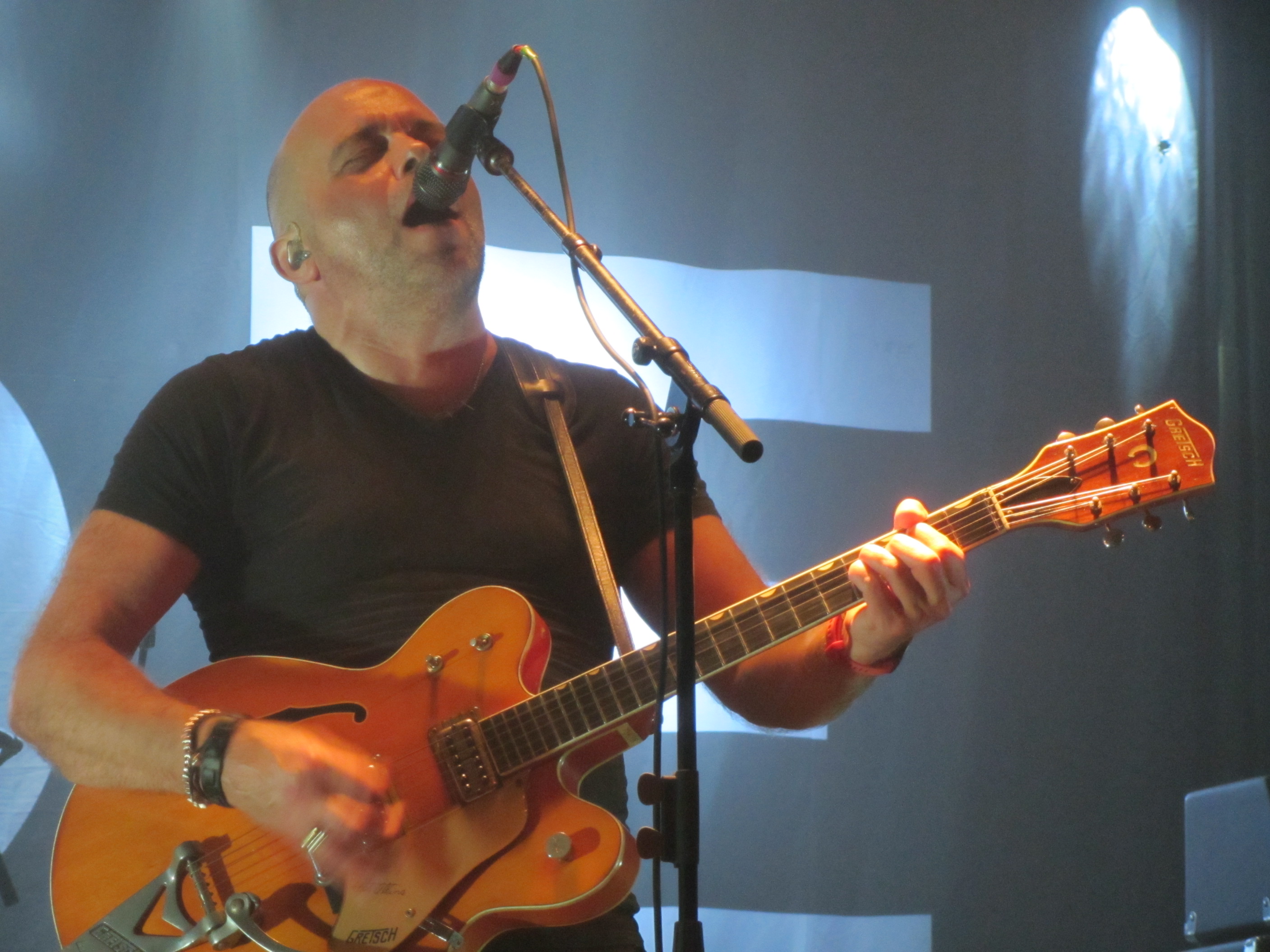
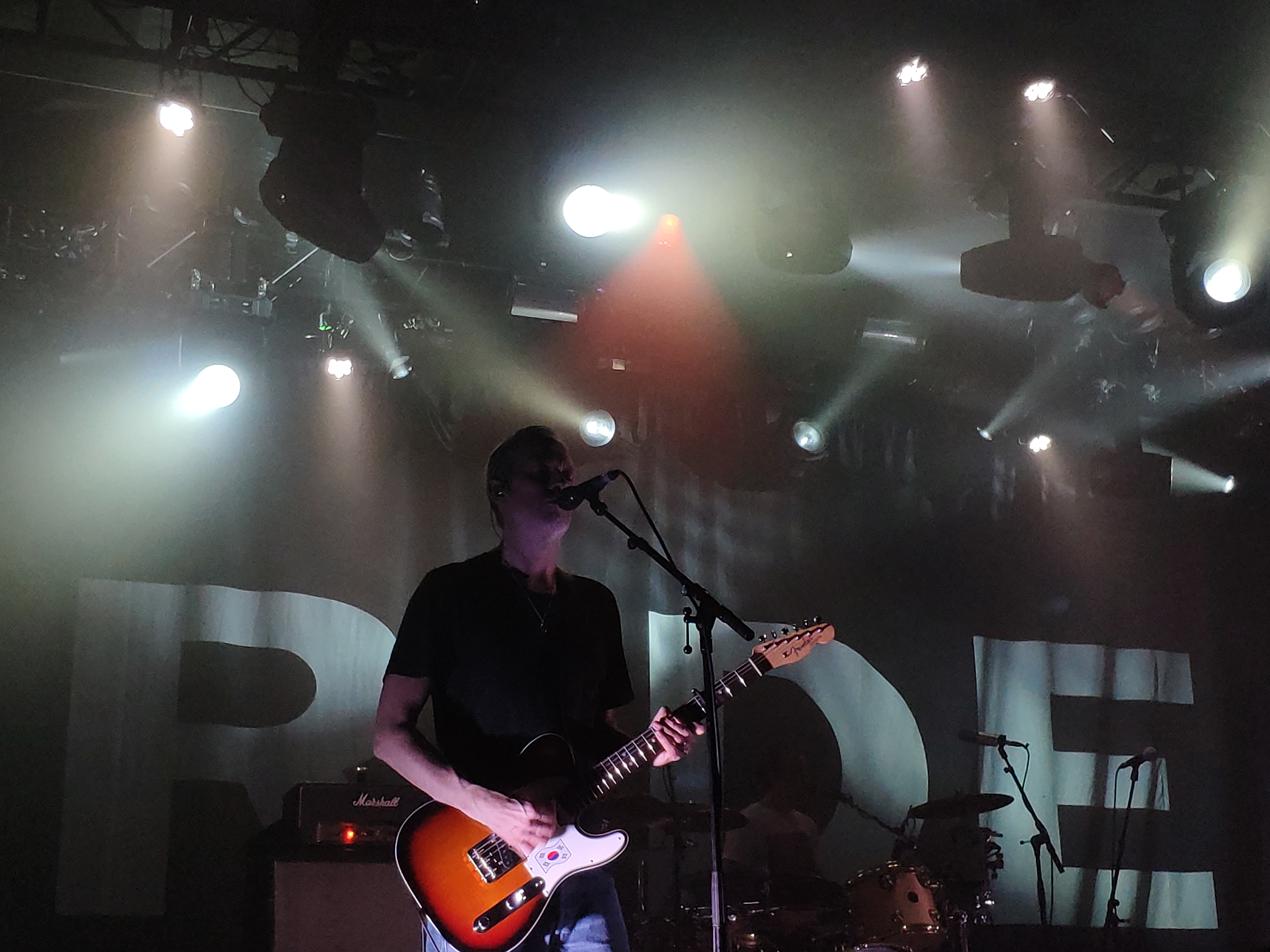
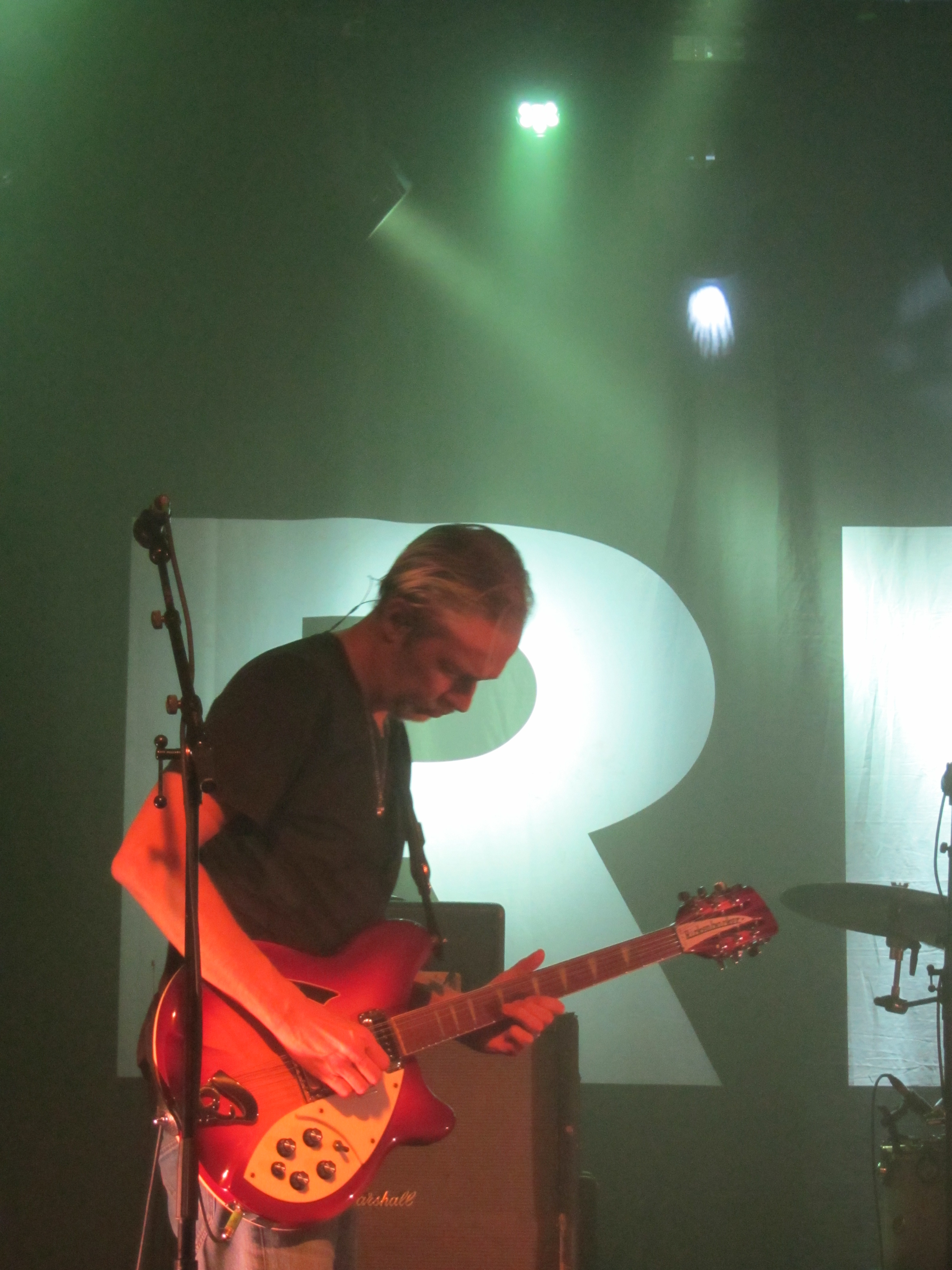
RIDE returned to Porto for an expected performance at the Hard Club. More than promoting their latest album – This Is Not a Safe Place – the Oxford band decided for a kind of sampling concert, introducing themselves live to an audience that would have adopted them since the first incarnation, in the first half of the 90s. Someone, who will not have been present at Primavera Sound 2015, shouted: “I’ve been waiting for you 30 years, man”, to which a nice Mark Gardener (voice/guitar) replied “I hope it’s worth it”.
And the trip was worth it. Starting with Jump Jet to dye the air with contagious energy, opening a sound journey through a career that survived an eighteen-year break and resumed in 2014 with the same line-up.
In the room echoed songs like Leave All Behind (Going Blank Again, 1992), Lannoy Point (Weather Diaries, 2017) or Dreams Burn Down (Nowhere, 1990), performed without blemish and exuding freshness, underlining the melodic shoegaze paternity and simultaneously promising more interesting paths, as in the case of the theme Fifteen Minutes, from their latest album, interpreted by the voice of Andy Bell, in what would have been the best moment of a concert that, having not filled the house, filled the heart.
Os RIDE regressaram ao Porto para uma esperada atuação no Hard Club. Mais do que promover o seu último trabalho – This Is Not a Safe Place – a banda de Oxford optou por uma espécie de concerto de degustação, dando-se a conhecer ao vivo para uma plateia que tê-los-ia adotado desde a primeira encarnação, na primeira metade dos anos 90. Alguém, que não terá estado presente no Primavera Sound de 2015, gritou: “I’ve been waiting for you 30 years, man”, ao que um Mark Gardener (voz/guitarra) simpático respondeu “I hope it’s worth it”.
E valeu a pena a viagem, começando com Jump Jet a tingir o ar com uma energia contagiante, inaugurando um percurso sonoro por uma carreira que sobreviveu a uma paragem de dezoito anos, retomada em 2014 com a mesma formação.
Na sala ecoaram temas como Leave All Behind (Going Blank Again, 1992), Lannoy Point (Weather Diaries, 2017) ou Dreams Burn Down (Nowhere, 1990), interpretadas sem mácula e transpirando frescura, sublinhando a paternidade shoegaze melódica e simultaneamente prometendo caminhos mais interessantes, como no caso do tema Fifteen Minutes, do seu último trabalho, interpretado pela voz de Andy Bell, naquele que terá sido o melhor momento de um concerto que, não tendo enchido a casa, encheu as medidas.
Portuguese band Cancro had the ungrateful task of opening for Fat White Family. Mostly, because of poor sound quality. For those, like myself, unfamiliar with them, it was hardly possible to access what they were playing. All I managed to come up with, was that they have a lot of energy and, at times, live, the vocals resembled Adolfo Luxúria Canibal of Mão Morta and Manel Cruz of Ornatos Violenta.
Then, come Londoners Fat White Family. The audience was there for them and, from the start, they were welcomed in a worshiping way. Anyone who knows Fat White Family is aware they have trailed the path of many a band. The ups, the downs, flirting with the abyss, if not nearly, or really, falling into it, firing members, re-hiring them and the rest of the litany of rock’n’roll.
From Autoneutron, the opening song to the finale with Tastes Good With That Money, it was an exhilarating thrill. If during the first three songs things seemed to float in a less raucous, speedy, danceable mode, a journey probably better enjoyed under mind altering substances. By Fringe Runner, Lias Saoudi did an impromptu dive into the audience, ending crashed on the floor.
He soon recovered, was helped back to the stage, seated there for a while, leaning closely to the audience that was loving every second of it. The party carried on. It didn’t took long for Lias to unbuttoned his shirt, picked a Guinness can and drank from it. As the evening went on, the music got more intense, turning Hard Club’s Sala 1 into a disco.
Lias also kept pouring fire to gasoline. Shirt, off, picking a whiskey, or was it bourbon, bottle and drinking from it. Fat White Family, particularly Lias, behave on stage in a way now nearly absent from rock’n’roll. Loud, misbehaved, in your face. How many bands still drink from beer cans and a hard liquor bottle on stage, whistle, at the same time, more than totally looking the part, being the part itself? Not many.
They may be tamer and, as Lias told All Thing Loud some months ago “managed to pull through and abyss of self-destruction”, but they remain off, insane, intense, raw and direct. Disney come, they left. The audience called and called for the band to return, some giving up. Until, after a good while, they returned, played Tastes Good With The Money finishing with a big bang.
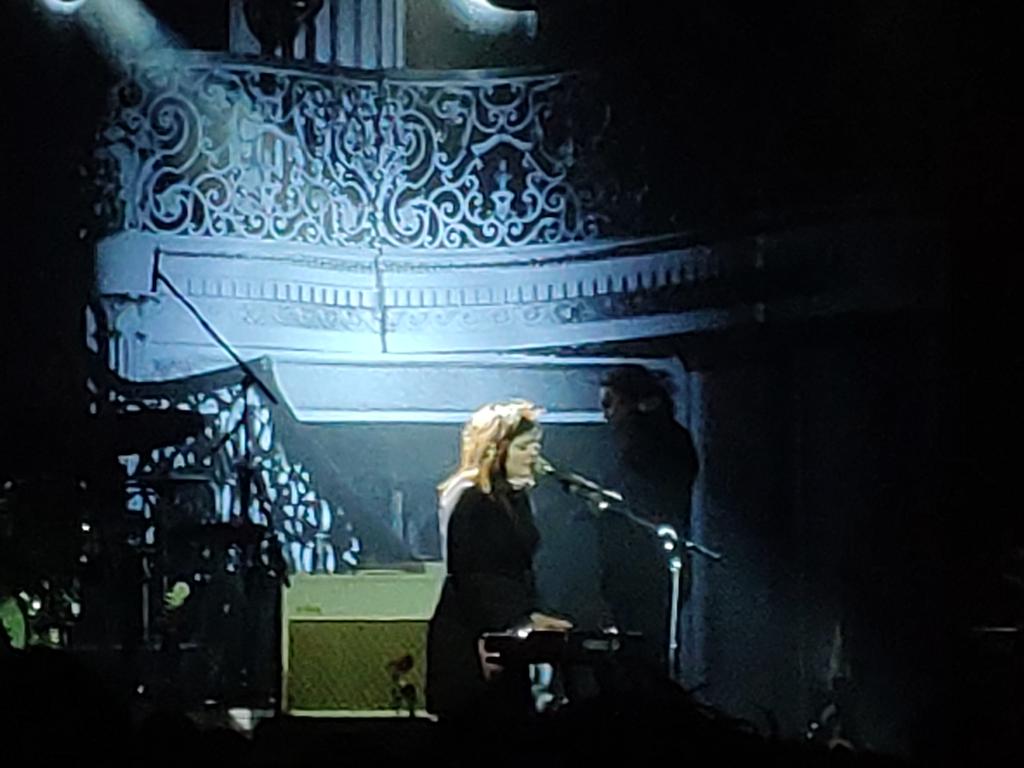
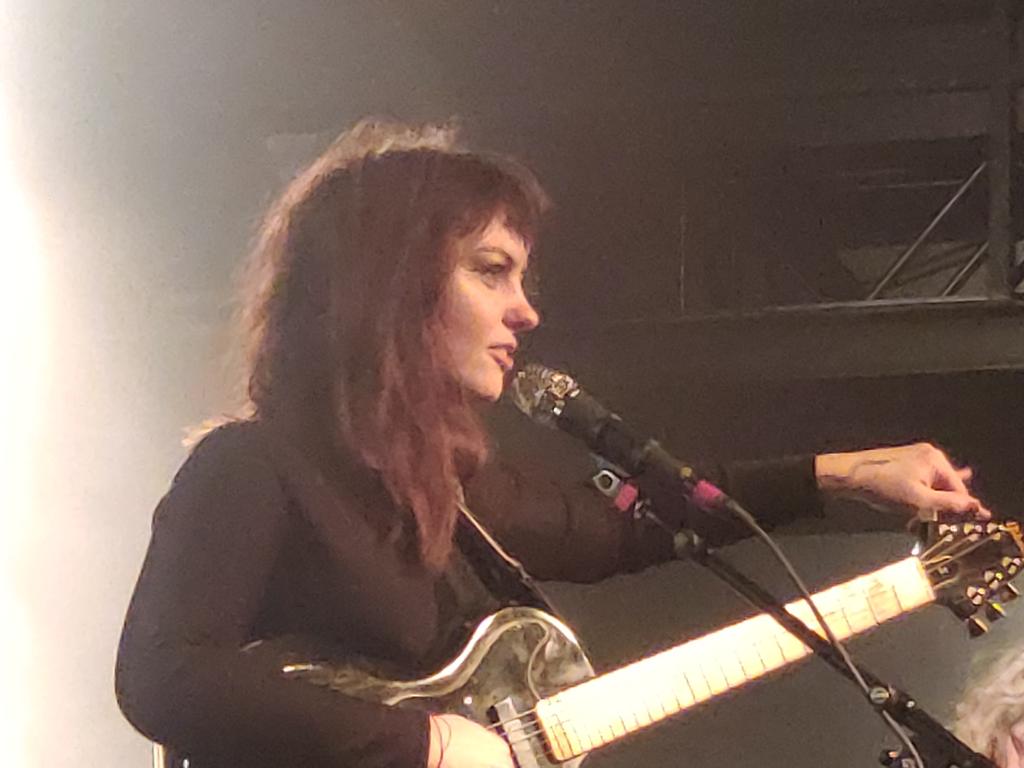
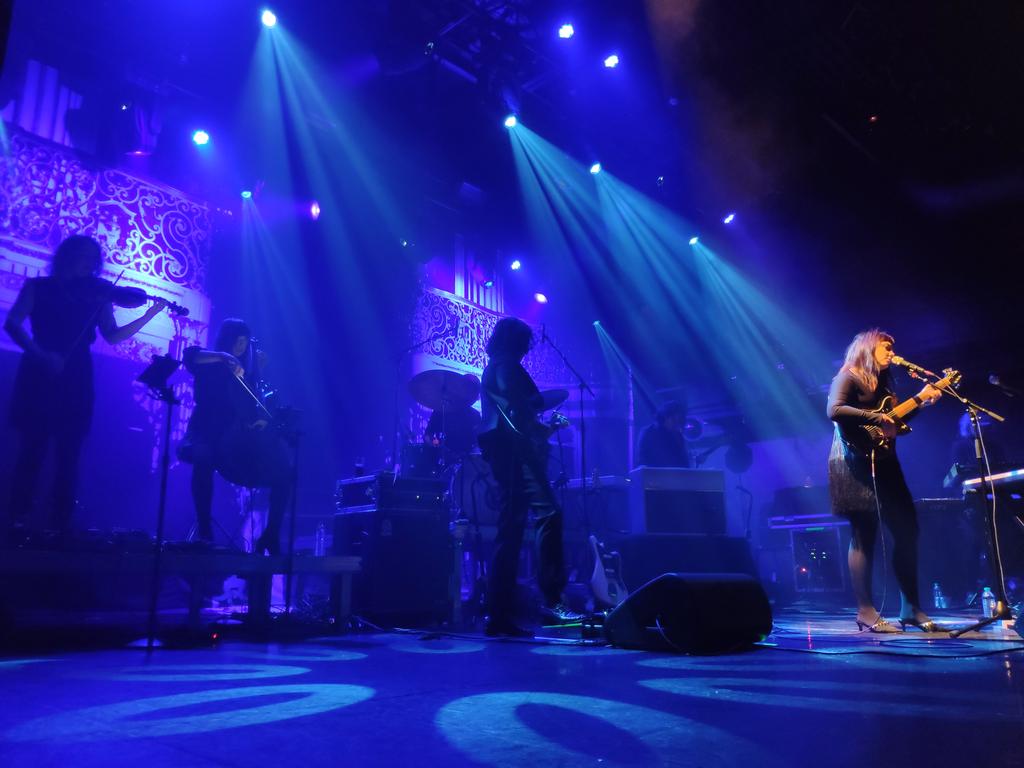
Sold out Hard Club, expectation. Angel Olsen, troubadour of threadbare souls, took the stage for an open-hearted performance in a room surrendered to her lyrical authenticity, invigorated by the more elaborate sound of her 4th album, All Mirrors. There is a luminous beauty in the darkness of the songs of her latest work that Olsen’s and the six musicians who accompany her performance did not disappoint. The orchestral dimension proved to be effective, giving a well-constructed and involving melodic spatiality although, at times, the need for sound adjustments was felt, as in the interpretation of the beautiful Lark, in which the drum/voice balance was not the best. Nothing that took away from the run of the concert, the introspective tone and poetic force that Angel Olsen offered us, punctuated with light moments of interactive decompression with the audience. One went out into the night rewarded, with the soul cleared, but with some restlessness, “What about the heart?/ Trouble from the start”.
Hard Club esgotado, expectativa. Angel Olsen, a trovadora das almas puídas, subiu ao palco para uma atuação de peito aberto numa sala que se rendeu à sua autenticidade lírica, revigorada pela sonoridade mais elaborada do seu 4º álbum, All Mirrors. Há uma beleza luminosa na escuridão dos temas deste último trabalho que a sua atuação e a dos seis músicos que a acompanham não defraudou. A dimensão orquestral provou ser eficaz, conferindo uma espacialidade melódica bem contruída e envolvente embora, em certos momentos, se tenha sentido a necessidade de ajustes sonoros, sentiu-se isso na interpretação do belíssimo tema Lark, onde o equilíbrio bateria/voz não foi o melhor. Nada que tenha retirado ao discorrer do concerto a toada introspetiva e a força poética com que Angel Olsen nos brindou, pontuada com momentos ligeiros de descompressão interativa com a assistência. Saiu-se para a noite recompensado mas com a alma lavada com alguma inquietação, “What about the heart?/ Trouble from the start”.
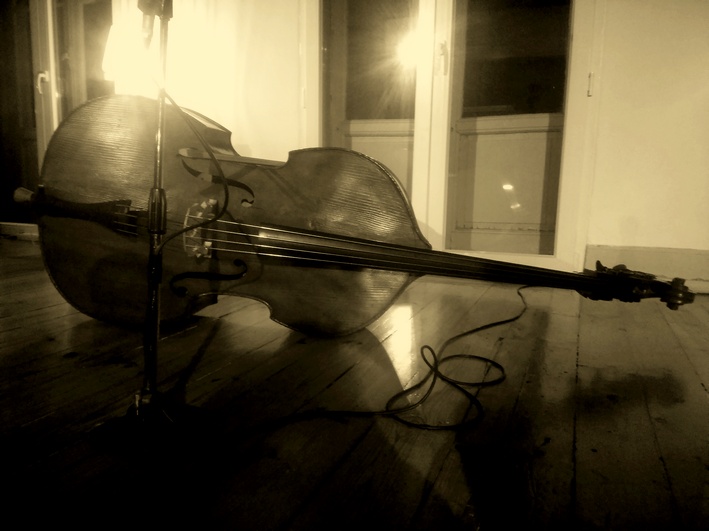
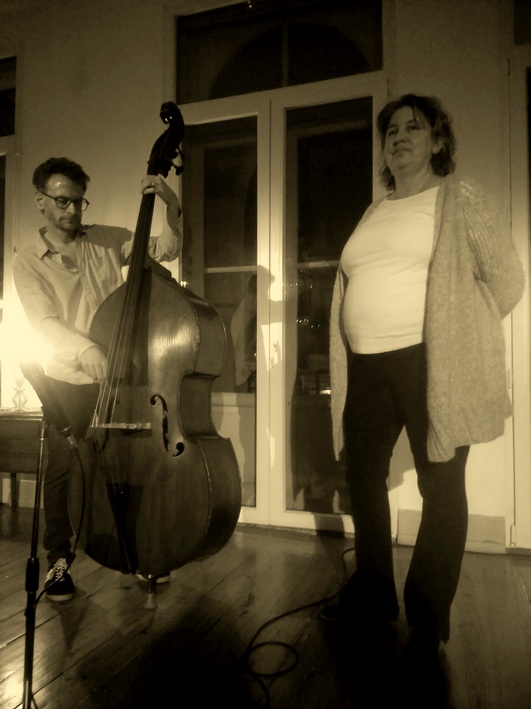
Solilóquios, a concert evening of mostly solos, is celebrating its third anniversary. The events are held in a beautiful location, a third floor yoga studio in downtown Porto.
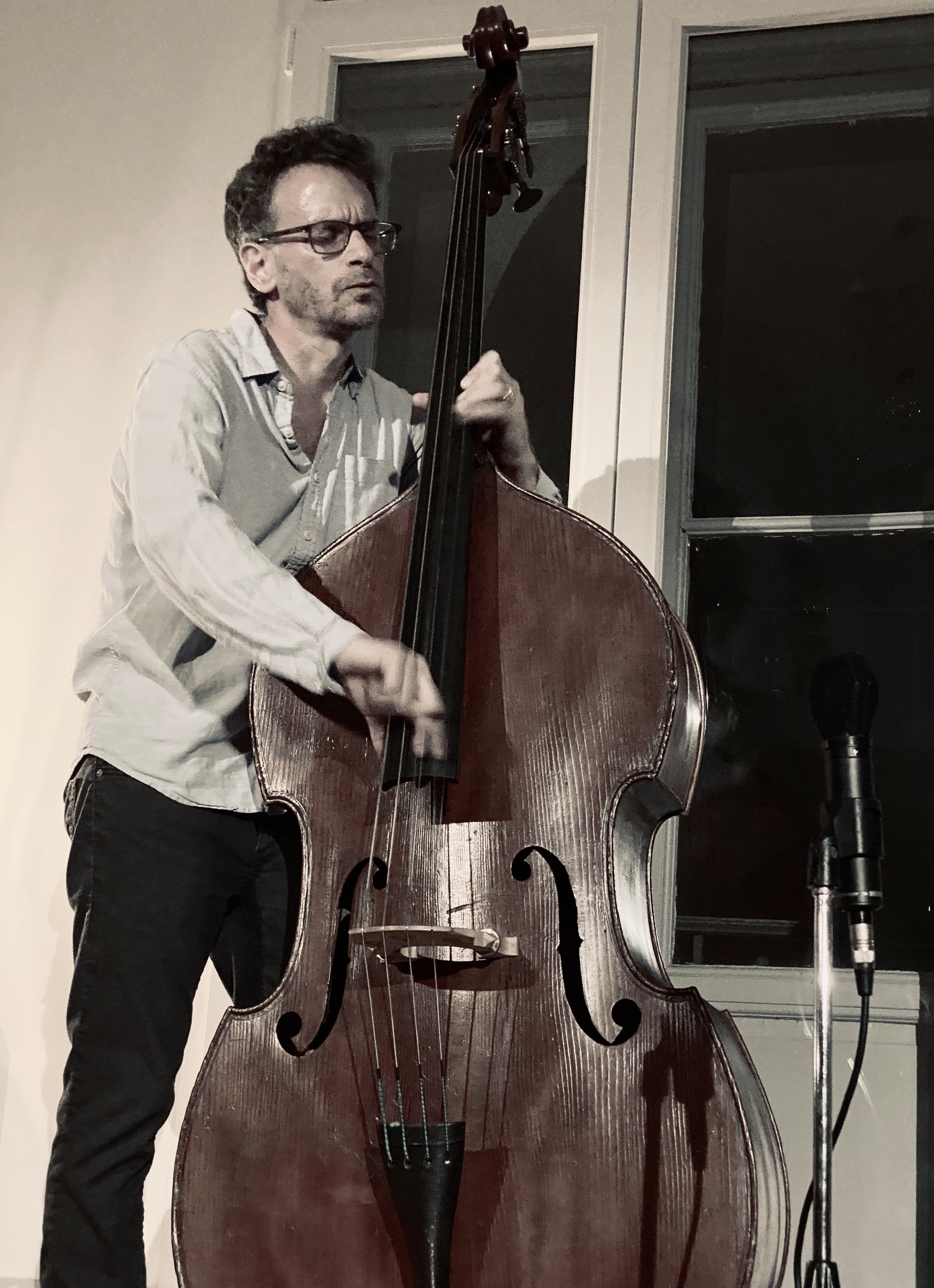
What’s in a double bass? Judging by Larry Grenadier’s performance, a lot. Those like myself, who like jazz, but are not experts may be surprised by how versatile and varied a single instrument can be.
Like The Gleaners, the album from where most of songs played tonight come from, the opening was with Oceanic. Soon we were at Vineland, written by Larry in his back porch, on an acoustic bass guitar. And here we were no longer in Kansas, sorry, Porto. And that were drums, right? And did I just hear a guitar? An electrical one, I mean. Most surely there is a full band playing. No, it was just Larry playing pizzicato. Was it? Indeed it was. And how marvellous and ingenious the whole thing was.
Gone Like The Season, written by Grenadier’s wife Rebecca Martin, Compassion/The Owl of Craniston, a medley of John Coltrane’e and Paul Motian’ themes, George Gershwin’s My Man’s Gone Now (from Porgy and Bess) and The Gleaner, all from the album, took us on several different journeys. One moment we were somewhere inside a road movie, the next in the smoke filled basement of a 1920s New York jazz club.
And then, Rebecca Martin sang a few Songs, including Brother Can You Spare a Dime, written in 1930 by E.Y. “Yip” Harburg and Jay Gorney. It was an enchanting, hearty evening to warm a cold Winter’s night.
words: Neno Costa (freely translated by Raquel Pinheiro); photos: Telma Mota
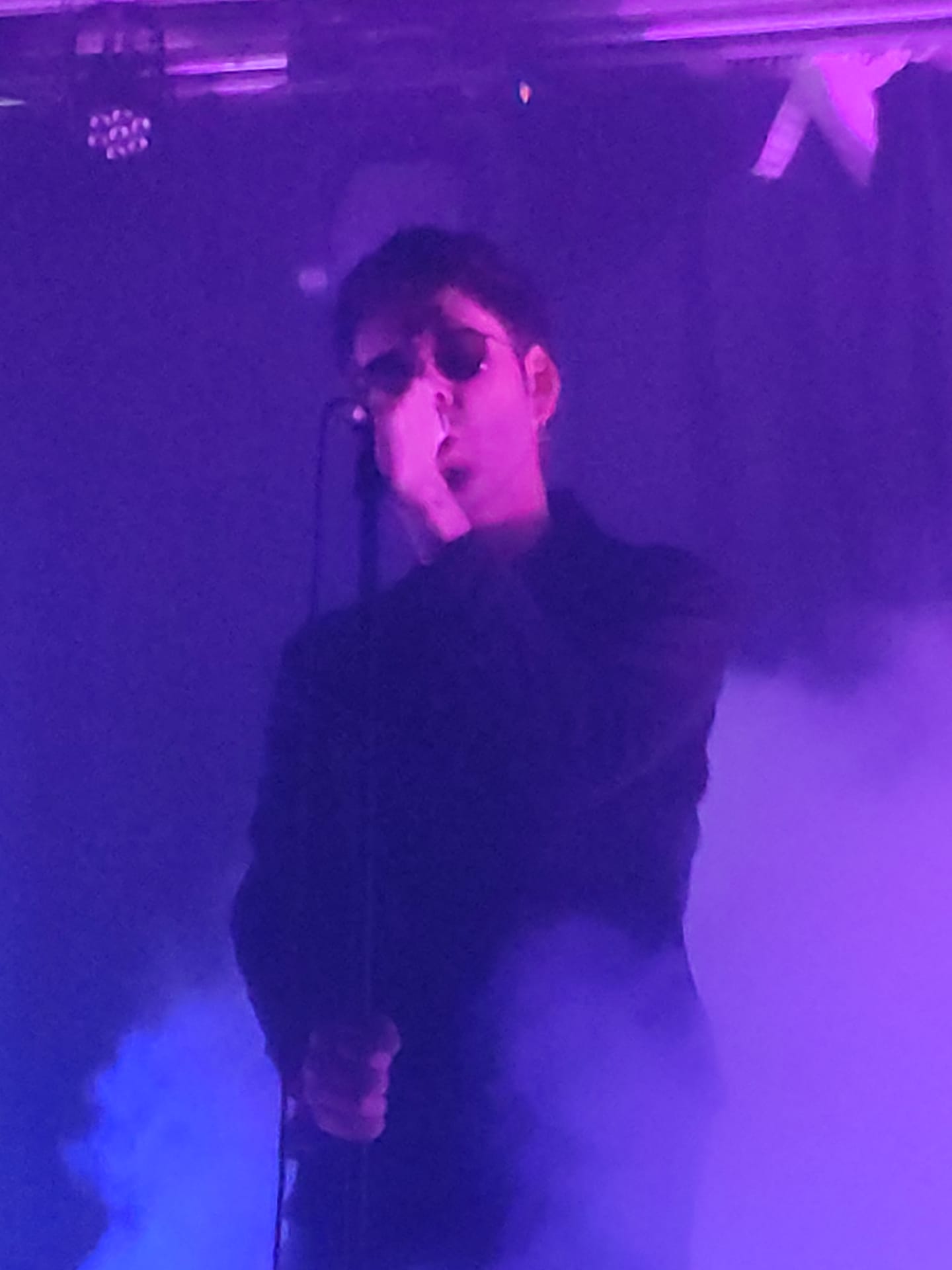
Holygram returned to Portugal for a performance at the Hard Club, in Porto, brought by At The Rollercoaster – a warm-up concert for Post Punk Strikes Back Again that will take place on December 7th.
Havin g released two albums and two EP’s Holygram proved consistent with their hypnotic beat, Gothic homily voice, krautrock scent and an 80’s spice with some catchy freshness, perhaps requiring more creative boldness.
Os Holygram regressaram a Portugal para uma atuação no Hard Club, no Porto, trazidos pela mão da At The Rollercoaster, naquele que é o concerto de aquecimento para o Post Punk Strikes Back Again, no dia 7 de dezembro.
Com dois álbuns e dois EP’s editados, os Holygram revelaram-se consistentes com a sua batida hipnótica, voz homília gótica, cheiro de krautrock e um tempero de anos 80 com alguma frescura cativante, talvez a pedir mais arrojo criativo.
words: Neno Costa (freely translated by Raquel Pinheiro); photos: Telma Mota
1
Amplificasom’s 13th anniversary echoed in the reverential silence of the audience that filled Hard Club to Hear Canadians Godspeed You! Black Emperor and their latest album
Luciferian Towers. Opening act Light Conductors deserve a closer listening.
2
Violin and double bass developing, anxiety suspended. With the eight elements of GY! BE onstage the journey began its path in an immersive swell through sonic landscapes
beaten by a disquieting wind, at times, melancholy, between towers of lucidity. The chest of the ears filling with the demultiplying instrumental cradle, interweaving riffs and
fingerpicking on hypnotic backgrounds, breaking windows overlooking disturbed territories, between whispers of helplessness and redemptive phrases, until disemboguing into an ode to hope.
3
The journey lasted a little over an hour and a half and, in it, fit shreds of eternity, reassuring warm clothing in the winters of discontent of those who watched this superb GY! BE return.
O 13º aniversário do Amplificasom ecoou no silêncio reverencial do público que encheu o Hard Club para ouvir os canadianos Godspeed You! Black Emperor e o seu mais recente álbum “Luciferian Towers”. Como entrada, os Light Conductor, a merecer audições mais atentas.
2
Violino e contrabaixo em evolução, ansiedade suspensa. Com os oito elementos dos GY!BE em palco a viagem iniciou o seu percurso num crescendo envolvente através de paisagens sónicas batidas por um vento inquietante, por vezes melancólico, entre torres de lucidez. O peito dos ouvidos encheu-se com o embalo instrumental a desmultiplicar-se, entrançando riffs e dedilhados sobre fundos hipnóticos, partindo janelas com vistas para territórios perturbados, entre sussurros de desamparo e frases redenção, até desembocar numa ode à esperança.
3
A viagem durou pouco mais de hora e meia e nela couberam farrapos de eternidade, agasalhos reconfortantes nos invernos de desencantamento de quem assistiu a mais este regresso do soberbo dos GY!BE.
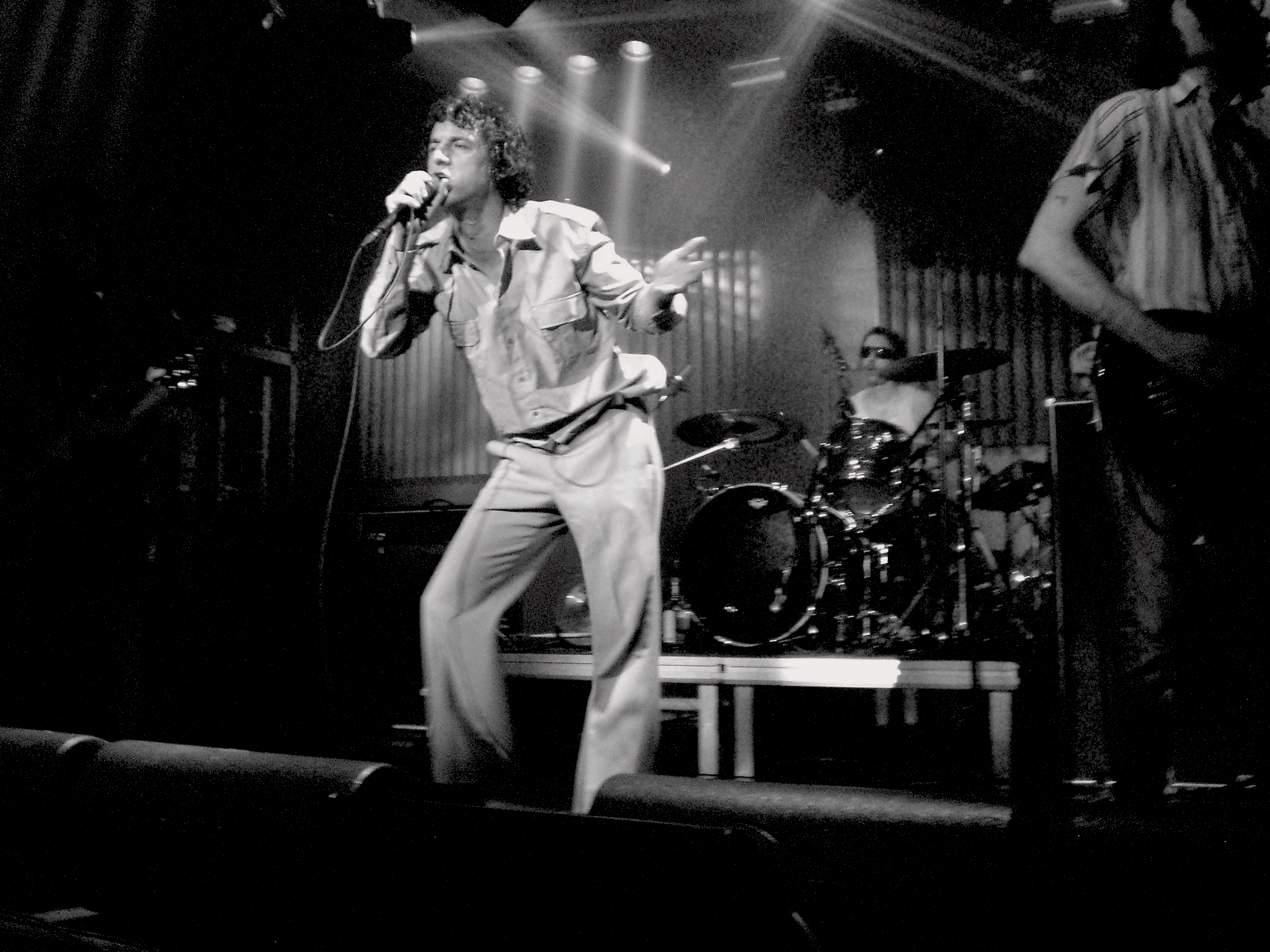
Fugly, a band from Porto had the ungrateful task of being Primal Scream’s opening act. Ungrateful because being opening for Bobby Gillespie’s and Andrew Innes’ band is, not also daunting, but requires a band capable of, if not matching, at least complementary to Primal Scream.
It is hard to say if Fugly are, or aren’t, a good life band. The sound was too loud and too high pitched to allow for clear judgement. They have energy and drive, but it was was difficult to access more.
If how good a concert is can be measured by how much the reviewer and audience sweat and danced, Primal Scream were off the chart. If not, they still were off the chart.
Had seen them before at festivals, the experience is quite difference in a venue, especially one like Hard Club’s Sala 1.
The intensity is the same, but the closeness and confinement make it for a far richer, enjoyable and mind blowing happening.
On tour to promote Maximum Rock ‘N’ Roll, The Singles Volumes 1 and 2, quite a comprehensive singles collection, Primal Scream set was just that, the singles, played loud, clear, with joy, fun and colour and, of course, maximumrock’n’roll.
From Velocity Girl to Miss Lucifer, through Swastica Eyes, delivered with an overload of strobes and colourful flashing lights adding to the song’s insane ambient; Higher Than the Sun, during which we were floating in space; Kowalsky and Kill All Hippies one after the other in a maddening, vibrant, sequence again punctuated by intense light flashes to Loaded, another, lets go travel to lands far, far away moment and pretty much every conceivable single the band has released.
Save for Come Together, Jailbird and Rocks, reserved for the encore. By come together the room that has been literally shaking and vibrating for a while, blew into an even intenser dance and mutual adoration frenzy. The band, especially Gillespie, feeds off the audience as much as the audience feeds of them and him.
Concious of the fact that fans make, or break, a band, the band, and especially Bobby play to, and for, themselves and the love of music, but also to the gallery.
It is only logical. No band exists without its audience. After all, people go to concerts because they love the music and, often, because they want to see a good show that for an hour or so makes them forget their daily life.
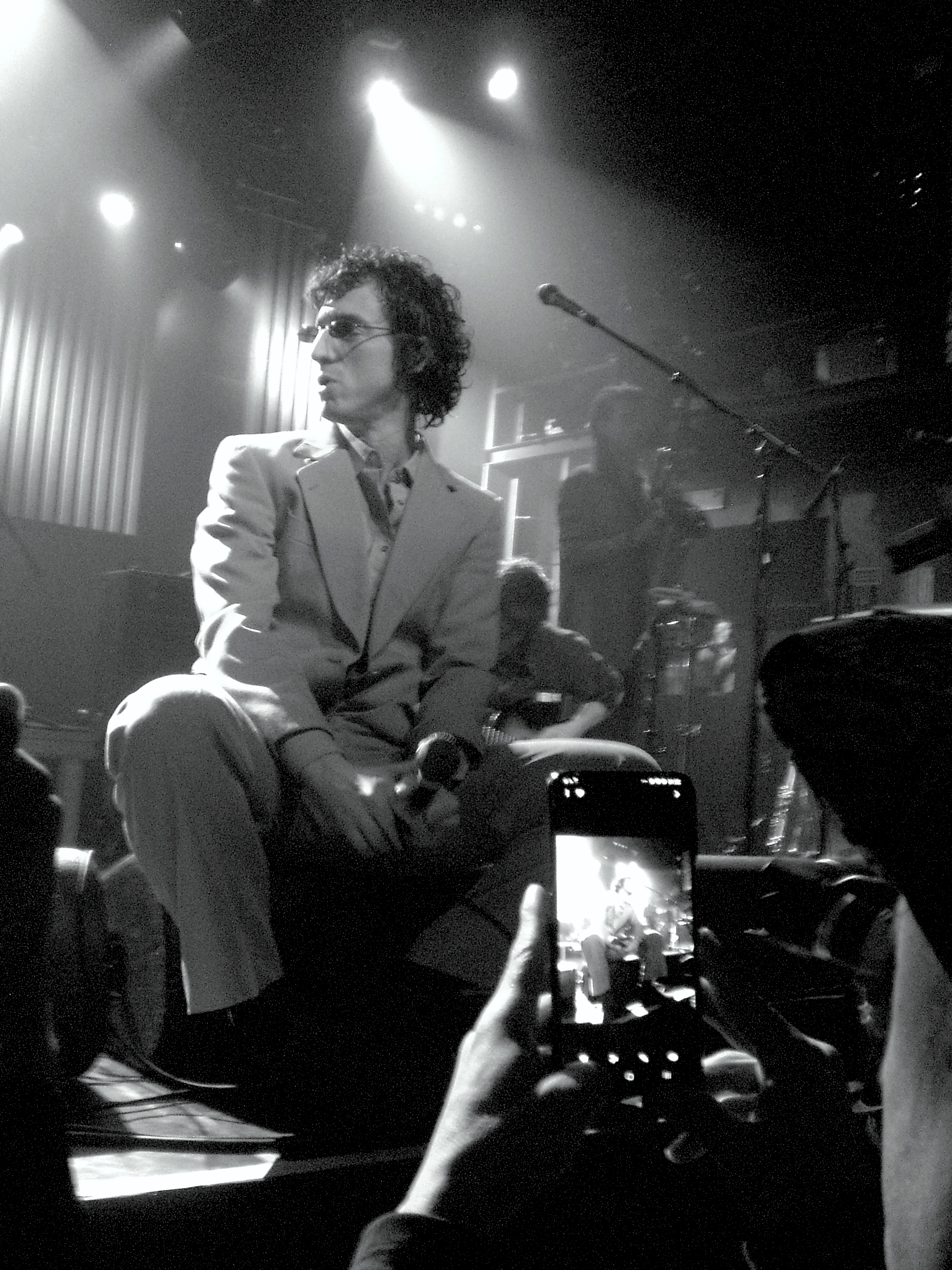
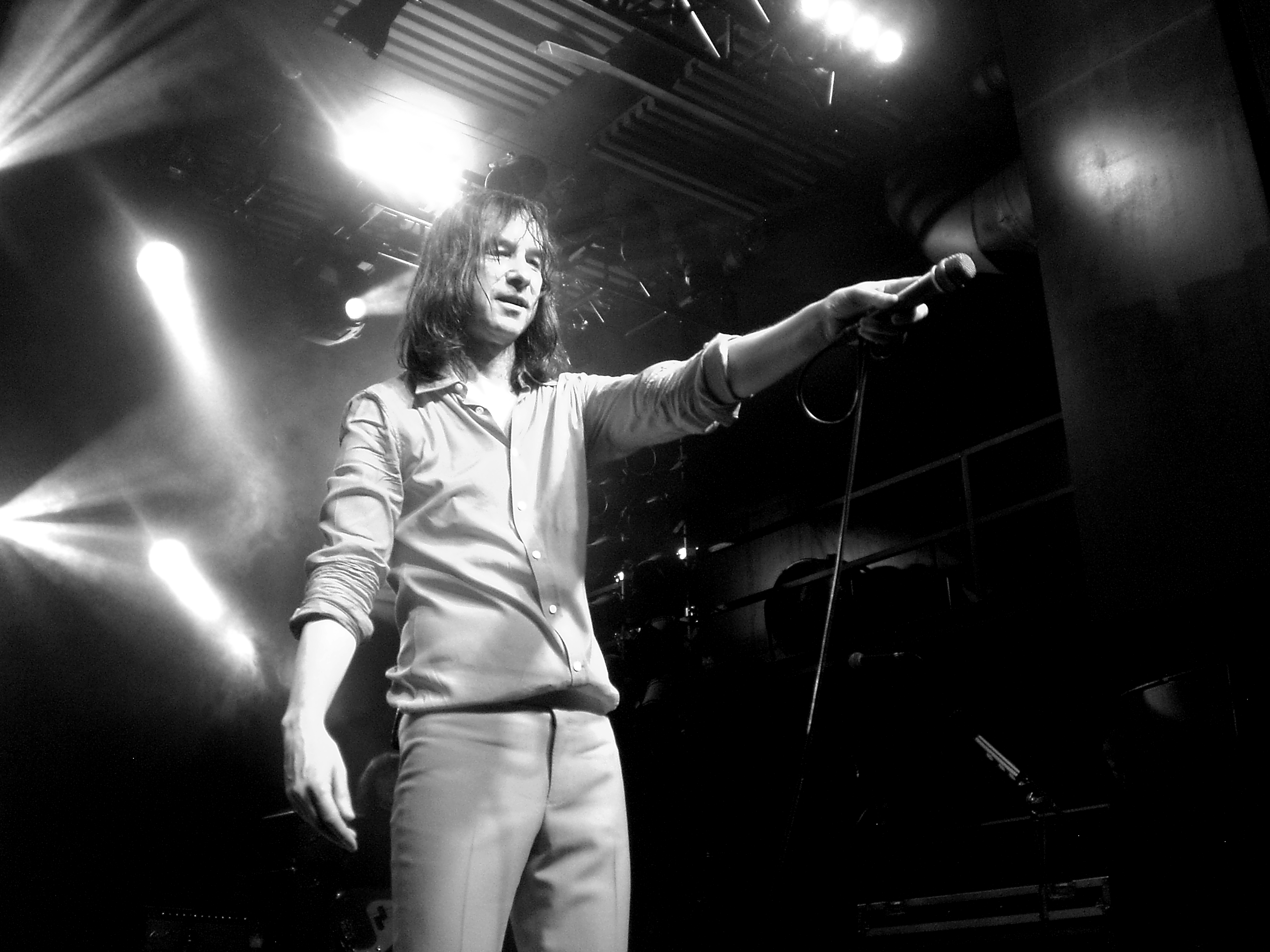
A consummate showman, Bobby Gillespie knows it – (so does Andrew Innes, but Innes is smart enough to let the singer shine, coming to the front of the stage at times striking poses with his guitar and allowing the audience to capture him with their mobiles)-, loves the cameras and the audience as much as they love him.
Primal Scream both know all the tricks to rapture an audience as well as keep embodying a genuine love of music and displaying authenticity.
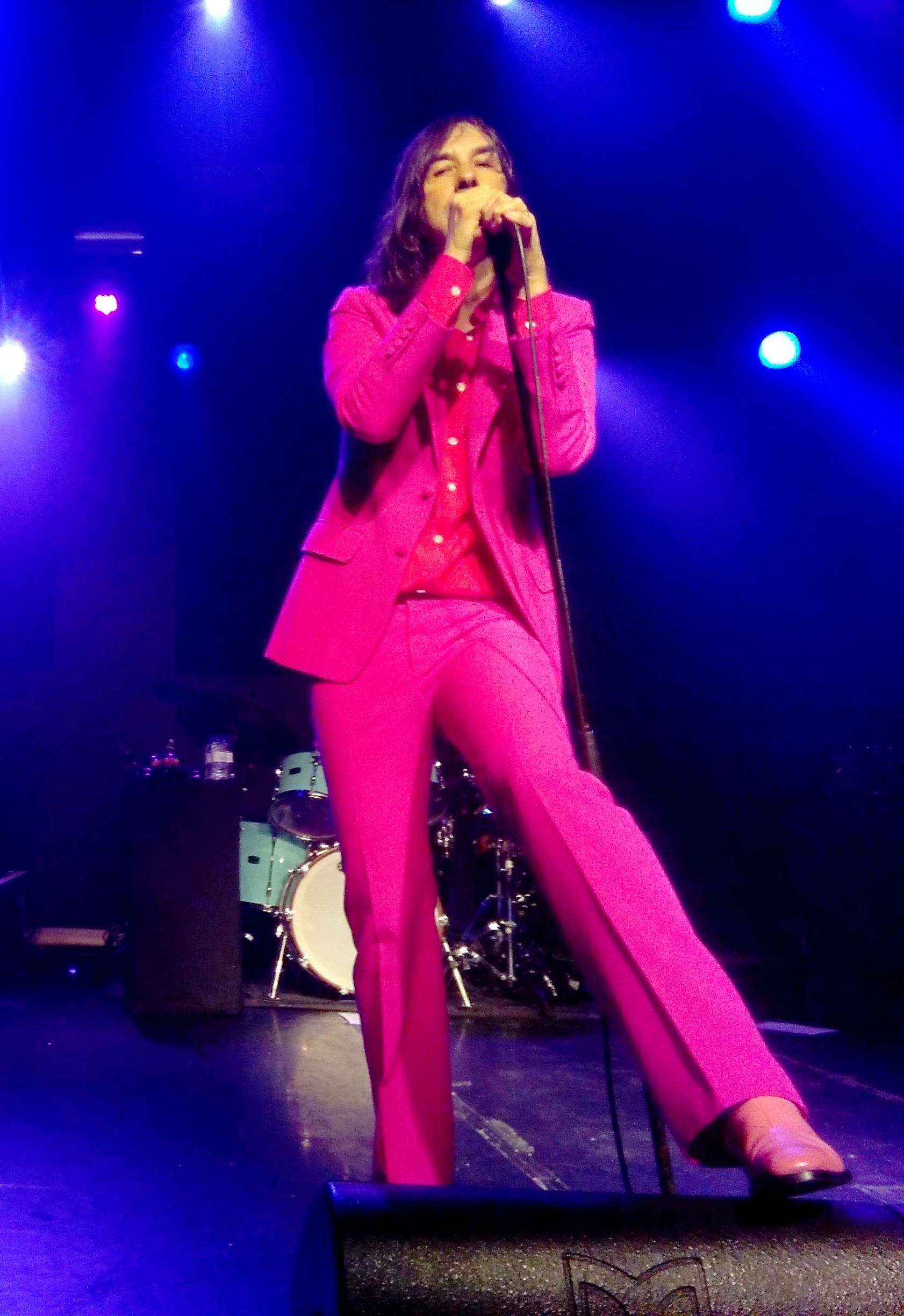
Last, but not least, Bobby Gillespie sartorial choice was on point. Sharp magenta (or was it pinkish-redish-mauve?) suit, red shirt, pink shoes.




 Mondo Bizarre Magazine