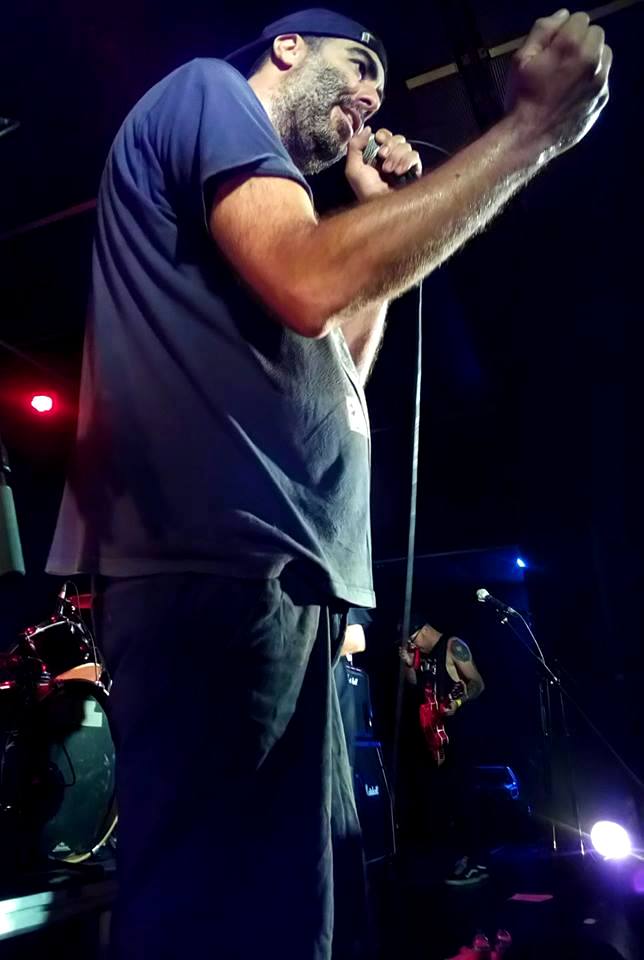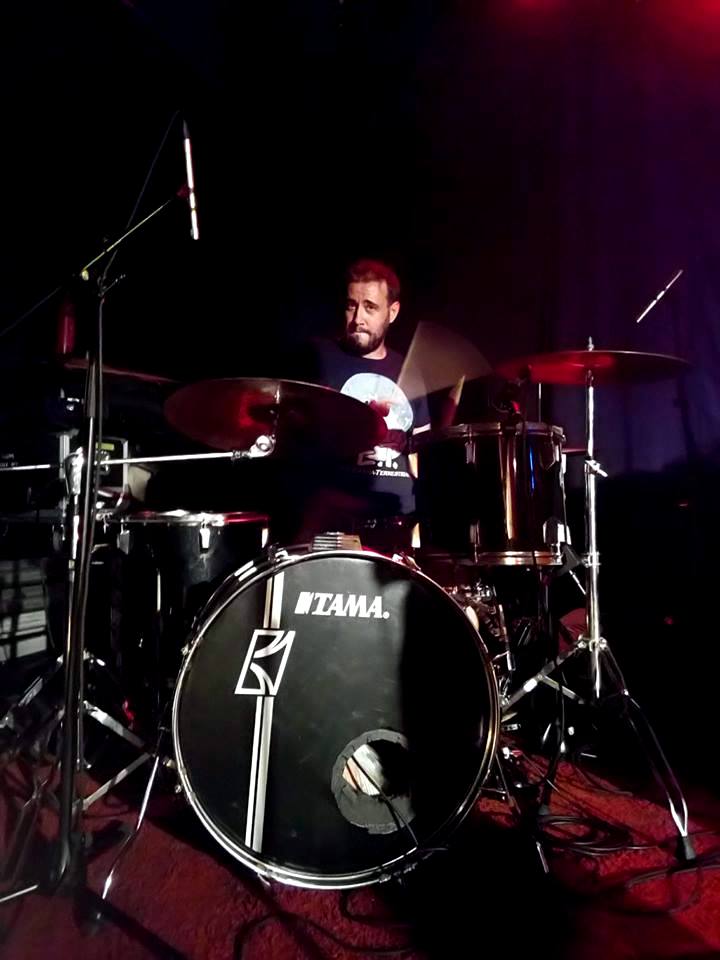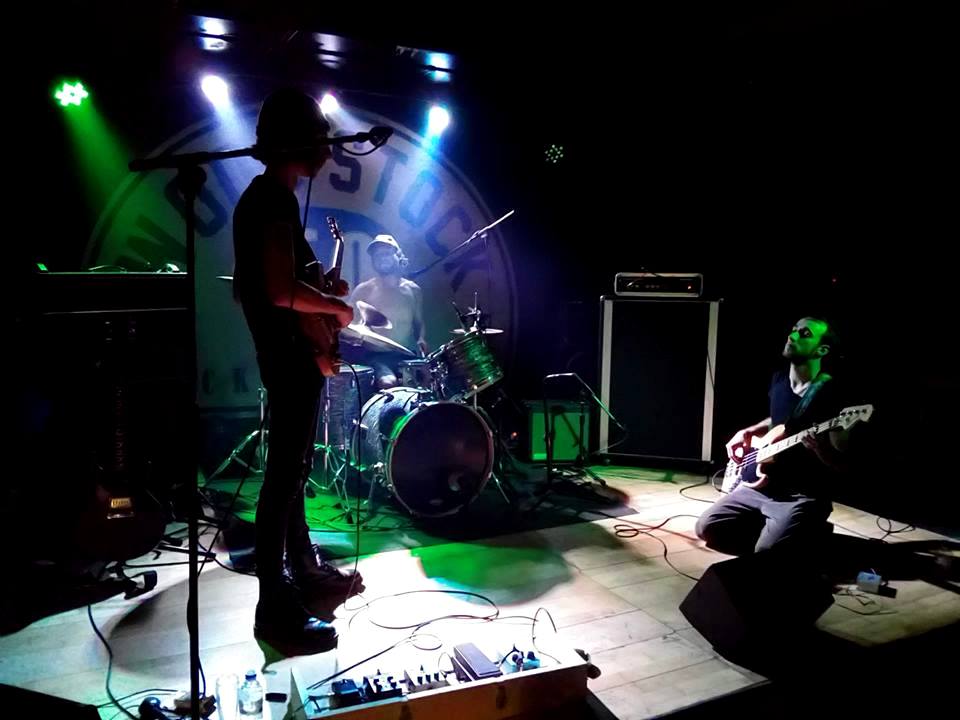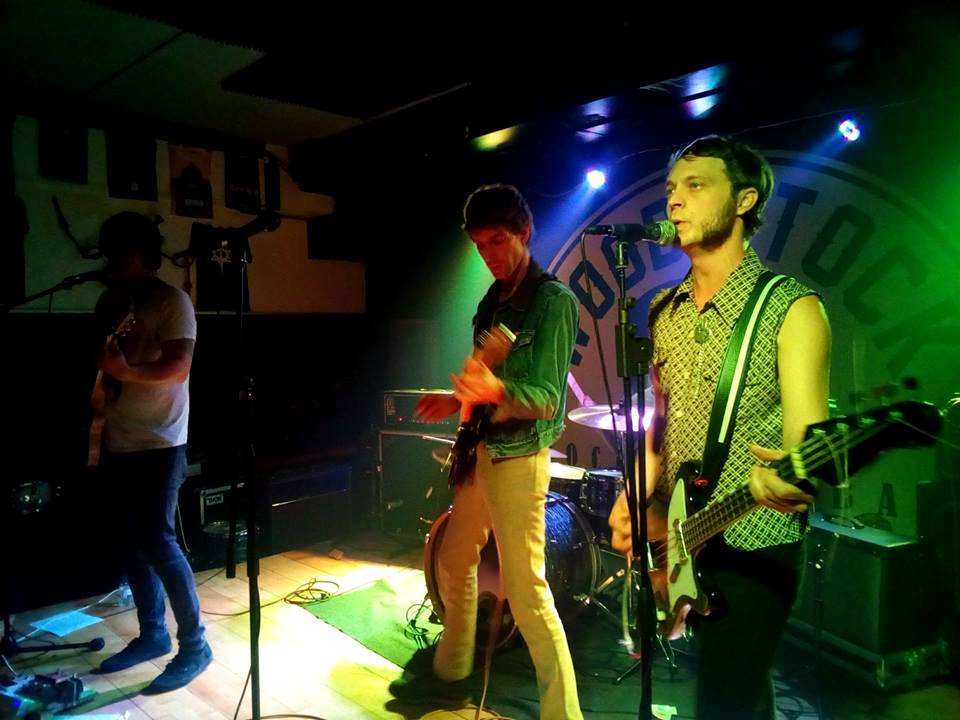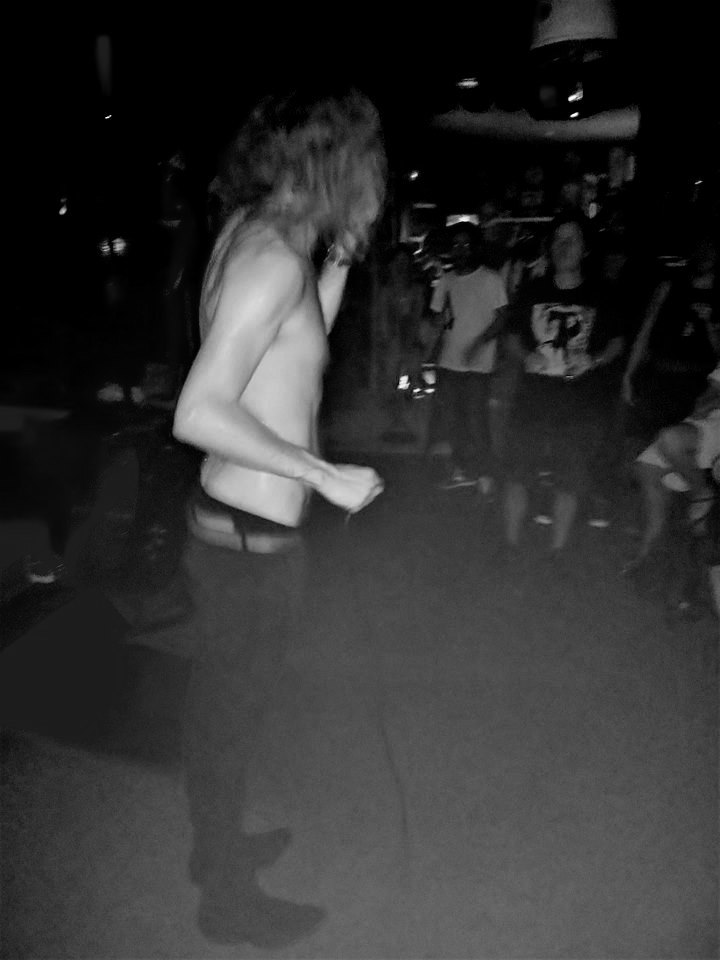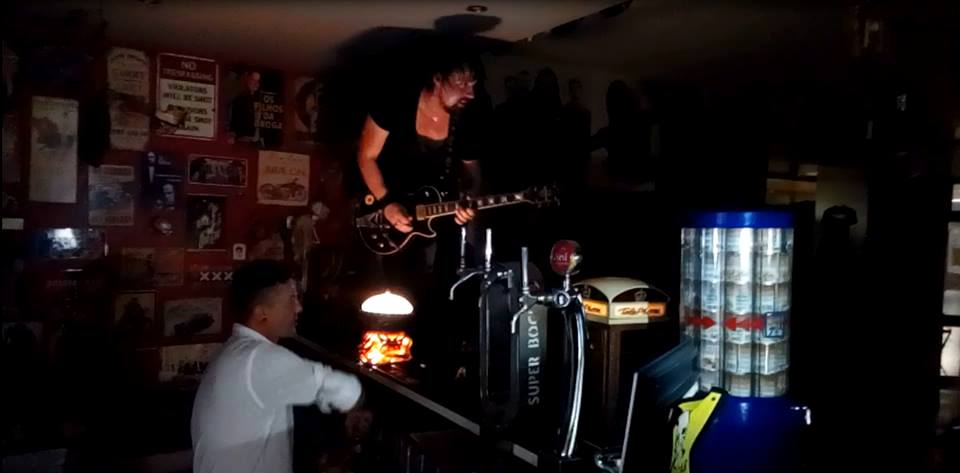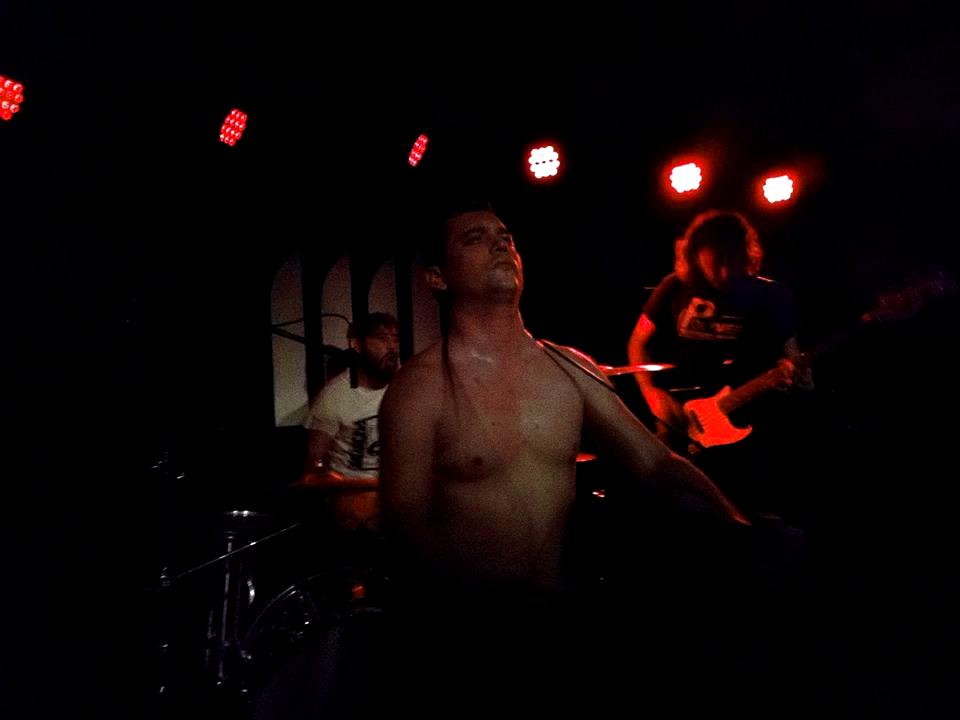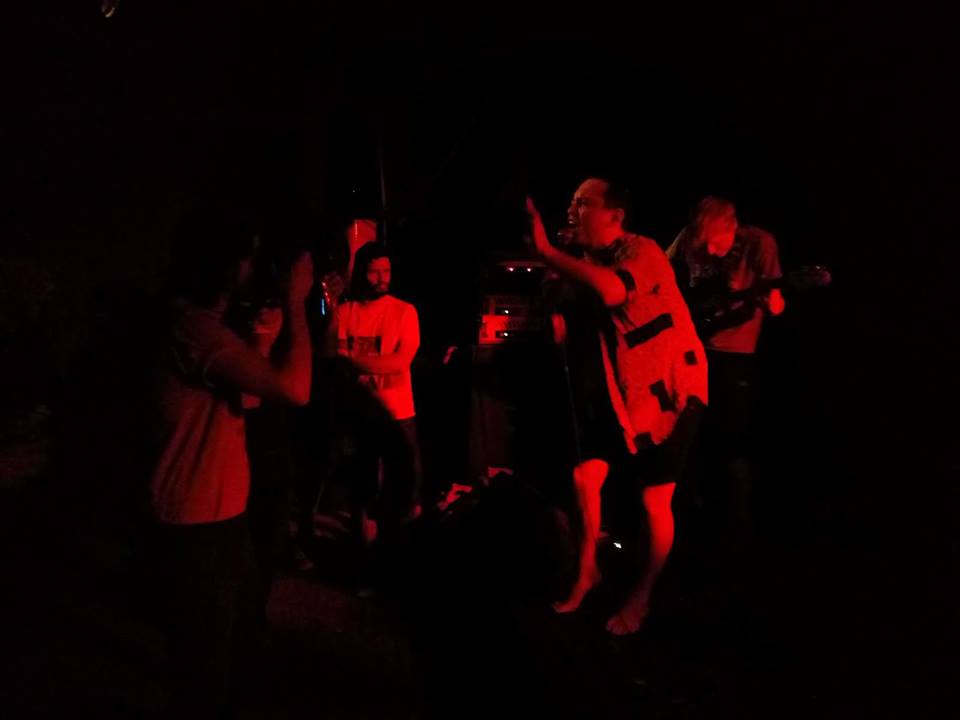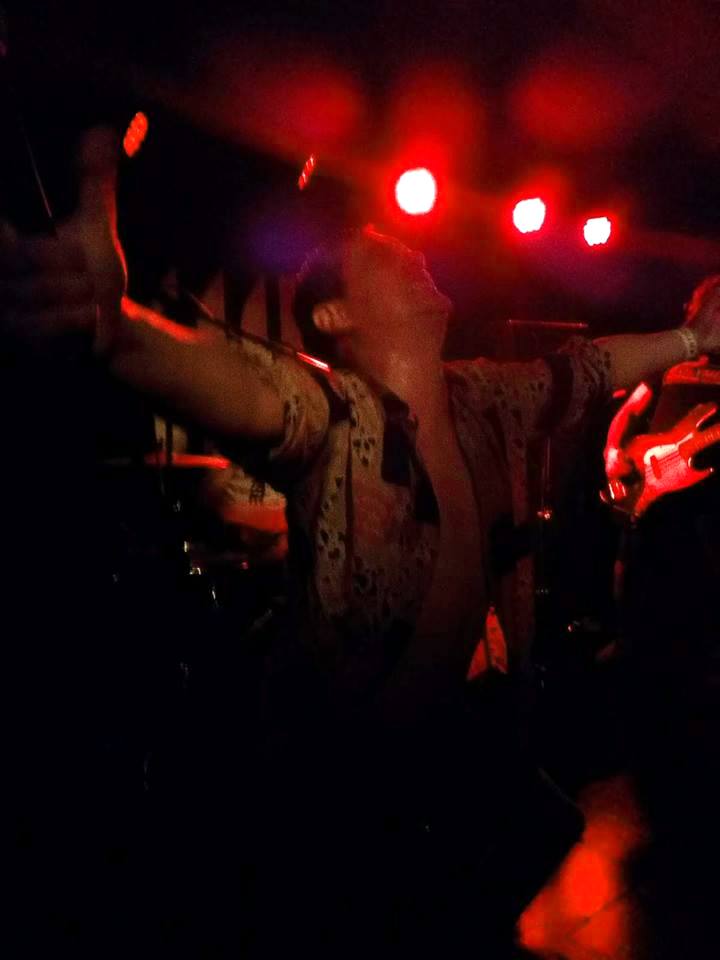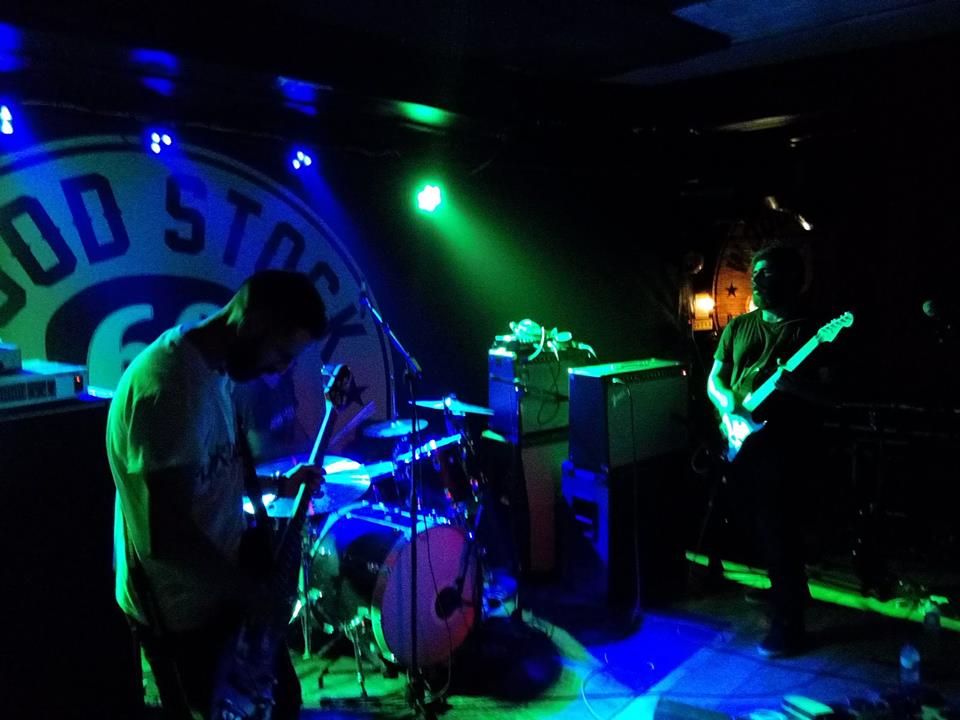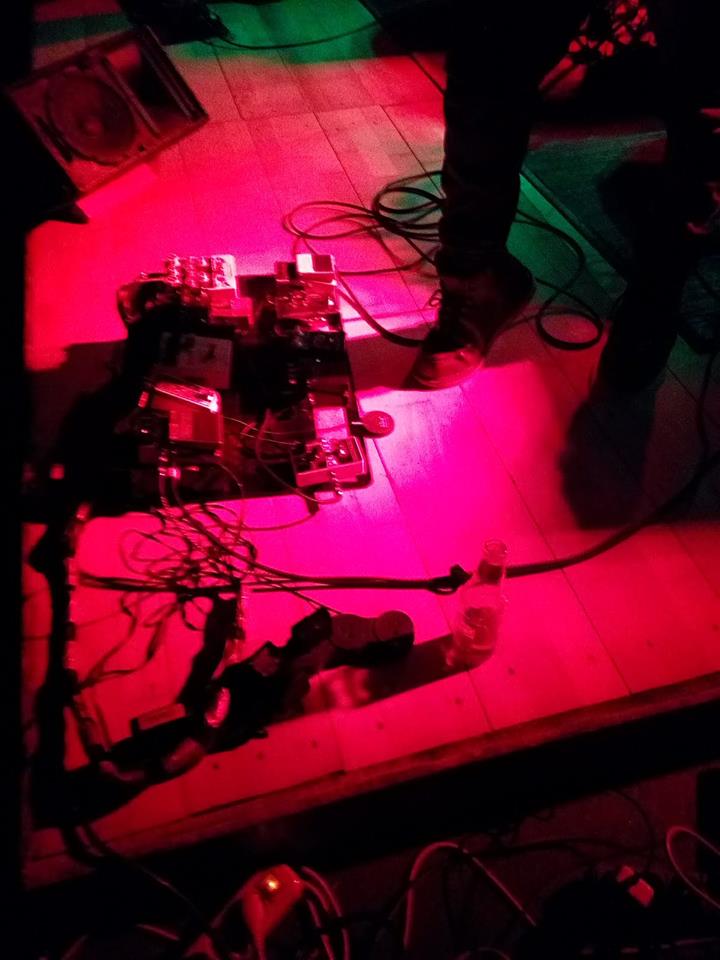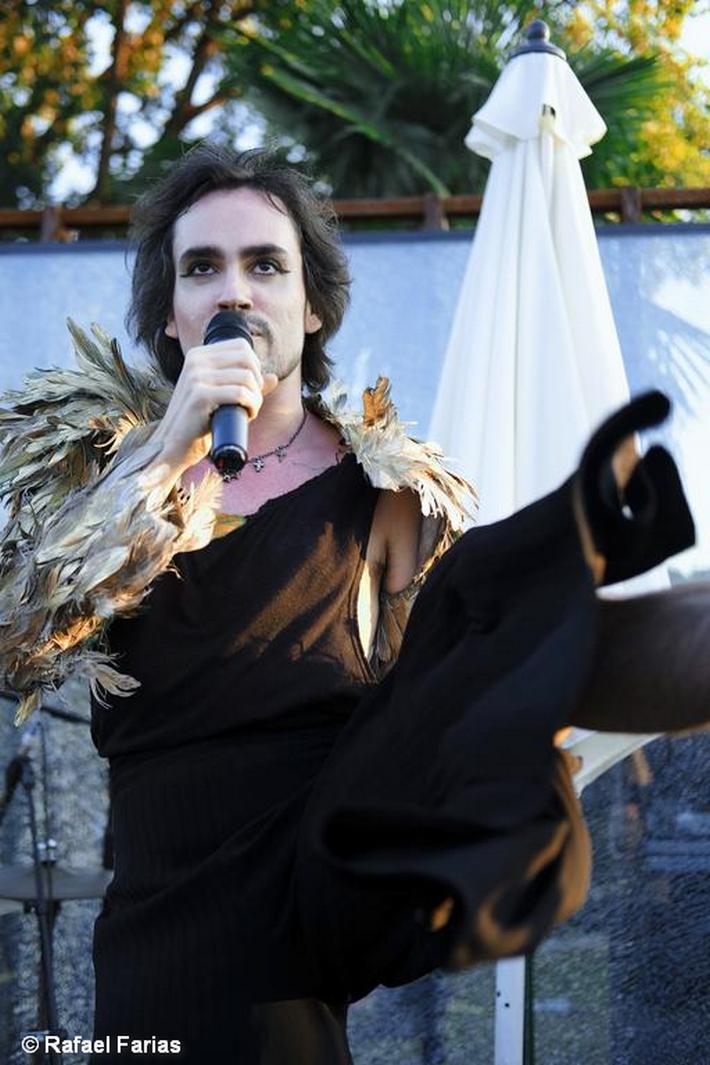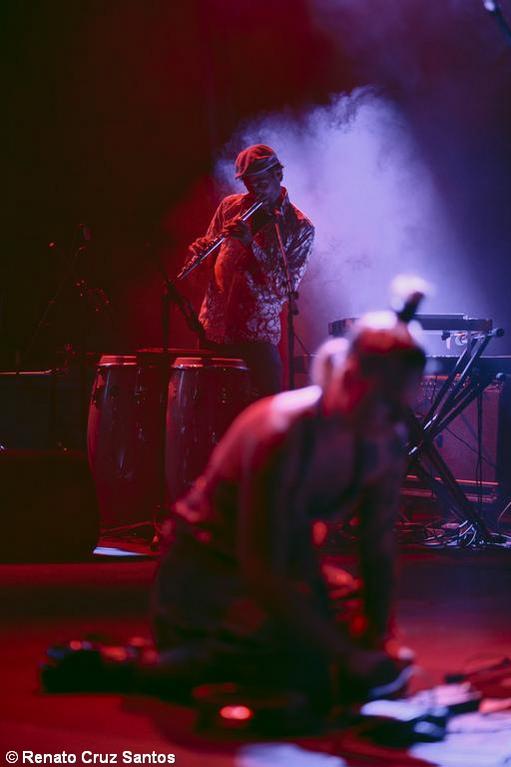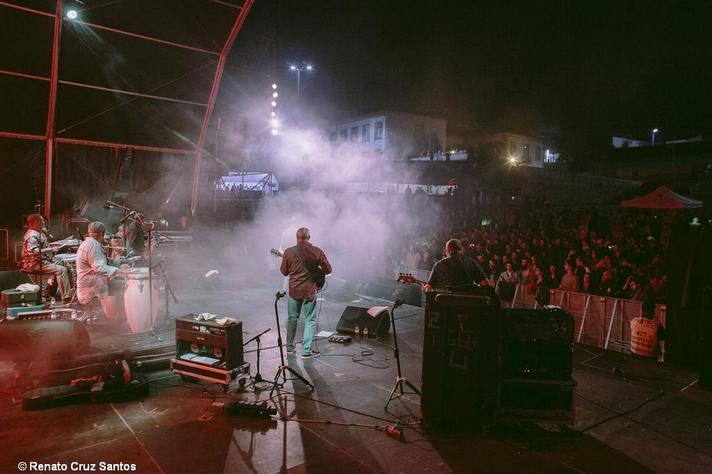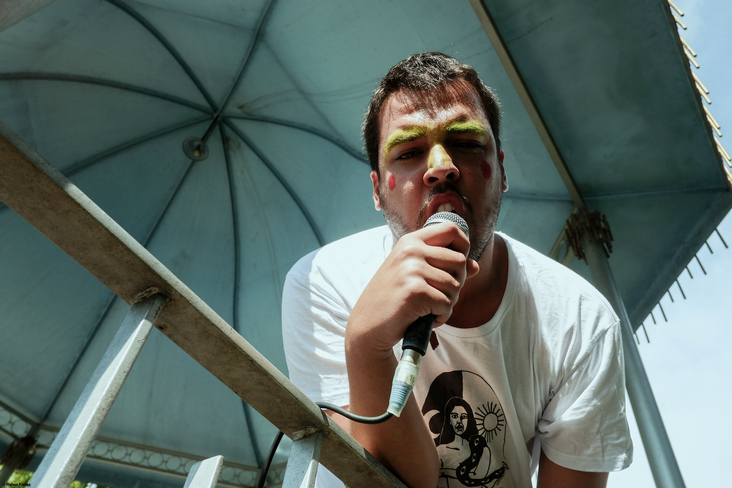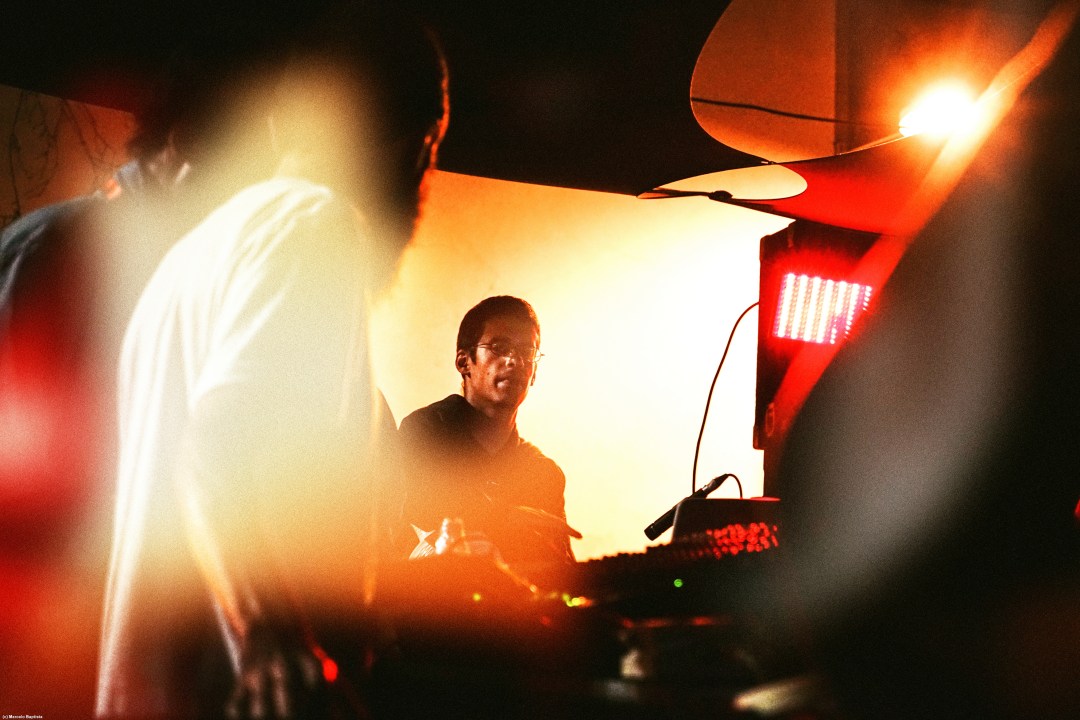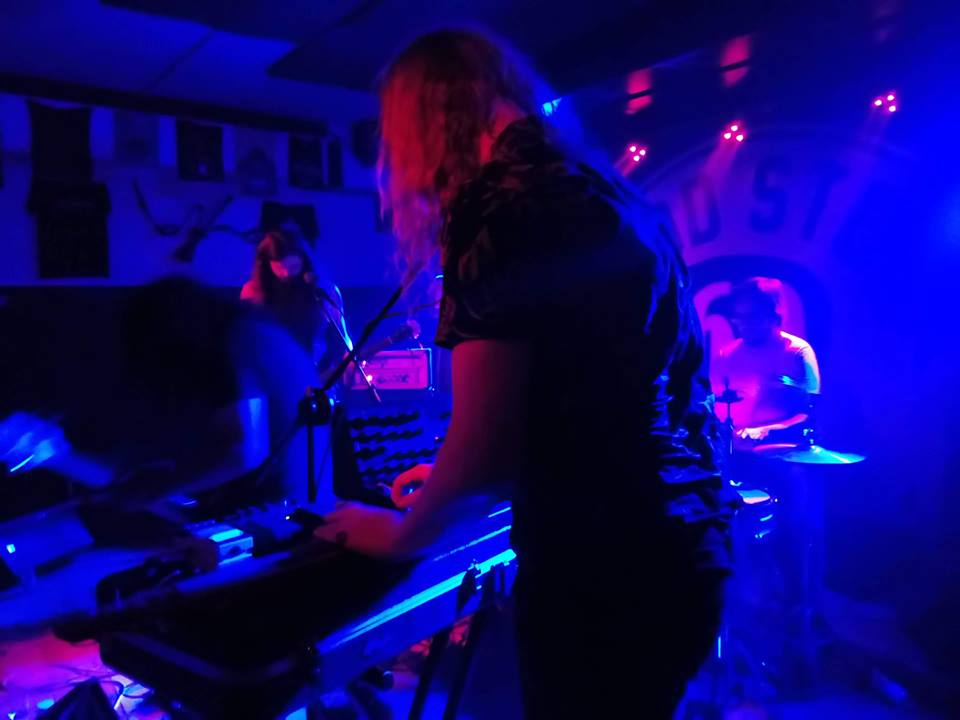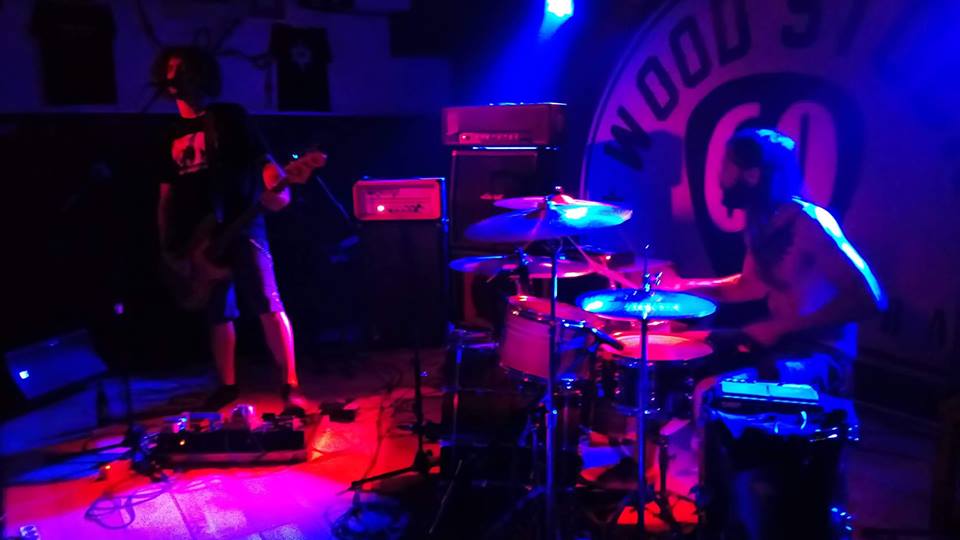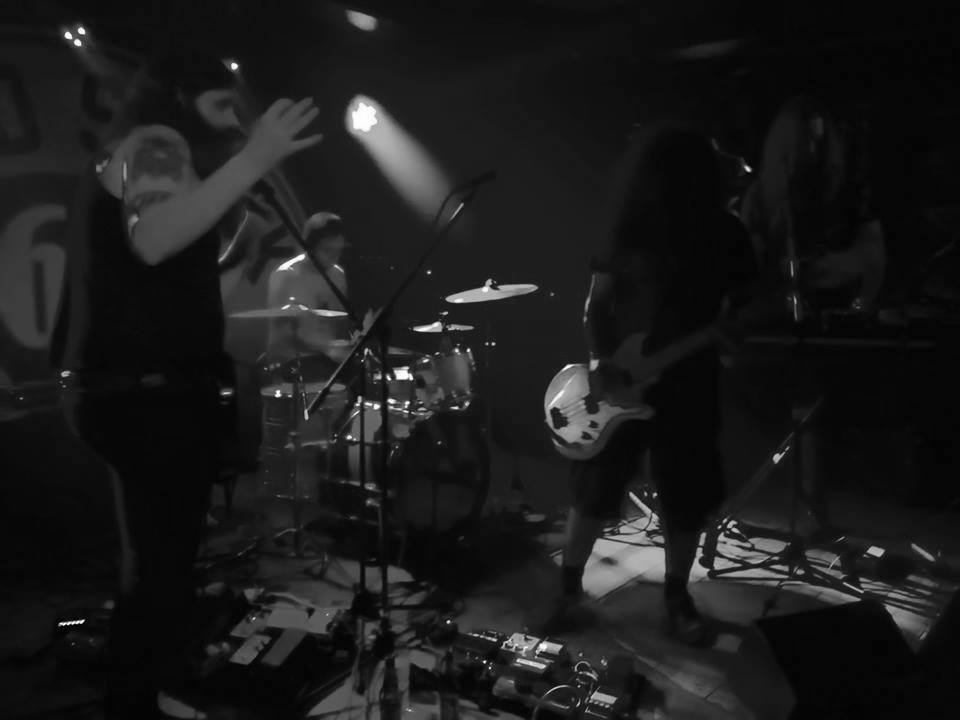
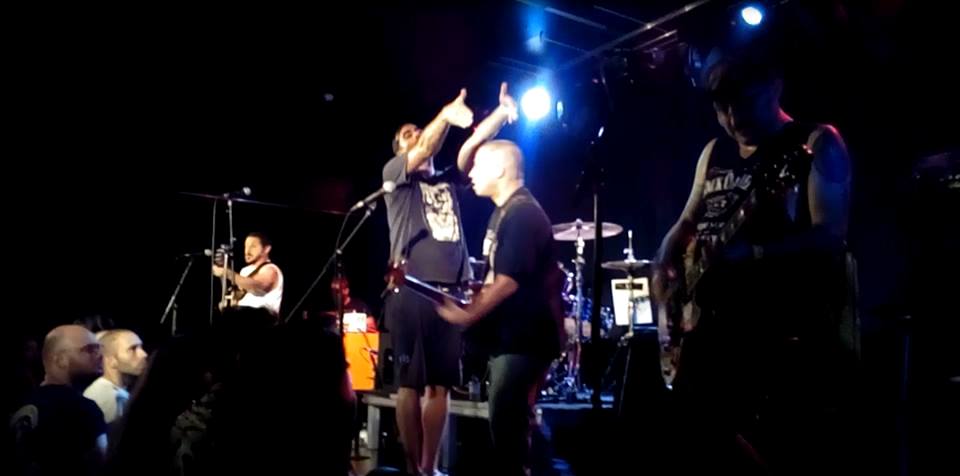
André Fonseca – Candelabro, Porto, 24.04.2018.

CIMG3856

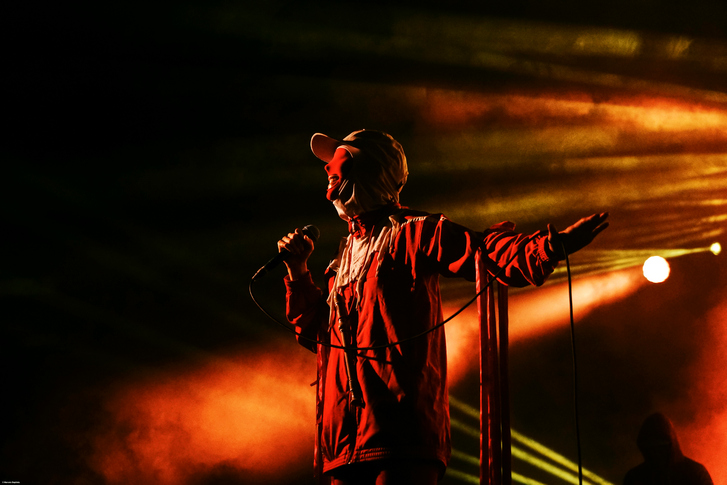
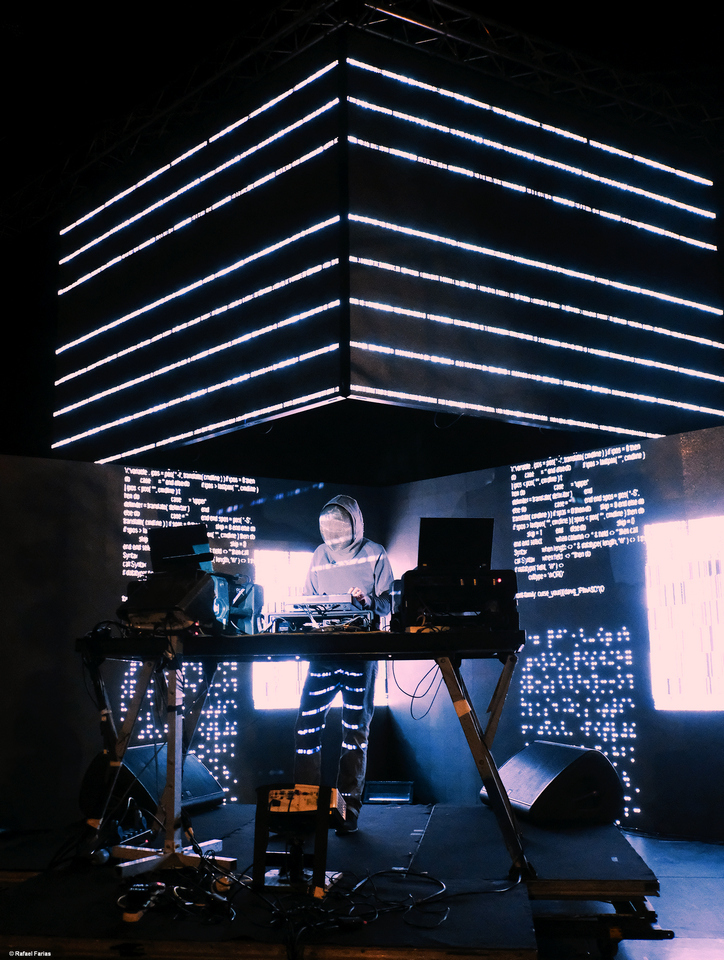
Beats,  loops, pre-recorded sounds with added live effects and manipulations, is what can be listed to on a André Fonseca live set/concert. Fonseca’s electronics are pleasant, ranging from more experimental landscapes to a dancable ones, always without going to extremes.
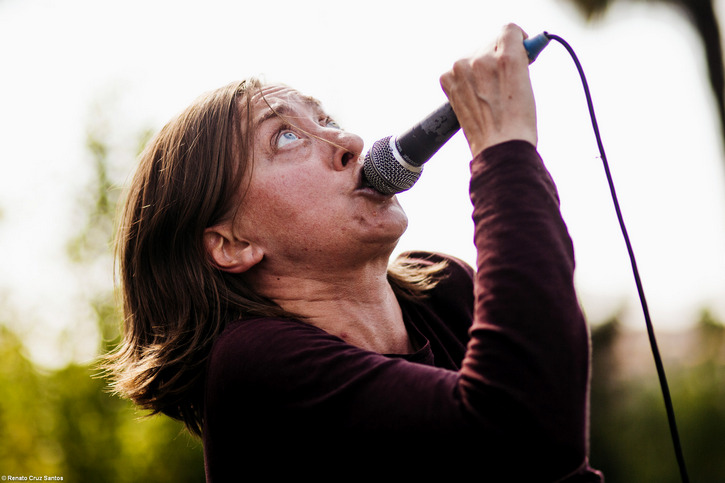
Personally, what fascinates me the most with this kind of music, is, literally, the assemblage of the gear, its interactions and the manipulations of the various devices on a live context.

Candelabro was a perfect place to watch those. There is no stage, the artist gear and hands are visible, allowing the observer, if interested, to see what is being done.

There is however, one risk with this type of music, especially in the evening in places that are also bars/clubs, at a point, people start to talk, spipping their drinks, turning their attention off the musician. Even because, if the venue is full, it can be hard to know if the music is live or a DJ/the venues’ ambient music.

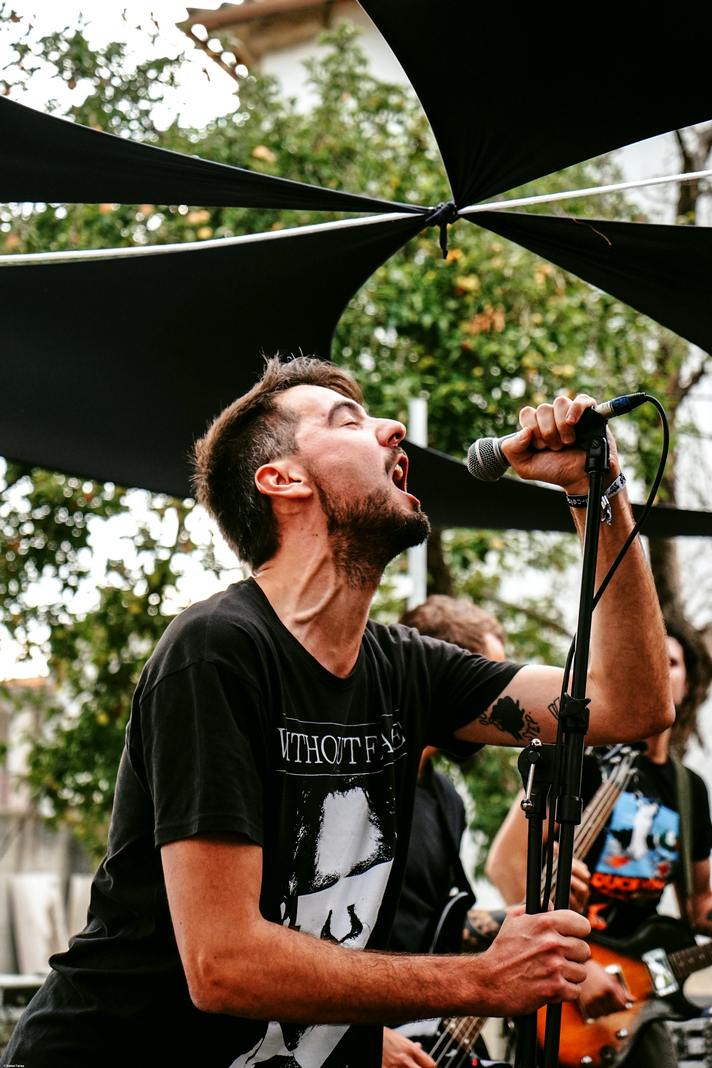
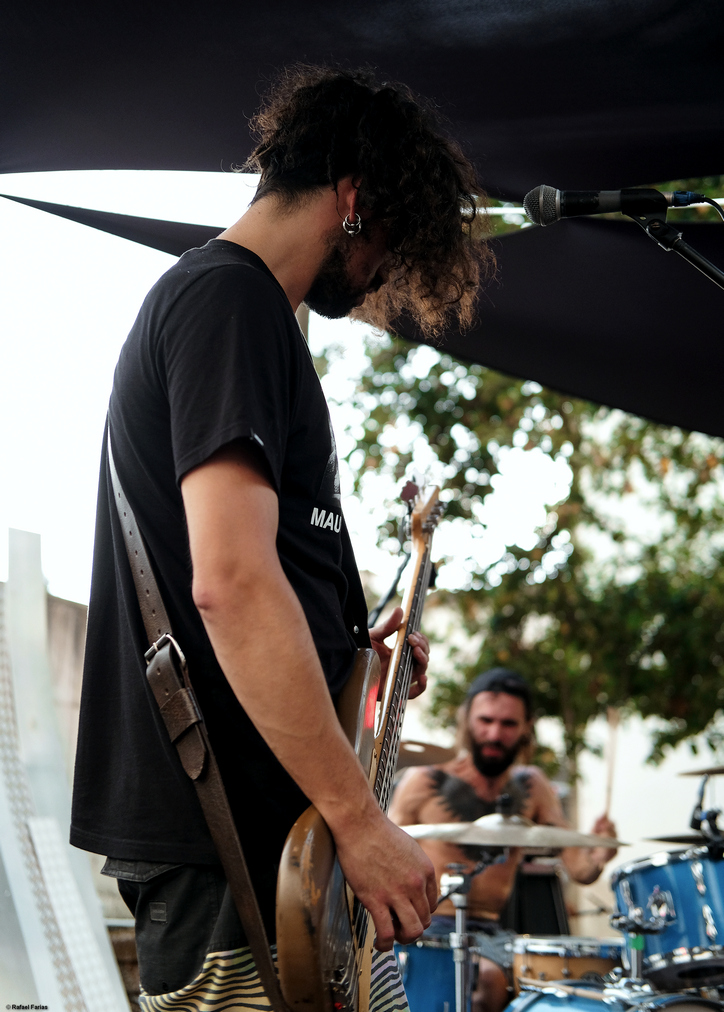
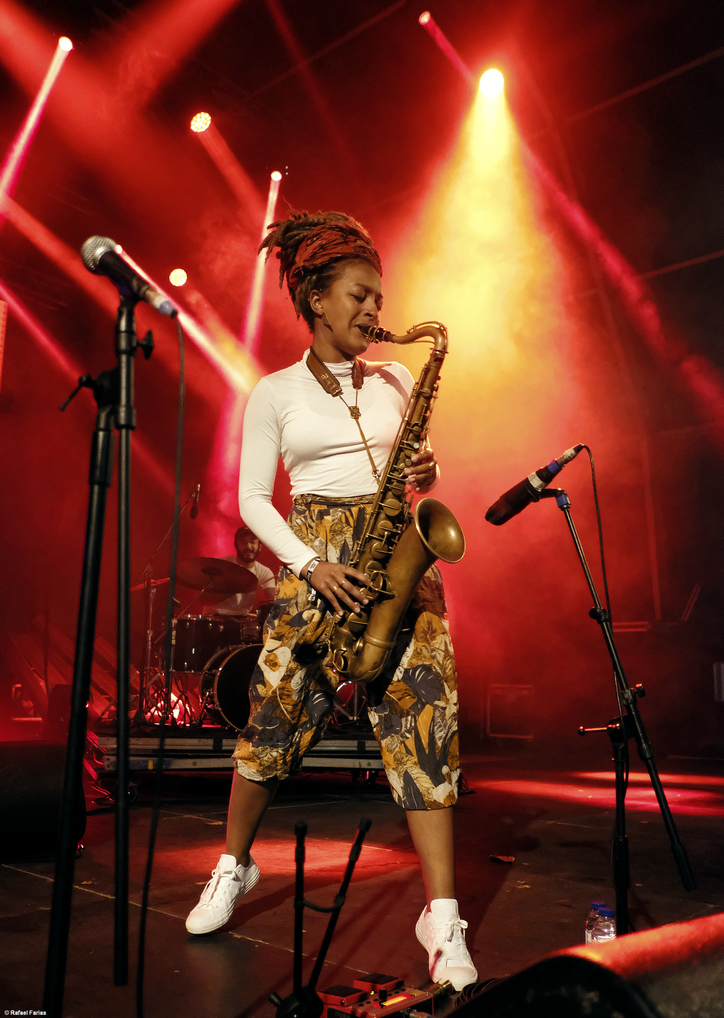
Sereias – Candelabro, Porto, 24.04.2018.

words & photos Raquel Pinheiro

Regardless of how many Sereias concerts one sees, they are never alike, even if, paradoxically, it is always possible to know it them that are playing.

The differences, often, aren’t so much on the general structure, but more on the details, the type of little and bigger inserts, the toning the always overwhelming frantic, chaotic, but controlled, energy, a notch down or up, and in adapting themselves to the venue and audience.

At Candelabro, a small place, from where the usual tables and chairs had been removed, they were staggering, hypnotic, rapturing the audience that was going along the band’s flow, at times, as berserked as Sereias.
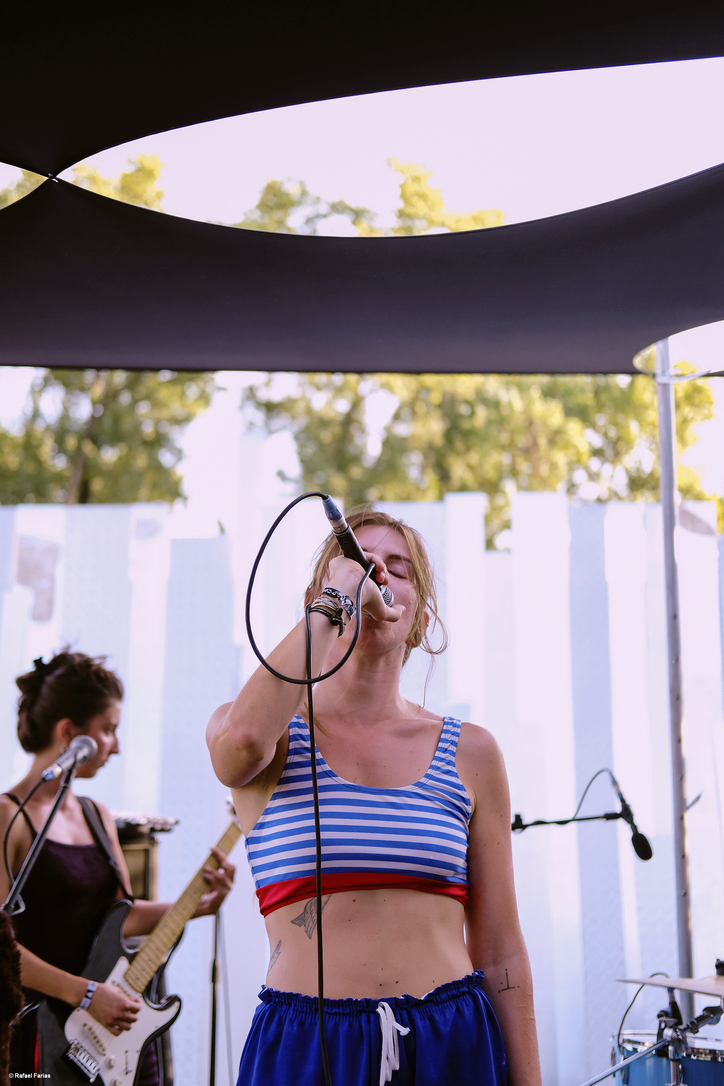
Split in two parts, a very intense, breathless, noisy, furious, with manic drums, bass and electronics at full speed wreaking havoc, the guitar’s metallic, acute, spasm throwing confusion, the saxophone adding another lawyer to the intensity, and the vocals, floating equally on a tone of insanity. The “second half”, could be called calmer, more peaceful, even if calm and peace, with Sereias, are euphemisms, but some parts were quieter, especially the theme before the last one, where the saxophone shone, and, then was absent on the final track.
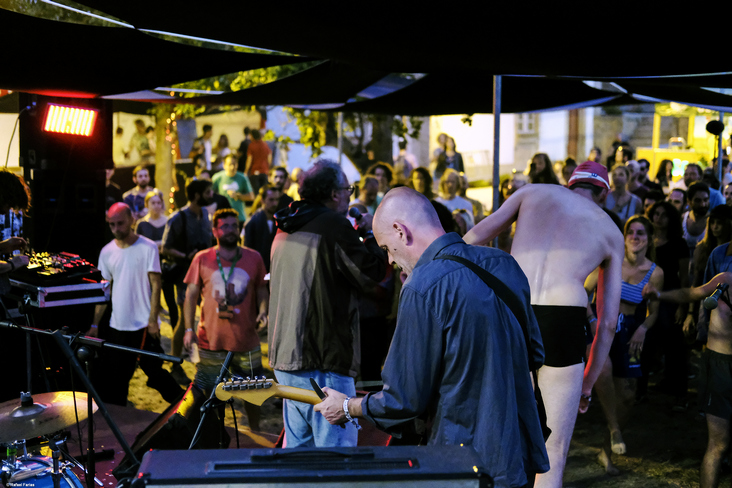
Sereias’ music always affects the audience that absorbs it, mimicking the feelings conveyed by the band. It is impossible to watch them and remain the same.


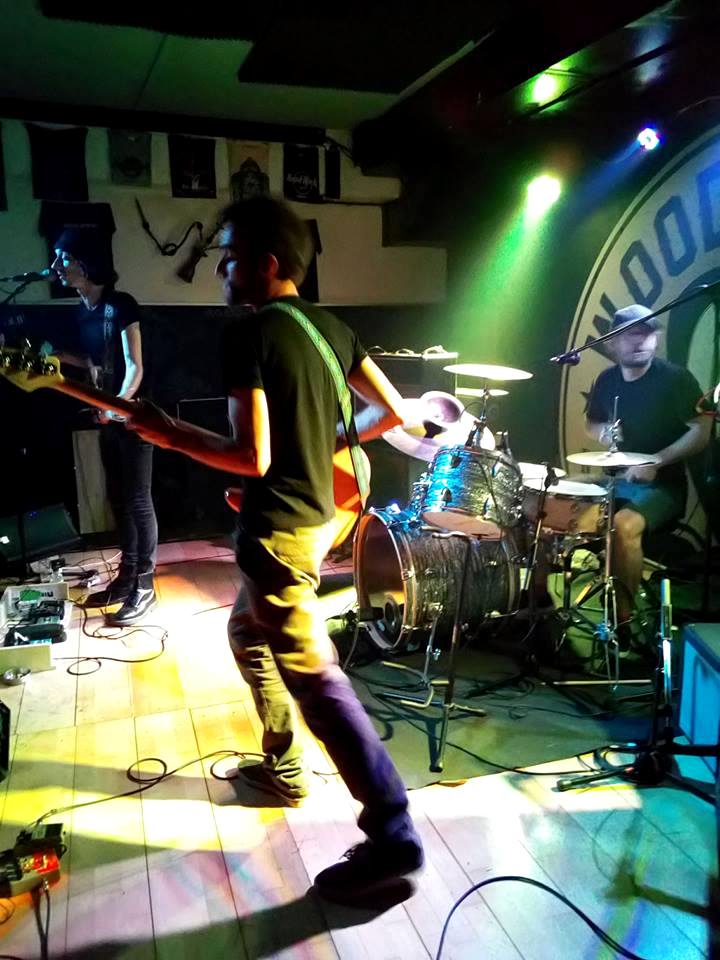
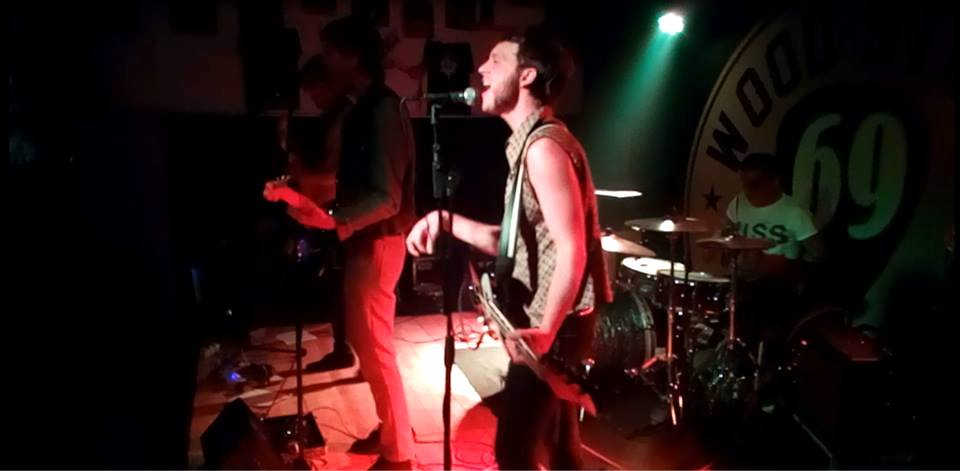
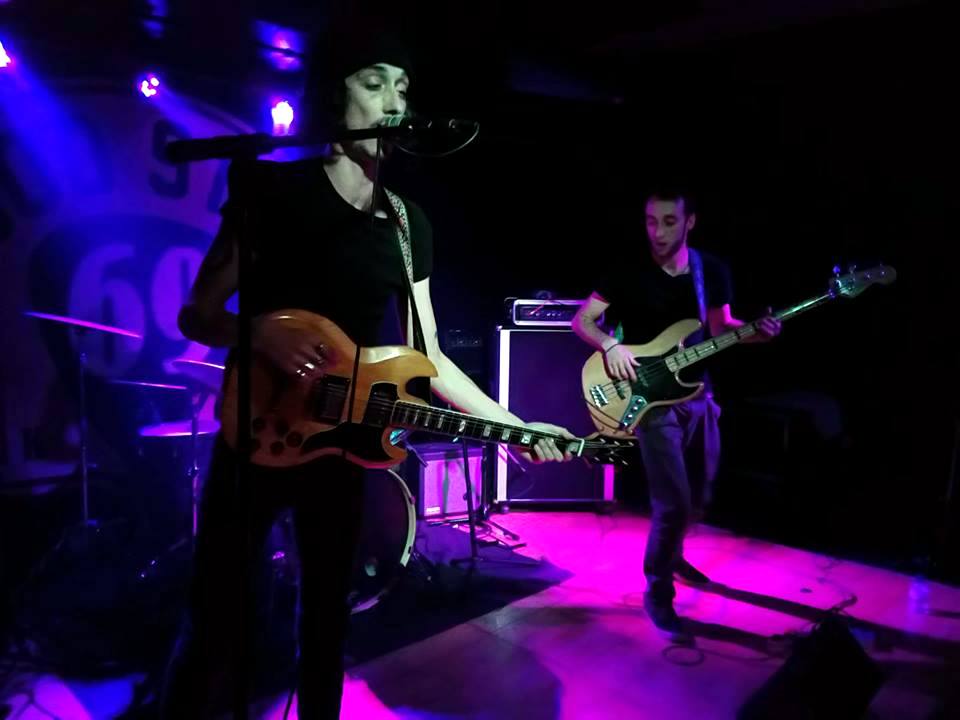
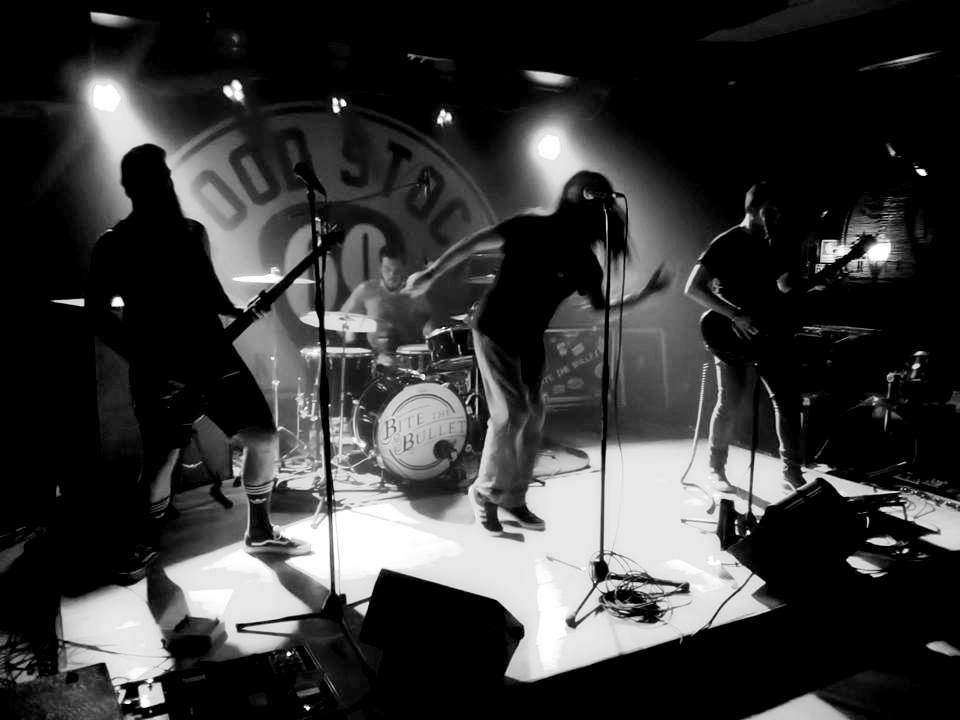
Summer of Hate + Dreamweapon, Woodstock 69, 19-04.2018.

words: Guilherme Lucas (freely translated by Raquel Pinheiro); photos: Guilherme Lucas

Summer of Hate, a band (I presume) from Porto or Greater Porto, gave a good concert last Thursday at Woodstock 69. I liked the band for two reasons: the first one being the very pleasant (indirect) realization that there are live projects like this one in Porto, that very interesting and extremely valid – refreshing, even – within certain types of rock’s subgenres, the second being because they already show a strength and a good direction, that to continue, will certainly result in very good things, perhaps directed to a broader audience within the underground.

Essentially, Summer of Hate are and artistic project from their mentor’s, musician João Martins, turned into a band, started in 2017 under the influence of Californians The Brian Jonestown Massacre. This influence is clearly understood in Summer of Hate’s sound, but I would say that live , the band sounds more like Suicide or Spacemen 3 (they are the best known and most obvious to avoid the drudgery of quoting other more current names), and I recognized in their last theme bits of Dirty Beaches (I end up mentioning one of the most current ones).

Those references that I point out are obvious in the band’s sound, but also obvious in their connections to each other. This project is psychedelic (as if anything else was possible), but within a completely rock’n’roll approach, using programming and keyboards, complemented by electric guitars with many effects, in order to create distinct sound layers in eternal hypnotic loops towards a long journey through the night, or the Cosmos (pick a choice), interspersed with sporadic vocals cloned in the best fashion after the great Alan Vega.

In short, one can consider post-punk’s sound, even a synthpunk one in psychedelic register. Summer of Hate are clearly in championship Suicide’s (who invented much of the sound that the band practices) heirs and, therefore, what will be asked to the ban is that throughout its path, tthey ry to renew that heritage. From what I’ve been given to see, they’re on the right track.

30743550_1675523719203476_4362910300650187331_n_PB (3)
Dreamweapon © Guilherme Lucas

dreamweaponofficial  dreamweapon are a project of enormous quality, with a depth and intensity worthy of reference. The concert offered by the band was always guided by great discipline and perfect connection between its two members, leading us to a fantastic and time-consuming journey, completely psychedelic and emotive. There is something deliciously tribal and mantric in their sound that immediately imprisons us; the guitar solos are absolutely magisterial and extremely well placed.

Then there is a whole clever resource to distorted and ambient drones, that work flawlessly. When a band manages to elevate me to other sensory and perception places for some good moments, knowing that I have always been physically in front of them and not having taken psychotropics or similar things, then this happens because the band is very good and fulfills its recreational function in an examplary way. Their sound references krautrock, post punk, industrial music and even electronic music. It should be noted that the band ‘s bass player, André Couto andrelopescouto, is also 10,000 Russos’ bass player. Have a good trip!

31069118_1675523659203482_4761719362350616162_n
Summer of Hate © Guilherme Lucas

Texto e fotos: Guilherme Lucas

Os Summer of Hate, banda (presumo) do Porto ou Grande Porto, deram um bom concerto na passada quinta-feira, no Woodstock 69. Gostei da banda por dois motivos: o primeiro pela muito agradável constatação (indireta) de que há projetos vivos como este na Invicta e que são muito interessantes e extremamente válidos – e até refrescantes – dentro de certos tipos de subgéneros do rock, e o segundo motivo porque já exibe uma pujança e uma boa direção, que a continuar, vai certamente resultar em coisas muito boas, e quiçá, direcionado para públicos mais amplos ao underground.

Os Summer of Hate é essencialmente um projeto artístico, feito banda, do seu mentor, o músico João Martins, iniciado em 2017 sobre a influência dos californianos The Brian Jonestown Massacre. Entende-se claramente essa influência no som dos Summer of Hate, mas diria que a banda soa ao vivo mais a Suicide ou Spacemen 3 (são os mais conhecidos e os mais evidentes para evitar a estafa de citar outros nomes mais atuais), e reconheci no seu último tema algo de Dirty Beaches (afinal citei um dos mais atuais).

Estas referências que aponto são óbvias no som da banda, mas também óbvias entre si, nas suas ligações. Este projeto é psicadélico, (como não podia deixar de ser), mas numa abordagem completamente rock’n’roll, usando programações e teclados, complementados por guitarras elétricas com muitos efeitos, de forma a criar camadas sonoras distintas em eterno loop hipnótico rumo a uma longa viagem pela noite ou pelo Cosmos (é escolher), entremeada com vocalizações esporádicas que são clonadas ao melhor estilo de um genial Alan Vega.

Abreviando a coisa, podemos considerar o som de post punk e até de synthpunk em registo psicadélico. Os Summer of Hate estão claramente no campeonato dos herdeiros dos Suicide (que inventaram muito do som que a banda pratica) e por isso o que se exigirá ao grupo, é que ao longo do seu percurso, tente renovar esta herança. E pelo que me foi dado assistir, estão no caminho certo para isso.


Moaning + METZ, Hard Club, Porto, 18.04.2018. – Part 2.

METZ_5

words: Guilherme Lucas (freely translated by Raquel Pinheiro ); photos: Guilherme Lucas

Canadian band METZ, on an European tour to promote their Strange Peace, their latest album gave a tremendous concert … tremendous isn’t enough, let’s say colossal, to do it justice. The noise rock- post grunge- hardcore trio of is completely breathtaking live. The sound they charge with is brilliant and surprises not only because of the enormous control they show in the overall performance of their repertoire, but mostly in constancy, expressing every detail of each theme. If there is one important  thing rock guitarists candidates for today’s underground can learn from them is the imaginative and tremendously good use of distortion by the band’s mentor, guitarist and vocalist Alex Edkins, a genius.

Without further delay and going straight to the heart of the matter: live, METZ very rarely flee from the sonic archetype of Mudhoney, Sonic Youth, but above all of, Nirvana. That is also very noticeable in the energy they emanate, and in all the intelligent dosage of the different intensities they control. I know the band recognizes this reading by their fans and the press and does not see it as a problem, since those are classic influences on their sound’s growth. But as much as one wants to distance from this type of models, live, the band is completely grunge and insane in a very Nirvana way. For me that is great (because I am a self-confessed fan of this type of rock subgenre), and because they are so convincingly superior continuing that heritage today, innovating and revitalizing it. I do not have the slightest doubt considering them one of the biggest names in the post-grunge scene as an example  of Nirvana’s legacy.

But are Nirvana all there is to their music? Of course not; I find in it amazing things that range from PIL to Killing Joke, as well as an whole universe subsequente to those  aforementioned, but that in some way, always are  names with “minor” status, like The Melvins, Black Flag, Big Black or even Dinosaur Jr. METZ are not clones, they have their own game and their own sound, but the colors they wear are the ones I pointed out. As it can be understood, the audience surrended to the band’s brilliant performance, andd I think too thristing, when they ended their performance. They returned to the stage for another theme (which wasn’t enough), and broke  everything that was already in pieces, without taking  any prisoners. They left in glory. This is my final: when the Metz return- and if you like proper rock – the type that  gives meaning to life … do not lose them, it is forbidden.

texto e fotos: Guilherme Lucas

Os canadianos METZ, que andam em tour europeia a promover o seu último trabalho Strange Peace, deram um enorme concerto… enorme é pouco, digamos que colossal, para fazer a devida justiça. Este trio de noise rock/post grunge/hardcore é completamente arrasador ao vivo. O som que debitam é genial e surpreende não só pelo enorme controle que demonstram na execução geral do seu repertório, mas sobretudo pela sua constância, de forma expressiva, de todos os pormenores de cada tema. Se alguma coisa de importante os candidatos a guitarristas de rock underground da atualidade podem aprender com eles é na utilização imaginativa e de enorme bom gosto da distorção por parte do seu mentor, o guitarrista e vocalista Alex Edkins, um génio.

Sem mais delongas e indo diretamente ao centro do assunto: os Metz ao vivo muito raramente fogem do arquétipo sonoro de uns Mudhoney, Sonic Youth, mas acima de tudo de uns Nirvana. Isso é também muito notório na energia que emanam, e em todo o inteligente doseamento de diferentes intensidades que controlam. Sei que a banda reconhece esta leitura por parte dos seus fãs e da imprensa e não vê nisso um problema, pois são influências clássicas no crescimento do seu som. Mas por mais que se queira distanciar deste tipo de modelos, ao vivo a banda é completamente grunge e demencial num registo muito Nirvana. Para mim isso é ótimo (pois sou fã confesso deste tipo de subgénero de rock), e porque são tão convictamente superiores a prosseguir na atualidade essa herança, que a inovam e a revitalizam. Não tenho a mais pequena dúvida em os considerar um dos maiores nomes atuais da cena post grunge a renovarem de forma exemplar o legado de uns Nirvana.

Mas há só Nirvana na música deles? Óbvio que não; encontro nela coisas surpreendentes que vão de PIL a Killing Joke, passando por todo um outro universo posterior aos citados, mas que de alguma maneira, são sempre nomes com estatuto “menor”, como uns Melvins, Black Flag, Big Black ou até uns Dinosaur Jr. Os Metz não são clones, tem o seu próprio jogo e o seu próprio som, mas as cores que vestem são as que assinalei. Como se consegue perceber, o público ficou rendido à brilhante atuação da banda e acho que sequioso de mais, quando esta deu por finalizada a sua atuação. Regressaram ao palco para mais um tema (que soube a muito pouco), e partiram tudo o que já estava em cacos, sem fazerem prisioneiros. E saíram em glória. O meu conselho final é este: quando os Metz regressarem aqui ao cantinho – e se gostam de rock como deve de ser – daquele que dá sentido à vida… não os percam, é proibido.

Moaning + METZ, Hard Club, Porto, 18.04.2018. – Part 1.

Moaning_1
© Guilherme Lucas

words: Guilherme Lucas (freely translated by Raquel Pinheiro ); photos: Guilherme Lucas

American band Moaning, literally one of Sub Pop ‘s the youngest promises, opened the hostilities for the Metz. This was the their second night of the European promotion tour of their self-titled debut album, Moaning gave a good concert. This very (very) young band has a curious sonority, namely: they mix many influences within the alternative rock in which we become familiar during the last decades (mainly the 80s and 90s), and, in a certain way, they manage to offer a customized final product and with good themes to reach several different leagues – among them radios, as well as an audience public that bets on devising new tendencies that are about to be confirmed, that is, interested in new hypes.

It is undeniable that many of the trio’s most relevant influences are post-punk; keyboards, bass lines that often remind us of New Order … and in many of the seemingly uncommitted, fragile, and abandoning vocals of their vocalist /guitarist Sean Solomon, it is often recognizable a not sloopy haunting in Ian Curtis ‘s the vocal record. But, to make things easier, Interpol can be easily refered as a more recent and up-to-date sound statement, and everything gets better defined and without much doubt to debate. However the bandn’t stop here, it also creates some punk- grunge hits (more  leaning towards pop), it is in this combination that it offers us some pop-rock pearls of teen angst. On stage , the band demonstrates a lot of competence in the interpretation of their themes, also showing a degree of “nerdiness” sufficiently attractive to captivate a young fan of bands outside the pack.

In reality they are a genuine pop-rock band, and in my opinion, very promising beyond what seems obvious. There have themes that work, they have songs … therefore, they have valuable things to be listened and appreciated by many. As I mentioned before, they gave a good concert; much of the audience reacted well to the band, but in the end I retained the idea that this was more a growth concert than a clarified definition of the group; I’m not sure if they are  outstanding, or just another bet on a band with a very limited time  interest. The band’s next work will certainly answer that doubt of mine.


texto e fotos: Guilherme Lucas

Os norte-americanos Moaning, literalmente uma das mais jovens promessas da editora Sub Pop, abriram as hostilidades para os Metz. Sendo esta a sua segunda noite da tour europeia de promoção do seu álbum homónimo de estreia, os Moaning deram um bom concerto. Esta (muito) jovem banda tem uma sonoridade curiosa, a saber: misturam muitas influências dentro do rock alternativo que nos são familiares ao longo das últimas décadas (principalmente anos 80 e 90), e de certa forma, conseguem oferecer um produto final personalizado e com bons temas para atingir vários campeonatos diferentes – entre eles as rádios bem como um público que aposta em endeusar novas tendências que estão por se confirmar, ou seja, interessados em novos hypes.

É inegável que muitas das influências mais relevantes do trio encontram-se no post punk; os teclados, as linhas de baixo que lembram em muitos momentos os New Order… e em muitas das vocalizações aparentemente descomprometidas, frágeis e de abandono do seu vocalista/guitarrista Sean Solomon, reconhecemos em muitos momentos um assombramento que não é displicente no registo vocal de um Ian Curtis. Mas para facilitar a coisa podemos sem problema algum referir uns Interpol como uma indicação sonora mais recente e atual, e tudo fica mais bem definido e sem muitas dúvidas para debater. No entanto a banda não se fica por aqui, ela faz investidas também em algum punk/grunge (na vertente mais pop), e é nesta combinação que nos oferece algumas pérolas pop/rock de angústia adolescente. A banda demonstra em palco muita competência na interpretação dos seus temas, evidenciando também um grau de “nerdismo” suficientemente atrativo para cativar público jovem fã de bandas fora do baralho.

Na realidade são uma genuína banda pop/rock, e na minha opinião, muito prometedora para além do que parece ser evidente. Tem temas que funcionam, tem canções… logo tem coisas com valor para ser escutadas e apreciadas por muitos. Como referi atrás, deram um bom concerto; muito do público presente aderiu muito bem à banda, mas no final retive mais a ideia de que este foi mais um concerto de crescimento do que de definição esclarecida do grupo; fica-me a dúvida se estamos perante uns fora de série, ou só mais uma aposta numa banda com interesse muito limitado no tempo. No próximo trabalho da banda terei certamente a resposta a esta minha dúvida.

Moaning_3
© Guilherme Lucas

BEESUS, Woodstock 69 Rock bar, Porto, 17.04.2018

30712184_1672959809459867_3581379141511189845_n
© Guilherme Lucas

words: Guilherme Lucas (freely translated by Raquel Pinheiro ); photos: Guilherme Lucas

BEESUS and Italian band from Rome, gave their first ever concert in Portugal last Tuesday at Woodstock 69. They are on an European mini-tour during April, and this was a good opportunity for see them and draw some live conclusions  about the quartet. Records wise the group demonstrates to be  a band that fuses several subgenres of today’s heaviest underground rock, having a bit of everything to offer to a vast audience within the underground.

Essentially, I would say that they make a very good connection between doom and stoner rock, but many more things stand out in their music. There is grunge, some metal (more on the post metal strand, although there are also old school things), hardcore punk (more leaning towards sludge)… and a lot of fuzz and psychedelia, – although they are not a band of cosmic travels band and such – theirs is more immediate and more based on devastatingly slow, crude and hypnotic tempus (at times there are references to the Swans, but more to sounds that are somehow very familiar to those that are into this sound spectrum). As far as I am concerned, I have identified many moments that owe everything to The Rollins Band (later confirmed by the band as a very important reference in their sound). There is a lot of punk in the attitude of the band, which is notorious live. Beesus gave a very good concert, with many good moments; some truly intense and abrasive.

The audience completely embraced the band’s intensity and enthusiastically thanked the band for its presence on an unusual day for live concerts, as a Tuesday always is. After the end of the show, exchanging some impressions, with the band’s guitarist, Francesco Pucci (also the guitarist of Italian band FVZZ POPVLI, a heavy psych band), he commented on the band’s happiness about their gig in Portugal, and the importance of the first time for a band that is progressing and growing a lot based on performed concerts, but also because of a DIY attitude. The talk versed the importance of punk bands of the 80s, and garage, as partial influence of the band’s sound, as well as, of course, many others that are not directly linked to this subgenre, that  always shared that sound or attitude.  From now on, let us wait for Beesus to return more times to Portugal because they are a good group to follow its future evolution. Same for FVZZ POPVLI, that are also an interesting band.

texto e fotos: Guilherme Lucas

Os BEESUS, banda italiana, natural de Roma, deram o seu primeiro concerto de sempre em solo nacional, na última terça-feira, no Woodstock 69. Andam em mini-tour europeia durante este mês de Abril, e esta foi uma boa oportunidade para os ver e tirar algumas conclusões sobre este quarteto ao vivo. O grupo demonstra ser discograficamente uma banda de fusão de vários subgéneros do rock mais pesado e underground da atualidade, tendo um pouco de tudo para oferecer a um público vasto dentro do underground.

Essencialmente, diria que fazem uma ligação muito bem conseguida entre o doom e o stoner rock, mas mesmo assim há muito mais coisas que ressaltam na sua música. Há grunge, algum metal (mais na vertente post metal, embora existam coisas old school), há punk hardcore (mais na vertente sludge)… e muito fuzz e psicadelismo, – embora não seja banda de viagens cósmicas e afins – o deles é muito imediato e mais baseado em tempos devastadoramente lentos, crús e hipnóticos (há momentos que remetem para uns Swans, mas para mais sons que são, de alguma forma, muito familiares para quem está dentro deste espetro sonoro). Da minha parte identifiquei muitos momentos que devem tudo a uma Rollins Band (mais tarde confirmado pela banda como uma referência muito importante no seu som). Há muito de punk na atitude da banda, isso é notório ao vivo. Os Beesus ofereceram um muito bom concerto, com muitos bons momentos; alguns verdadeiramente intensos e abrasivos.

O público presente aderiu completamente à intensidade da banda e esta agradeceu, de forma entusiástica, a presença do mesmo num dia incomum para concertos ao vivo, como é sempre uma terça-feira. Após o final do espetáculo, e trocando algumas impressões, com o guitarrista da banda, Francesco Pucci (também guitarrista dos italianos FVZZ POPVLI, uma banda de heavy psych), este comentou o contentamento da banda por ter realizado o seu primeiro gig em Portugal, e da importância da primeira vez para uma banda que está a progredir e a crescer muito à base dos concertos realizados mas também de toda uma atitude DIY. Falou-se da importância das bandas punks dos anos 80’s e garage como influência em parte do som da banda, bem como, e obviamente, de muitas outras que não estando diretamente ligadas a esse subgénero, sempre partilham esse som ou então a atitude. Aguardemos que os Beesus regressem, a partir de agora, mais vezes a Portugal pois são um bom grupo para seguir a sua evolução futura. E já agora, também os FVZZ POPVLI, que também são uma banda interessante.

Electric Octopus, Woodstock 69, Porto, 30.03.2018

words: Guilherme Lucas (freely translated by Raquel Pinheiro ); photos: Guilherme Lucas

Electric Octopus, a trio from Belfast, UK, gave a concert last Friday at Woodstock 69, out of all the usual conventions within rock concerts. Because they played three sets apart and possibly played three hours or even a little more. The Woodstock 69 had a flood of public who knew what was going for (this time the bar was really at capacity), and, in that sense, no one was left disappointed in their expectations, as well as the band itself that, at the end, informed it was their first time in Portugal, but that they would return to WS69, because they loved the environment created around their performance.

Electric Octopus are a very curious collective, outside of the common parameters within current instrumental and psychedelic rock. They have a very own and remarkable speech, that, I believe, few will be indifferent to their music and show. Because it has an extensive, interesting and very varied discography in terms of musical latitudes, because they are essentially, psychedelic, but excellent performers in the combustion of distortion and fuzz of other genres, such as funk, blues, jazz and even reggae. That is, they have no sound barriers; the sound of the band always looks for meetings and fusions among several musical genres. But what sets them apart from almost every band is their admirable ability to make their music come out of a loto f improvisation, in a jam-session registry.

And the fact is, live it is notorious and impresses anyone. Playing three hours in almost jam mode is not usual and honestly, I have no memory of having watched such (and I have thousands of live bands my memory ark). Another aspect to be valued was to note the group’s uncompromising openness in allowing and encouraging elements of the audience to intervene throughout their show, sometimes singing (or improvising) on ​​stage, sometimes dancing in a shamanic way. One constant of the ambience of the show was the complete neo-hippie spirit of communion among the majority of the audience with the band, which was unique and rare to see. Another point where the band fascinated me were the moments of complete surprise that it can offer in terms of intensities. In a three hours show one expects repeated forms and structures, equal intensities … but when we no longer expect something different to happen, expecting only more of the same, behold, the trio always offers a surprise in a fulminating way, without previous warning; at times calm and hypnotic or a rhythmic energy in combustion, sometimes funky, other times rock. And when that happens – and it has always occurred throughout the show – believe me it is a very good thing of which I am speaking of. I am of the opinion that all rock lovers should, at least once in their lives, see Electric Octopus live. It’s always a different experience, and in itself, that is worthy.


texto e fotos: Guilherme Lucas

Os Electric Octopus, trio de Belfast, Reino Unido, deram na passada sexta-feira um concerto no Woodstock 69, fora de todos os convencionalismos usuais dentro de concertos de rock. Porque tocaram três sets intervalados e possivelmente terão tocado três horas, ou até um pouco mais. O Woodstock 69 teve uma enchente de público que sabia ao que ia (desta vez o bar estava mesmo cheio), e nesse sentido, ninguém saiu defraudado nas suas expetativas, bem como a própria banda que informou no final que era a sua primeira vez em Portugal, mas que iam regressar ao WS69, pois adoraram todo o ambiente criado em volta da sua atuação. Os Electric Octopus são um coletivo muito curioso e fora dos parâmetros comuns dentro do rock instrumental e psicadélico da atualidade. Tem um discurso tão próprio e marcante, que acredito, poucos ficarão indiferentes à sua música e espetáculo. Porque tem uma extensa, interessante e muito variada discografia em termos de latitudes musicais, porque são essencialmente psicadélicos, mas intérpretes exímios na combustão da distorção e do fuzz de outros géneros, como o funky, o blues, o jazz e até o reggae. Ou seja, não tem fronteiras sonoras; o som da banda procura sempre encontros e fusões entre vários géneros musicais. Mas o que os diferencia de quase todas as bandas é a sua capacidade admirável de a sua música ser fruto de muito improviso, num registo de jam-session. E o facto é que ao vivo isso é notório e impressiona qualquer um. Tocar três horas em quase modo jam não é usual e sinceramente, não tenho memória de ter assistido a tal (e milhares de bandas ao vivo estão no meu baú das memórias). Outro aspeto a valorizar foi constatar a abertura descomprometida do grupo em permitir e incentivar elementos do público a intervir ao longo do seu espetáculo, ora cantando (ou improvisando) em palco, ora dançando de forma xamânica. Uma constante do ambiente do espetáculo foi o completo espírito de comunhão neo-hippie entre a maioria do público com a banda, e que foi único e raro de se ver. Outro ponto em que a banda me fascinou foram os momentos de completa surpresa que a mesma consegue oferecer em termos de intensidades. Em três horas de espetáculo compreende-se que haja formas e estruturas que são repetidas, intensidades iguais… mas quando já não esperamos que dali ocorra algo diferente, esperando só mais do mesmo, eis que o trio oferece sempre uma surpresa de forma fulminante e sem aviso prévio; ora calma e hipnótica ou então de uma energia rítmica em combustão, ora funky, ora rock. E quando isso ocorre – e ocorreu sempre ao longo do espetáculo – acreditem que é de coisa muito boa da qual estou a falar. Sou da opinião que todos os amantes de rock deviam ver, pelo menos uma vez na vida, os Electric Octopus ao vivo. É sempre uma experiência diferente, e já vale só por isso.

Sean Riley & The Slowriders + The Legendary Tigerman, Hard Club, Porto, 02.03.2018, (Misfit’s presentation) – Part 2


words: Guilherme Lucas (freely translated by Raquel Pinheiro); photos: Guilherme Lucas

The Legendary Tigerman (Paulo Furtado’s alter-ego), presented his latest album, Misfit in Porto, this time with a support band (it has been presenting himself live this way since 2014), leaving aside all his “one man band” trademark that helped to solidify an already long and very remarkable career of undeniable success (at least a media one), whatever that may be when, in some way, one has never truly come out of the underground, as it is the case. On Hard Club’s sala 1 at full capacity, completely surrended to the musician from the beginning to the end of the concert, Paulo Furtado and companions gave an excellent concert, more sound and restrained than remarkable, be it understood.

It is undeniable that with a band The Legendary Tigerman gains a weight and a deeper and more developed dimension in the interpretation of his older and more recent repertoire (especially in the parts with the saxophone, that are simply amazing); in some songs it is understandable and perceptible the difference between the now and then; there are moments in which I glimpse among the more elaborated sound the matrix that used to be more raw, deliciously primitive even, but that was the fundamental and had always worked well.

So that there are no doubts, it still works well, but not exactly the same way and reach. I wonder, was something lost along the way? Yes, I have no doubt about it. But it matters to whom? Only for an audience that is more resilient and focussed in the musician’s past, of which I am part of. It seems to me that Paulo Furtado’s need to found new formulas is completely logic and intelligent in order to revitalize Tigerman’s sound and, therefore, his own career (being audience’s renewal an important factor), that is why maybe insisting on past and exhausted formulas wasn’t the best way.

Hence, perhaps the current option with a band. An option that also reflects the dense rand more worked sound of Misfit, the latest album, an album that, overhaul, may reach a wider audience. There are no doubts that the group functions very well live: it is very cohesive and responsive, even during Paulo Furtado’s wildest performances, as shown the performance of the last song of the evening Twenty First Century Rock ‘n’ Roll, the truly sweeping and wild moment of the night, when the band “blow it apart” and the audience went crazy.

There was also an encore, this time just with Furtado and João Cabrita (saxophone) playing in superb and excellent way A Girl Called Home (one of the four extra tracks that make Misfit Ballads). This song is very glued to Baker Knight’s Lonesome Town, turned a hit by Ricky Nelson and later by The Cramps and therefore always captivating by its “almost” silence

I was hoping they would play Sleeping Alone, Misfit’s biggest gem, but, to my disappointment, that didn’t happen. I left the concert thinking: I have seen many bands of which I was an early fan, when nobody had any hope for them, and these walked firmly the long and thorny road towards success, without hesitation. Later, they evolved towards the stature of big bands with merit, because one does not reach so high without it.

But on the way they have always lost precious ballast that mischaracterised them from their beginning, and, therefore, leave a longing. New audiences, of a more generic taste (often questionable), round up on that hard road which, aside being normal is one of the basic rules of success or mediatisation in the circle one moves in.

One also has to take in account the generational renewal, which is always healthy. The pride of had seen, as a pioneer, something extremely unique and extraordinary for the time, on a distant Christmas Day in 1998, in the old Hard Club, in de Gaia, when a “young” Tigerman presented himself in his original format, for the first time in Porto, to the half a dozen “mavericks” in the audience, playing Naked Blues, especially Fuck Christmas, I Got The Blues, that is unforgettable, it will forever “remain”. The path each of wants to follow or to stay on, only concerns each individual, all being worth and with merit. And that is it.


texto e fotos: Guilherme Lucas

Sean Riley & The Slowriders + The Legendary Tigerman (apresentação do álbum “Misfit”) – The Legendary Tigerman (o alter-ego de Paulo Furtado), apresentou no Porto o seu último trabalho de nome “Misfit” e desta vez com uma banda de apoio (pelo menos tem-se apresentado assim ao vivo desde 2014), deixando de fora toda a sua imagem de marca de “one man band” que o ajudou a cimentar uma já longa e muito assinalável carreira de inegável sucesso (pelo menos mediático), seja isso o que for quando, de alguma forma, nunca se saíu verdadeiramente do underground, como é o caso. Numa sala 1 do Hard Club completamente cheia e rendida ao músico desde o início até ao final do espetáculo, Paulo Furtado e companheiros deram um ótimo concerto, mais sólido e contido do que memorável, entenda-se. É inegável que The Legendary Tigerman com banda adquire um peso e uma dimensão mais profunda e evoluída na interpretação do seu repertório antigo e mais recente (especialmente com as partes de saxofone, que são simplesmente excelentes); entende-se e percepciona-se em algumas músicas a diferença do antes e do agora; há momentos em que vislumbro no meio do som mais elaborado a matriz que antes era mais crua e até deliciosamente primitiva, mas que era o fundamental e que sempre funcionou bem. E continua a funcionar bem, que não haja dúvidas, mas não exatamente da mesma forma e alcance. Pergunto-me se algo se perdeu pelo caminho? Sim, não tenho dúvidas quanto a isso. E isso é importante para quem? Acho que só para um público mais resiliente e focado no passado do músico, do qual faço parte. Parece-me completamente lógica e inteligente a necessidade de encontrar novas fórmulas com vista à revitalização do som de Tigerman por parte de Paulo Furtado e por consequência da sua própria carreira (sendo a renovação de público um fator importante), e por isso talvez insistir em fórmulas passadas e esgotadas não fosse o melhor caminho. Daí talvez esta atual opção com banda. Opção que reflete também o som mais denso e trabalhado deste último álbum “Misfit”, um disco que no seu geral pode atingir o gosto de um público mais vasto e variado. Não restam dúvidas que o grupo funciona muito bem ao vivo: é muito coeso e responsivo, mesmo nas partes mais selvagens a nível performativo de Paulo Furtado, como é exemplo a interpretação do último tema da noite “Twenty First Century Rock ‘n’ Roll”, o momento verdadeiramente arrebatador e selvagem da noite em que a banda “partiu a loiça” e o público delirou. Houve ainda um encore, mas desta vez só com Furtado e João Cabrita (saxofone) a interpretarem de forma soberba o excelente tema “A Girl Called Home” (um dos quatro temas extras do álbum e que compôem as “Misfit Ballads”). Este tema é muito colado ao “Lonesome Town” de Baker Knight, feito sucesso por Ricky Nelson e mais tarde pelos The Cramps e por isso sempre cativante pelo seu “quase” silêncio. Esperava que tocassem o tema “Sleeping Alone”, a grande pérola do “Misfit”, mas isso não ocorreu, para desilusão minha. Saí do concerto com este pensamento: já vi muita banda de que era fã inicial, quando ainda ninguém dava nada por eles, e estes percorreram convictamente o longo e espinhoso caminho rumo ao sucesso, sem vacilar. Evoluíram mais tarde para o estatuto de grandes bandas com mérito, porque não se chega tão alto sem isso. Mas no caminho sempre soltaram lastro precioso que os descaraterizou dos primórdios e que por isso deixam saudades. Novos públicos, de gosto mais genérico (e muitas vezes duvidoso) se arrebanham nesse duro caminho, o que para além de ser normal é uma das regras básicas do sucesso ou da mediatização para se permanecer vivo no circuito em que se move. Há que também contar com a renovação geracional, o que é sempre saudável. Mas o orgulho de ter assistido como pioneiro a algo extremamente único e extraordinário para a época, num já muito longínquo dia de Natal de 1998, no antigo Hard Club de Gaia, quando um “jovem” Tigerman se apresentava no seu formato original pela primeira vez no Porto para meia dúzia de “gatos pingados” na assistência, a tocar o álbum Naked Blues e especialmente o “Fuck Christmas, I Got The Blues”, isso nunca se esquece e “fica” para sempre. O caminho que cada um quer seguir ou permanecer só diz respeito a cada um de nós, sendo todos eles dignos e meritórios. E é isto.

Sean Riley & The Slowriders + The Legendary Tigerman, Hard Club, Porto, 02.03.2018 (Misfit’s presentation) – Part 1

Sean Riley, Hard Club, Porto, 02.03.2018 by Guilherme Lucas_a
Sean Riley © Guilherme Lucas

words: Guilherme Lucas (freely translated by Raquel Pinheiro); photo: Guilherme Lucas

It was up to Sean Riley (Afonso Rodrigues’s alter-ego), the task of opening for The Legendary Tigerman. Sean Riley presented himself solo, without his usual support band, Slowriders.  The musician presented the audience that filled Hard Club’s Sala 1, with a concert of irrepressible beauty (and in my view, perfect), even during the short amount of time he was on stage. It is always risky for a musician to present itself solo with just a guitar and its voice (and Afonso Rodrigues’s voice is simply extraordinary, not to say amazing … there, I said it), but, in the case it was a winning bet. It is necessary to face these challenges with audacity and the certainty that simplicity and beauty always win, regardless of formats and heterogeneous audiences. That’s what happened. Sean Riley is a good example of a very interesting Folk/Rock singer-songwriter with intimate lyrics that matter to be listened to, because they are deep, sensitive and rare. For me, It was interesting to have realised, during the performance, the utter irrelevance of reference his sound and his voice in comparison with other historic and veteran singer-songwriters that, perhaps, may have been an influence to the “pupil”. Maybe the reason being that Sean Riley had already found his own way; his place, his comfort zone. In a fascinating and touching way.


////////


1 – Sean Riley & The Slowriders + The Legendary Tigerman, Hard Club, Porto, 02.03.2018 –

texto e foto: Guilherme Lucas

Sean Riley & The Slowriders + The Legendary Tigerman (apresentação do álbum “Misfit”) – Esteve a cargo de Sean Riley (ou o alter-ego de Afonso Rodrigues), a tarefa de abrir para The Legendary Tigerman. Sean Riley apresentou-se a solo, sem os seus habituais Slowriders como banda de suporte. O músico presenteou a assistência que enchia a sala 1 do Hard Club, com um concerto de beleza irrepreensível (e a meu ver perfeito), mesmo até no curto espaço de tempo em que esteve em palco. É sempre arriscado para um músico apresentar-se a solo e só munido de uma guitarra e da sua voz (e a voz de Afonso Rodrigues é simplesmente extraordinária, para não dizer fabulosa… pronto, já disse), mas neste caso a aposta foi totalmente ganha. É preciso encarar estes desafios com audácia e a certeza de que a simplicidade e a beleza sempre triunfam, independentemente de formatos e de públicos heterogéneos. Foi isso que ocorreu. Sean Riley é um bom exemplo de um muito interessante cantautor Folk/Rock com letras intimistas que importam ser escutadas, pois são profundas, sensíveis e raras. Foi interessante para mim ter constatado, durante a sua atuação, a completa irrelevância de ter de referenciar o seu som e a sua voz por comparação com outros históricos e veteranos cantautores que eventualmente possam ter servido de influência ao “aluno”. Talvez a razão seja porque Sean Riley já encontrou há muito o seu próprio caminho; a sua praia, a sua zona de conforto. De forma tocante e fascinante


Black Bombaim & Luís Fernandes, Palácio dos Correios, Porto, 24.02.2018

Black Bombaim & Luís Fernandes, Palácio dos Correios, Porto, 24.02.2018

words: Guilherme Lucas (freely translated by Raquel Pinheiro); still: Guilherme Lucas

Last Saturday night, the second of three artist-in-residence (the last one will be in April) of the recording process of Black Bombaim’s upcoming album took place at Palácio dos Correios do Porto. The band, I presume, intending to revitalize their sound and also its career, chose, this time, to invite artists from different musical areas, so that, together, the trio’s sound would be extended to other sound latitudes. If that is so, I think that is a very intelligent attitude and is part of the natural development of any band, especially when the status and notoriety is achieved, as in the case of Black Bombaim.

In this second artist-in-residence the guest was Luís Fernandes, connected to electroacoustic music. The event took place in the 7th floor, a wide space apparently under construction or in need of an intervention but that revealed itself as a curious and very unlikely pleasant place for this artist in residence. With free admission to 80 people, all seated in two rows of circular chairs, so that the musicians took all the centre area, I couldn’t refrain from doing an association with clinical methods of group psychotherapy, with the obvious intention of letting each viewer fixate its gaze and attention, or let it wonder into fixed points or a number of the staged set.  As far as I am concerned, it turned out to be an excellent idea; quite effective. Luís Fernandes opened the artist in residence, playing alone for about fifteen minutes.

His musical universe is electronic music of psychedelic and atmospheric character, of erratic wandering and ambient noise, of electronic modulation in the moment, between drone and what seems to be improvisation. There were very interesting moments, where the sound textures created and organized by the musician criss-crossing with more adjustment and impact. It was on this context that Black Bombaim entered the staged set, to start their demolishing performance. The performance didn’t last more than seven, eight minutes and where it was possible for me, to perceive parts of a great interconnection between the four musicians, and other moments in which I was not able at all to conclude about said interconnection.

I say it because, when Black Bombaim finished their “first” theme …the artist-in-residence was over. It was more than obvious most of the audience was left astounded by it, requesting timidly one more theme, but to no avail. The performance didn’t last more than 20-25 minutes, but considering Black Bombaim’s performance when it was starting to “heat”, it most likely didn’t reach ten minutes.

To me, it was too short a rehearsal to be able to draw conclusions of what I have been listening to, I will reserve for myself, and for latter, a more solid opinion about the band’s upcoming album as well as the video documentary about the three artist-in-residence.


//////

texto e still: Guilherme Lucas

No passado sábado à noite, consumou-se no Palácio dos Correios do Porto, a segunda residência de três (a última será em Abril), do processo de gravação do próximo álbum dos Black Bombaim. A banda, presumo com a intenção de revitalizar o seu som e também a sua carreira, optou desta vez por convidar artistas de áreas musicais diversas, para em conjunto, estender para outras latitudes sonoras o som do trio. A ser isto, acho que essa é uma atitude muito inteligente e que faz parte da evolução natural de qualquer banda, principalmente quando se atinge um estatuto de notoriedade, como é o caso dos Black Bombaim. Nesta segunda residência o músico convidado foi Luís Fernandes, ligado à música eletroacústica. O evento realizou-se no sétimo andar, num amplo espaço aparentemente em obras ou a necessitar de intervenção, mas que se revelou um curioso e muito agradável local improvável para a realização desta residência. Com entrada livre a 80 pessoas, todas elas sentadas em duas filas de cadeiras em disposição circular, de forma a que os músicos ocupassem toda a área central, não consegui deixar de fazer uma associação a métodos clínicos de psicoterapia de grupo, com a evidente intenção de deixar cada espetador fixar ou deixar vaguear o seu olhar e atenção em pontos fixos ou diversos do cenário montado. Quanto a mim, revelou-se uma excelente ideia; bem eficaz. Luís Fernandes deu início a esta residência, atuando sozinho durante perto de quinze minutos. O seu universo musical é a música eletrónica de pendor psicadélico e atmosférico, de divagação errática e de ruído ambiental, de modulação eletrónica no momento, entre o drone e o que aparenta ser improviso. Houve momentos bem interessantes, onde as texturas sonoras que o músico ia criando e organizando se entrecruzavam com mais acerto e impacto. É neste contexto que os Black Bombaim entram no cenário montado, para dar início a uma prestação demolidora. Foi uma atuação que não demorou mais do que sete, oito minutos e onde me foi possível percecionar partes de uma grande interligação entre os quatro músicos, e outros momentos em que não consegui concluir de todo quanto a essa mesma total interligação. E digo isto, pois quando os Black Bombaim acabaram de tocar o “primeiro” tema… a residência tinha terminado. Era mais do que evidente que a maioria do público ficara atónito com o facto, havendo tentativas tímidas de pedidos de mais um tema, mas em vão. A atuação não demorou mais de 20-25 minutos, mas considerando a prestação dos Black Bombaim, quando a coisa estava a “aquecer”, esta não deve ter chegado aos dez minutos. Para mim foi um ensaio demasiado curto para conseguir tirar conclusões sobre o que me foi dado ouvir, por isso reservarei para mim, e para mais tarde, uma opinião mais sólida sobre o próximo álbum da banda e também do documentário em vídeo, onde estas três residências serão o mote do mesmo.