Homem Em Catarse @ Woodstock 69 (c) Guilherme Lucas
words: Guilherme Lucas (freely translated by Raquel Pinheiro)
In 2018 I attended 156 concerts. Most of them were good, or very good, some excellent and very few, almost residual, that were bad or indifferent to me. I wrote about almost all of them in my no-future reviews. Here is the top of the ones that mean the most to me. It is a top to my measure and taste, not of a round number, but of all the bands that managed to be a little more (in concert) than the others. Those that did not appear on the list were also important and served mainly to differentiate levels, mostly small ones. To all of them my sincere thanks for being there and for the good times given to me. Special thanks to Woodstock 69 Rock bar, Mondo Bizarre Magazine, Portuguese Distortion and Lovers & Lollypops.
PLATINUM TOP – Best Concert
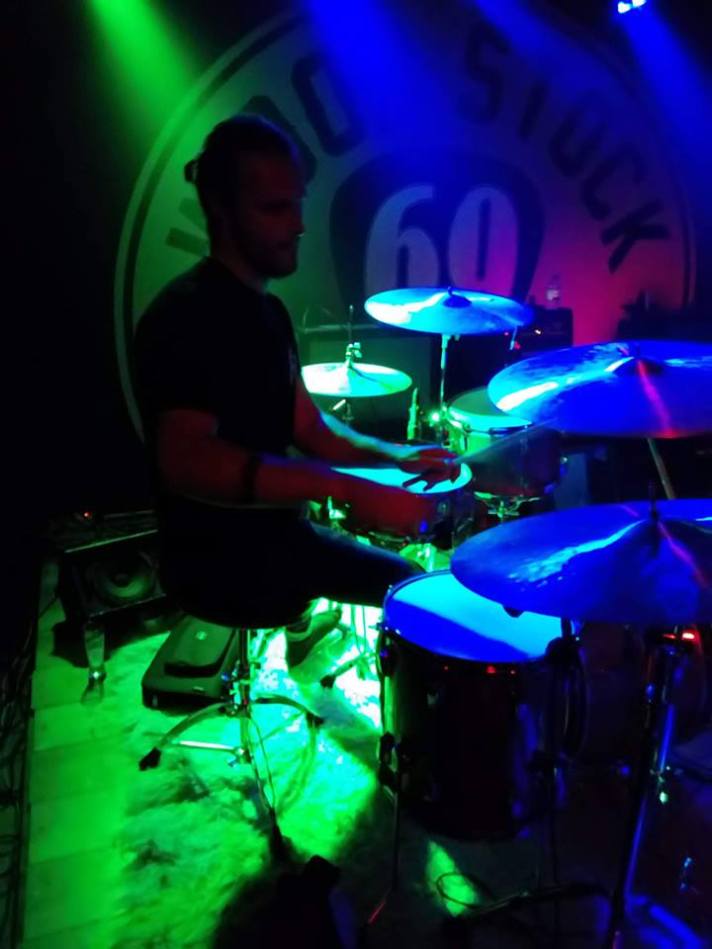
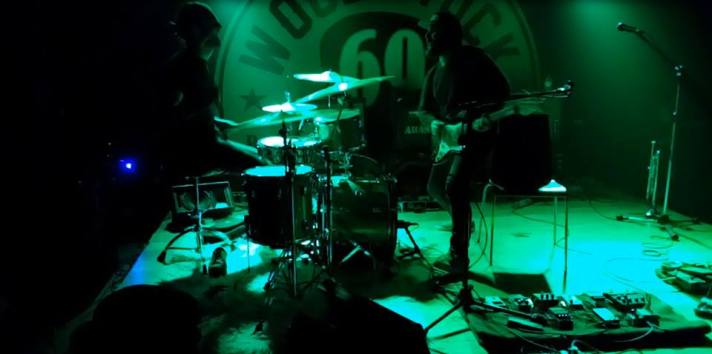
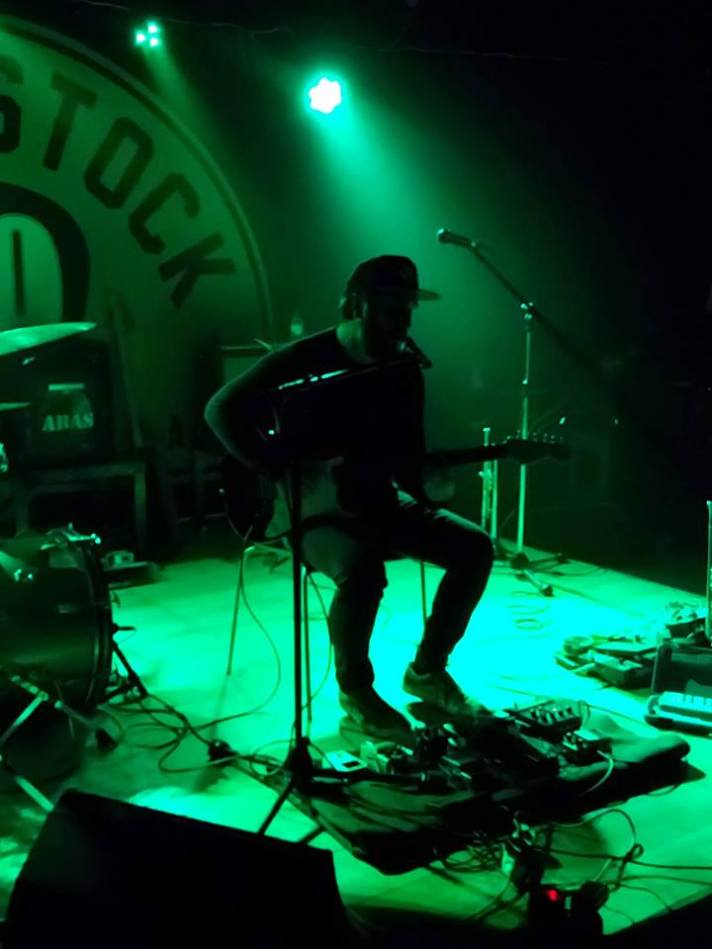
Homem em Catarse – Woodstock 69
GOLD TOP
1 – Johnny Hooker – Milhões de Festa
2 – Svederna Garde – Woodstock 69
3 – Bone Zeno – Barracuda – Clube de Roque
4 – MOOON – Woodstock 69
5 – Religião & Moral – Barracuda
SILVER TOP – all following concerts have no degree of classificatory importance, listed in a timeline order.
– Hellcharge – CAVE 45
– Era uma vez um tímpano – Woodstock 69
– Scott Kelly/John Judkins – Understage – Rivoli
– O Bom, o Mau e o Azevedo – Barracuda
– Fuzzil – Woodstock 69
– Sunflowers – Maus Hábitos – Espaço de Intervenção Cultural
– METZ – Hard Club
– Summer of Hate – Woodstock 69
– dreamweapon – Woodstock 69
– Nu No (Nuno Marques Pinto) – Cantinho da Teresinha
– PÉ ROTO – Woodstock 69
– Sekhmet – Antireligious BM – Metalpoint
– Official: Lydia Lunch – Galeria Municipal do Porto
– Fur Dixon – Barracuda
– The Cavemen (NZ) – Barracuda
– Greengo – Woodstock 69
– Sereias – Milhões de Festa
– Warmduscher – Milhões de Festa
– Vaiapraia – Milhões de Festa
– Bite The Bullet – Woodstock 69
– Eskizofrénicos – Barracuda
– Okoyome – Woodstock 69
– Marky Ramone – Hard Club
– Terebentina – Woodstock 69
– Harutaka Mochizuki/ Tomoyuki Aoki – Praça Alegria Futebol Clube
– Cavalheiro – Casa da Música
– The Saxophones – Hard Club
– Little Friend – Passos Manuel
– A Burial At Sea– Woodstock 69
– Andy Burns – CASA DO LIVRO
– It Was the Elf – Woodstock 69
Johnny Hooker @ Milhões de Festa 2018 (C) Rafael Farias
texto: Guilherme Lucas
Neste ano de 2018 – que termina hoje – assisti a 156 concertos ao vivo. Na sua esmagadora maioria estes foram bons, ou muito bons, havendo uns poucos excelentes e uns muito poucos, quase que residuais, que foram maus ou que me foram indiferentes. Sobre quase todos eles escrevi nas minhas reviews sem futuro. Deixo aqui o meu top dos melhores de todos, daqueles que mais significaram para mim. É um top à minha medida e ao meu gosto e também não é um top de número redondo mas sim de todas as bandas que conseguiram ser um pouco mais (em concerto), do que as outras. As que não aparecem na lista também foram importantes e serviram sobretudo para conseguir diferenciar níveis, na maioria das vezes muito pequenos. A todas elas o meu agradecimento sincero por existirem e pelos bons momentos que me proporcionaram. Um especial agradecimento ao Woodstock 69 Rock bar, Mondo Bizarre Magazine, Portuguese Distortion e Lovers & Lollypops.
TOP PLATINA – Melhor concerto do ano
Homem em Catarse – Woodstock 69
TOP OURO
1 – Johnny Hooker – Milhões de Festa
2 – Svederna Garde – Woodstock 69
3 – Bone Zeno – Barracuda – Clube de Roque
4 – MOOON – Woodstock 69
5 – Religião & Moral – Barracuda
TOP PRATA – todos os concertos seguem sem grau de importância classificativa, seguindo numa ordem de linha do tempo.
– Hellcharge – CAVE 45
– Era uma vez um tímpano – Woodstock 69
– Scott Kelly/John Judkins – Understage – Rivoli
– O Bom, o Mau e o Azevedo – Barracuda
– Fuzzil – Woodstock 69
– Sunflowers – Maus Hábitos – Espaço de Intervenção Cultural
– METZ – Hard Club
– Summer of Hate – Woodstock 69
– dreamweapon – Woodstock 69
– Nu No (Nuno Marques Pinto) – Cantinho da Teresinha
– PÉ ROTO – Woodstock 69
– Sekhmet – Antireligious BM – Metalpoint
– Official: Lydia Lunch – Galeria Municipal do Porto
– Fur Dixon – Barracuda
– The Cavemen (NZ) – Barracuda
– Greengo – Woodstock 69
– Sereias – Milhões de Festa
– Warmduscher – Milhões de Festa
– Vaiapraia – Milhões de Festa
– Bite The Bullet – Woodstock 69
– Eskizofrénicos – Barracuda
– Okoyome – Woodstock 69
– Marky Ramone – Hard Club
– Terebentina – Woodstock 69
– Harutaka Mochizuki/ Tomoyuki Aoki – Praça Alegria Futebol Clube
– Cavalheiro – Casa da Música
– The Saxophones – Hard Club
– Little Friend – Passos Manuel
– A Burial At Sea– Woodstock 69
– Andy Burns – CASA DO LIVRO
– It Was the Elf – Woodstock 69
words: Guilherme Lucas (freely translated by Raquel Pinheiro); photos Guilherme Lucas
Coimbra’s duo Ghost Hunt played last Wednesday at Café Casa da Música, Porto. The electronic music group are Pedro Oliveira keyboards and programming) and Pedro Chau (bass, vocals – already well-known within the Portuguese music scene for his career between no longer existing Tédio Boys and 77, currently in The Parkinsons and Subway Riders).
The most relevant thing to say about Ghost Hunt’s concert is that they are a serious band, very professional in the way they play music. They’re very good within their genre. Live, they so it all in a very cohesive and enlightened way. There is a well-thought-out and fluid project, straightforward, where themes roll in a logical and natural fashion, providing a show without less interesting or dead moments for those who see them live. I want to believe that in a one hour show they managed to large the audience that attended the concert – Café Casa da Música’s ample space was nearly full. The applause at the end of each theme proved such delight.
Broadly speaking Ghost Hunt play fresh, current electronic music, but there is an aspect or a way of playing it that derives from a past rock’n’roll culture. Perhaps it is that factor that makes it so organic and “human”. But it is not just that detail that helps such perception. The duo manages to make a very clever mix of stylistic genres ranging from krautrock to space-rock, to synth-pop-rock to darkwave, new-wave and post-punk. In Ghost Hunt’s music can be heard sonorities suggested by Kraftwerk or Tangerine Dream, but also Gary Numan, Orchestral Maneuvers in the Dark or New Order, the list being very long and diverse, as it results from a mixture of decades – and different bands and artists – that contribute as references to duo ‘s sound. This to also mention that is in their music, which is essentially very melodic and captivatingly pop with some experimentation, although very objective, punctual and short length. I will say the group’s themes share a great intimate ambient beauty, mixed with blinding sidereal explosions, with vertiginous psychedelic speeds through space, at times cold and mechanical, at times hot and melodically grandiose. There is a dark and obscure side to their themes as well as melancholic beauty that elevates towards something hopeful and liberating.
As a conclusion I will say that Ghost Hunt are a very interesting band quite of being carefully listened to. This project ennobles the current Portuguese music scene. They are one of those bands that make us proud, regardless of our liking or disliking of electronic music and so.
texto e fotos: Guilherme Lucas
O duo coimbrense Ghost Hunt atuou, na passada quarta-feira, no espaço do Café Casa da Música, no Porto. Este grupo de música eletrónica é composto por Pedro Oliveira, na parte dos teclados e programações, e Pedro Chau no baixo e vocalizações (este último já é por demais conhecido dentro do panorama musical nacional, devido à sua carreira musical, repartida entre os extintos Tédio Boys e 77 e presentemente nos The Parkinsons e nos Subway Riders).
O que há a dizer de mais relevante deste seu concerto é que os Ghost Hunt são uma banda feita, séria, muito profissional na entrega à interpretação da sua música, sendo muito bons dentro da sua tipologia musical. Demonstraram precisamente tudo isto ao vivo, de uma forma muito coesa e esclarecida. Há um projeto muito bem pensado e fluído, sem espinhas, onde os seus temas sucedem-se de forma lógica e natural, proporcionando um espetáculo sem pontos mortos, ou menos interessantes, para quem assiste a um seu concerto. Em uma hora de espetáculo conseguiram, quero crer, cativar todo o numeroso público que afluiu ao concerto, e que encheu praticamente o amplo espaço do Café Casa da Música. As muitas palmas, nos finais de cada tema, eram prova desse agrado.
Os Ghost Hunt fazem genericamente música eletrónica, fresca e atual, dos nossos dias, mas há uma vertente, ou uma forma de a interpretar que deriva de toda uma cultura rock’n’roll que está no passado. É talvez esse fator que a faz ser tão orgânica e “humana”. Mas não é só esse pormenor que concorre para essa perceção. O duo consegue fazer uma muito acertada e despudorada mistura de géneros estilísticos que vão desde o krautrock ao space-rock, ao synth-pop-rock, à darkwave, new-wave e post-punk. Ouvimos na música dos Ghost Hunt sonoridades que nos sugerem os Kraftwerk ou os Tangerine Dream, mas também Gary Numan, Orchestral Manoeuvres in the Dark ou New Order sendo que a lista é muito extensa e diversa, pois resulta de uma mistura de décadas – e de diferentes bandas e artistas – que contribuem como referências para o som deste duo. Isto para referir também que se encontra na sua música, que essencialmente é muito melódica e cativantemente pop, alguma experimentação, embora de forma muito objetiva, pontual e de curta duração. Direi que os temas do grupo comungam de uma enorme beleza ambiental, intimista, misturada com fulminantes explosões siderais, de velocidades psicadélicas vertiginosas pelo Espaço, ora gélidas e maquinais, ora quentes e melodicamente grandiosas. Há um lado negro e obscuro nos seus temas mas também uma beleza melancólica que nos eleva para algo esperançoso e libertador.
Direi, em jeito de conclusão, que estes Ghost Hunt são uma banda deveras interessante e muito merecedores de uma escuta atenta. Engrandecem, com este seu projeto, o atual panorama musical nacional. De tal forma, que são daquelas que nos dão orgulho, mesmo que se goste, ou não, de música eletrónica e afins.
essante e muito merecedores de uma escuta atenta. Engrandecem, com este seu projeto, o atual panorama musical nacional. De tal forma, que são daquelas que nos dão orgulho, mesmo que se goste, ou não, de música eletrónica e afins.
words: Guilherme Lucas (freely translated by Raquel Pinheiro); photos Guilherme Lucas
Porto’s duo Baleia, Baleia, Baleia played at Woodstock 69 on Friday night. Baleia are a relatively new band in the Portuguese music scene. They come to be in 2015, but only in 2016 did the project had a defined shape. So far, they have two albums on their resume (Botaperna, July 2017 (a live recording), and Baleia, Baleia, Baleia, March 2018). It has been several months since they’ve been their latest album. This show, within Tour das Rabanadas (French Toast Tour) comprising seven gigs during Christmas and end of the year, was part of that goal.
Baleia, Baleia, Baleia are a somehow particular band within our current musical landscape that a lot of interest from several sides of specialized music review as well as from the general public. Simplifying, they’re hype. What makes them so?
Looking closely at their repertoire it seems clear to me that it all derives a lot from a very intelligent fusion with a sense of humo of a whole inheritance/tradition of singing and writing similar to some of the biggest Portuguese pop-rock acts of the last decades, backed by a very powerful (and addictive) varied instrumental within Anglo-Saxon pop-rock-metal.
Many of the vocals and choruses with which vocalist/bassist Manuel Molarinho expresses himself, among others, clear suggest references Heróis do Mar or Ana Deus, Reporter Estrábico or even the more recent Vaiapraia. His lyrics also have a very well structured analysis of daily life viewed form an adolescent anguish perspective. A simple, deep and accurate writing, within a programmatic construction of reality, at times surrealistic and pamphletary. Never disconnected from the main goal: pass to us messages and feelings inspired and universal, just as if we were sweetly bitten by a bee. All in a very direct manner, through a quite crystalline singing so that everyone understands what they are telling us.
Finally, they operate on a melting pot of musical influences, ranging from punk to new-wave, hard-rock to stoner to doom to psychedelic … and the list goes on, but performed in a pop, purposeful with a very unique sound. In that regard, there aren’t too many unnecessary excesses or instrumental reveries; only what is strictly necessary to build good pop songs, heavy sounded, but not enough to classify them as an overtly heavy band. There is also joy, even if acid and at times insane emanating from their themes placing them in a palette of colours sufficiently distant from dark and obscure, or a deeper and more strict underground. In that, they also make a difference.
Live, Manuel Molarinho and Ricardo Cabral (drummer) proved to be excellent musicians. The type who manages to simplify where others only complicate to show vain skills. The duo is very pleasantly surprising in the natural way their live songs sound, but above all by the excellent and very well defined bass lines, which are remarkable. Baleias most famous theme (I Want to be a Screen) is the best example of what I mean: one of the best bass lines I remember listening to in recent years: simply brilliant! But, there is much more.
Baleias are a good live band; they perfectly fulfill what their songs demand, in a very empathetic and friendly way with the audience. I find it hard not to like them, unless one dislikes their repertoire from the start. One realizes that it is a group that has something more than many others; no longer “one more in the pile” even though this is not always possible to be described by words.
The two musicians played all the themes from Baleia, Baleia, Baleia along with a cover of Daniel Catarino’s Adultério na Igreja and a cover of Mão Morta’s Cão de Morte in the middle. It was a good show, with the most well lit and best decorated stage I’ve seen so far at Woodstock 69 and beyond. At the end of the performance desired, and, in my view, well deserved both for audience and band, encore didn’t happen.
In a nutshell: Whales offered an excellent Friday night for those who went to their concert. It was a good and, therefore, advisable!
texto e fotos: Guilherme Lucas
O dueto portuense Baleia Baleia Baleia apresentou-se ao vivbo no Woodstock 69, na noite da passada sexta-feira. Estes Baleias são uma banda ainda relativamente recente no nosso panorama musical nacional. Formaram-se em 2015, mas só em 2016 é que o projeto ficou definido. Contam, até esta data, com dois álbuns no seu currículo (Botaperna, de Julho de 2017 (um registo ao vivo), e Baleia, Baleia, Baleia, de Março de 2018). Andam por isso, há já alguns meses a divulgar em concerto este seu mais recente trabalho, e este espetáculo fez parte desse objetivo, inserido na Tour das Rabanadas de sete datas nacionais, durante este período natalício e de final do ano.
Os Baleia, Baleia, Baleia são uma banda algo particular dentro do nosso atual panorama musical e que tem gerado bastante interesse por parte de diversos quadrantes de alguma crítica musical especializada, mas também do público em geral. Ou seja, e simplificando, são hype. E então qual o motivo para tal?
Parece-me evidente, ao analisar atentamente o repertório da banda, que todo ele deriva muito pelo facto de que fundem, de forma muito inteligente e com sentido de humor, toda uma herança/tradição de canto e de escrita, que encontra similaridade com alguns nomes maiores do universo pop/rock português das últimas décadas, apoiado por um instrumental muito poderoso (e viciante), musicalmente variado dentro de tipologias pop/rock/metal anglo-saxónicas.
Encontramos em muitas das vocalizações e refrões com que o vocalista e baixista Manuel Molarinho se exprime, claras sugestões que nos remetem para uns Heróis do Mar ou uma Ana Deus, uns Repórter Estrábico ou até a um mais recente Vaiapraia, entre outras. Mas também há nas suas letras uma muito bem estruturada análise do quotidiano numa perspetiva de angústia adolescente, com uma escrita simples, profunda e certeira, dentro de uma construção programática algo surrealista e panfletária da realidade, mas que jamais se desliga da intenção primeira de nos transmitir mensagens e sentimentos inspirados e universais, tal como se fossemos docemente picados por uma abelha. Tudo isto de forma muito direta, através de um canto muito cristalino para que todos entendam o que nos estão a transmitir.
Finalmente, operam num “melting pot” de influências musicais, que vão desde o punk à new-wave, ao hard-rock, ao stoner, ao doom, ao psicadélico… e a lista fica um pouco para o infindável, mas que são todas elas executadas de uma forma pop, objetiva e com um som muito próprio. Não há nesse sentido, muitos excessos ou devaneios instrumentais desnecessários; só concorre o estritamente necessário para edificar boas canções de cariz pop, com um som que é pesado, mas não o suficiente para os classificar como banda ostensivamente pesada. Existe também uma alegria, mesmo que ácida e algo insana, que emana dos seus temas e que os localiza numa palete de cores suficientemente afastada do negro e do obscuro, ou de um underground mais profundo e rígido. E neste aspeto também marcam diferenças.
Em concerto, Manuel Molarinho e Ricardo Cabral (baterista), demonstraram ser excelentes músicos, daqueles que conseguem simplificar onde outros só complicam para exibir competências vãs. O dueto surpreende muito agradavelmente pela forma natural como faz soar as suas canções ao vivo, mas acima de tudo pelas excelentes e muito bem definidas linhas de baixo, que são de assinalável destaque. O tema mais famoso dos Baleia (Quero ser um Ecrã), é o melhor exemplo do que refiro: uma das melhores linhas de baixo de que me lembro de escutar nos últimos anos: simplesmente brilhante! Mas há muitas mais, para além dessa.
Estes Baleias são uma boa banda ao vivo; cumprem na perfeição o que as suas canções exigem, num registo muito empático e amistoso com o público. Acho difícil não se gostar deles, a menos que se deteste o seu repertório à partida. Percebe-se que é grupo que tem mais alguma coisa do que muitos outros; que não é mais um do “monte”, mesmo que isso nem sempre seja possível de ser descrito por palavras.
Os dois músicos interpretaram todos os temas do seu álbum Baleia, Baleia, Baleia conjuntamente com a versão de Adultério na Igreja, de Daniel Catarino e a versão dos Mão Morta, Cão de Morte, que foram introduzidas lá pelo meio. Foi um bom espetáculo este a que assisti, e com o palco mais bem iluminado e melhor decorado que presenciei até à data no Woodstock 69, e não só. No final da atuação não houve direito a um desejado encore, algo que acho que era bem merecido, tanto para o público como para a banda.
Resumindo: estes Baleias proporcionaram uma excelente noite de sexta a quem se deslocou ao seu concerto. Foi coisa boa, e por isso, aconselhável!
words: Guilherme Lucas (freely translated by Raquel Pinheiro); photos Guilherme Lucas
Andy Burns an Australian singer-songwriter living in Tokyo, maker of high-quality alternative lo-fi pop songs that some music critics nickname bedroom pop because of how the musician composes, records and produces, all almost home-made. His songs also have a theme that derives from many of his daily, personal, unashamed and somewhat ironic thoughts and experiences, many of them home-grown or with people who somehow come by his home or work life. In short, a kind of philosophy and sense of everyday life transformed into pop songs.
So far, the musician released two excellent albums in 2018 (Excited in April and Good Grief in August), having, at the beginning of his career, released another – not much mentioned – called Songs for Films, from 2016. Is simply fascinating, consisting of three beautiful songs. Currently, Andy Burns seeks to revitalize his career, hence the release of two albums this year, as a way to accelerate the advertising process of his work, along with what it entails.
The Australian musician played last Tuesday at Casa do Livro, in Porto, the last date concert of his European tour, started in November.
Armed only with his Fender guitar, connected to a small Vox valves amplifier, and with the instrumental sound of his songs, as heard in his albums, one after the other by way of linking his mobile to the room ‘s PA, the musician offered his show to the audience. A mix of karaoke with guitar and voice in the instant. It fully worked and, as much as possible, it was extremely simple and honest where the lo-fi approach of his music is concerned.
Either playing tracks with the guitar, or putting it aside and wielding the microphone whistle wandering in rambling dance steps, Andy Burns not only showed a tremendous competence to depict his music in its different intensities but also in its most humorous parts.
He was quite nice with the audience, always telling stories about some of his songs, among smiles and giggles from the audience, explaining that one was dedicated to a friend who works at a Disney call center (and what it means when it come to the level of hilarious imbalances). Or the loved-up couple with whom he shared the apartment who used the sofa bed for the obvious, always keeping hold of it, therefore leaving him hoping all the time to rescue it … and his peace.
I really enjoyed Andy Burns’ concert, not only because of his music, but also for format found; a very unusual thing live, but that proved to be extremely accurate and convincing. It was quite enjoyable and to the flavour of his music and this type of registry, pop (but not mainstream or commercial pop). Andy Burns is a solid name to be reckoned with right now in the current the alternative lo-fi pop. Tremendously recommendable!
texto e fotos: Guilherme Lucas
Andy Burns é um cantautor australiano a viver em Tóquio, criador de canções pop de grande qualidade, num registo alternativo e lo-fi a que alguma crítica musical apelida de bedroom pop, muito por conta da forma como o músico compõe, grava e produz o seu trabalho, e que é quase todo ele feito em ambiente caseiro. Mas também há nas suas canções uma temática que deriva das diversas experiências e pensamentos pessoais, desassombrados e algo irónicos, do dia-a-dia de Andy Burns, muitos deles caseiros ou com pessoas que, de alguma forma, cruzam a sua vida, tanto no seu emprego como na sua residência. Uma espécie de filosofia e sentido de vida do quotidiano transformados em canções pop, para abreviar.
Até à data, o músico lançou dois excelentes álbuns durante este ano de 2018 (Excited, em Abril e Good Grief em Agosto), tendo no início da sua carreira lançado um outro – que não é muito referenciado – de nome Songs for Films, de 2016, e que é simplesmente fascinante, constituído por três belas canções. Andy Burns procura atualmente revitalizar a sua carreira, daí a edição de dois álbuns este ano, como forma de acelerar o processo de divulgação do seu trabalho, com os consequentes concertos ao vivo a que isso obriga.
O músico australiano esteve na passada terça-feira, no bar Casa do Livro, no Porto, para a última data de uma tour europeia, iniciada em Novembro.
Foi, munido apenas da sua guitarra Fender, ligada a um pequeno amplificador Vox a válvulas, e com o som do instrumental das suas canções, tal qual as escutamos nos seus álbuns, a sucederem-se por via da ligação do seu telemóvel para o PA da sala, que o músico ofereceu ao público o seu espetáculo, um misto de karaoke com guitarra e voz ao momento. E o que é facto é que esta tipologia funcionou plenamente e foi, na medida do possível, extremamente simples e honesta em relação à abordagem lo-fi da sua música.
Ora interpretando temas com a guitarra a acompanhar, ou simplesmente colocando-a de parte e empunhando o microfone, enquanto deambulava em passos dançantes desconexos, Andy Burns, não só demonstrou uma enorme competência para representar a sua música nas suas diferentes intensidades, mas também nas suas partes mais humorísticas.
Simpático que baste com a audiência, sempre foi contando algumas histórias referentes a algumas das suas canções, entre sorrisos e gargalhadas da assistência, explicando que uma era dedicada a um amigo que trabalha(va) num call-center da Disney (e do que isso pressupõem a nível de desequilíbrios hilariantes), como do casal de namorados com quem partilhava o apartamento e que usavam o seu sofá-cama para o óbvio, estando sempre ocupado, ansiando, por isso, e a todos os momentos pelo resgate do mesmo… e da sua paz.
Gostei bastante deste concerto de Andy Burns, não só pela sua música, mas também pelo formato de espetáculo encontrado; é algo muito pouco usual ao vivo, mas que demonstrou ser extremamente preciso e convincente. Este foi bastante agradável e ao sabor da sua música, e, neste tipo de registo, que é pop (mas não pop mainstream ou comercial), Andy Burns é um nome sólido para se contar, desde já, dentro da pop lo-fi alternativa atual. Muitíssimo aconselhável!
words: Guilherme Lucas (freely translated by Raquel Pinheiro); photos Guilherme Lucas
Lisboa’s instrumental post-rock band Then They Flew played last Saturday at Woodstock 69. They were the first post-rock band I saw live at now closed CAVE 45, in 2016 and holds a special place in my referential memories. So much so that when I read something about post-rock bands, or watch them live, I always remember Then They Flew, and use them as comparison.
In this concert, the group presented itself with the same dynamics and sturdiness with which I was convinced the first time I saw them. Excellent musicians, with a repertoire of great quality within the usual dynamics of their musical style, situated somewhere in the duality between melancholic, fragile and contemplative ambient and smashing explosions of pure melodic and cinematic energy. They revisited their only album, the excellent Stable as the Earth Stops Spinning from October 2015. Themes like Owls, An Enemy Will Bring Us Together or La Lys were some of those played, and that are particularly dear to me. As far as I am concerned they played a very good concert, showing on stage their undeniable value as a band and musical project. At the end of their performance, at the insistent request of an audience very pleased with their performance, they played a one song encore.
After the show in an informal conversation with Bernardo Sampaio, one of the three guitarists and main promoter of the group, I become aware they had just recorded their second album. Mixing and final mastering will follow. They hope to release it early 2019, expectation to have more concerts and reach some summer festivals. The idea of a stronger and more instrumentally heavy album than the first one was on the air. Then They Flew have had constant live activity, essentially centered within their location, that is, the South of the country, with sporadic detours, like their last Saturday’s return to Porto.
As far as I’m concerned, I will be waiting to listen to the next album, with the obvious expectation of seeing them live again during 2019. They’re an interesting band.
texto e fotos: Guilherme Lucas
A banda lisboeta de post-rock instrumental, Then They Flew, atuaram, no sábado passado, no bar Woodstock 69. Esta foi a primeira banda que vi ao vivo dentro do género post-rock, em 2016, no extinto CAVE 45, e por isso ocupa um lugar especial nas minhas memórias de referências. Do género de que quando leio algo sobre bandas post-rock, ou assisto, ao vivo, a outras bandas dentro desse estilo musical, recordo-me sempre dos Then They Flew, auxiliando-me deles como referência comparativa.
Neste concerto, o coletivo apresentou-se com a mesma dinâmica e solidez com que me convenceu da primeira vez que os vi. Excelentes músicos, com um repertório de grande qualidade e dentro das dinâmicas habituais dentro do seu estilo musical, e que é algo situado na dualidade entre o ambiental melancólico, frágil e contemplativo e as explosões demolidoras de pura energia, melódicas e cinemáticas. Revisitaram o seu único álbum até à data, o excelente Stable as the Earth Stops Spinning, de Outubro de 2015. Temas como Owls, An Enemy Will Bring Us Together ou La Lys, foram alguns dos que interpretaram, e que me são particularmente mais queridos. Deram, quanto a mim, um muito bom concerto, exibindo em palco o seu inegável valor como banda e projeto musical. No final da sua atuação, e a pedido insistente de um público bastante agradado com a sua atuação, fizeram um encore de mais uma música.
Em conversa informal, após o espetáculo, com Bernardo Sampaio, um dos três guitarristas e dinamizador fundamental do grupo, fiquei a saber que acabaram de gravar o seu segundo álbum, a que se seguirão, desde já, as consequentes misturas, até à masterização final. Contam lançar o mesmo em inícios de 2019 e com a expetativa de conseguirem, por esse meio, angariar mais concertos e atingir alguns festivais de Verão. Ficou no ar a ideia de um álbum mais forte e instrumentalmente mais pesado do que o seu primeiro. Os Then They Flew tem tido uma atividade ao vivo constante, mas essencialmente centrada dentro da sua área de localização, ou seja, sul do país, com esporádicos desvios, como foi o presente caso, no sábado passado, com o seu regresso ao Porto.
Da minha parte, ficarei a aguardar a escuta do próximo álbum, com a óbvia expetativa de os ver novamente em concerto durante 2019. São uma banda interessante.
words: Guilherme Lucas (freely translated by Raquel Pinheiro, proofread by Tommy Luther); photos Guilherme Lucas
A Burial At Sea are a young English quartet from Liverpool. Theirs is a rapturous and emotionally intense project. Post-rock, but in an original way, looking for new formulas, in an attempt to renew the style. To me, they clearly accomplish this, mostly through the use of trumpets.
I am used to watching many live instrumental post-rock bands, and I state, without hesitation, that A Burial At Sea are one with a very promising career and with a sound that will certainly take them to higher levels in the future. Joking a little, but always with a serious commentary, I classify these young Brits within something I want to believe they have invented for themselves, and that I personally nickname post-rock mariachi, mostly because of the delightful sound of trumpets in some of their music. But, there is more than magical trumpets.
The usual explosions of energy followed by the customary moments of introspection and ambience of the genre are, in all their various aspects, exquisitely played. Then, either you have it or you don’t, and live, the band exudes a natural friendliness, to which nobody in the audience can possibly remain indifferent. Their songs, which can be long within their style, are very solid and very well composed, meaning they have lots of good music to offer. This becomes more and more evident throughout their concert. Like all bands of this genre, they also know how to play very well with the silences. As I have already mentioned in other no future reviews, post-rock musicians are usually great instrumentalists and A Burial at Sea are no exception to the rule; I could even write a thesis about this characteristic.
The most relevant thing is that, as had already happened with Homem Em Catarse, they managed to move me, during moments of their songs, mainly during the final parts, and the parts with trumpets. In that regard, their music can go much further and raise us brilliantly to soundscapes far more fascinating than other similar bands. Of particular note, one of the best moments of the concert, was when Graça Carvalho, indignu’s violin player was invited by the band to play in Lest We Remember. It was pure magic!
I hope to be able to see A Burial at Sea again in the future, when they’re a bigger band, which is something that I believe is going to happen. I liked them a lot so my memory will not forget them.
The concerts of Homem em Catarse and A Burial At Sea were, for me, completely memorable and breathtaking on all levels. It is extremely rare for something like this to happen. And to have two in one go!
Thank you Woodstock 69!
texto e fotos: Guilherme Lucas
Os A Burial At Sea, são um coletivo inglês de quatro jovens músicos de Liverpool, que tem um projeto de banda simplesmente arrebatador e emocionalmente intenso. Estão dentro do post-rock, mas de uma forma original, que procura novas fórmulas, na tentativa de refrescar o estilo. E para mim, conseguem-no claramente, muito pelo recurso à utilização do som de trompetes. Estou já habituado a ver várias bandas instrumentais de post-rock ao vivo, e digo, sem hesitação alguma, que estes A Burial At Sea são uma banda com um futuro muito promissor e com um som que certamente os vai levar para outros patamares mais elevados no futuro. Um pouco a brincar, mas sempre a comentar seriamente, classifico estes jovens britânicos dentro de algo, que quero acreditar, eles próprios inventaram para si mesmos, e que apelido pessoalmente de mariachi post/rock, muito pela parte do som delicioso dos trompetes em algumas das suas músicas. Mas não há só trompetes mágicos. As habituais explosões de energia que se seguem aos habituais momentos mais ambientais e introspetivos deste género, são, em todos os seus diferentes aspetos, primorosamente executados. E depois, é daquelas coisas, ou se tem ou não se tem, esta banda destila uma simpatia natural ao vivo, a que ninguém do público fica indiferente. Os seus temas, longos dentro do seu estilo, são muito sólidos e muito bem compostos, o que significa que tem muito boa música para oferecer. Isso é facilmente comprovado ao longo do seu espetáculo. E como todas as bandas deste estilo, sabem também jogar muito bem com os silêncios. Como já tenho referido em outras reviews sem futuro, os músicos de post-rock são habitualmente grandes instrumentistas e estes não fogem a essa regra; dava mesmo para fazer uma tese sobre esta particularidade. Mas o mais significativo é que neste seu concerto, e conjuntamente, como já havia ocorrido com Homem em Catarse, conseguiram emocionar-me em muitos momentos dos seus temas, principalmente nas partes finais e com os trompetes. A sua música consegue, nesse aspeto, ir bem mais longe e elevar-nos brilhantemente para paisagens sonoras bem mais fascinantes que outras bandas suas congéneres. De referir um dos melhores momentos do espetáculo, quando Graça Carvalho, violinista dos indignu, foi convidada pela banda para participar no tema Lest We Remember. Momento de pura magia!
Espero conseguir voltar a ver estes Burial at Sea no futuro, quando já forem uma banda maior, algo em que acredito. Gostei bastante deles e por isso não os esquecerei para minha memória futura.
Os concertos de Homem em Catarse e A Burial At Sea foram, para mim, completamente memoráveis e arrebatadores a todos os níveis. É muitíssimo raro acontecer algo assim, e logo dois de seguida e no mesmo espaço.
Obrigado Woodstock 69!
words: Guilherme Lucas (freely translated by Raquel Pinheiro, proofread by Tommy Luther); photos Guilherme Lucas
I want this no-future review of mine to be different from all previous ones about live bands. This is because the concert I will be talking about, was in itself, completely different from all that I have recently seen (referring to decades, being the old wolf that I am journeying to these gigs and the like.)
The concert, held late Sunday afternoon at Woodstock 69, by Homem Em Catarse, a personal project of musician Afonso Dorido (also guitarist of indignu), was simply EXTRAORDINARY. I write this in capital, noisy letters, to highlight and reinforce a show which was beyond excellent, superb, magnificent. I’m lost for words to describe it. It was the most BEAUTIFUL (yes, beautiful) concert I’ve ever seen in Campanhã’s bar (I’ve seen about 60 concerts of all sorts of bands there this year alone). It was not only the best one I’ve seen so far, at this particular venue, but also one of the year’s top three, out of all the gigs that I have watched bands play in a number of different venues, totalling to a handsome sum of 150 concerts.
Of course, the sole purpose of this statistic is to express the feeling, and the pure conviction that amongst other bands who provided very good music and unforgettable moments, in a whole array of different styles, ranging from pure chaos to exquisitely played; few were the ones who touched me deeply in the delivery and display of purest beauty and deepest spiritual elevation, leading to places, at times, emotionally unreachable to me
In a simple and natural way, Homem Em Catarse was able to move me, making me shiver with each of his themes. A friend of mine who was unaware of the line-up, and not knowing which bands were playing, was moved to tears by his music. Which means that Catarse (catharsis) is not a random or insignificant name for the project. Afonso Dorido’s music is sublime and purifies us. The concert which I saw is not on YouTube or any other part of the internet.
Live, with the excellent sound the musician had, there is a magical intensity reinforcing the notion that it is always entirely different to listen to a live performance than watching it on video. I knew this, because I was partially aware of what I was going to see (I’m familiar with the musician’s discography and a fan of his music). This was going to be the opportunity to see him live for the first time …, but I was met with a wonderfully surprising and unforgettable show, something for which, I must confess I was not prepared for. Hence, the importance of seeing bands live and supporting the musicians. They offer us magic in different ways, often when we least expect it. We must always support them in the often ungrateful mission of being on the road, because by doing so, we save ourselves because we’re left in wonder.
This time, I refuse to describe or comment, as I usually do, on the musical genre or possible musical influences of Homem em Catarse, or about his Inner Jorney (s) and related topics; that will be left for future concerts of his which I will attend. Because in reality, it is completely irrelevant when speaking of something so beautiful, brilliant and universal as is his music. The advice I leave to everyone is to urgently listen to it; until you lose yourself in passion.
P.S. – A few months ago, Homem em Catarse was in part the protagonist of the much-publicized controversy of worshippers outraged with the parish priest for using a church in Tomar as a venue for a rock concert. If God exists, he will certainly enjoy Homem em Catarse’s purifying music. May the gates of heaven be opened in all their glory to him, and in the meantime, all the earthly precincts of the country – and of the planet – shall receive his live music.
Thank you for your unforgettable concert and for your precious music, Afonso Dorido!
texto e fotos: Guilherme Lucas
Quero que esta minha review sem futuro seja diferente de todas as outras que tenho vindo a escrever sobre as bandas que assisto ao vivo. Porque o concerto que passarei a comentar foi, também ele, completamente distinto de todos os que tenho assistido nos últimos tempos (leia-se décadas, pois sou já um velho lobo nestas andanças de concertos e afins).
Este concerto a que assisti, já no final da tarde do passado domingo, no Woodstock 69, oferecido pelo Homem em Catarse, um projeto pessoal do músico Afonso Dorido (também guitarrista dos indignu), foi simplesmente EXTRAORDINÁRIO. Escrevo isso em letras maiúsculas, e ruidosas, para acentuar, e reforçar, que foi um espetáculo para lá do excelente, do soberbo e do magnífico. Porque na realidade, faltam-me as palavras para o descrever. Foi o concerto mais BELO (sim, isso mesmo, belo) a que assisti até hoje no bar de Campanhã (e já assisti lá, durante este ano, a perto de 60 concertos com bandas de todos os géneros musicais, possíveis e imaginários, nacionais e internacionais… é consultar as minhas reviews sem futuro na minha página, todas elas foram comentadas por mim), mas este não só foi o melhor que eu vi lá, até esta data, como também é já um dos três melhores deste ano a que pude assistir em todos os diferentes locais a que acorri, e que conta já com a bonita soma de quase 150 concertos. Toda esta estatística que aqui discorro serve unicamente para expressar o sentimento, e a plena convicção, que no meio de outras bandas que me ofereceram muito boa música e momentos inesquecíveis, em registos completamente diferentes, desde o puro caos ao primorosamente executado, muito poucas foram aquelas que me tocaram fundo no registo e no exercício da mais pura beleza e da mais profunda elevação espiritual, para paragens que acho por vezes inalcançáveis a nível emocional para a pessoa que sou. Este Homem em Catarse conseguiu, de uma forma simples e natural, arrepiar-me, e emocionar-me, em todos os momentos de cada um dos temas que interpretou. A uma amiga minha, que não sabia ao que ia (não conhecia de todo as bandas que atuavam nessa tarde no bar de Campanhã), conseguiu fazer com que soltasse lágrimas. O que significa que o termo Catarse não é de todo inocente no nome do projeto, pois a música de Afonso Dorido é simplesmente sublime e purifica-nos. O concerto a que assisti não está no Youtube e em lado algum da net, e ao vivo, com o som excelente com que o músico foi agraciado, há uma intensidade mágica que reforça a ideia de que é sempre muito diferente escutar um espetáculo ao vivo do que o visionar em vídeo. Eu sabia disso, pois sabia em parte ao que ia (conheço bem toda a discografia do músico e sou fã da sua música), e esta ia ser a oportunidade de o ver em concerto pela primeira vez… mas, foi-me oferecido um espetáculo maravilhosamente surpreendente e inesquecível, algo para o qual não estava, de todo, preparado, confesso. Daí a importância em ir ver as bandas ao vivo e apoiar os músicos. Todos eles nos oferecem magia, em modos diversos, e muitas vezes quando menos esperamos. Devemos sempre apoiá-los nessa missão (muitas vezes ingrata de andar na estrada), pois fazendo-o, salvamo-nos porque nos maravilhamos.
Desta vez, escuso-me a descrever ou comentar, como habitualmente é minha prática, o género musical, ou das possíveis influências musicais no trabalho deste Homem em Catarse, da(s) sua(s) Viagen(s) Interior(es) e temáticas afins; isso ficará eventualmente para outros seus concertos a que possa vir a acorrer. Até porque na realidade isso é completamente irrelevante quando falamos de algo belo, genial e universal como é a sua música e o conselho que deixo a todos é de a escutar de forma urgente; até se perderem de paixão.
P.S. – Este Homem em Catarse, foi, em parte, protagonista, há uns poucos meses atrás, da muito noticiada polémica de fiéis indignados com o padre da paróquia, pela utilização de uma igreja, em Tomar, como recinto de um concerto rock. Se Deus existe, certamente que gostará da música purificadora deste Homem em Catarse. Que se abram as portas do Céu, em toda a sua glória, para ele, e que no entretanto, todos os recintos terrenos deste país – e do planeta – recebam a sua música ao vivo.
Afonso Dorido, muito obrigado pelo teu inesquecível concerto e pela tua preciosa música!
words: Guilherme Lucas (freely translated by Raquel Pinheiro, proofread by Tommy Luther); photos Guilherme Lucas
Belgian artist Philippe Van Snick’s exhibition was launched last Saturday at Galeria Nuno Centeno, in Porto. Parva, a label from Porto, created an event for the occasion, with a sonic addition to the exhibition. This was my motive for going to Parva’s happening, the second one within a week.
As in the previous week’s event, Fantasma, the personal project of musician and creator of Parva, Pedro Centeno played his musical piece Corpo Ausente- Tribute To The Machines. In time, this piece, whose title explains it all, is destined to become a “classic” of its genre if it keeps being persistently replicated in Parva’s future events, because of its creator’s musical performance, absent from the audience’s attention. In a nutshell, an artist removed from his live musical tasks whose musical piece is disseminated and listened to through the PA system. At first sight it could be the same as a DJ playing a cd or vinyl of a band or artist, in a bar, disco or similar, but it is not.
After that came a performance by RVN, one of the various musical outputs by Ravena Araujo – musician with a career between Porto and Bologna. In a careful analysis of her numerous works on the internet we can objectively frame her aesthetic and musical orientation within experimental music, both in an electronic, digital way and also in its most “analogue” form, using electric guitar or saxophone. There is, through the different moods of her themes, and the resulting evolution, a duality between the most violent emotional disruption and the most serene abandonment of the senses.
She is not an artist with merely one single direction let alone style of sound. In my opinion, that is a huge plus. On the one hand, we can recognise the sonic terrorist and industrial approach, and on the other, an extremely serene, and moderated contemplative side, at times an almost psychedelic mantra. In her songs, she not only weaves drone, noise, street sounds or the voices of suicidal poets, but also flogs her guitar strings, or captivates us with the magical, loose and warm notes of her free jazz saxophone. Her polemic approach of intentions (which is also literary) is that of someone who refuses to make music, but ends up doing so, clearly outside the classical canons, and very much by way of an auditory/sensorial discomfort, exposing (and imposing) a very peculiar emotional singularity of her perception of reality.
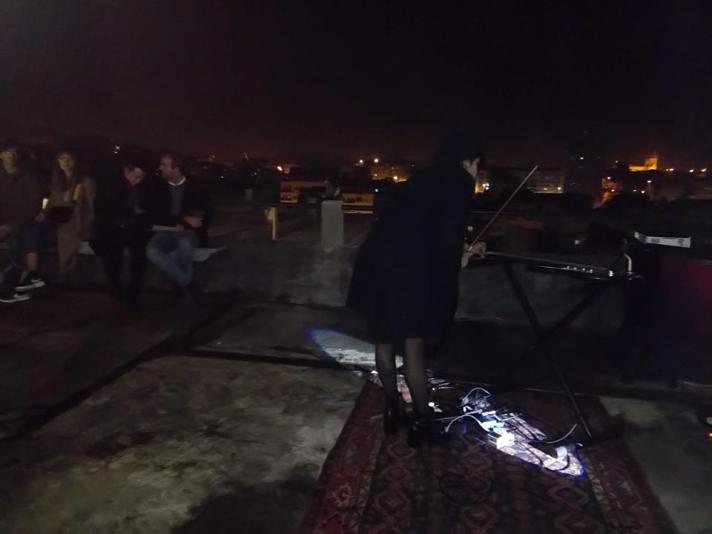
Her musical performance was based on rambling sounds resulting from her intervention with said object, at times percussively, at times using the bow upon the strings … and a Vox amplifier; one of the good ones, with valves which always makes a difference when it comes to sound.
I liked the way the electric guitar was approached, stripped of the classic interpretation, and, through it, the suggestion of some sounds that sent me to an untuned heavy and somber piano, with drone background (achieved by cello or violin bow technique), and the unequivocal beauty of some of the distant, lacerating blade-like silences that occurred. The unrepeatable sound piece that come out of this performance was made of randomness, and of course of different moments, some more astounding than others. A majestic nocturnal Porto as an overview gave the performance a somewhat liturgical tone, definitely dark
Personally, I think the existence of an artist like Ravena Araújo in our music scene is very important. In many ways, she is a unique personality. She is iconographic enough in a peculiar way and inhabits a very personal and restricted musical context in a committed and compelling way. Also because, in her musical and aesthetic field, I dare say that she is one in a million. If there are other personalities similar to hers (of course there are), I say without any effort, that 95% of those are masculine . Regardless of whether I am right or wrong in my statistics, I am without a doubt talking about a rare, conceptually brave and audacious case that makes a difference. To me, a case like this is always worth more than “a thousand bands”, all alike, however laudable it is to play the more obvious, safe and in-tune with the taste of the masses. I have no doubt about it.
Then came the performance by CANVAS, a project intended to be an international base for linking musicians connected to electronic music of great experimental interest, who promote live performances within this network. The performance had one of its founders, OLAN MONK and Elvin Brandhi, from British duo Yeah You.
This encounter which has more upcoming shows in Portugal is called Anti Tour(ism) 2018. I transcribe the meaning in their own words: “We want to try to find ways outside the distancing trap of sight-seer mentality, which objectifies essential, everyday, immediate flows. We offer an experiment in receptive performance, exchanged exertion, self-dissolution and social osmosis. Sound-hearing as an alternative anti-touristic engagement with a specific time and place. Moving people, roaming anti-data. ”
There were two distinct moments: the opening one, which was more in Olan Monk’s style, and the more obvious finale, linked to Elvin Brandhi, showing his characteristic voice from Yeah You’s themes.
Olan Monk’s moment was a journey of ambient drone, constantly punctuated by discharges of electronic noise, some synthesized chords, in an atonal delivery supported by sparse beats and undefined rhythms. Somewhere between ambient noise and chaos, with electronic industrial landscapes. And of course, with Olan Monk’s own style of punctual vocal contributions, ranging from declamatory, to purely narrative, and at other times blasé, through distortion or clean vocals.
In the final moment by Elvin Brandhi, and for me, the most interesting one of the performance, the audience were offered a duel between the two artists. Rising to the challenge, Elvin Brandhi’s voice stood out as something remarkably harrowing. Unforgettable. It was the “agony and ecstasy” moment of CANVAS’ performance.
The event ended with a DJ set by Sian Baker, from Portal Radio. It was very good.
Among paintings, experimental electronic sounds and mini Super Bock beers, amazingly and abundantly given to the audience. It was an interesting night to listen to another side of the underground music currently being made in Porto. I liked it. Bring on the next one.
Parva Untitled – No Sábado passado, na Galeria Nuno Centeno, no Porto, foi noite de inauguração de uma exposição de trabalhos do artista belga Philippe Van Snick. A label portuense Parva agendou um evento para a ocasião, como que um complemento sonoro à exposição. Foi esse o meu motivo para ter acorrido a mais este happening da Parva, o segundo no curto espaço de uma semana.
Como havia feito no evento da semana anterior, Fantasma (projeto pessoal do músico Pedro Centeno e responsável da Parva), fez passar no soundsystem do evento a sua peça musical, de nome Corpo Ausente – Tribute To The Machines. Eventualmente esta peça, cujo título já diz tudo, está condenada a ser um “clássico” no seu género, e desde que insistentemente replicada em eventos futuros da label, pela performance musical de ausência do seu criador do foco das atenções do público. Resumindo: artista afastado das suas funções musicais ao vivo, entrega a sua peça musical ao soundsystem para divulgação e escuta. Podia ser, à primeira vista, a mesma coisa que um dj colocar um cd ou vinil de uma qualquer banda, ou artista, num bar, discoteca ou afins, mas não é.
Seguiu-se uma performance musical de RVN, um dos vários projetos da música Ravena Araujo, artista com carreira musical repartida entre o Porto e Bolonha. Numa análise atenta aos seus trabalhos na net, e que são numerosos, podemos, de forma objetiva, enquadrar a sua estética e orientação musical dentro da música experimental, tanto num discurso eletrónico e digital, como na sua vertente mais “analógica”, usando guitarra elétrica ou saxofone. Há, nas diferentes ambiências dos seus temas, e consequentes evoluções, uma dualidade entre a mais violenta disrupção emocional com o mais sereno abandono dos sentidos.
Não é artista de uma só direção e muito menos de uma só sonoridade. O que, na minha opinião, é uma mais-valia, à partida. Se por um lado, reconhecemos uma abordagem, qual terrorista sónica e industrial, em parte do seu trabalho, há, por outro lado, uma outra faceta que é extremamente ambiental, serena e modeladamente contemplativa, por vezes em quase mantra psicadélico. Tanto usa nos seus temas o drone, o ruído, o som das ruas ou as vozes de poetisas suicidas, como flagela as cordas da sua guitarra elétrica ou nos cativa pelas notas mágicas, soltas e quentes do seu saxofone free jazz. A sua abordagem panfletária de intenções (que também é literária), é de quem recusa fazer música, mas que acaba por a fazer, fora dos cânones clássicos, é certo, e muito pela via do desconforto auditivo/sensorial, expondo (e impondo), uma singularidade emocional muito peculiar da sua percepção do real.
A sua performance musical baseou-se na divagação dos sons resultantes da sua intervenção no referido objeto, ora de forma percussiva, ora usando o arco, sobre as cordas… e um amplificador Vox, dos bons, a válvulas, que faz sempre a diferença em termos de som.
Apreciei a forma como a guitarra elétrica foi abordada, despida de toda uma interpretação clássica da mesma, e da sugestão, através dela, de alguns sons que me remeteram para as teclas de um piano desafinado, pesado e sombrio, com fundo drone (conseguido em muito dos movimentos do arco em técnica de violoncelo ou violino), e da inequívoca beleza de alguns dos silêncios longínquos e cortantes como lâminas, que iam ocorrendo. Como peça sonora irrepetível que resultou desta performance, a mesma foi feita dos acasos, e naturalmente com distintos momentos, uns mais impactantes que outros. O cenário de um Porto noturno, imponente, como vista geral, ofereceu à performance um ambiente algo litúrgico e definitivamente obscuro.
Pessoalmente, acho muito importante a existência, no nosso panorama musical, de uma artista como a Ravena Araújo. É uma personalidade única em vários aspetos. É suficientemente iconográfica de forma peculiar e está num contexto musical muito pessoal e restrito, de uma forma empenhada e convincente. E também porque, no seu campo musical e estético, arrisco a dizer que é uma num milhar, e se há outras personalidades similares à dela (que as há, obviamente), afirmo, e sem me esforçar muito, que 95 % são masculinas. Independentemente de estar certo ou errado nesta minha estatística, estou certamente a falar de um caso bastante raro e conceptualmente corajoso e audaz, que faz diferenças. E para mim vale sempre mais um destes casos do que “mil bandas”, todas iguais e no mesmo registo, por muito meritório que seja interpretar o que é sempre mais óbvio, seguro e mais condizente com o gosto das massas. Não tenho qualquer dúvida sobre isto.
Seguiu-se a atuação do CANVAS, um projeto que pretende ser uma base internacional de interligação entre músicos ligados à área da música eletrónica de forte pendor experimental, promovendo atuações ao vivo dentro dessa rede de contatos. Esta atuação contou com um dos seus fundadores, OLAN MONK e com Elvin Brandhi, do duo britânico Yeah You.
Este encontro, que tem mais datas em solo nacional, chama-se Anti Tour(ism) 2018, e cujo sentido transcrevo, nas palavras dos seus autores: “We want to try to find ways outside the distancing trap of sight-seer mentality, which objectifies essential, everyday, immediate flows. We offer an experiment in receptive performance, exchanged exertion, self-dissolution and social osmosis. Sound-hearing as an alternative anti-touristic engagement with a specific time and place. Moving people, roaming anti-data.”
Houve dois momentos distintos: o inicial, mais dentro do estilo de Olan Monk, e o final, mais evidente, ligado a Elvin Brandhi, muito no seguimento da sua voz característica nos temas dos Yeah You.
O momento de Olan Monk foi um desfilar de drone ambiental, constantemente pontuado com descargas de ruído eletrónico, alguns acordes sintetizados, num desfilar atonal e acompanhado de algumas batidas pontuais e sem ritmos definidos. Algo entre o ambiental noise e o caos, com algumas paisagens industriais eletrónicas. E claro, com pontuais intervenções vocais de Olan Monk, no seu estilo próprio, algo, ora narrativo, ora displicente, com distorção ou voz limpa.
No momento final, o de Elvin Brandhi, e para mim o mais interessante da performance, os dois artistas ofereceram ao público um “duelo” entre as suas duas vozes, em quase declamação ao desafio, destacando-se a voz extraordinariamente angustiante de Elvin Brandhi, definitivamente inesquecível. Foi o momento “agonia e extâse” da performance do CANVAS.
A finalizar o evento, houve dj set, a cargo de Sian Baker, da Portal Radio. Esteve muito bem.
Entre pinturas, sons eletrónicos experimentais e cervejas mini da Super Bock, que eram espantosa e abundantemente oferecidas ao público numeroso que acorreu, esta foi uma noite interessante para auscultar uma outra parte do underground que, por estes dias, vai ocorrendo na Invicta dentro dessa área musical. Gostei e que venha o próximo.
words: Guilherme Lucas (freely translated by Raquel Pinheiro, proofread by Tommy Luther); photos Guilherme Lucas
Last Saturday was the event of another massive party called Shadow Paradox Cave, promoted by P a r v a, a Porto-based label. Lately, if there are those rare events on the Porto night scene, containing unpredictability and surprise, Parva is, without a doubt, one of the most important contributors to the modernity of the city, and a true alternative to other already established “alternatives”, courageously taking the risk to promote much of what is largely outside the safety-barriers of common sense, and the more obvious and established underground scene. Confused? Think more alternative to your alternative and you will start to be closer to what I mean.
This happening in a large art studio with excellent conditions as well as a bar, and included live concerts, musical performances, dj sets, an art installation and even a stand-up dinner. Throughout the evening and early morning, a huge amount of people turned up to attend the numerous performances which were happening at a non-stop rate, which only strengthened the event’s success. I will focus on the musical performances that I saw, and which are the main driving force of these reviews which I write which have no future. In a nut-shell:
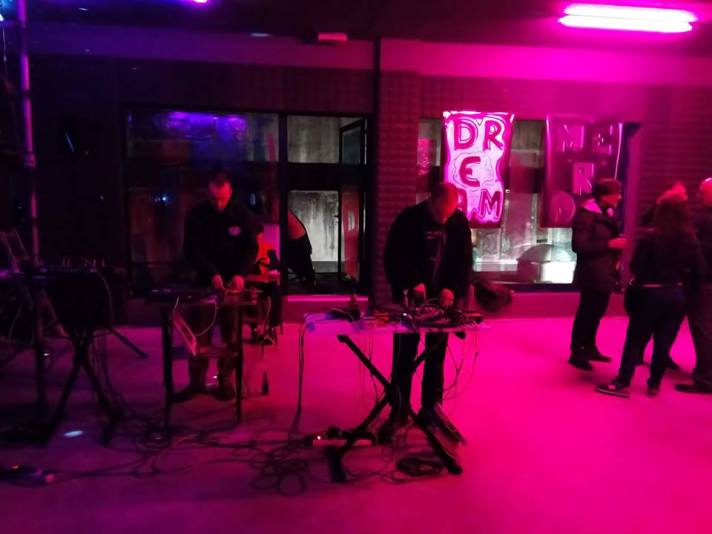
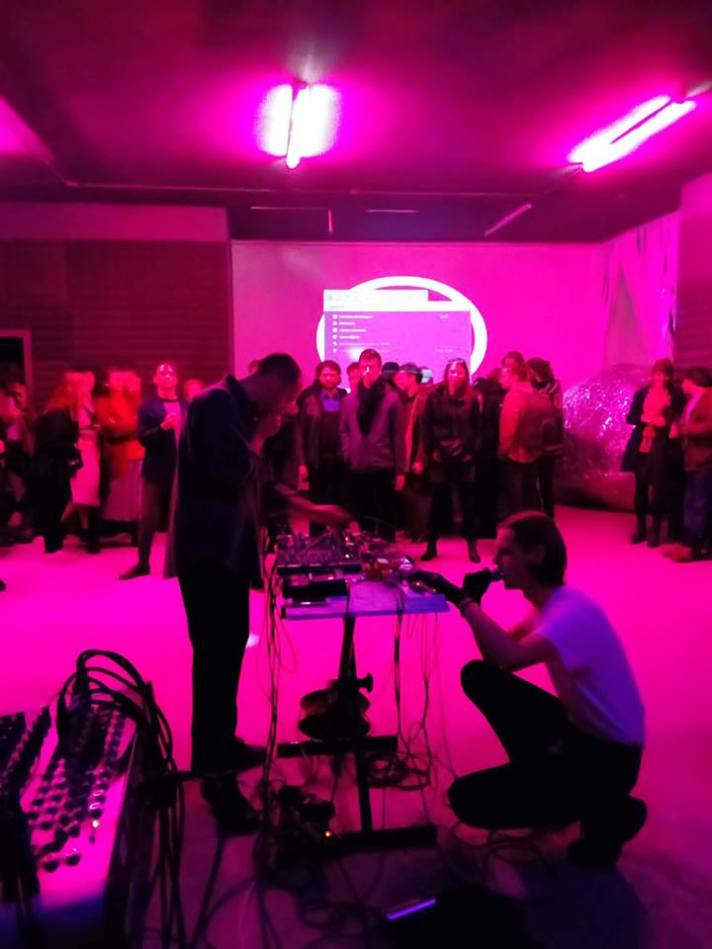
– Fantasma and Nu No – two different, yet equal performances in their conceptual format of complete improbability: Fantasma (Pedro Centeno), played one of his own musical creation’s, Corpo Ausente – Tribute To The Machines, on the studio‘s sound-system. The musician was physically present in the room, but completely removed from said role, whilst performing different tasks connected to the event’s organization. With Nu No (Nuno Marques Pinto), something similar happened, but in reverse. The musician made a brief performance using solely his vocals, without his usual physical presence identifiable in the room. His subject-performance, called Corpo Insurrecto, recited in real-time, intended to be a variation of the traditional artistic performance, where the artist expresses his physicality to the audience. The musician had previously stated that this would be a performance which would only ever be listened to, never seen; a way of contradicting the visual, claiming the prevalence of listening, which is nearly always forced into the background by all that is visual.
– Francisco Oliveira and Ead Mann – A unique collaboration between a musician from Terebentina and one from Favela Discos in a joint performance. The basis; electronic and experimental, in real-time, ranging between drone and noise, with sound possibilities that cropped up from the manipulation of various effects pedals and related material. Somewhere between industrial-electronic noise.
– Francisco Oliveira – The musician presented his debut solo record, On The Act Of The Reminding. I really enjoyed this performance; its themes have a subtle and touching beauty. With my eyes closed, during many moments of his performance, I wandered through the ether. For those who wish to know more about this work read: https://www.facebook.com/guilherme.lucas.92/posts/1800439266711920
OMEM – OLAN MONK and EAD MANN’s musical project. ambient-noise with drone, punctuated with hypnotic recitations, and at times, by Olan Monk ‘s more physical-performative performance.
– Lonz Dale’s Fantasy – Second concert for this new group from Porto. They are a duet, formed by Nils Meisel (electronics and banjo) and Kenneth Stitt (vocals). Both musicians are part of Sereias, and for this reason I was very curious to see how the two would function in a different set. Two things that seem clear to me in Lonz Dale’s performance: a project that has a “deconstructed” pop component that works very well and is pleasantly catchy; something between electronic punk folk (à la Pogues), and a great vocalist (not only in competence, but also literally, in stature), master of an unusual performance (at all levels) and of a complete and insane delivery … in addition to writing great nonsense lyrics; completely surrealistic and hilarious.
On the other hand, there is lots of space in the duo’s music; Kenneth’s perfunctory declamations flow nicely between Nils’ electronic instruments. At times creating a solid musical block that responds well, be it in the parts where the two musicians are most attuned, or in those during which Kenneth wanders, so grotesquely lost, in his miraculous performance. A mix of hallucinatory and tribal mosh-pit (mostly for the dancer), to which everyone is invited to join in and to exorcise their demons. Live, the duo’s music is very contagious and it was possible to perceive through the audience’s strong adhesion that they hold a project which, with some finer tuning will not face many challenges in reaching a wider audience and diversified tastes. It was a really fun concert, offered by a band that, through its music, seems to seek it. Their upcoming concerts should be followed with proper attention.
After the live performances, the lights went out and dj sets took over. It was a fantastic evening! Bring on the next one!
Lonz Dale’s Fantasy
texto e fotos: Guilherme Lucas
No passado sábado, ocorreu mais uma grande festa/happening (esta denominada de Shadow Paradox Cave) promovida pela label portuense P a r v a. Se há eventos, pelos dias de hoje, onde a surpresa e a imprevisibilidade acontecem nas noites do Porto, a Parva é, sem margem para dúvidas, uma das que mais contribui para uma Invicta moderna e verdadeiramente alternativa às outras alternativas já instituídas na cidade, arriscando corajosamente em promover muito do que foge aos parâmetros do senso-comum e do underground mais óbvio e já estabelecido. Confusos? Pensem em algo mais alternativo ao vosso alternativo e começam a estar mais perto da minha explanação.
Este happening, realizado num amplo estúdio de arte, com excelentes condições e com bar, compreendeu concertos ao vivo, performances musicais, dj sets, instalação artística e até um jantar volante. Ao longo da noite e madrugada, muito foi o público que acorreu ao local para presenciar as inúmeras atuações que iam ocorrendo em ritmo non-stop, carimbando assim o sucesso deste evento. Focando-me nas atuações musicais que presenciei no local, e que é o que me move especialmente nestas minhas reviews sem futuro, de forma sintética, direi que:
– Fantasma e Nu No – duas atuações distintas, mas iguais no seu formato conceptual de completa improbabilidade: Fantasma (Pedro Centeno), fez passar no soundsystem do estúdio uma peça musical da sua autoria, de nome Corpo Ausente – Tribute To The Machines. O músico esteve fisicamente presente na sala, é um facto, mas completamente afastado dessa sua função, enquanto acorria a tarefas distintas, ligadas à organização do evento. Com Nu No (Nuno Marques Pinto), ocorreu algo similar, mas de forma inversa. O músico fez uma breve atuação, unicamente com voz, sem a sua presença física identificável na sala. O seu tema/performance, de nome Corpo Insurrecto, que foi unicamente declamado e em tempo real, pretendeu ser uma variação à performance artística tradicional, onde o artista se expôe, com o seu corpo, à assistência. Como o músico me confidenciara antes, esta seria uma performance para ser unicamente escutada e jamais visionada; uma forma de contrariar o sentido da visão, reivindicando a primazia da audição, quase sempre relegada para segundo plano por tudo o que é visual.
– Francisco Oliveira e Ead Mann – Reunião ocasional entre um músico dos Terebentina e outro dos Favela Discos, numa performance conjunta. A base, eletrónica e experimental, discorreu entre o drone e o ruído, e das possibilidades sonoras que iam ocorrendo da manipulação dos vários pedais de efeitos e material afim, em tempo real. Algo entre o industrial/noise eletrónico.
– Francisco Oliveira – O músico apresentou o seu primeiro trabalho a solo, de nome On The Act Of The Reminding. Gostei bastante desta sua atuação; os seus temas tem uma beleza subtil e tocante. De olhos fechados, deixei-me vaguear pelo éter, em muitos momentos da sua atuação. Para quem quiser saber mais sobre este trabalho, deixo aqui um link de uma review que fiz há uns meses atrás sobre este trabalho do músico, é ler: https://www.facebook.com/guilherme.lucas.92/posts/1800439266711920
– OMEM – Projeto musical de OLAN MONK e Ead Mann. Ambiental/noise com drone, pontuado com declamações hipnóticas e em alguns momentos por uma atuação mais física/performativa de Olan Monk.
– Lonz Dale’s Fantasy – Segundo concerto deste novo grupo do Porto. São um dueto, constituído por Nils Meisel (eletrónica e banjo) e Kenneth Stitt (voz). Ambos os músicos fazem parte dos Sereias, e por isso mesmo, era grande a minha curiosidade em perceber como os dois funcionariam num registo diferente. Estes Lonz Dale’s tem duas coisas que me parecem evidentes na sua atuação: é um projeto que tem uma componente pop “desconstruída” que funciona muito bem e é agradavelmente “catchy”, algo entre o folk punk (à la Pogues) com eletrónica, e um grande vocalista (não só em competência, mas literalmente, também em estatura), senhor de uma performance invulgar (a todos os níveis) e de completa e insana entrega …isto para além de escrever grandes letras non-sense; completamente surrealistas e hilariantes. Há, por outro lado, bastante espaço na música do duo; as declamações imprecadas de Kenneth fluem muito bem entre o instrumental eletrónico de Nils, criando, em muitos momentos, um sólido bloco musical que responde bem, ora nas partes em que os dois músicos estão mais sintonizados, ou naqueles em que Kenneth deambula, de forma grotescamente perdida, na sua mirabolante performance, um misto de mosh-pit alucinado e tribal (mais para o bailarico), onde toda a gente está convidada a entrar para expulsar os seus demónios. A música deste duo é, ao vivo, muito contagiante, e deu para perceber, pela muito boa adesão do público, que tem em mãos um projeto, que mais bem alinhavado, não encontrará muitas dificuldades em almejar públicos mais numerosos e de gostos diversificados. Foi um concerto bastante divertido este, oferecido por uma banda que parece ambicionar isso, através da sua música. Para seguir, com a devida atenção, os próximos concertos.
Finalizadas as atuações ao vivo, todas as luzes se apagaram e foi dado espaço para os dj sets. Foi uma noite fantástica! Venha a próxima!
words: Guilherme Lucas (freely translated by Raquel Pinheiro); photos: Raquel Pinheiro
I was very pleased with Little Friend ‘s showcase by musician John Almeida, who started his performance after The Velvet Underground Played at My High School’s screening.
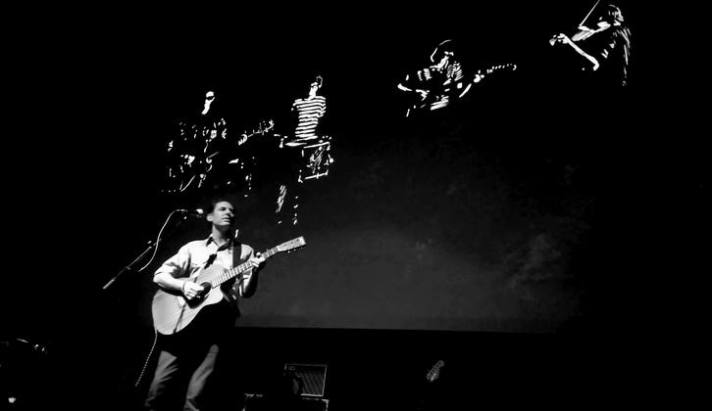
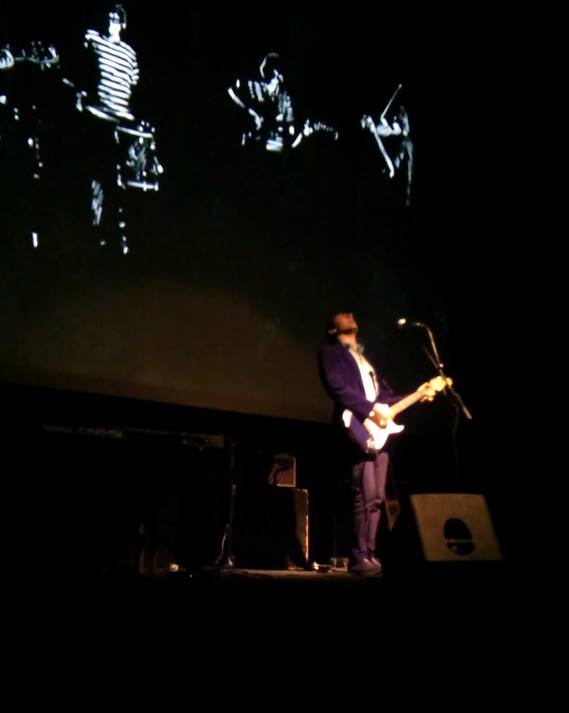
On a simple and very intimate setting with only the necessary stage lights to lit the musician’s position by the microphone’s tripod, under Passos Manuel’s screen majestically projecting one of the most sombre and intense scenes from Velvet Underground’s animated film, John Almeida revisited his first album (2013) called We Will Destroy Each Other, while also presenting some new songs that will feature on his second album, to be released early 2019, titled A Substitute For Sadness.
It was the first time I saw him live. I went to the concert with an idea of his work only formed by listening to his two albums, which I managed to have previous access.
John Almeida is a great songs composer. That is immediately perceived in listening to his themes. He is a musician with a rock matrix, but who channels it to perform pop songs. Something he does with undeniable distinction. There is a meticulous care in the arrangements and in the various emotional intensities offered by his music that brings us back to the idea of someone who works intensively on his themes so that his feelings and message are transmitted with touching sensitivity. Although he makes pop songs, they are not “catchy”, easy to absorb songs; the musician is a subtle arranger and his songs exhibit pop class, without vulgarity or for the masses. In addition to recognizing a mix between The Beatles, The Velvet Underground and Radiohead on parts of their sound, I cannot find other, more palpable references (which I’m sure they will have for other listeners), perhaps because the timbre of his voice is not very obvious to me (at least the way I listen to it). It’s more an asset of his own. He showed it in the way he performed. Using only his great voice, a great capacity to make huge and irresistible choruses, and an acoustic or an electric guitar to accompany (except for one theme, Singing In My Sleep, which featured a friend on keyboards), it was by choosing this format, stripped of all arrangements inherent in a band, and that his albums reproduce, that captivated me a lot. Surprised me even, because they reaffirmed my conviction that great songs, when they are unbelievably good and beautiful suffice itself in their simplicity.
Possibly, the next time I’ll him live he will be with his band, and, maybe, everything will be closer to his recordings, each of the themes acquiring a different dimension than the one played this time. I found his entire solo performance excellent, an urban troubadour. That’s enough for my future memories of Little Friend. It was a magnificent evening.
texto: Guilherme Lucas; fotos: Raquel Pinheiro
The Velvet Underground Played at My High School + Showcase Little Friend at Porto Post Doc – Caíu-me mesmo bem este showcase de Little Friend, do músico John Almeida, que deu início à sua atuação, terminada a projeção da curta The Velvet Underground Played at My High School.
Sobre um cenário simples e bastante intimista, com as luzes de palco apenas necessárias para iluminar a posição do músico junto ao tripé do microfone, e onde no ecrã de cinema do Passos Manuel se projetava majestosamente uma das cenas mais sombrias e intensas da animação da curta dos The Velvet Underground, John Almeida revisitou, em muitas ocasiões do seu espetáculo, o seu primeiro álbum de 2013, de nome We Will Destroy Each Other, como foi também apresentando alguns novos temas que farão parte do seu segundo álbum, a ser editado no início de 2019, e cujo nome será A Substitute For Sadness.
Foi a primeira vez que vi o músico ao vivo. Ia para este concerto com uma ideia do seu trabalho, unicamente fruto da minha escuta dos seus dois álbuns, a que consegui ter prévio acesso.
John Almeida é um grande compositor de canções, isso é o que se percebe de imediato na escuta dos seus temas. É um músico que tem uma matriz rock, mas que canaliza a mesma para realizar canções pop. E é algo que faz com distinção inegável. Há um cuidado meticuloso nos arranjos e nas várias intensidades emocionais que a sua música nos oferece que nos remete para a ideia de alguém que trabalha intensamente os seus temas de forma a que os seus sentimentos e a sua mensagem sejam transmitidos com uma sensibilidade tocante. Embora faça canções pop, direi que não são canções “orelhudas” das mais fáceis de absorver; o músico é um arranjador subtil e as suas canções exibem classe pop, sem vulgaridade e para as massas. E para além de reconhecer um misto entre The Beatles, The Velvet Underground e Radiohead em coisas do seu som, não consigo, além destes, encontrar outras referências mais palpáveis (que certamente terá para outros ouvintes), talvez porque o timbre da sua voz não seja para mim muito óbvio (pelo menos da forma como a escuto). É mais um trunfo seu. Demonstrou isso mesmo, da forma como atuou. Usando apenas a sua grande voz, e uma capacidade enorme para fazer coros imensos e irresistíveis, e uma guitarra acústica ou uma elétrica para acompanhar (à exceção de um tema, Singing In My Sleep, em que contou com a participação nas teclas de um músico amigo), foi pela escolha deste formato, despido de todos os arranjos inerentes a uma banda, e que os seus discos plasmam, que me cativou bastante, e até me surpreendeu, pois reafirmou a minha convicção de que as grandes canções bastam-se a si mesmas na sua simplicidade, quando são indesmentivelmente boas e belas.
Possivelmente da próxima vez que o for ver ao vivo vai ser com a sua banda e eventualmente tudo será mais próximo aos seus trabalhos discográficos, adquirindo cada um dos temas uma dimensão diferente daquela que interpretou desta vez. Por mim, achei excelente toda esta sua atuação a solo, qual trovador urbano. Basta-me esta para as minhas memórias futuras sobre Little Friend. Foi um serão magnífico.







 Mondo Bizarre Magazine