words: Neno Costa (freely translated by Raquel Pinheiro); photos: Telma Mota
Six years on, The Young Gods returned to Porto for a performance that in no way disappointed the legion of devoted followers who filled the Hard Club to capacity.
With Swiss punctuality, the trio -long familiar to Portuguese stages since 1990 – appeared to promote their latest album, Appear Disappear, released in June this year.
“I spend my time in the brain of the monster,” sang Franz Treichler, quoting Che Guevara, on Appear Disappear. Riding the mounting tension woven by the energetic guitar riffs, the vigorous electronics of Cesare Pizzi and the tribal percussion of Bernard Trontin, the concert flowed through the creative storm of their latest work before revisiting TV Sky (1992), creating an intriguing juxtaposition that reaffirmed the unmistakable sonic fingerprint of the Swiss trio.
Undisputed masters of finely orchestrated industrial landscapes, The Young Gods delivered a flawless performance that extended across two encores.
The finale came with Did You Miss Me, from their 1987 debut album, a multifaceted evocation at a time when the band celebrates forty years of existence. The night reaffirmed them as a performative force still capable of surprising and stirring… the teenagers of the ’90s.
words: Paulo Carmona (freely translated by Raquel Pinheiro); photos: Nuno Lopes
With characteristic mastery, Samuel Úria prepared his transition towards solo performances on iconic stages, and the Coliseus were no exception.
Samuel appeared in full splendour, surrounded by a panoply of settings, stages and instruments, all enriched and animated by special guests and a chorus of celestial voices. Everything was in place for the night to be memorable, and indeed, it was.
It all began with 2000 AD, the title song of his latest work, and straight away the breath became a complement to the syncopated rhythm of my shoe soles. There was a touch of spaghetti western about the song, and a festive spirit swept through the entire hall of Coliseu do Porto.
Soon after came Pedra e Cal, and someone whispered in my ear, “Samuel does whatever he wants with his voice.” The procession was only just beginning when he announced the first guest – the Queen of Hearts herself: Carol. The song, inspired by Xico da Ladra, a character from the alleys and narrow streets where the artist once roamed and drew inspiration, unfolded like a fable. Imagination is something Samuel knows how to translate into song, and those who listen closely can feel it.
The audience responded instinctively; the atmospheric intensity rose with every beat, every sway of the hips. Samuel is, by nature, an entertainer, a consummate performer. He communicates with ease, radiates genuine warmth and just the right measure of humility, deeply endearing qualities. The crowd loved him for it, answering his gestures with bursts of applause.
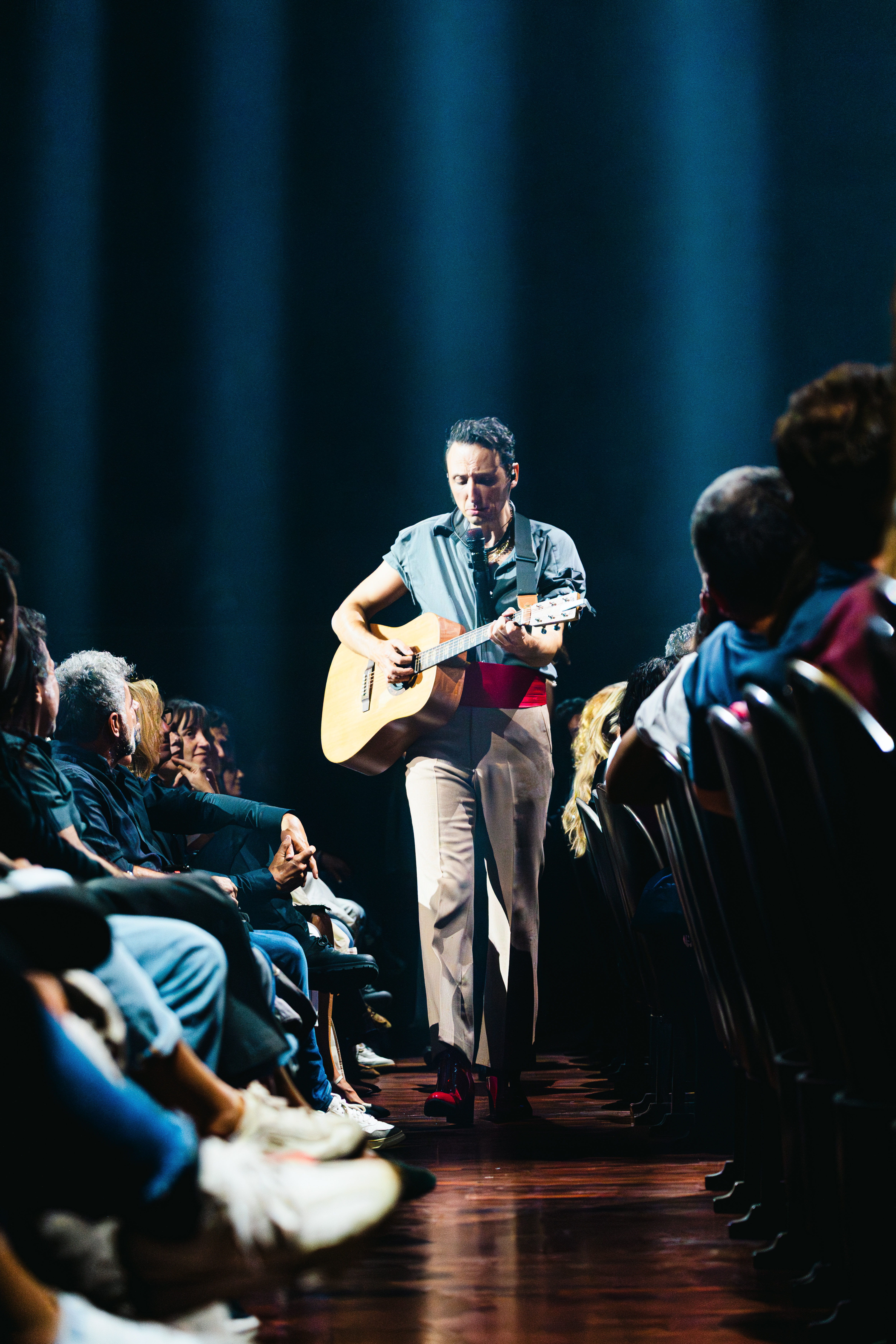
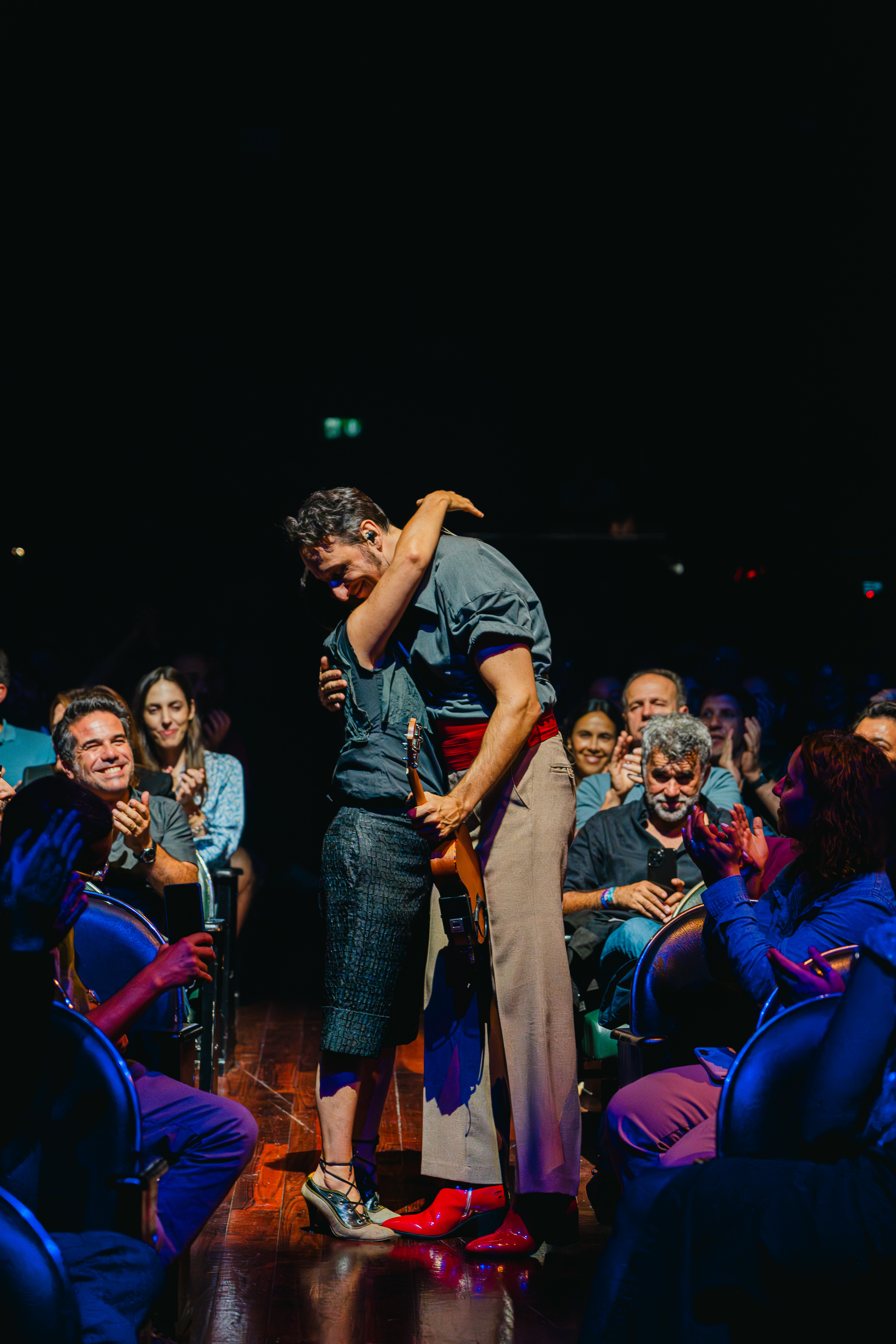
There were more surprises and more guests joining Samuel on stage: Margarida Campelo; Manuela Azevedo, with whom he ventured into the middle of the audience to perform Carga de Ombro in a completely acoustic version, a moment that set the Coliseu ablaze.
Then came Milhanas and Gisela João. Each of them wonderful, each unique. One could not have asked for more. The stage even shifted hands, as the band from earlier days – Flor Caveira – filled the air with rock’n’roll à la carte. Like a chameleon slipping between parallel worlds with a diplomat’s passport, Samuel moved through genres that met and mingled here and there.
A special note must be given to É Preciso Que Eu Diminua, in which the artist seemed to perform a near-penitential act. With the wisdom and craft of a poet, he offered his reflection on what it means to accept one’s own place when standing in the light, gently criticising the hollow vanity and narcissism that often accompany it.
He closed the concert, as he must, with Um Adeus Português. It belonged there, perfectly attuned to the moment.
I left Coliseu do Porto as one might leave a banquet of the gods, with a full soul. And I caught myself thinking: “If this man keeps going like this, what more could I possibly say?” Oh captain, my captain?
words: Paulo Carmona (edited by Raquel Pinheiro); photos: Paulo Carmona
Sivert Høyem (of Madrugada) possesses an impressive voice with a very rare vocal range in deep tones, very well supported by the diaphragm and perfectly in tune.
He is a man of stories and, more or less, fortunate coincidences with which he captures the audience’s full attention, as they come scented with truth and humor.
Each song is a poetic ode of personal inspiration from something experienced, witnessed, or close. Perhaps that is where his truth and sense of genuine interpretation come from.
The atmosphere felt in each song makes us soar high, and we almost feel a breeze brushing against the skin. It is within the reach of few.
In this intimate solo concert, in which he appears very communicative and friendly, in the third song – Ride On Sisters, and explores his voice between powerful lows and intense, perfect falsettos. Here, Sivert earned the first of several ovations of the night.
Whenever he performs songs from his band – Madrugada – the audience reacts enthusiastically. A good example of this was Majesty, which was sung in full by many of those in the audience. Hollow, On An Island, and even Love vs The World were performed before the announced encore.
Sivert returned to bring us Prisoner, Honey Bee, When Your True Love is Gone, and Moon Landing to end on a high note.
I stayed until the room was practically empty, and there he was, mingling with some of those present. For those on the outside, it really looked like a conversation among friends. Cool!
words: Neno Costa (freely translated by Raquel Pinheiro); drawings: Neno Costa
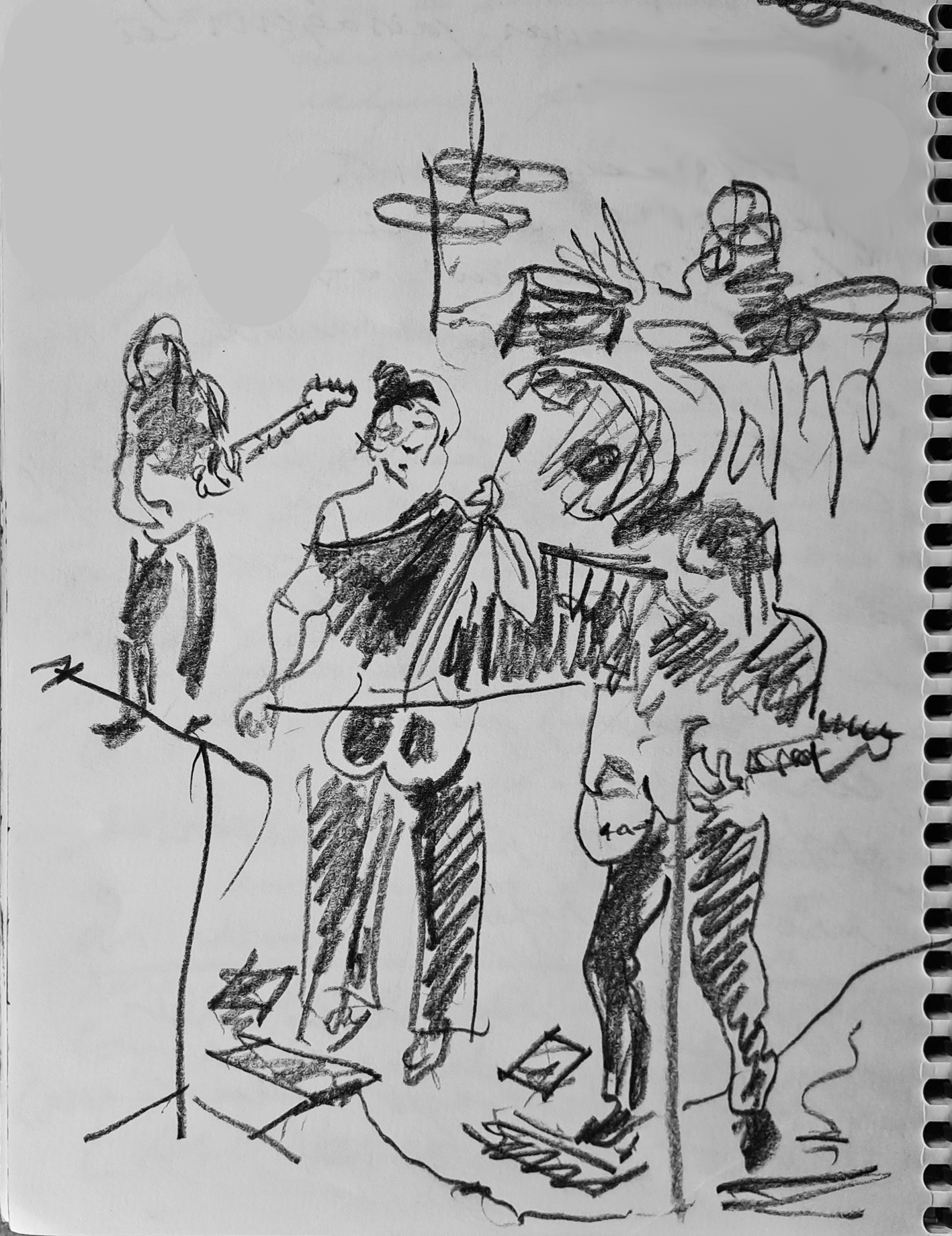
God Is an Astronaut returned to Casa da Música, three years after their last appearance in 2022- this time Sala Suggia – offering, true to form, yet another magnificent concert.
The Irish trio emerged following a virtuosic solo performance by cellist Jo Quail, who accompanies the band on this voyage, enriching their sound without in the slightest disturbing the post-rock atmosphere. A realm ruled by the voices of instruments and the crafting of vast, interpretative landscapes.
The sonic voyage began with Falling Leaves, opening the passage into their latest work, Embers (2024). The distinctive picking of Torsten Kinsella’s guitar slipped forth like an invitation to the senses, soon joined by the other instruments to form a scene traversed like an emotional roller-coaster, with epic downpours and nostalgic sunsets. The well-tempered bass of Niels Kinsella and the band’s new drummer Anxo Silveira wove an intricate, enveloping dialogue, further expanded by Jo Quail’s contribution.
It was a solid, soaring performance that carried the audience on a cosmic voyage through highlights of their eleven-album career. With the indispensable All Is Violent, All Is Bright seasoning an already rich setlist, and closing, ouroboros-like, with From Dust to Beyond (2002).
words: Marcos Leal (edited by Raquel Pinheiro); photos: Telma Mota
Jim Jarmusch, the independent filmmaker behind iconic cinematic works with the soul of a musician, and Jozef van Wissem, the maestro of the lute, performed a concert that felt like it had drifted out of a somber yet beautiful dream.
With tracks like The Unclouded Day and Concerning Celestial Hierarchy, the concert opened as a kind of secular meditation, where van Wissem’s lute chords engaged in a delicate conversation with Jarmusch’s textured guitar layers.
The soundscape was meditative, with van Wissem’s fingerpicking bordering on hypnotic, and Jarmusch’s slow, dense guitar seeming suspended in time, adding waves of reverb and feedback to the folk serenity of the lute.
Their chemistry was defined by minimalism and transcendence: few notes, vast space, and a deeply cinematic aura. Tracks like The Unclouded Day and Only Lovers Left Alive pulled the audience into a world where the soundtrack itself was the lead character.
But the most surprising moment came during the encore.After a performance drenched in introspection, the two returned to the stage and, without warning, standing tall with guitars raised, launched into a track driven by an electronic beat—more pulsating, more visceral, almost danceable.
The audience stirred, though still somewhat restrained by the mood shaped earlier. It felt as if they had tugged us back to Earth, just to prove that even masters of silence know how to erupt in sound when they choose to.
words: Neno Costa (freely translated by Raquel Pinheiro); photos: Telma Mota – reel on our insta @mondobizarremagazine
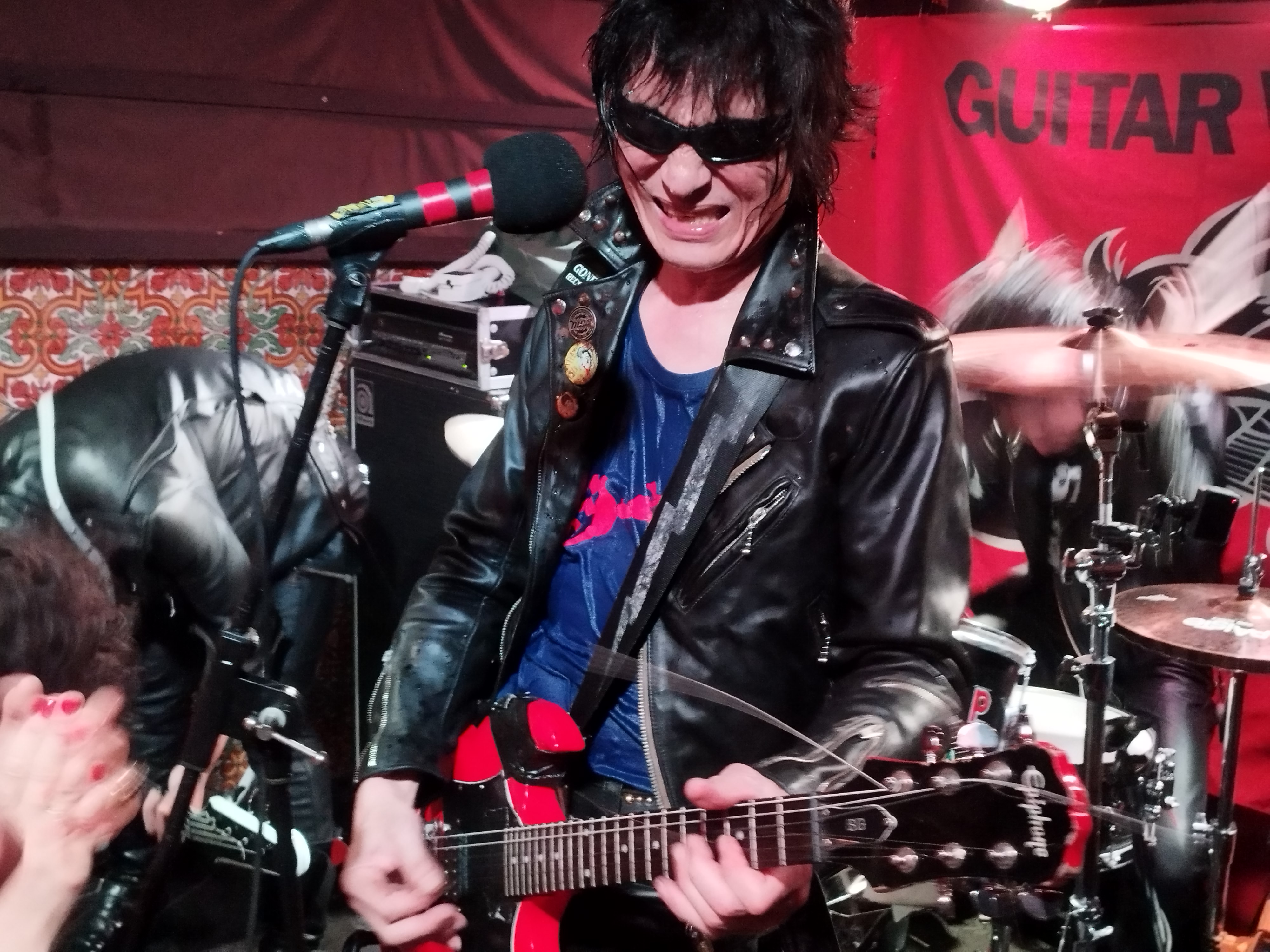
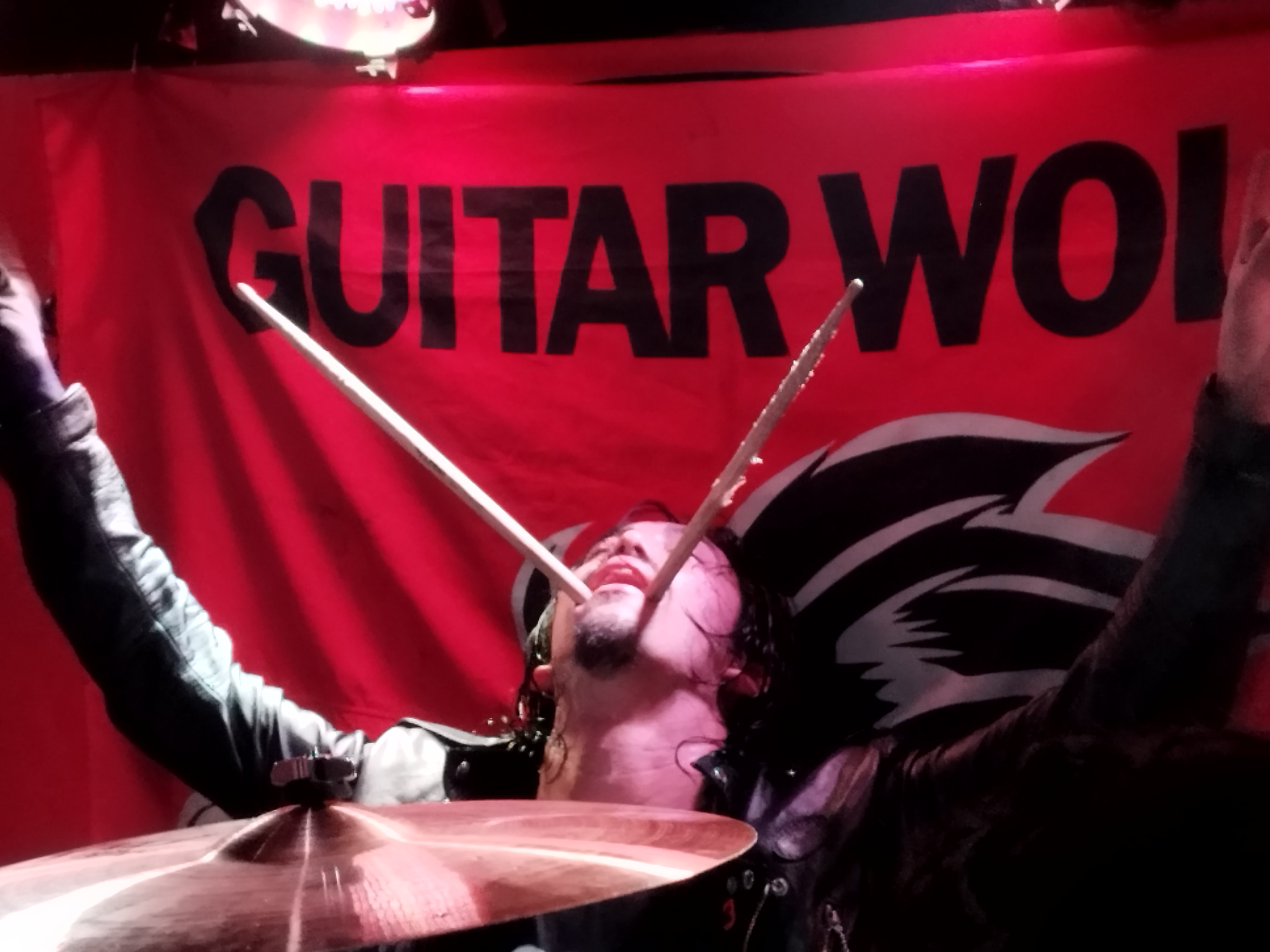
Punk is not dead in the land of the rising sun. Such was proved – and how proved it was! – by Guitar Wolf in a remarkable concert at the temple of Porto’s most daring sounds, Barracuda.
The Japanese trio, formed in 1987 – of which original line-up only survivor is guitarist Seiji – presented themselves with an irreverent, captivating stance, invoking the country that bequeathed them tempura and arigato, before toppling the sonic reactors upon the human mass that seized up in a sea for extreme sweat and heat until the last chord.
Punk rock of the best origin, in an omnipresent tribute to the Ramones, provided a sound that transcends the more canonical formula, entwining a power noise with criative particularities able to sustain songs like Fujiyama Attack and Jet Generation.
words: Paulo Carmona (freely translated by Raquel Pinheiro); photos: Telma Mota
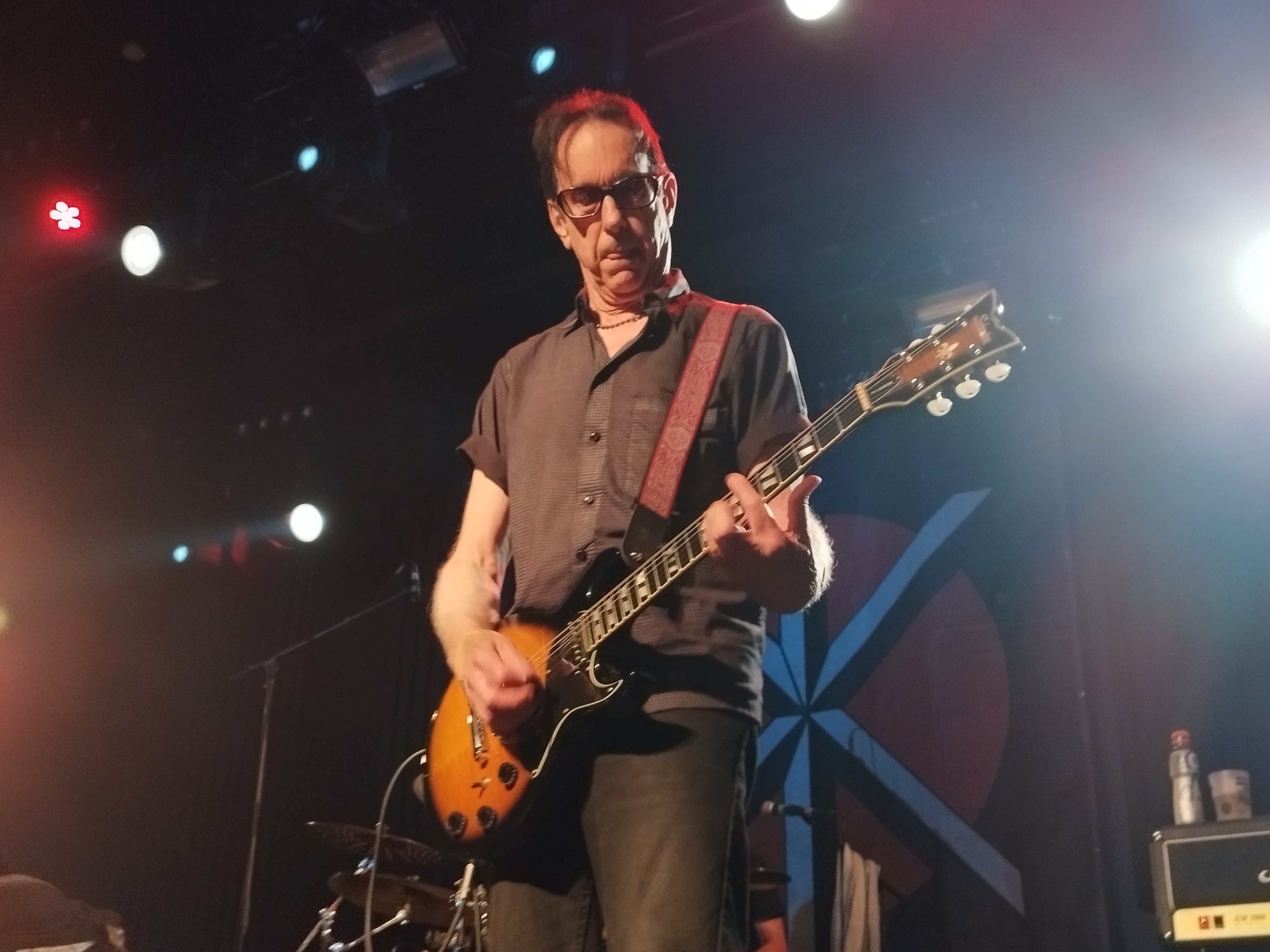
Just kids. Some because they were it, some because they had been it. From 16 to 70, all were represented. Like recicled teenagers, unrestrained, in frantic rodeo mode. Parody, fun, good mood and peaceful provocation, mixed with punk rock and classic hardcore, served in a cold sweat-sour typical of that generation, was what Dead Kennedys brought on their luggage and spilled, at once, on stage. We have a video of the raw punkness on our insta instagram.com/mondobizarremagazine/
It was impossible to remain indifferent to all the human warmness. Interactivity and symbiosis between band and audience. Those waiting for punk is not dead spirit got it, in double serving, with jumps, screams, crowd surfing and mosh among heat and sweat.
The Dead Kennedys run through all their landmark songs, from Police Truck through Kill the Poor, Too Drunk To Fuck, Nazi Punks, to Holiday in Cambodia, with endless energy. Only after a few verbal outbursts an stings realized most of the audience understood English perfectly well.
East Bay Ray (guitar) and Klaus Flouride (bass), Dead Kennedys’ main core, were up to the demands, interacting with the audience when necessary. Steve Wilson, on drums, gave it all to be at D.H. Peligro’s level, and did it very well, not withdrawing from remember the band’s late drummer.
Above all, the concert showed punk spirit is alive and well, and it’s transversal to several generations, and still a war cry against oppression and oppressors. As for old people? Which old people? I saw none. What else?…
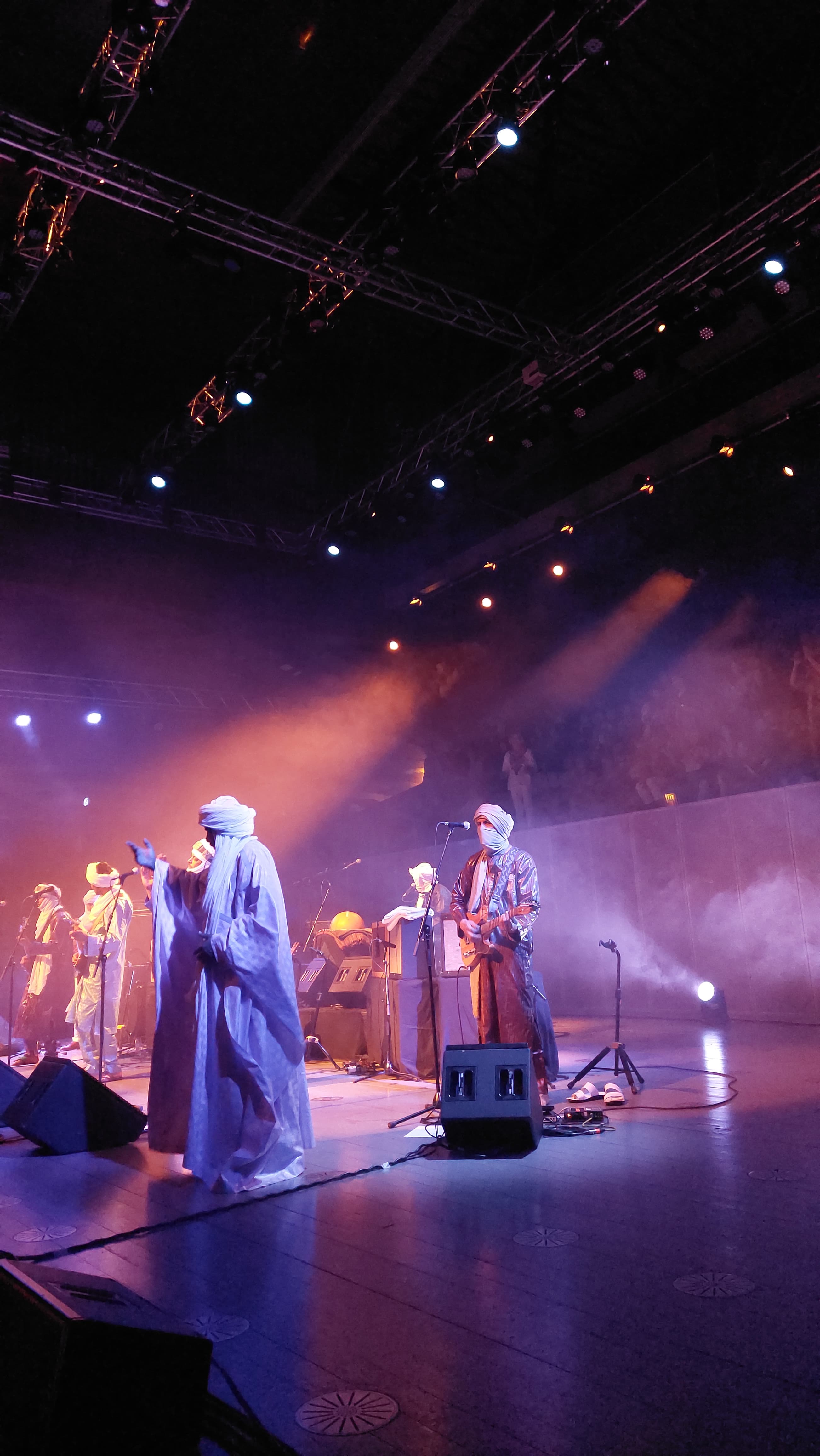
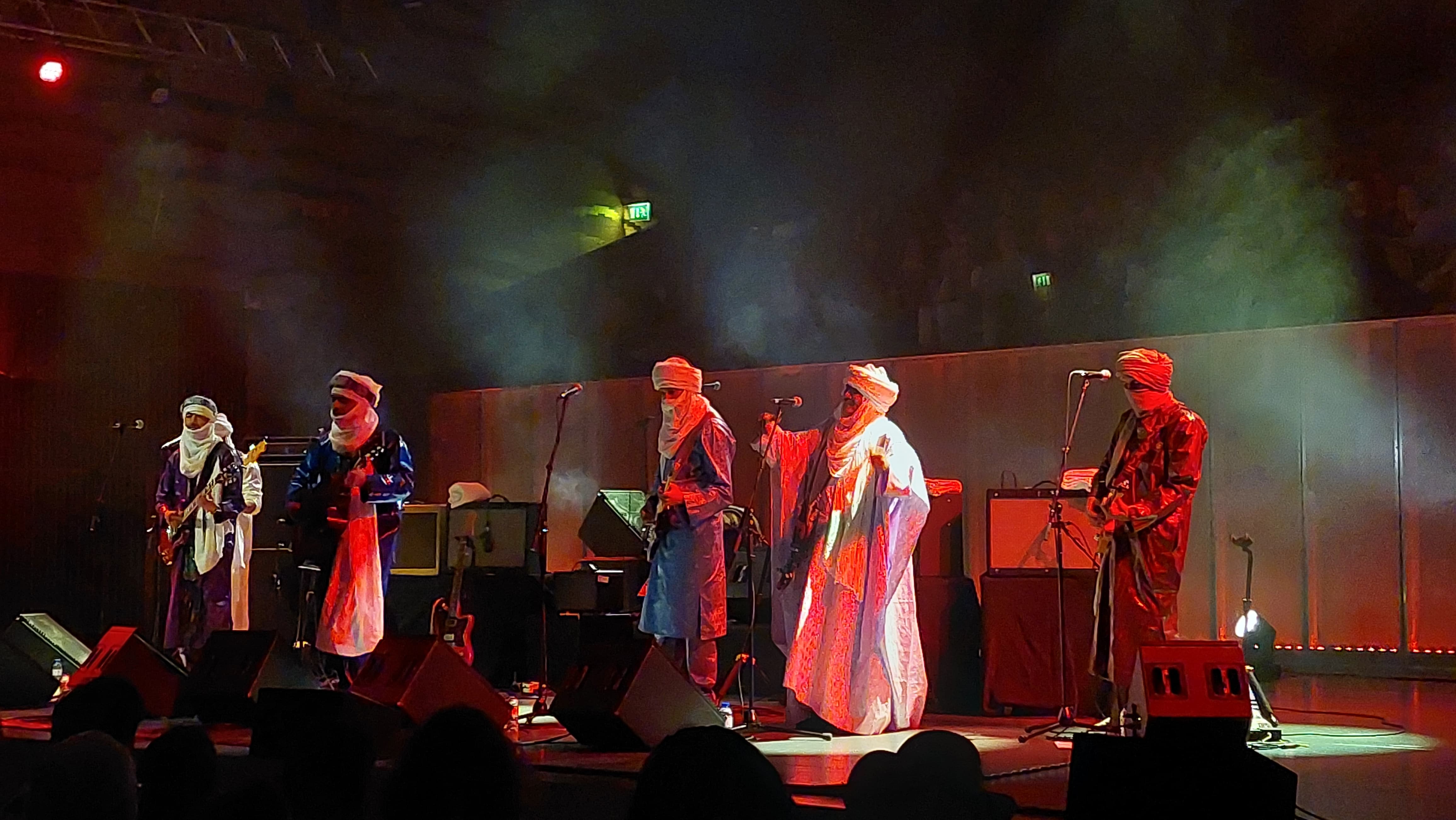
Malian band Tinariwen arrived to Porto after the release of the compilation album Idrache (Traces of the Past).
Tinariwen means desert people, or people of the desert, Tamasheq. The band born in the borders of Argel and Mali in 1979, brought their assuf (longing, or longing for home), that we know as desert blues, to Porto.And what a concert it was.
Starting slow with Azawad, soon there was dancing and clapping from the stage, incentivinzing the audience to follow.
However, even if people were rocking on their seats, it would took an hour and twenty minutes for the room to stand up and dance.
By the encore, during Afric Temdam, Sastanaqam and Chaghaybou the front of the stage was filled with dancing people.On the other hand, the clapping and diverse vocals sounds from the audience to the stage stayed a staple during the performance.
The way the band uses guitars, divided between acoustic and electric, at times for electric guitars, on stage, in conjunction with the electric bass and traditional percussion is extraordinary. No instrument submerges another.
Tinariwen music is sublime. Transcendent. The songs are sang in Tamasheq, their feelings, the emotions, the soul fulfillment, universal.
words: Telma Mota (edited by Raquel Pinheiro); photos: Telma Mota
After selling out the schedule 7pm show, Japanese band Acid Mothers Temple performed a 5pm slot that we attended.
Acid Mothers Temple have a psychedelic edge and a strong influence from 60s garage rock. The band was celebrating their 30th career anniversary, showcasing the best of their portfolio—rich in Beatle-esque melodies interspersed with powerful drums, and guitar improvisations brilliantly delivered by their guitarist and leader, Makoto Kawabata.
Under the motto “Do what you want, don’t do what you don’t want,” Acid Mothers Temple played a series of memorable tracks that echoed freedom and their unique way of seeing the world.
The band closed the concert in unison with an enthusiastic audience, performing a rendition of The Beatles’ Hey Jude in honor of their openly declared admiration for the British band. What a beautiful moment it was!
words: Paulo Carmona (edited by Raquel Pinheiro); photos: Telma Mota
words: Paulo Carmona (edited by Raquel Pinheiro); photos: Telma Mota
An immense density of everything. The Horrors playing just like themselve. What was to be expected, was.
Alternative neo-ghotic rock, with guitar noise typical of garage rock and indie-punk, mixed with very present and intense keyboardsll, another characteristic of neo-psychedelia, together with the low light and the smog created by the artificial smoke originated a favorable and appropriate environment for the sound performed by the band.
Faris Badwan writhes clinging to the tripod that supports the microphone as if it was supporting himself too He swings a little, stumbling and ecstatic as he shouts the lyrics with in his very characteric voice. Faris barely speaks to the audience. That is part of the band’s style and idiosyncrasies.
The songs followed, one after the other. Starting with Silence That Remains, Three Decades, and Mirrors Image, until Who Can Say.
The intense strob was too present, overshadowing everything, and so annoying that it forced you to close your eyes and look away from the stage. Drummer Joe Spurgeon could barely be seen, or glimpsed through the shadows.
It was almost impossible to focus on the stage for an entire song due to the successive lightning strikes. In my opinion, it almost ruined everything. The only reason it didn’t, was because, musically, the concert was immaculate.
For lovers of the genre, The Horrors have very well structured songs and of a singular beauty and their last album – Night Life, is a good, very well done, record. During the encore they played three songs: Lotus Eater, Scarklet Fields and Something to Remember Me By . Outside, the warm air of the night relieved my tired eyes.














 Mondo Bizarre Magazine