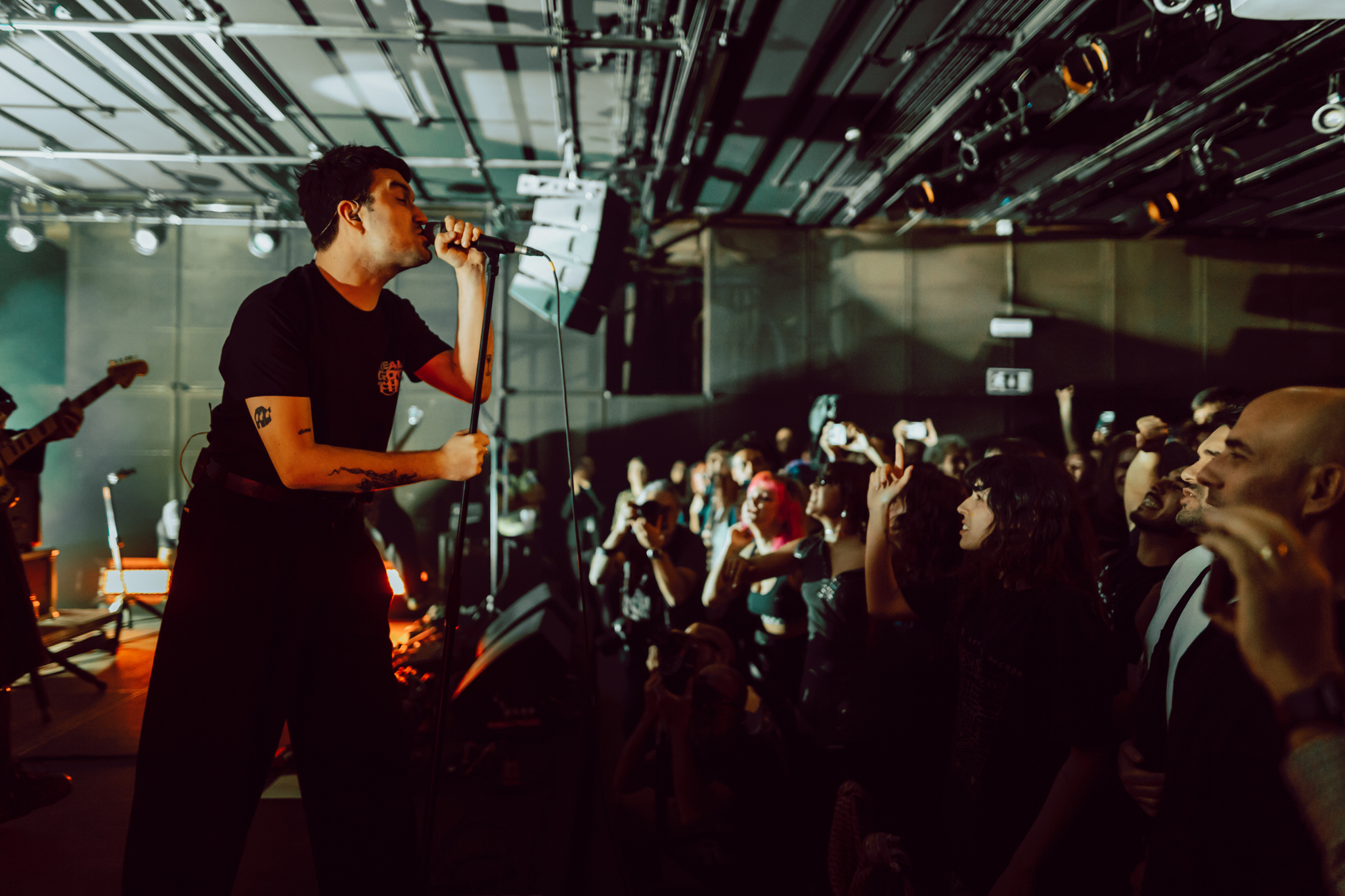
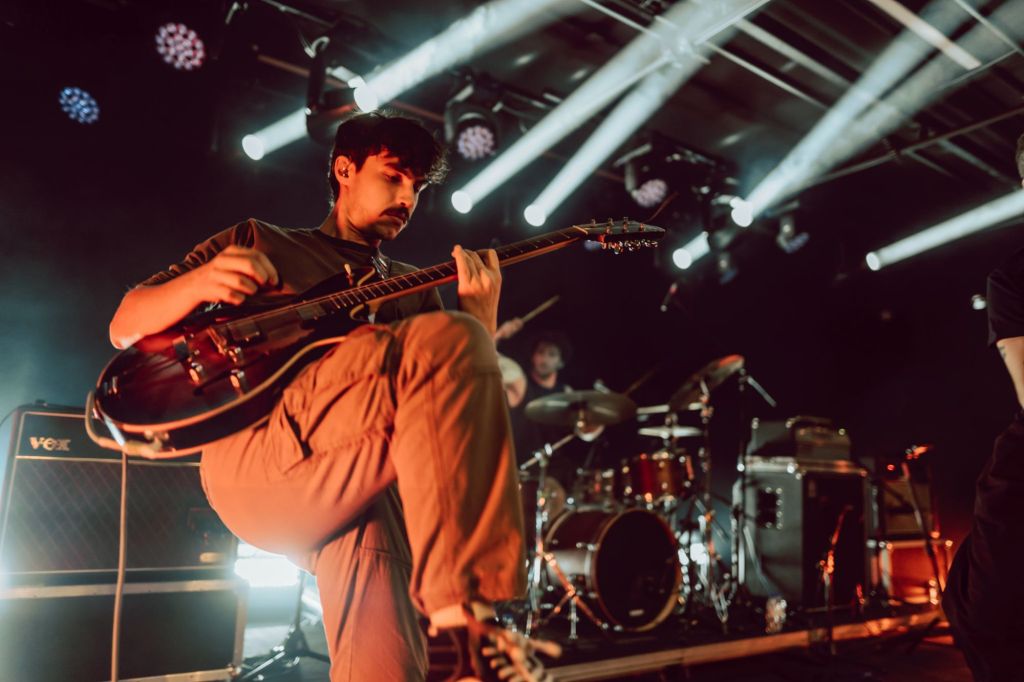
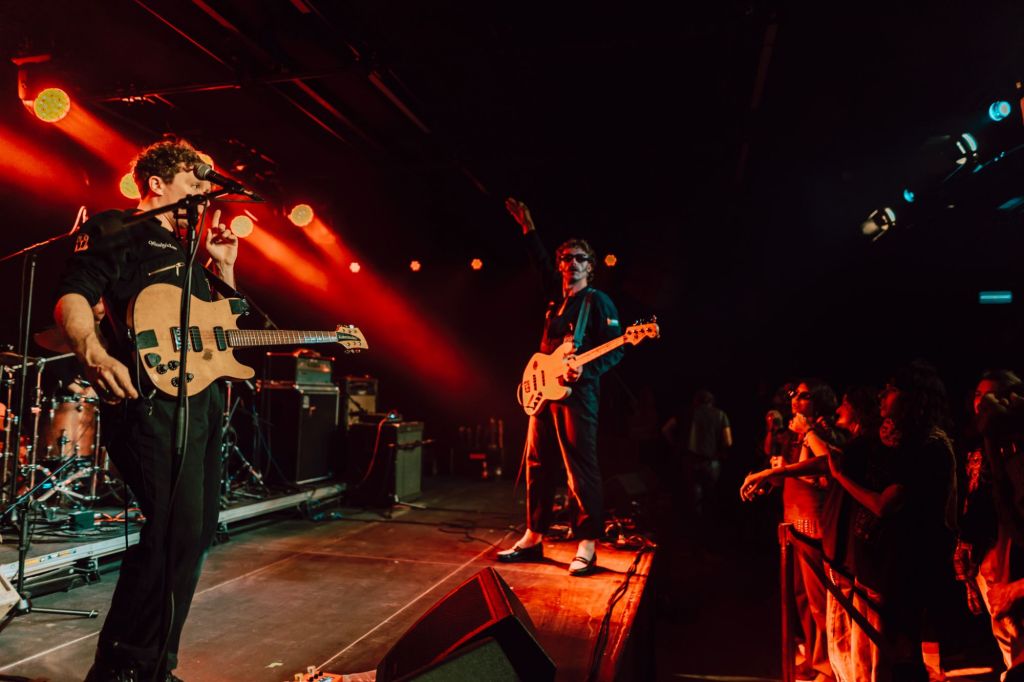
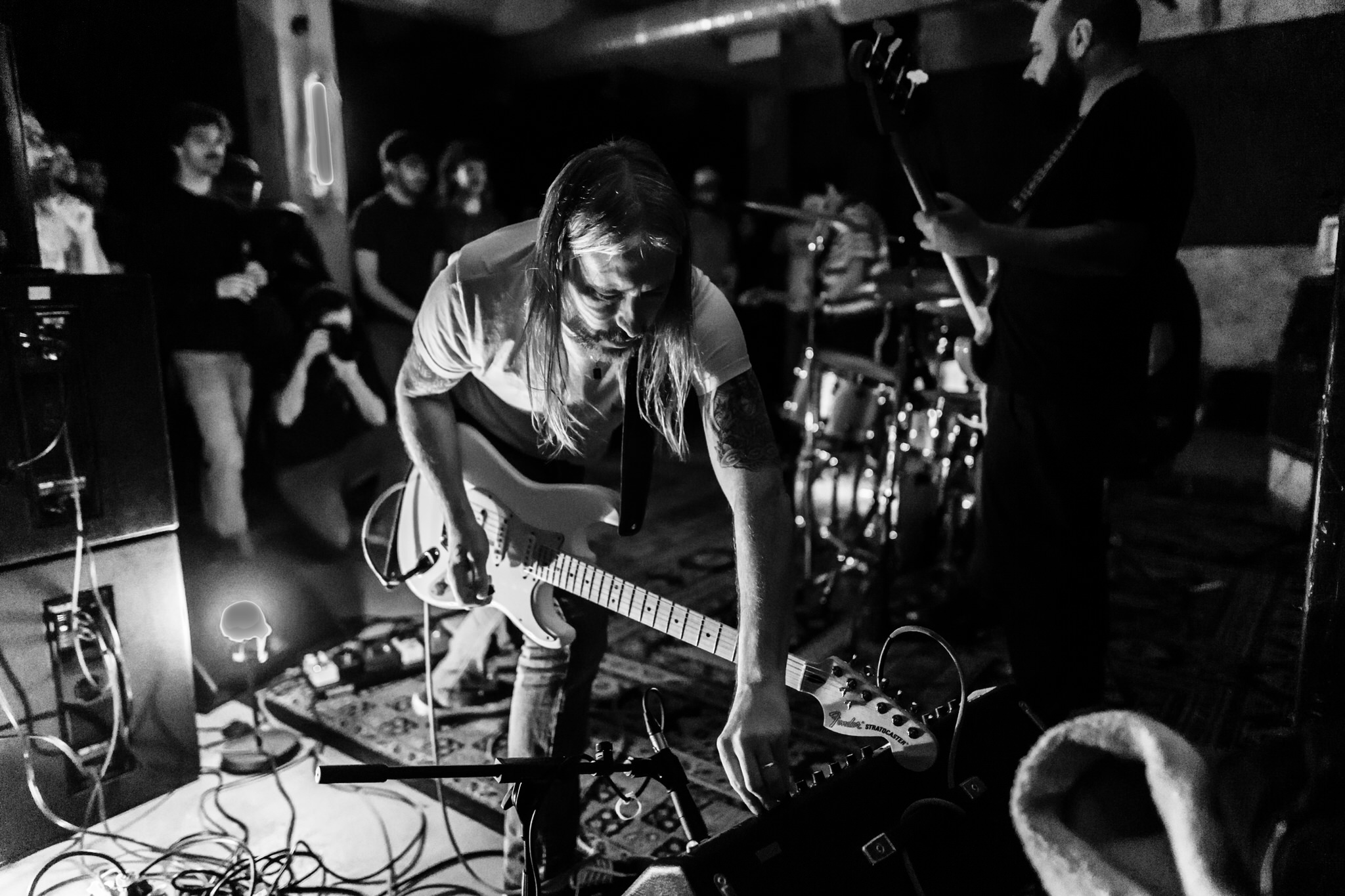
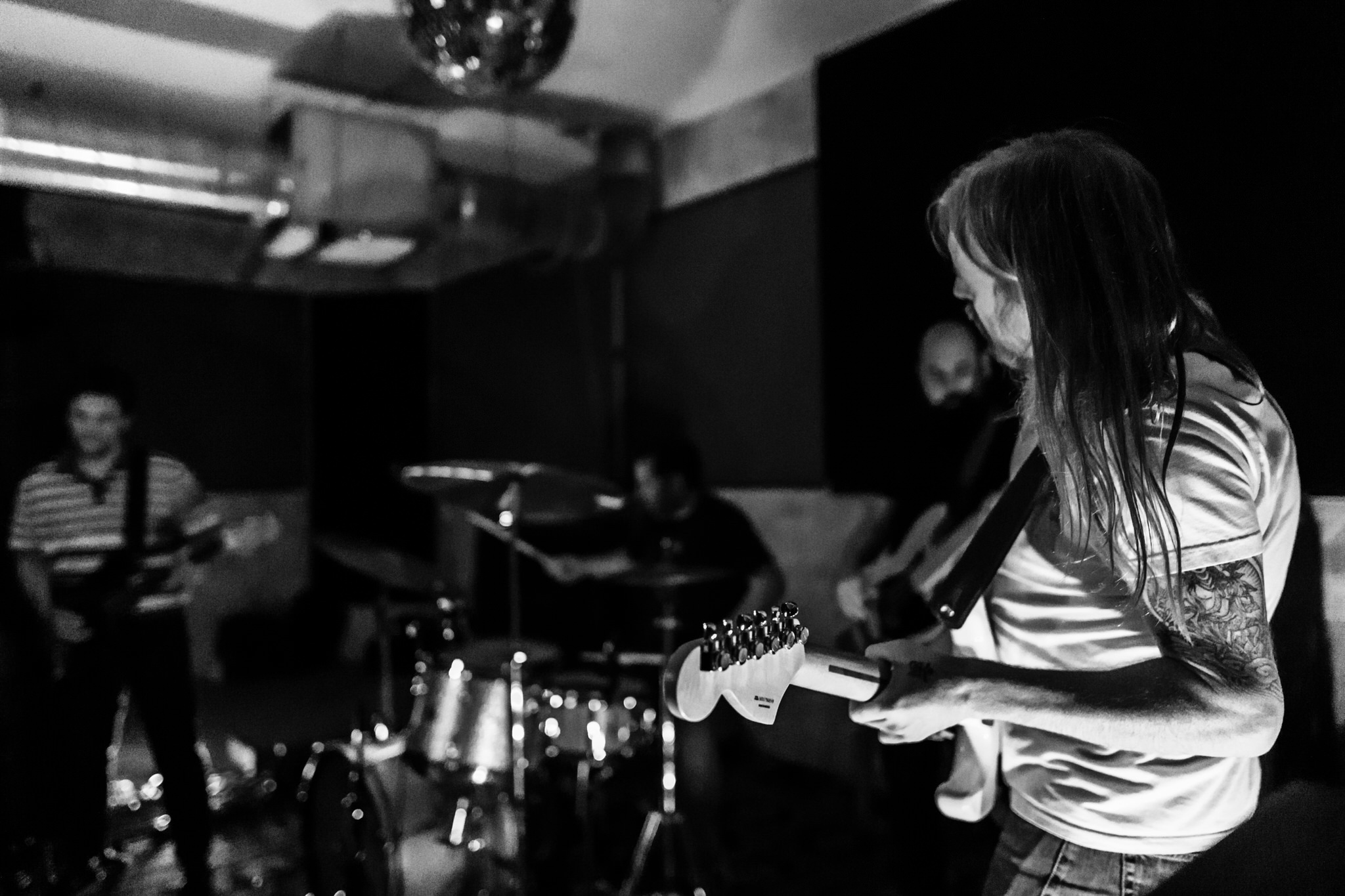
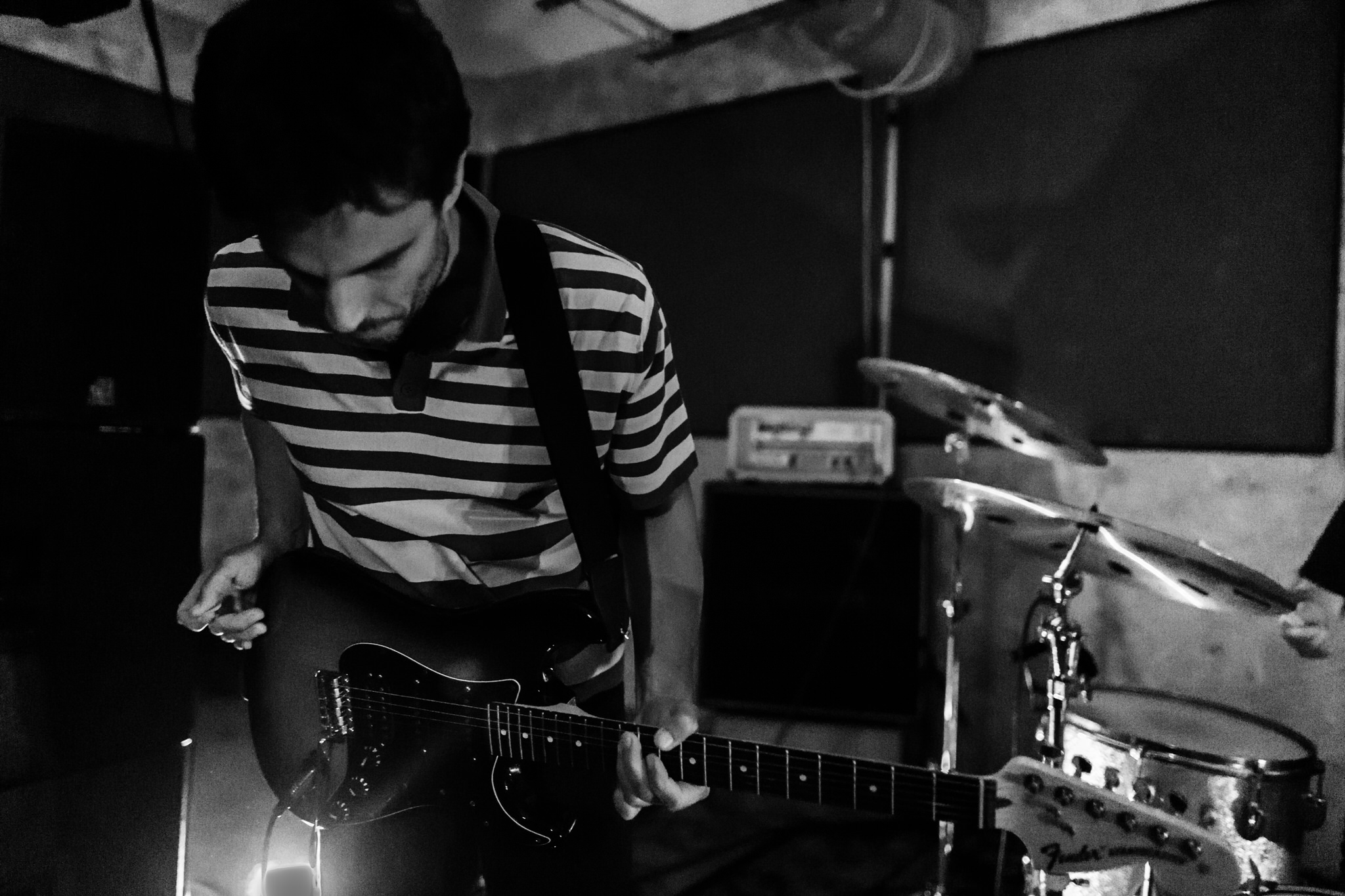
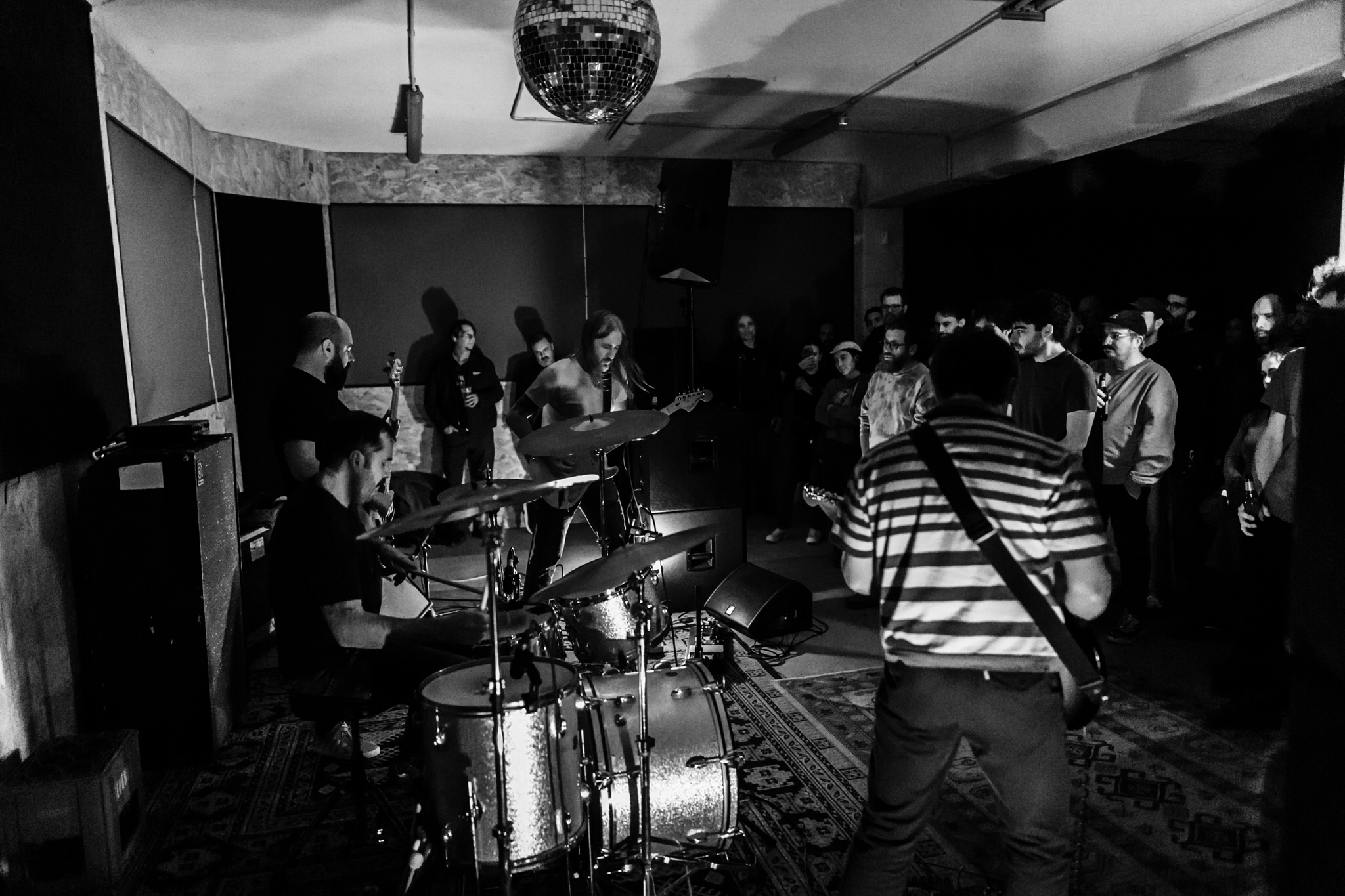
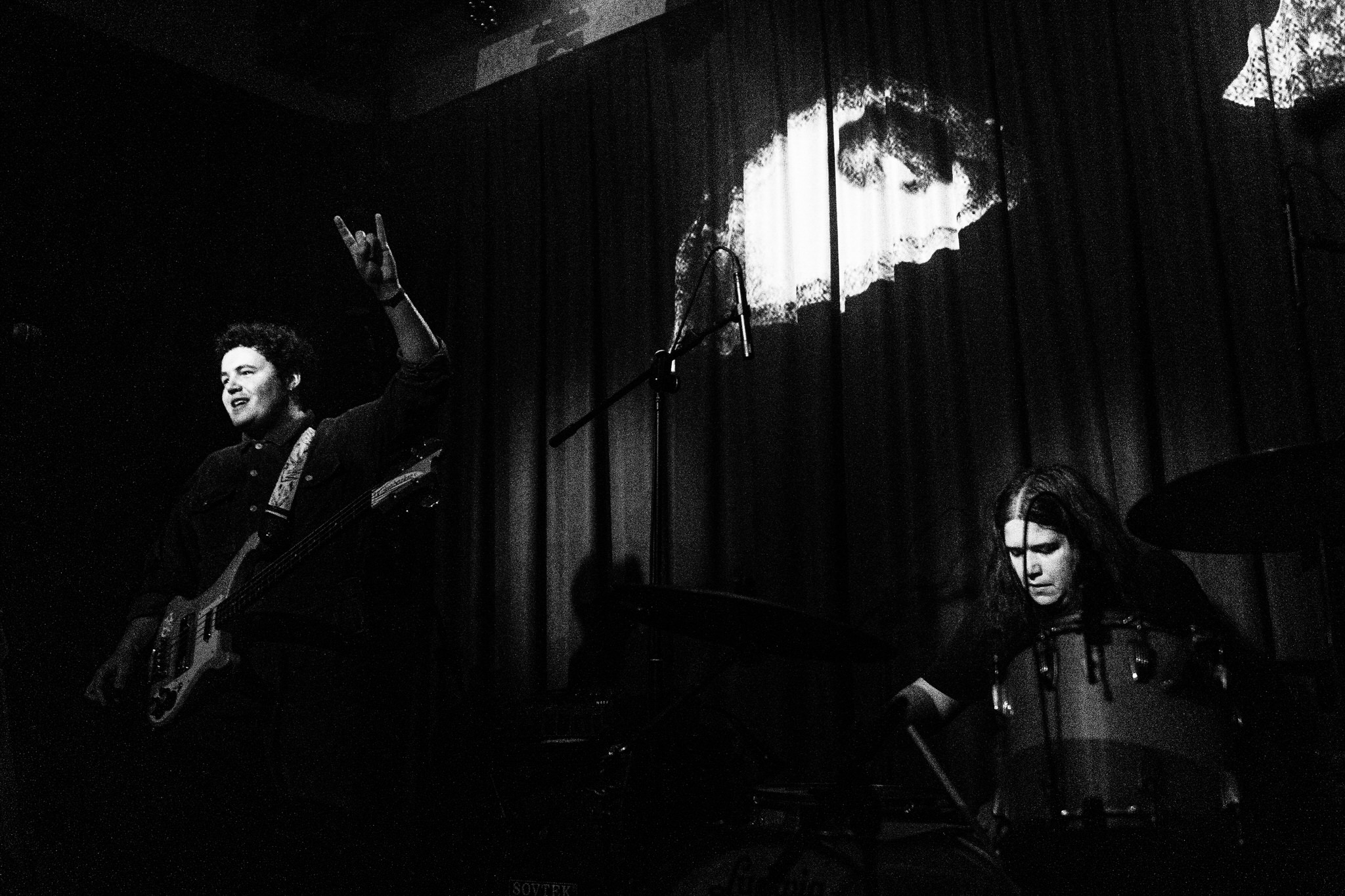
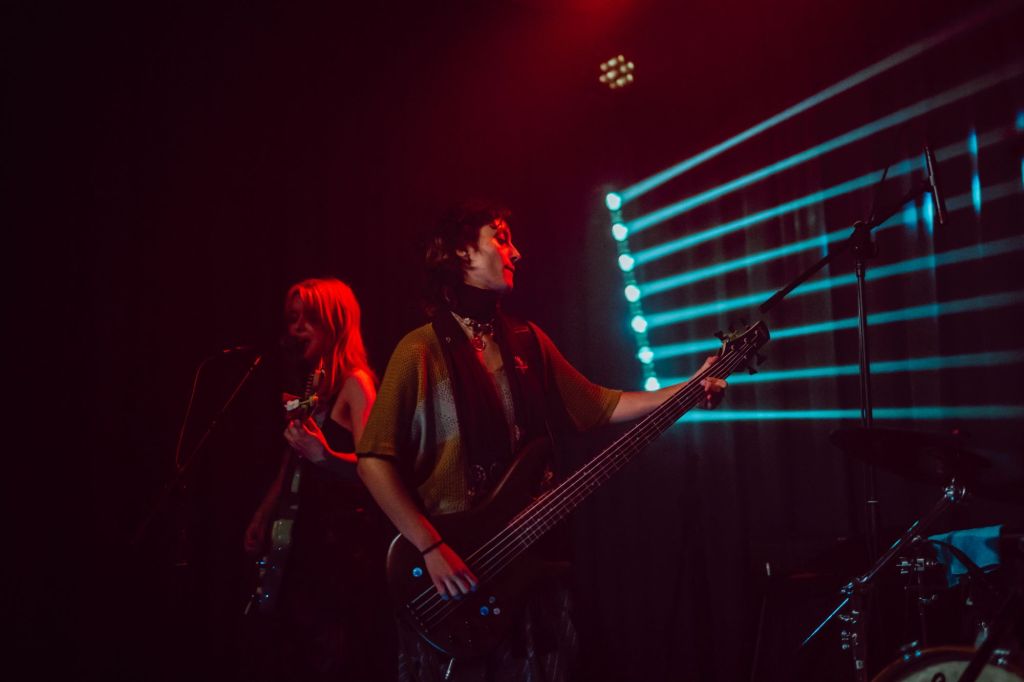
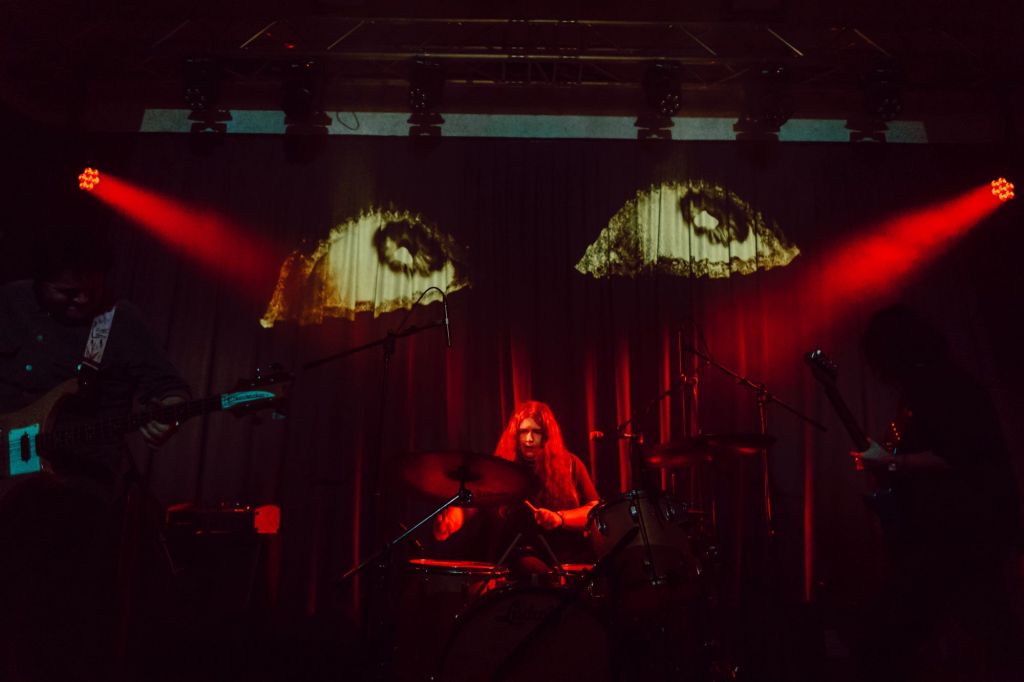
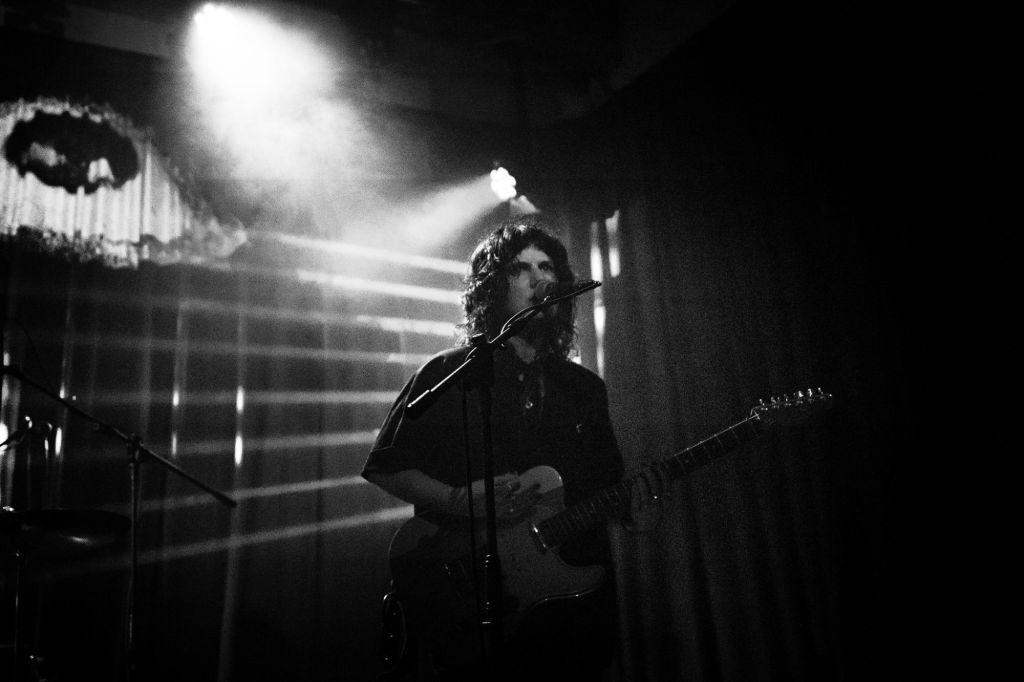
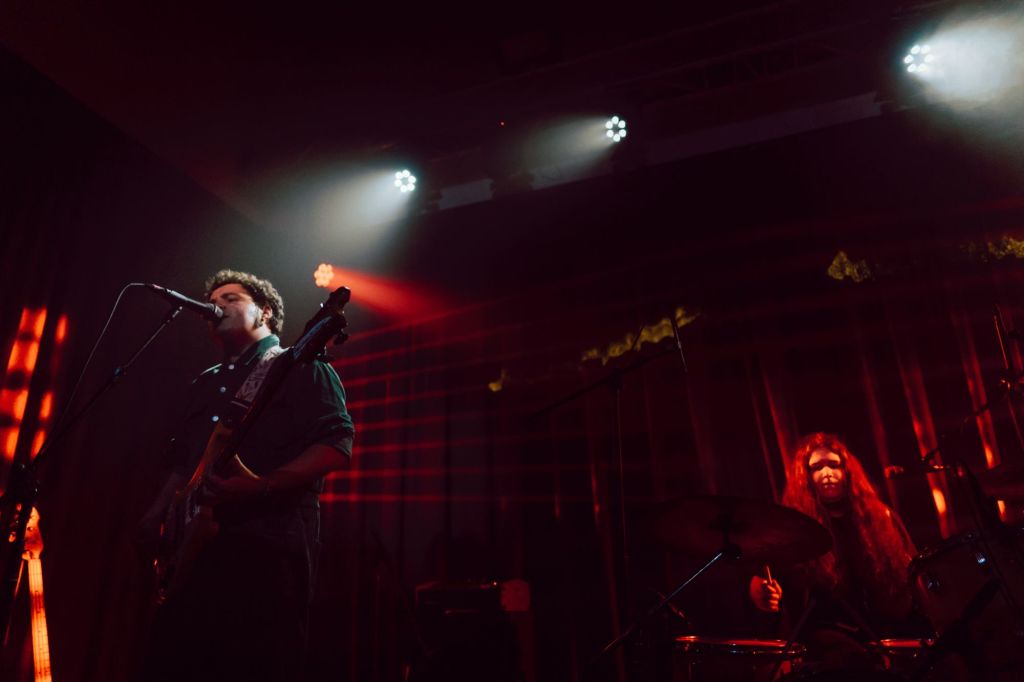
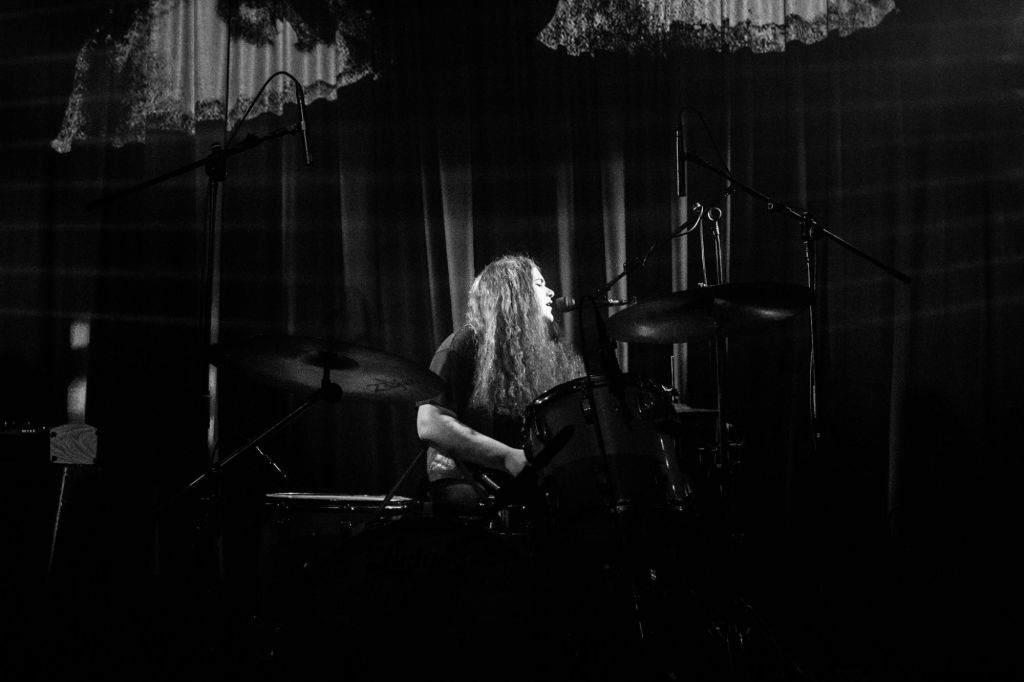
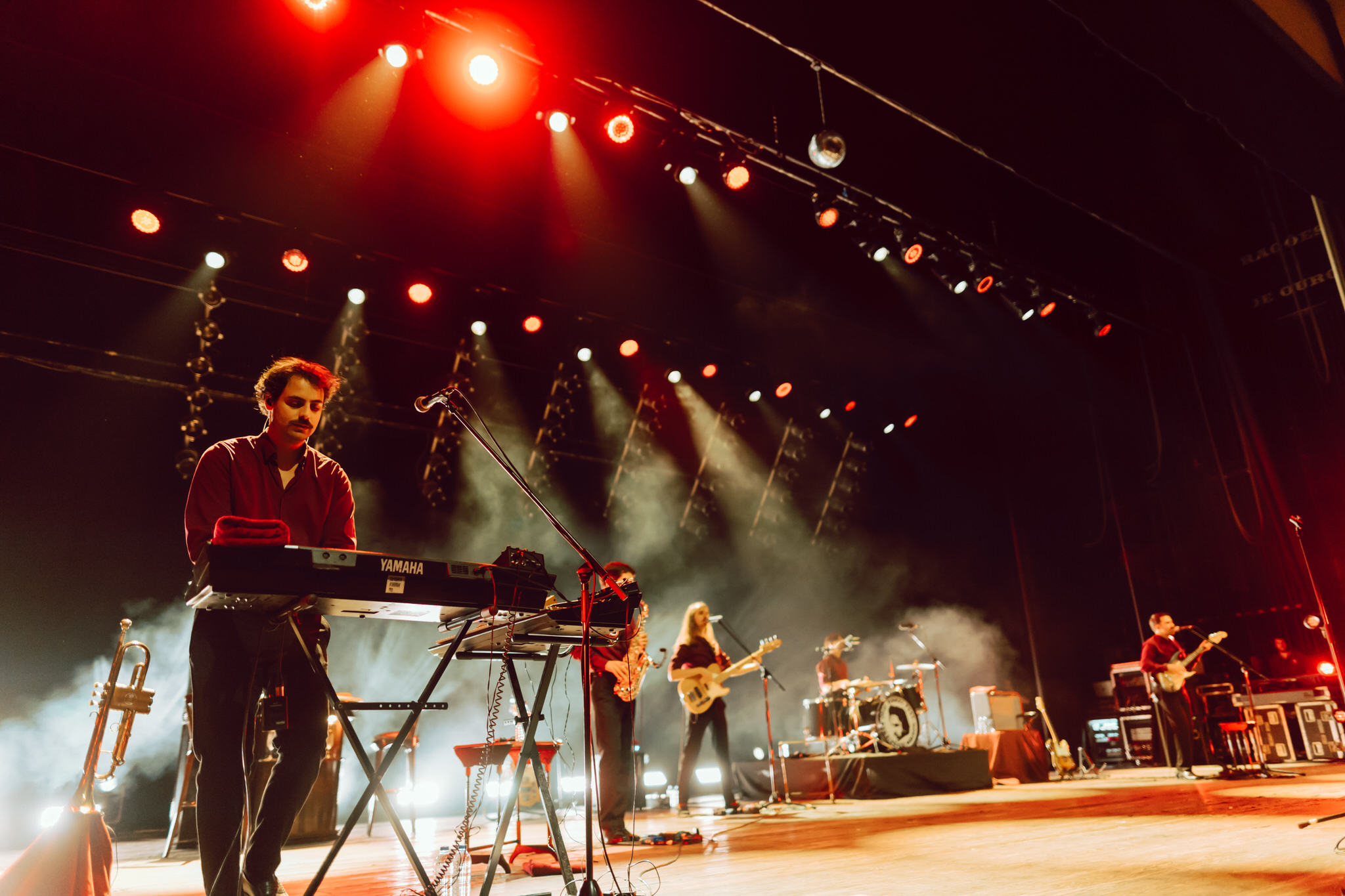
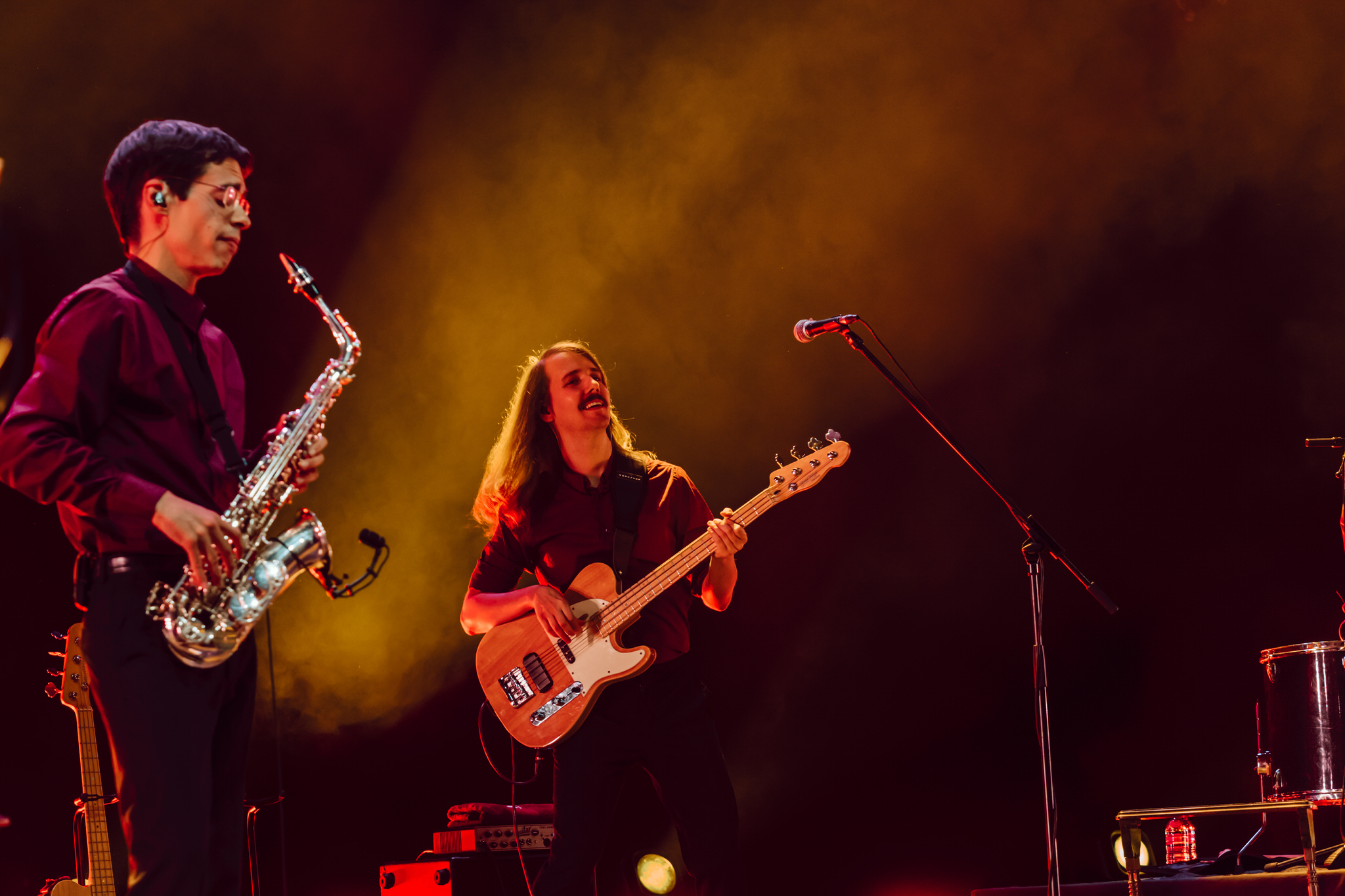
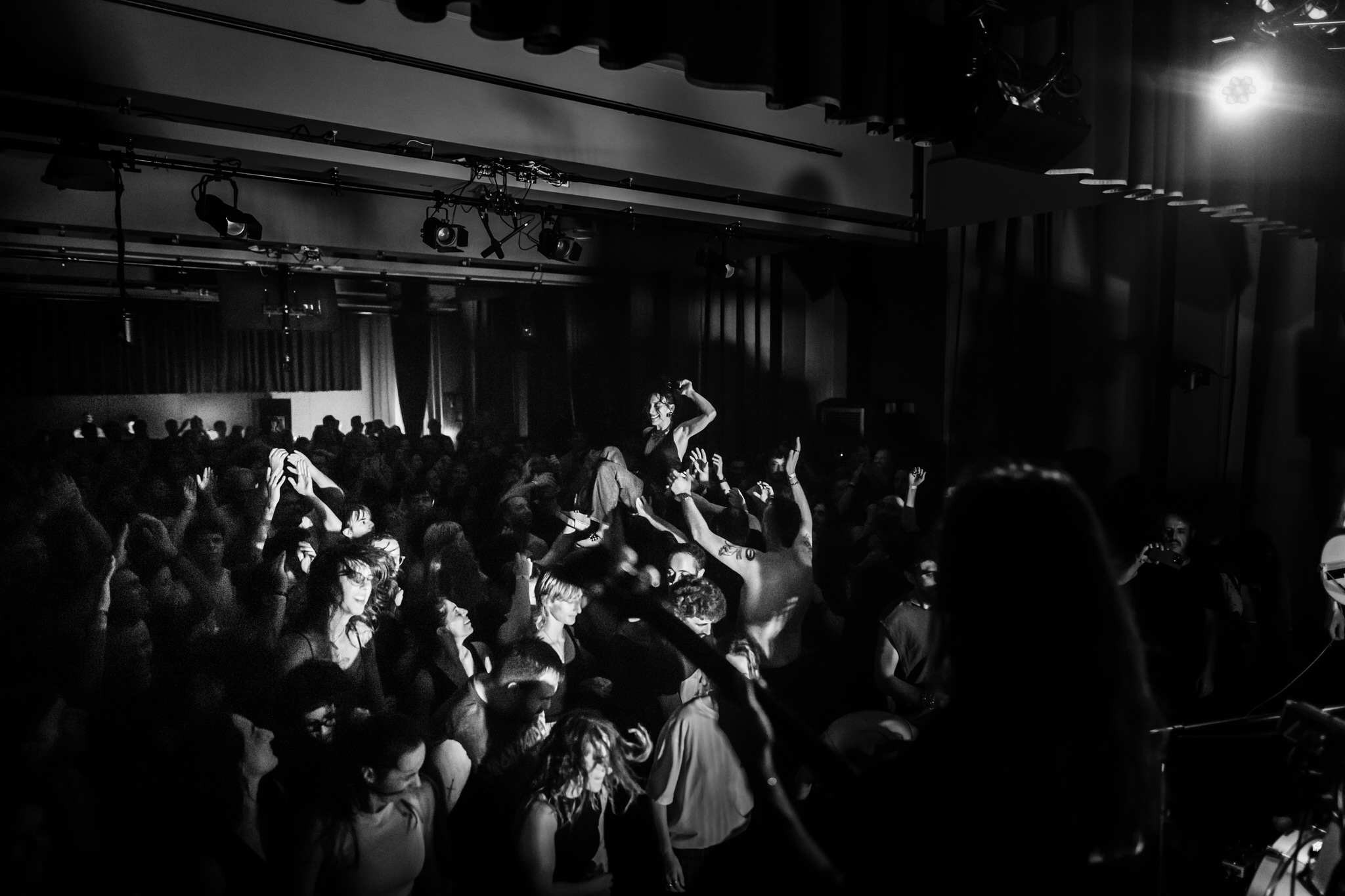
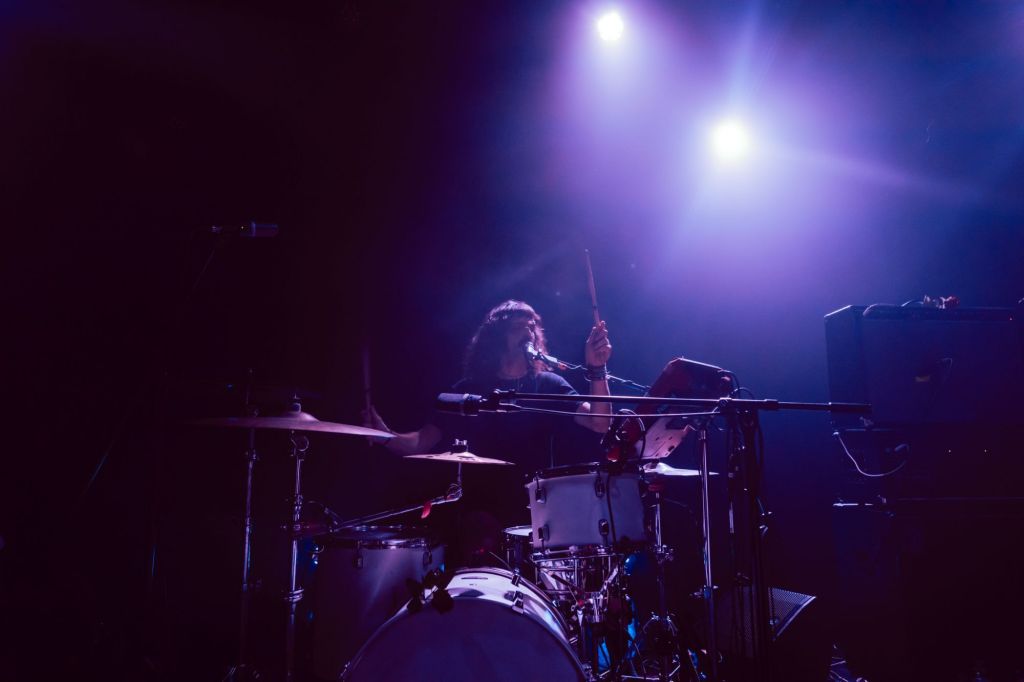
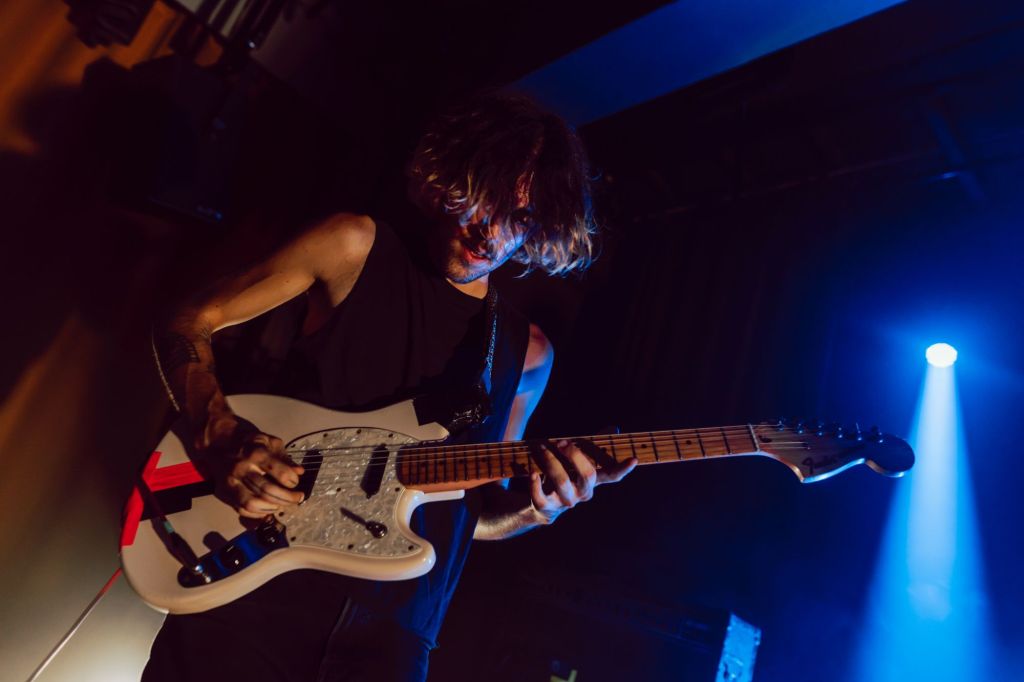
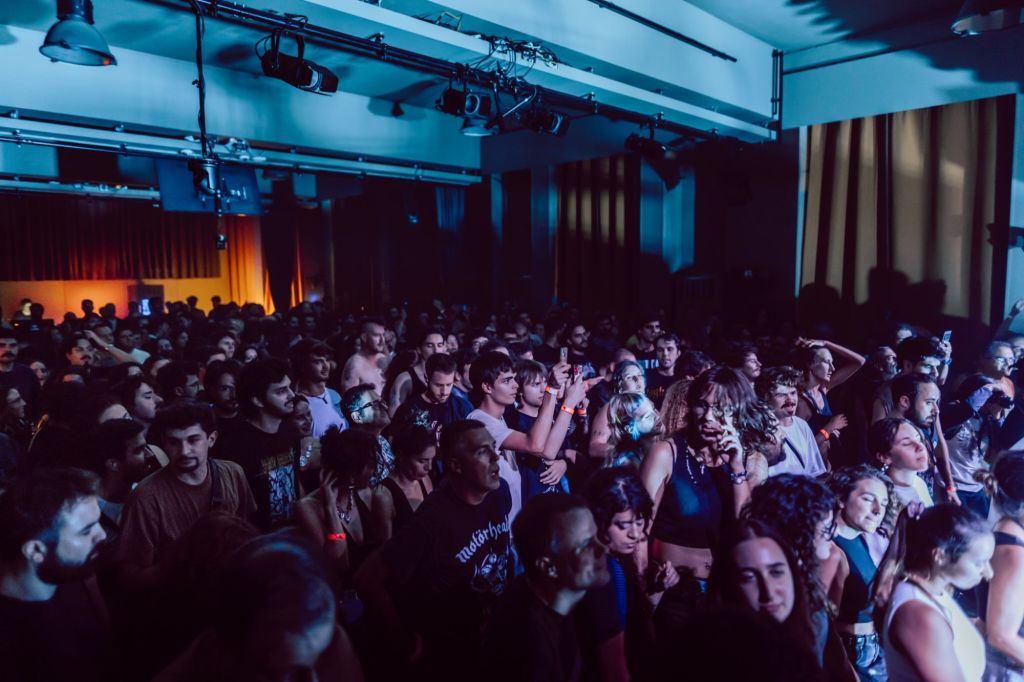
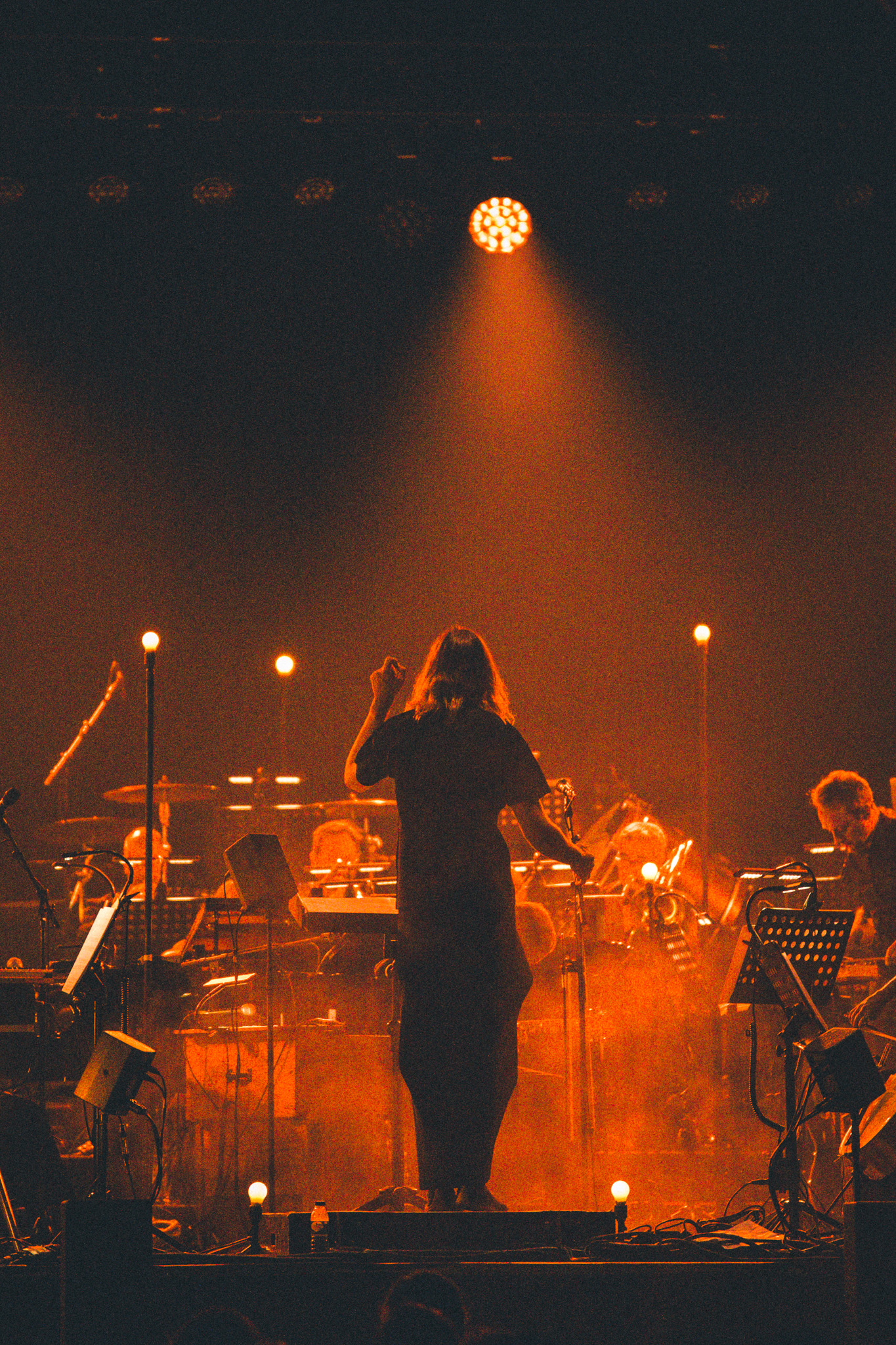
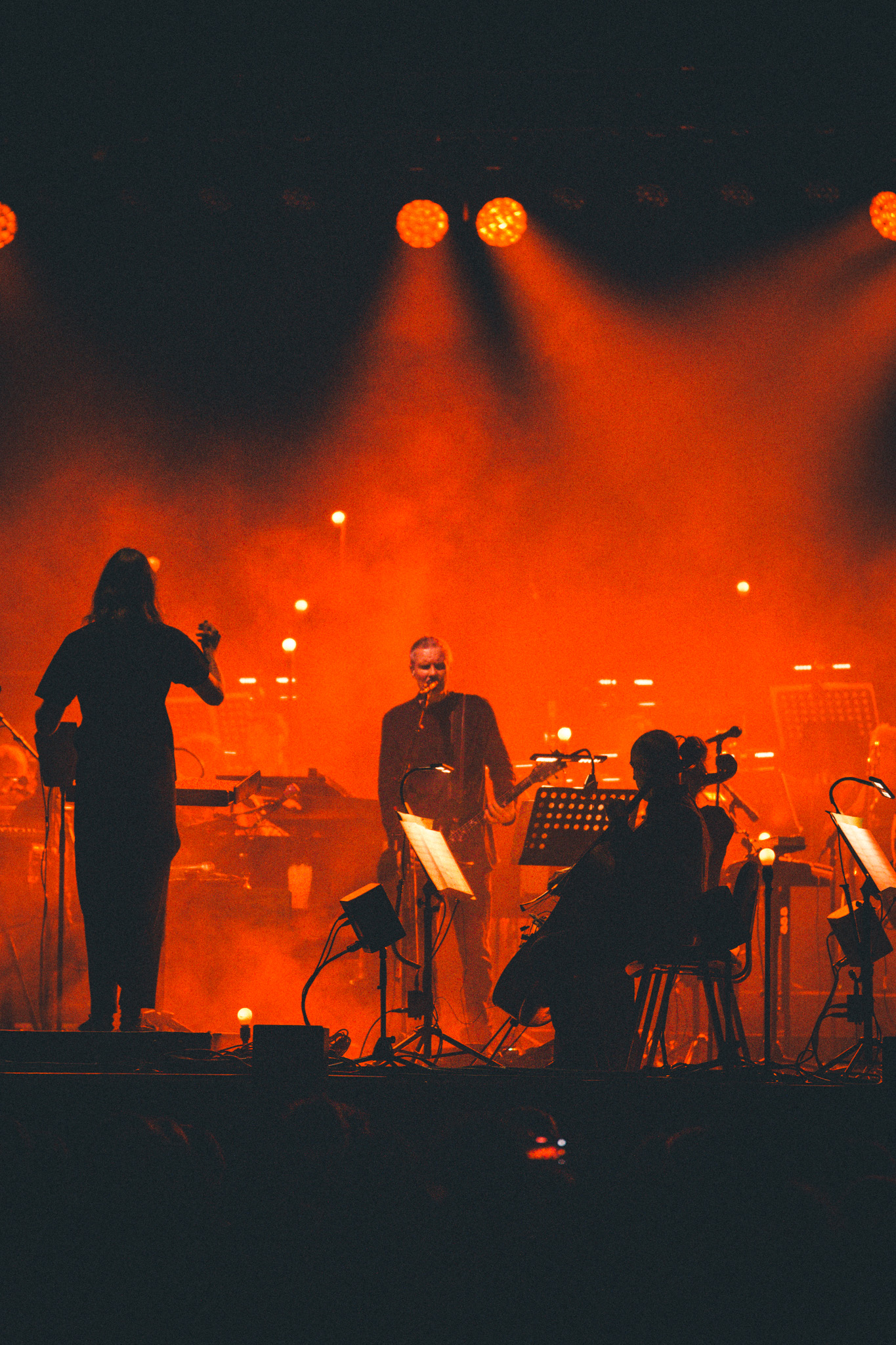
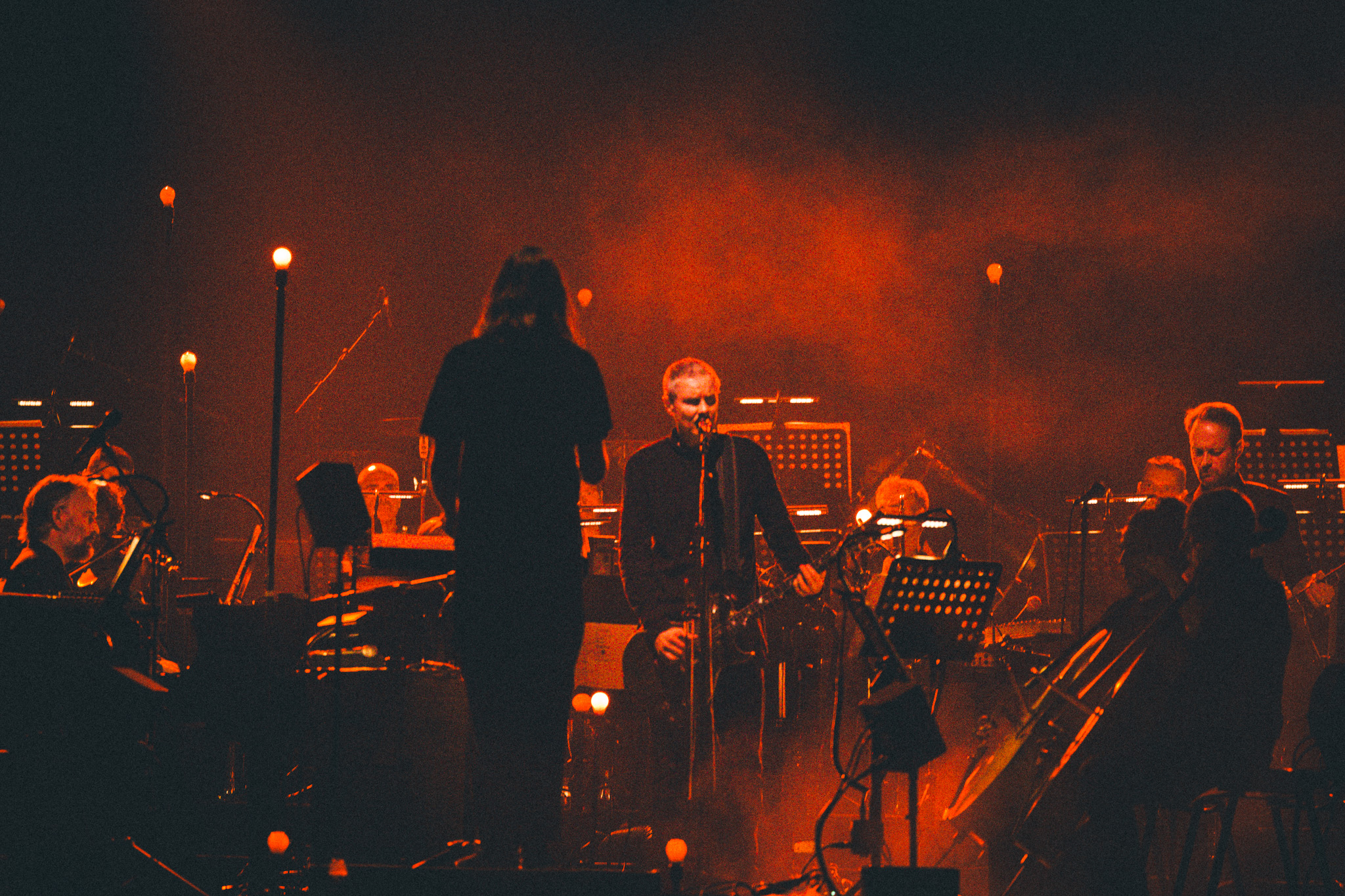
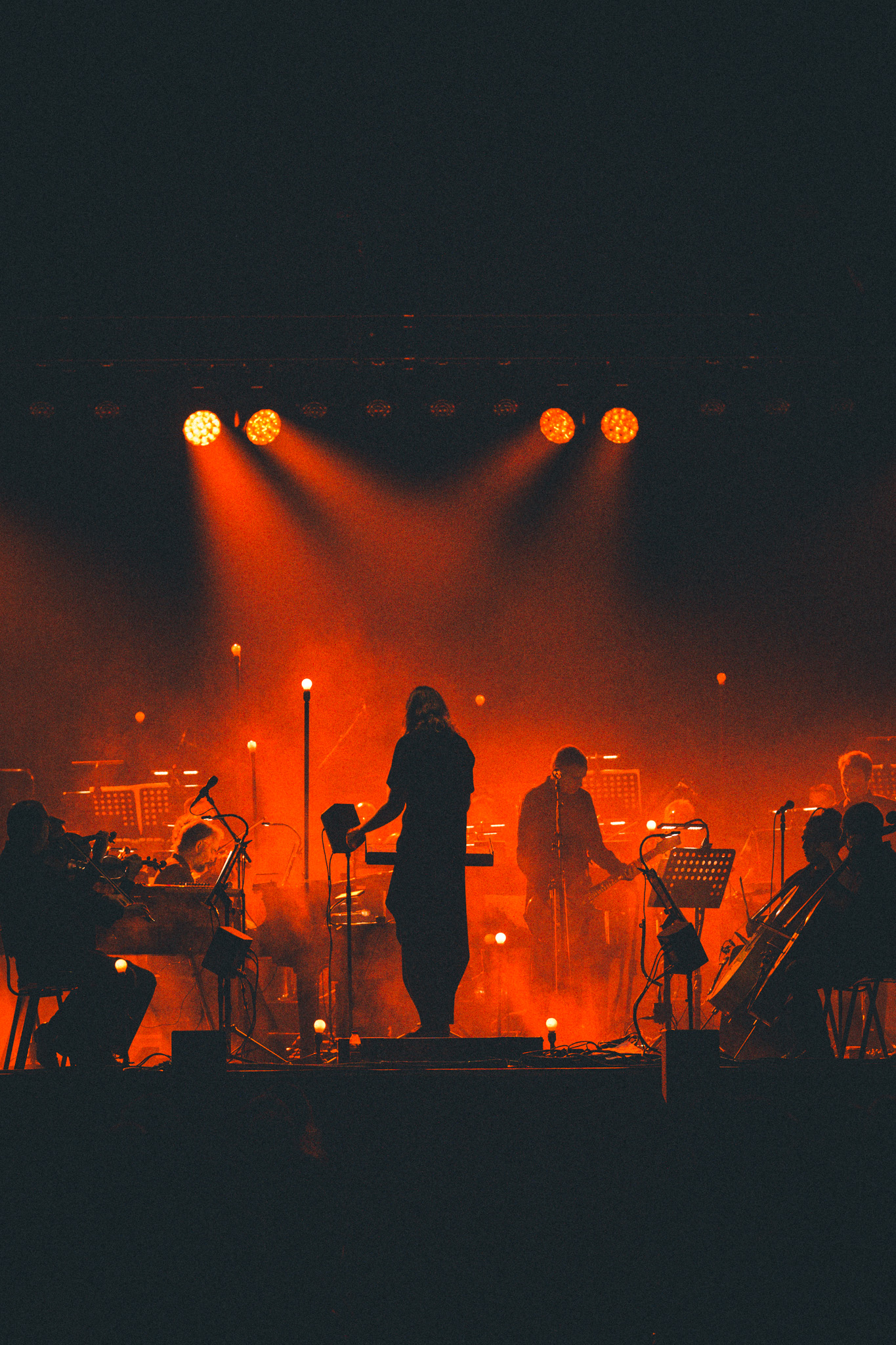
Gurriers performed live at M.OU.CO Saturday November 7 with infectious energy, following their Portuguese debut last summer at Paredes de Coura.
The Irish post-punk rock band certainly lived up to the hype. They played tracks from their debut album, Come and See, as well as their latest release, Nobody’s Coming to Save You, performing the latter in its entirety. They kicked off the set with the album’s title track, delivering a powerful and assured performance right from the start.
“Gurriers” is an Irish slang term for troublemakers or tough characters, but it can also be used affectionately to describe bold, unruly behaviour. They are very much both.
The band have a strong collection of catchy, hard-hitting songs, including tracks that start more slowly before building into something much bigger. Their sound blends a variety of genres and influences, ranging from grunge to more straightforward, uncompromising rock.
They took to the Porto stage with grit and commitment, delighting a packed venue filled with fans of all ages. Young and old alike sang along in unison to much of the band’s lyrics, which deliver an unmistakable message to those who argue that music, as an art form, should remain apolitical.
Written primarily by frontman Dan Hoff, the songs combine vulnerability, frustration, sarcasm and indignation with fierce political and social criticism of the prevailing capitalist system. They give voice to the frustrations of urban youth and the deep-rooted social conflicts shaping their lives. Nothing could be more relevant in times marked by occupations and demonstrations demanding the right to housing and a better quality of life.
Alongside Hoff, guitarists Ben O’Neil and Mark MacCormack, bassist Charlie McCarthy and drummer Pierce Callaghan completely owned the Porto crowd, who responded in kind, keeping the energy at full throttle throughout the night.
For those who missed them, there will be another opportunity to catch Gurriers at Primavera Sound 2027.
Opening the evening were fellow Irish band Really Good Time, who proved to be a pleasant surprise. With an equally uninhibited stage presence, they delivered a set of intriguing songs built around a post-punk/noise sound, featuring dark, intense guitar melodies and riffs. Definitely a band worth keeping an eye on.
In short, an intense, high-energy and thoroughly enjoyable “garage night”.
Black Bombaim and Isaiah Mitchell turn Lovers & Lollypops into a psychedelic trip
words & photos: Ricardo Silva
Lovers & Lollypops in Porto welcomed Black Bombaim and Isaiah Mitchell on a Thursday afternoon, for a performance that brought together Portuguese psychedelic rock and the expansive guitar work of the Earthless guitarist. The venue was nearly sold out, an impressive turnout for a Thursday afternoon and a clear sign of the interest surrounding this collaboration.
The atmosphere quickly developed into one of collective immersion, with the musicians establishing a remarkable connection throughout the performance. The interaction between Black Bombaim’s driving rhythms and Mitchell’s exploratory guitar work created extended psychedelic passages that held the audience’s attention. The response was one of complete surrender, as a phenomenal performance unfolded into an almost ecstatic musical experience.
The partnership dates back to their encounter at the Milhões de Festa festival a decade ago. Reunited in 2025, the musicians recorded Live in Porto during a performance at Lovers & Lollypops on May 23rd, capturing the second concert of their collaboration. The album documents an approach built around improvisation, extended instrumental passages and the interplay between Black Bombaim’s heavy, groove-driven foundations and Mitchell’s exploratory guitar work.
Rather than relying on conventional song structures, the project gives the musicians room to develop ideas collectively, moving between stoner rock weight and expansive psychedelic passages. The result reflects the shared musical language of artists whose work consistently prioritises spontaneity and experimentation.
The Porto concert also marked the beginning of a short run of dates together. Black Bombaim and Isaiah Mitchell performed at NAAM in Barroselas, and Le Guess Who? 2026 in Utrecht. The festival celebrates its 20th anniversary this year and is known for its eclectic programme and focus on adventurous music from across the international scene.
With a near-capacity audience gathered on a Thursday afternoon, the Lovers & Lollypops show demonstrated the enduring appeal of this meeting of musicians. More than a showcase of psychedelic rock, it was a compelling demonstration of what can emerge when improvisation, musical chemistry and an attentive audience converge.
The evening opened with Manga Cava, a Porto-based quartet whose sound combines indie pop, punk and alternative rock. Characterised by contrasting vocal approaches, unpolished guitar textures and an impulsive songwriting style, the band brings a distinctly youthful perspective to the local underground scene.
Their debut release, Retrato da Menina Abandonada no Lixo, released in August 2026, captures this identity through songs that balance melodic immediacy with a playful, sometimes abrasive edge. Tracks such as Tás a Gozar Comigo?, Cabeçada and Botão de Autodestruição reflect the band’s irreverent approach to lyrics and its willingness to move between humour, frustration and introspection.
Manga Cava’s appearance provided an introduction to another strand of Porto’s independent music scene before The Black Wizards took the stage to present their latest album.
The Black Wizards returned to Porto on October 22nd to present their fourth studio album released on September 4th through British label Hassle Records, marking a new chapter in a career shaped by heavy psychedelia, garage rock and an increasingly direct approach to songwriting.
The RCA Radio Clube Agramonte in Porto hosted the live presentation that marked an important moment for the local trio, whose latest work represents a clear shift towards a rawer, more immediate sound.
Following Reflections (2019), the new record arrives after a seven-year gap between studio albums. During that period, the band went through significant changes, eventually consolidating its current line-up: Joana Brito on guitar and vocals, José Gomes on bass and vocals, and Helena Peixoto on drums.
The decision to embrace the trio format has helped define the direction of the new material, with the musicians prioritising the directness and physical impact of their music.
On Force Majeure & The Acts of God, The Black Wizards move away from some of the extended psychedelic passages associated with their earlier work, favouring sharper arrangements, more immediate riffs and a stronger garage and proto-punk influence. The result retains the weight of their previous material while placing greater emphasis on rhythm, dynamics and concise songwriting.
Tracks such as Killing The Buzz and Loose illustrate this change in direction. The former confronts political spectacle and the growing frustration surrounding contemporary society, while the latter explores anxiety, repetitive thought patterns and the feeling of being trapped inside one’s own mind. Both songs demonstrate the band’s ability to connect personal concerns with a wider sense of social unease.
Beat, takes a different approach to composition, having been built around a drum pattern rather than the guitar riff that traditionally serves as the starting point for a rock song. This shift places Helena Peixoto’s rhythmic work at the centre of the arrangement, with the guitar and bass developing around its pulse.
Wishing Well and 9 to 5 where among the numerous songs on the setlist.
Joana Brito’s voice moves between melodic phrasing and a more abrasive, confrontational delivery, while José Gomes’ contributions add another dimension to the band’s vocal arrangements. Peixoto’s drumming provides the foundation for this interplay, maintaining a sense of forward momentum throughout the record.
The album was recorded at Arda Recorders in Porto with Cooper Crain, known for his work with CAVE and Bitchin Bajas, and mastered by Mikey Young, whose credits include Amyl and the Sniffers and King Gizzard & The Lizard Wizard. The production preserves the rough edges and immediacy that distinguish the new material, reinforcing the band’s preference for a sound that translates naturally to the stage.
The ten-track Force Majeure & The Acts of God balances muscular riffs and driving rhythms with lyrics rooted in the realities of contemporary life. Its approach reflects a band willing to reconsider its established formula while retaining the essential characteristics of its sound.
For The Black Wizards, the record represents more than a return after an extended absence from the studio. It documents the consolidation of the trio’s current line-up and a renewed commitment to making music that addresses the world around it without losing its sense of humour, energy or defiance.
Following the Porto presentation, the band is scheduled to continue its European activity around Spain, Belgium, Germany, Luxemburg, Croatia and Austria, including na iberian tour alongside French experimental rock band SLIFT, with dates in Porto, Lisbon, Madrid and Barcelona.
With Force Majeure & The Acts of God, The Black Wizards reaffirm their place within Portugal’s independent rock landscape while pushing their music towards a leaner, more confrontational sound.
words: Telma Mota (freely translated by Raquel Pinheiro) photos: Ricardo Silva
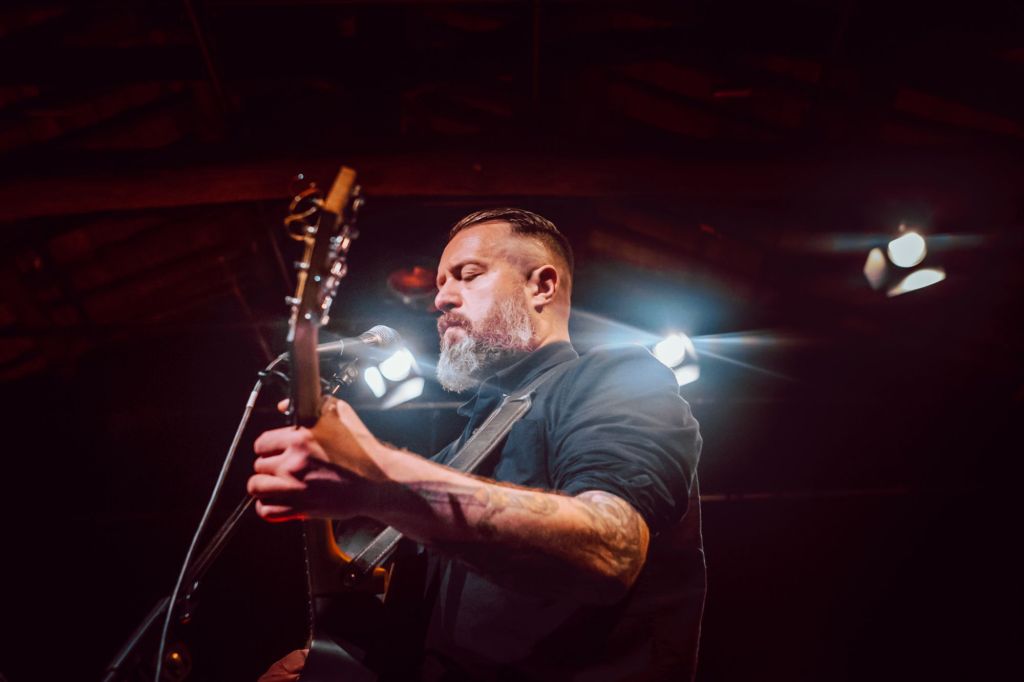
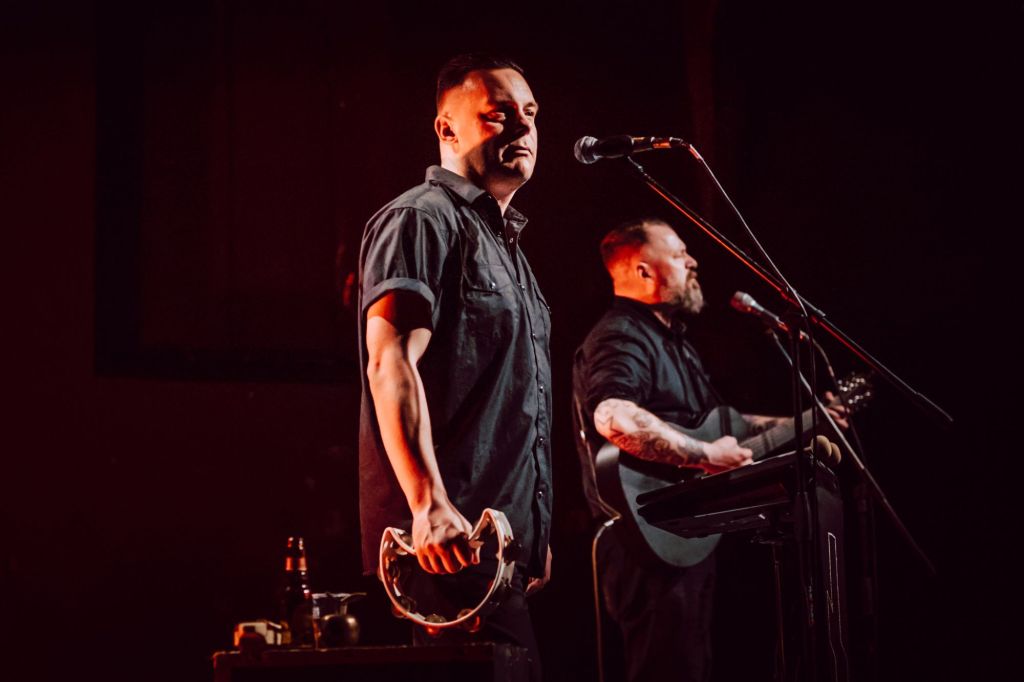
King Dude, or TJ Cowgill, a dark, sombre American Lucifer with an ironic sense of humour, accompanied by Gary Gonzalez, a quiet, shy Orthodox Christian park ranger, delivered a fine concert, as expected, at Armazém 22 in Gaia.
A packed venue, filled with friends from the goth dark folk scene (in this case, with country, blues and metal influences), welcomed this duo with the cult-like devotion and reverence they deserve.
King Dude told some of his stories and shared personal experiences with the warm authenticity that characterises him, in acoustic communion with his loyal audience.
He played eleven songs from his usual setlist, opening with Sunset Skies and closing with Silver Crucifix, leaving the remaining eight songs for the audience to choose.
Iconic songs such as Velvet Rope, Vision in Black and Barbara Anne followed, along with a hellish rendition of I Wanna Die at 69 that definitively stole the last breaths from the most unsuspecting hearts, like a rebel leader of the fallen angels.
King Dude embodies human musical intimacy, with all its fragilities and its crooked, visceral and profound corners.
With his deep, excavated baritone voice, he leaves the true Lucifer’s light on stage, a bard of crossroads whose allegiance remains proudly undefined.
It is always a pleasure to see him, hear him and savour every detail of his songs about love, sex, mortality and spirituality. Love you man!
José Pinhal Post-Mortem Experience brought one of Portugal’s most distinctive musical legacies back to the stage with a sold-out performance at Coliseu do Porto, celebrating the enduring influence of José Pinhal’s repertoire through a contemporary live production that balanced nostalgia, celebration and cultural identity.
Although José Pinhal never achieved widespread mainstream recognition during his lifetime, his music has experienced a remarkable revival over the last decade. Driven initially by internet communities, DJs and independent cultural projects, his recordings found a new audience among younger generations who embraced the emotional sincerity, danceable rhythms and unmistakable aesthetic of Portuguese popular music from the 1980s and 1990s. What began as a cult rediscovery has evolved into one of the country’s most unique live phenomena.
Coliseu do Porto provided an appropriate setting for an evening that was as much a celebration of Portuguese popular culture as it was a concert. From the opening moments, the audience demonstrated that they were not merely spectators but active participants, singing every chorus, dancing throughout the venue and transforming the historic concert hall into a communal dance floor.
José Pinhal Post-Mortem Experience has developed a performance that extends beyond simply recreating the original recordings. The musicians reinterpret Pinhal’s catalogue with precision and respect while injecting new energy into arrangements that feel simultaneously authentic and contemporary. The production successfully preserves the character of the original compositions without becoming a nostalgic tribute act.
Visually, the performance complemented the music with carefully designed lighting and stage production that enhanced the festive atmosphere without distracting from the songs themselves. Every musical transition maintained the momentum, allowing the audience to remain immersed in a continuous celebration rather than a conventional seated concert experience.
One of the evening’s defining characteristics was the diversity of the audience. Long-time admirers of José Pinhal shared the space with younger concertgoers who discovered his music years after his passing. This intergenerational connection has become one of the project’s greatest achievements, demonstrating how music can transcend its original era and find renewed relevance through reinterpretation and shared cultural appreciation.
Throughout the set, the musicians displayed remarkable chemistry and confidence, delivering performances that balanced technical proficiency with spontaneity. Rather than reproducing recordings note for note, the band embraced the live environment, allowing arrangements to breathe while maintaining the unmistakable identity of Pinhal’s compositions.
The audience responded enthusiastically from beginning to end, with prolonged applause, collective singing and an atmosphere that rarely diminished over the course of the performance. The emotional connection between performers and audience became one of the defining aspects of the concert, reinforcing why the José Pinhal Post-Mortem Experience continues to attract increasingly larger audiences across Portugal.
The success of the Coliseu do Porto performance further illustrates the remarkable cultural journey of José Pinhal’s music. Once largely overlooked, his catalogue has become an important part of Portugal’s contemporary live music landscape, proving that artistic legacy can be reshaped by new audiences and changing cultural perspectives.
More than a tribute, the José Pinhal Post-Mortem Experience has established itself as an ongoing celebration of an artist whose work continues to resonate across generations. The sold-out concert at the Coliseu do Porto demonstrated that José Pinhal’s music is no longer simply being rediscovered, it has firmly secured its place within Portugal’s modern musical identity.
Distortion, Mosh, and the Macarena: The night MÁQUINA. made Porto shake again
words: Joana Coelho photos: Ricardo Silva
At 10:05pm, with a packed room and a palpable sense of anticipation, MAQUINA. took the stage for a long-awaited return to the Invicta city. Opening hostilities without warning or apology: a raw scream, a wall of distortion, and the immediate launch of a relentless sonic locomotive.
This tour serves as the live crucible for their latest record BODY TRANSMISSION: a devastating fusion where abrasive noise rock, and industrial techno collision-course into heavy, danceable catharsis. By the third song, the venue had already reached its boiling point. Crowdsurfers took over, frenetic dancing spread, and the trio’s signature raw energy turned the space into a non-stop celebration from start to finish. Between continuous dance and a jumping mosh pit, the floor was literally shaking under our feet.
Alongside the hypnotic trance and industrial weight of the new tracks, there was also room for the band’s disarming charisma. Roughly halfway through the set, riding a wave of rhythmic clapping from the crowd, the drummer/vocalist busted out the Macarena moves: because anyone bold enough to drop the Macarena dance earns my absolute respect.
They closed the set with their usual finale, culminating in a collective mosh pit with the entire room jumping in a final burst of catharsis.
Once the show ended, the band once again showed their usual warmth toward fans, welcoming everyone warmly for hugs, photos, and quick chats. After a small pilgrimage to find a pen that would actually write on the album cover, I managed to get my copy of their new vinyl signed by the trio.
Having followed MAQUINA. since the very first concert I caught back in 2023, the level they’ve reached on this album cycle is undeniable. The new material translates into one of the finest live performances I’ve ever seen them deliver: a band at the top of their game, fully committed, and completely tireless on stage. Always an absolute pleasure to watch this trio in action once again.
words: Telma Mota (freely translated by Raquel Pinheiro); photos: Telma Mota
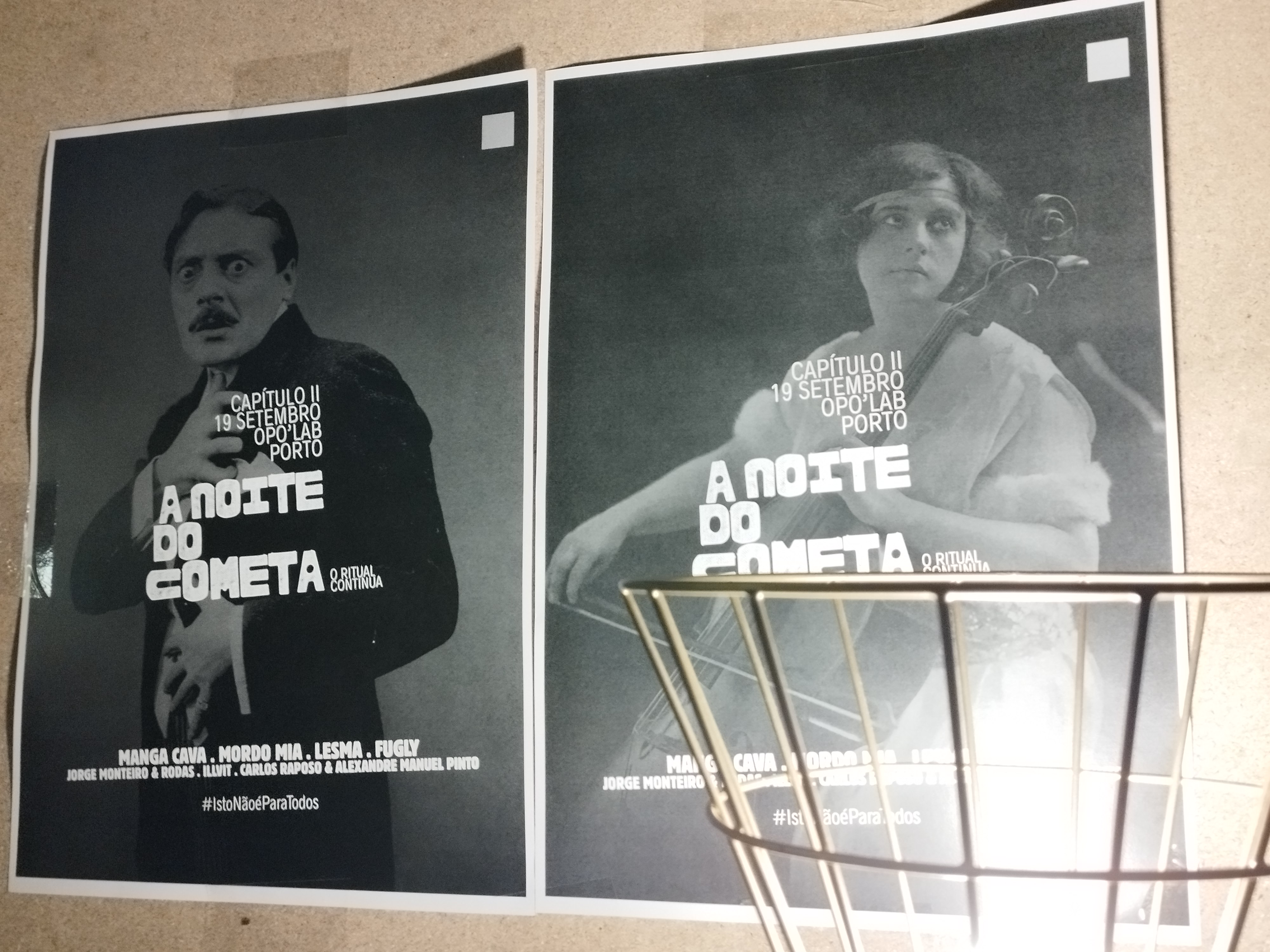
The second edition of A Noite do Cometa once again surprised and reaffirmed its restless attitude, always refreshing in its commitment to promoting emerging Portuguese bands.
This time, the fusion of different musical genres travelled through the sounds of the chosen projects with spirit, elegance and youthful energy.
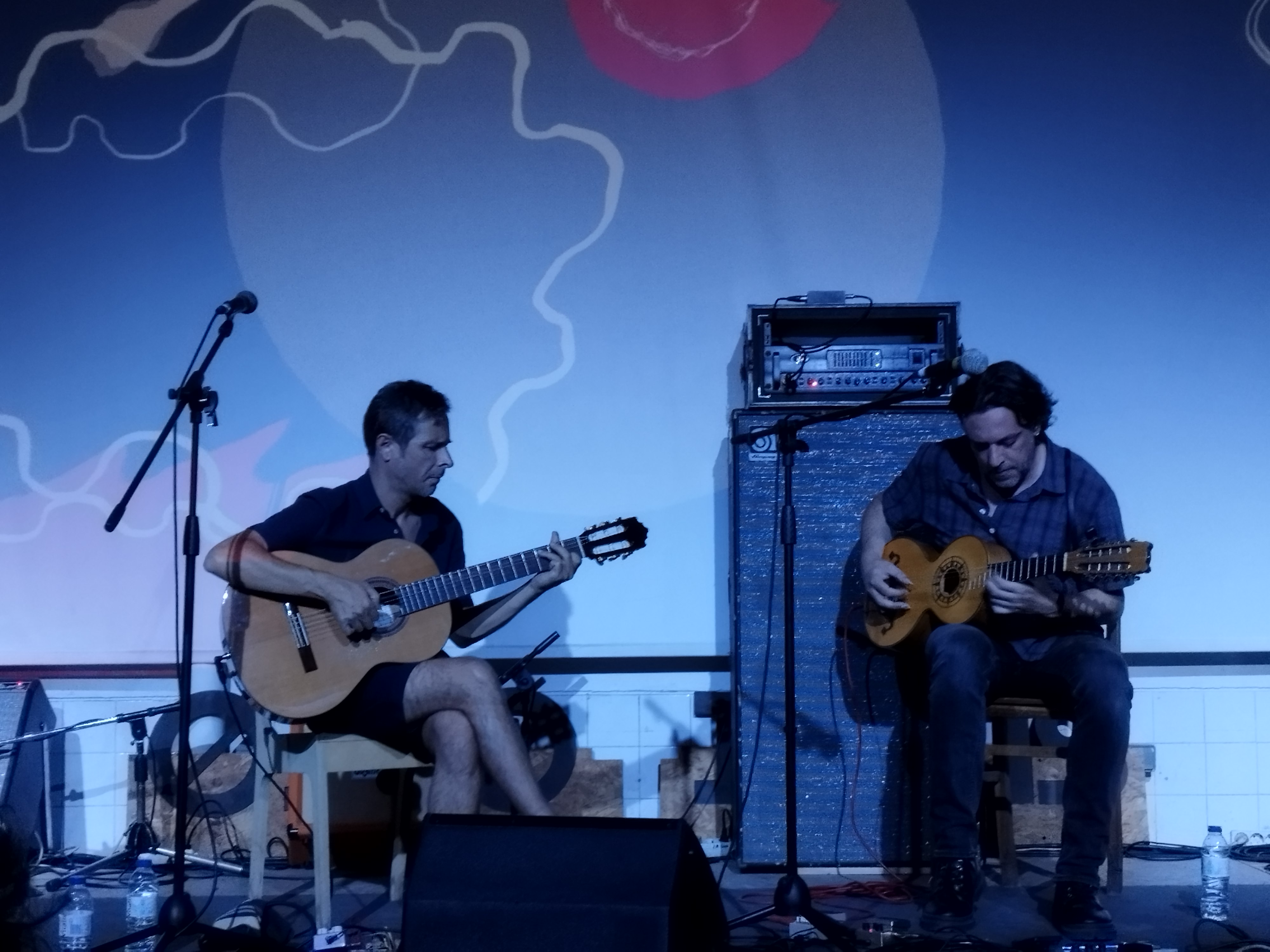
The event began with what was called a Prólogo (Prologue) surprise, bringing together Carlos Raposo and Alexandre Manuel Pinto in a string duet. Carlos, on the 10-string viola campaniça, accompanied by Alexandre on classical guitar, opened the event in the best possible way, with original pieces inspired by traditional music, somewhere between folk and Carlos Paredes.
Well played and performed, it set the tone for a musical night marked by freedom and diversity.
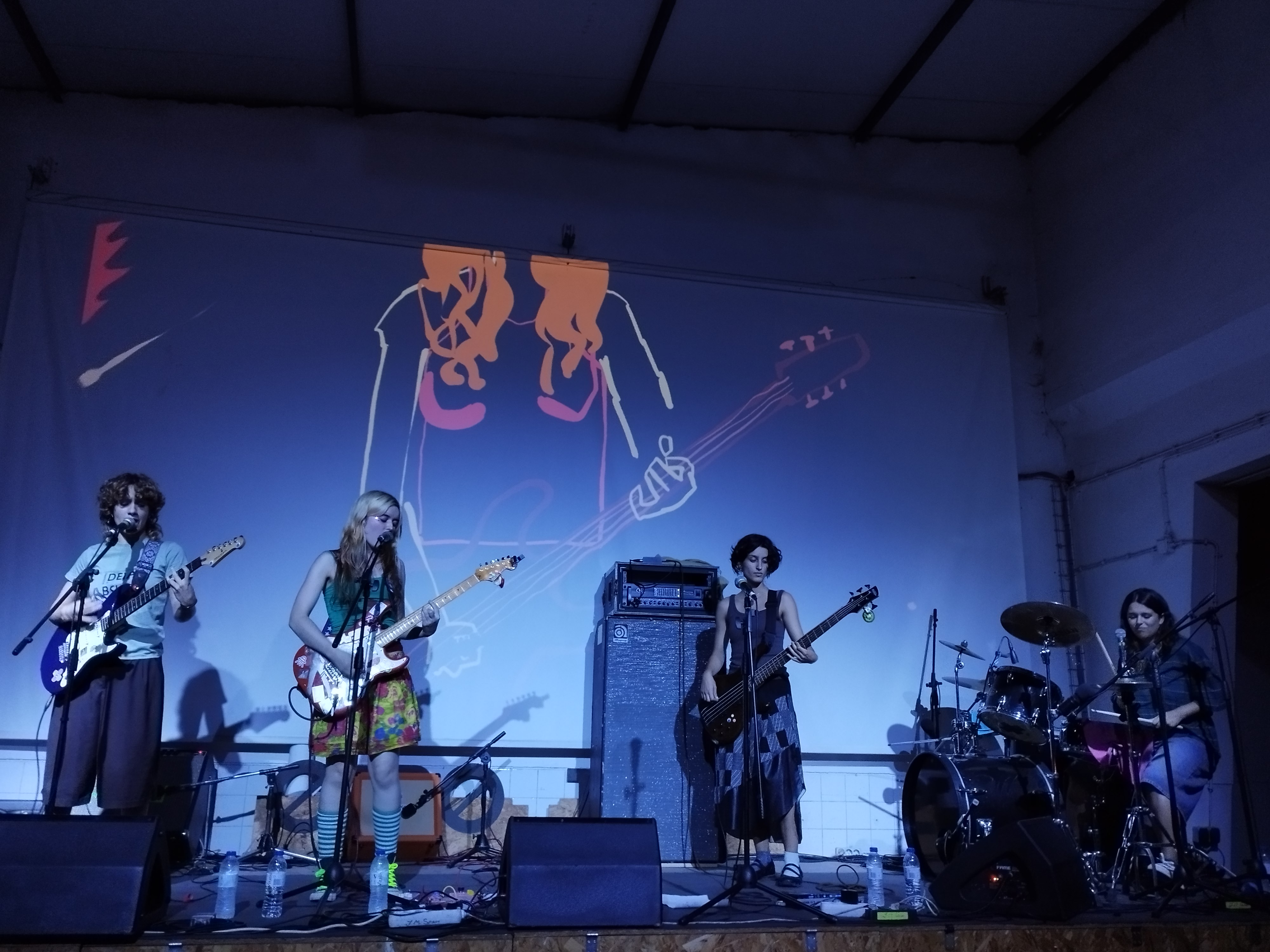
Next came the young bands Manga Cava, Mordo Mia and Lesma, which, in the words of organiser Garcia, were not chosen to fit into a mere playlist, but because they were capable of “altering the night for one another”. Interspersed with the consistently quality music of Jorge Monteiro’s DJ set, they took to the stage with attitude.
Manga Cava, a four-piece girly indie pop punk rock band, recently released the EP Retrato da menina abandonada no lixo. They are ironic, noisy and competent. Joana and Maria sing, accompanied by their guitars, raw songs energised by bass and drums. Among their original songs, they performed one by Pega Monstro, a band from the underground scene with which they identify.
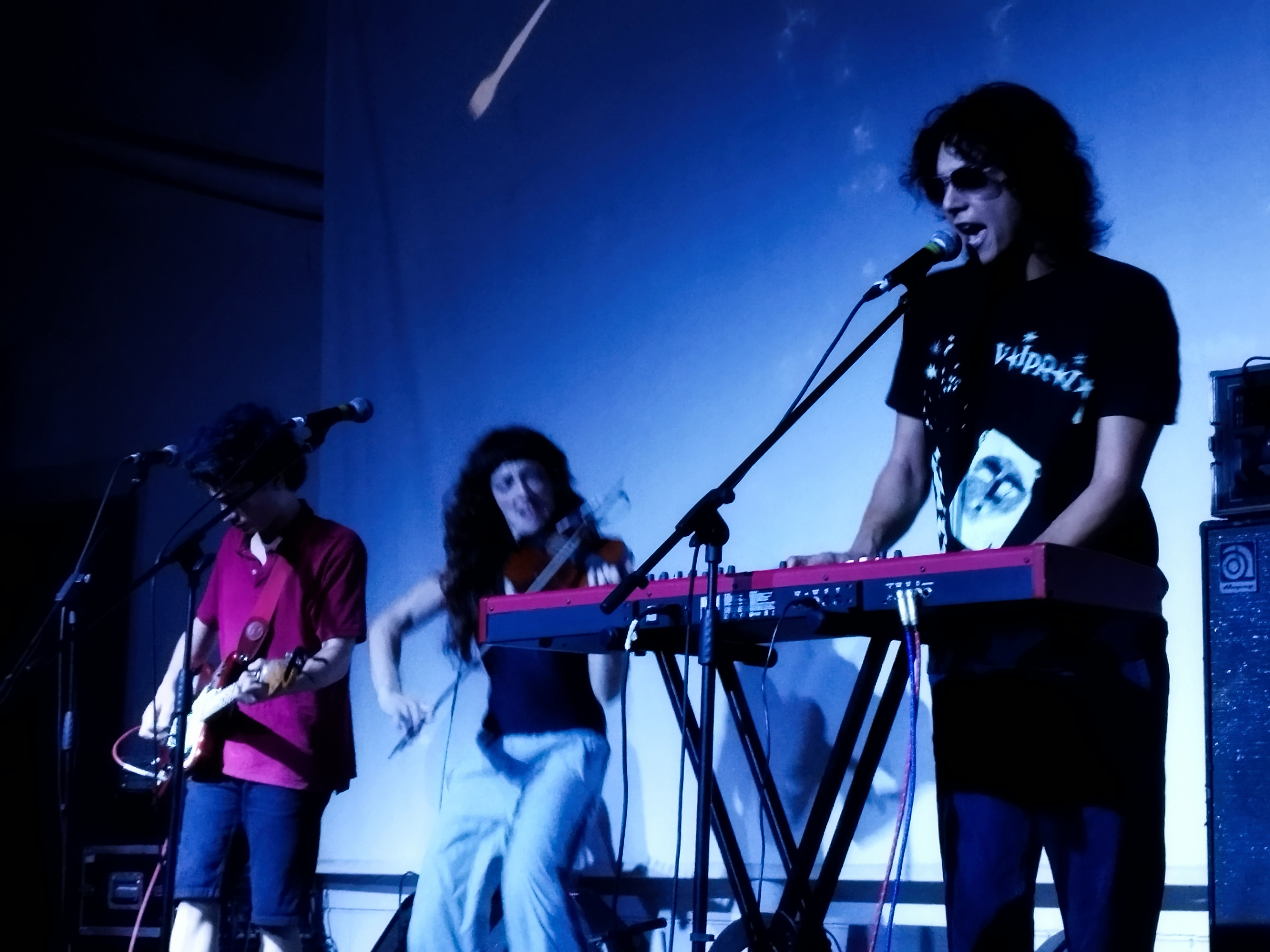
Mordo Mia added discomfort, in an unusual mixture of musical genres. Guitar, violin, keyboards, bass and drums come together in an intense and extraordinary amalgam that makes us pay attention to the details through which they communicate complex and contradictory feelings. Surprising for a band made up of people so young. Still a somewhat immature sound, but promising , already with two albums out: Sente-se Primeiro and Chumbo Côncavo.
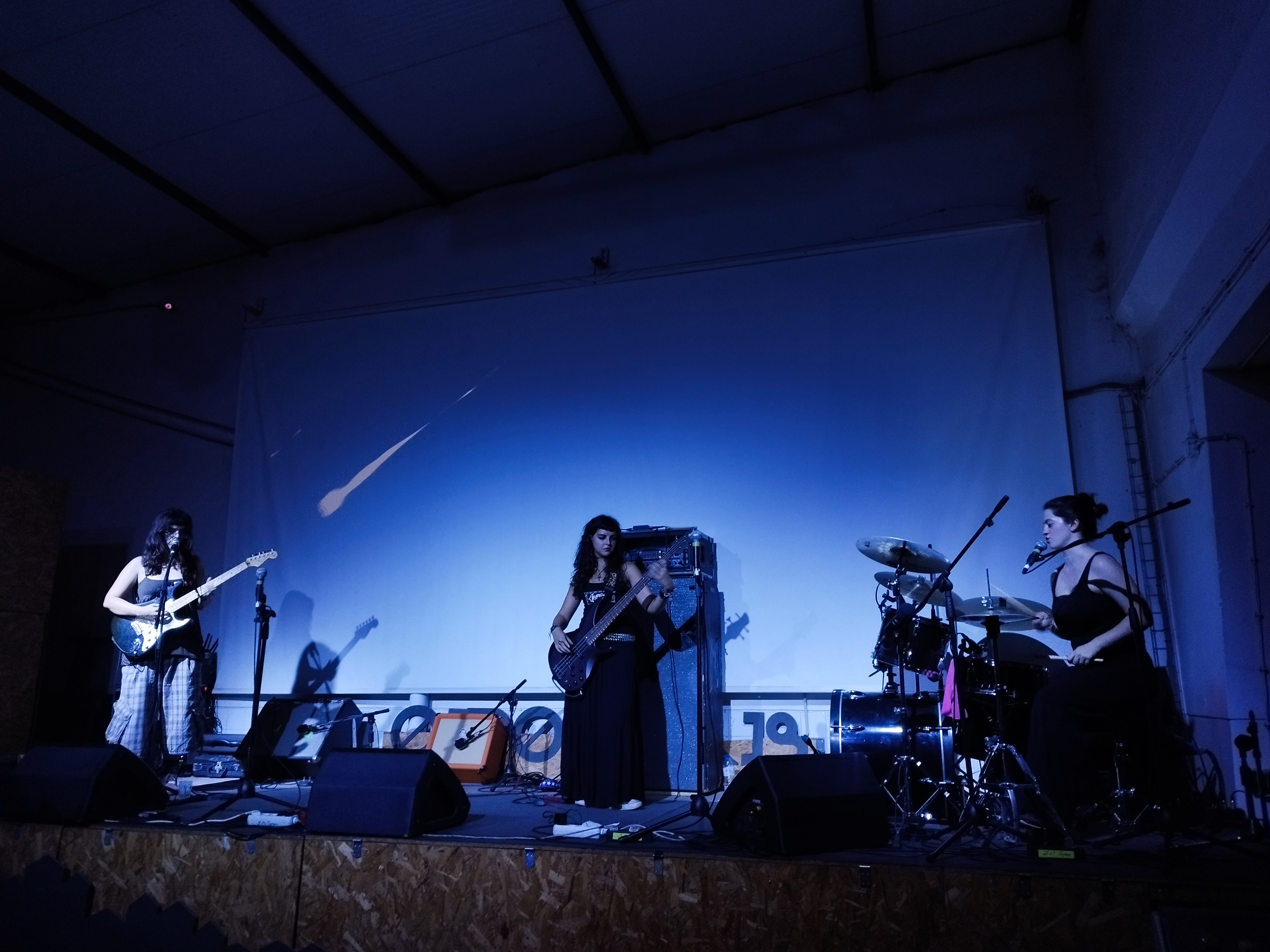
To complete the emerging trio, Lesma, a girls’ band made up of three friends who released their first album, É mentira, in 2025 through Saliva Diva. Raw, strong and direct punk rock which, through Leonor Casimiro’s voice, gains a particularly interesting life, with lyrics delivered in a machine-gun verbal register, reflecting current personal and generational concerns, so many and so intense that they almost trip over one another in streams of muffled screams. An excellent performance, delivered with confidence and commitment.
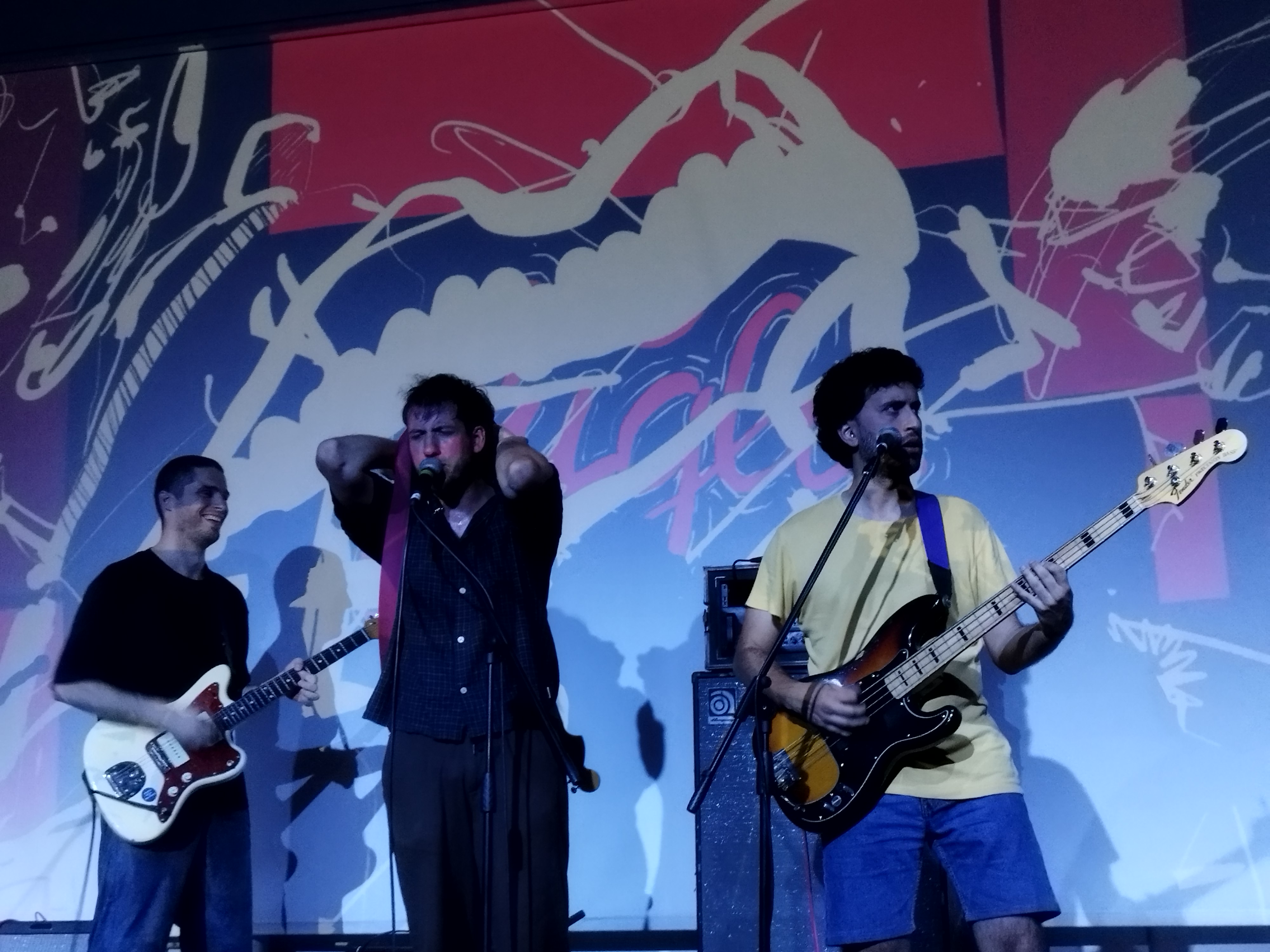
To finish, the comet exploded with the performance of Fugly, a Porto garage-rock band that began its activities ten years ago, but has performed little lately. Nevertheless, they retain their intensity, with their two noisy guitars, precise bass and an energetic drum kit that tears through everything and drives the band’s live performance. With an explicit anti-fascist message delivered from the stage, their vocalist Jimmy finished by expressing the hope we all want to hold on to while there is still “road to travel”…
After these magnificent high-octane live moments, the night entered its epilogue, provided by the already very well-known rock ’n’ roll DJ Rodas, owner of the recently closed Barracuda bar.
And so another special night of musical comet unfolded at OPO’LAB. Long may it be repeated.
A friend wisely advised me to pack extra tissues for Sigur Rós’ concert – a warning I foolishly brushed off as dramatic. Yet, as the concert began at 9:15pm inside a completely packed venue, the sweeping strings of Blóðberg took hold, and tears were already streaming down my face before the opening piece even finished.
For over three decades since forming in Reykjavík in 1994, the Icelandic post-rock icons – celebrated for Jónsi’s signature bowed guitar, soaring falsetto, and otherworldly lyrics in Icelandic and Vonlenska – have built a legacy on ambient, cinematic grandeur.
Hearing that catalog backed by the Orquestra Sinfonietta de Lisboa felt like the ultimate realization of their vision. Every added layer of instrumentation continuously elevated Sigur Rós’ already stunning compositions into soaring symphonic experiences across two profoundly emotional sets.The first set unfolded with remarkable intimate power.
By the fourth song, 8, the mood grew intensely emotional as bright, radiant lights flooded the arena, perfectly mirroring the sheer brilliance and clarity of Jónsi’s voice. Von followed as one of the night’s emotional peaks, drawing passionate applause, but it was with the seventh piece, Starálfur that the texture dramatically transformed.
The instantly recognizable opening notes sparked immediate warmth across the crowd, and as percussion finally entered the soundscape, it injected a rhythmic surge that had the audience bursting with enthusiasm.
Set I came to an exquisite close around 10:05pm with Varðeldur, featuring a mesmerizing moment where a lyric soloist joined the orchestra, leaving the room spellbound.The emotional intensity only deepened in Set II, which opened to massive enthusiasm with Untitled #1 – Vaka. The band and the orchestra seamlessly balanced delicate instrumental moments – such as the beloved Ylur and the orchestra-focused Sé lest with explosive grandeur.
The undisputed climax arrived during Ára bátur, where the exquisite voices of the Coro Ricercare joined the stage to elevate the music to celestial heights. The choir’s participation brought a staggering, resonant depth to the performance, commanding the most thunderous reaction of the entire night.
That triumphant energy carried seamlessly into Hoppípolla, with choir, orchestra, and band harmonizing in pure euphoria. By the time the quiet echoes of Avalon faded out, the room erupted into a standing ovation that lasted for long, uninterrupted minutes. A fitting tribute to a night of overwhelming catharsis.
Stepping out into the Lisbon night with tear-stained cheeks, I realized we hadn’t just attended a concert, but shared in a rare moment of pure, collective grace.
Swing on a Summer Afternoon, or the Great Panoply of Rock ‘n’ Roll
words: Paulo Carmona (edited by Raquel Pinheiro) photos: Ricardo Silva
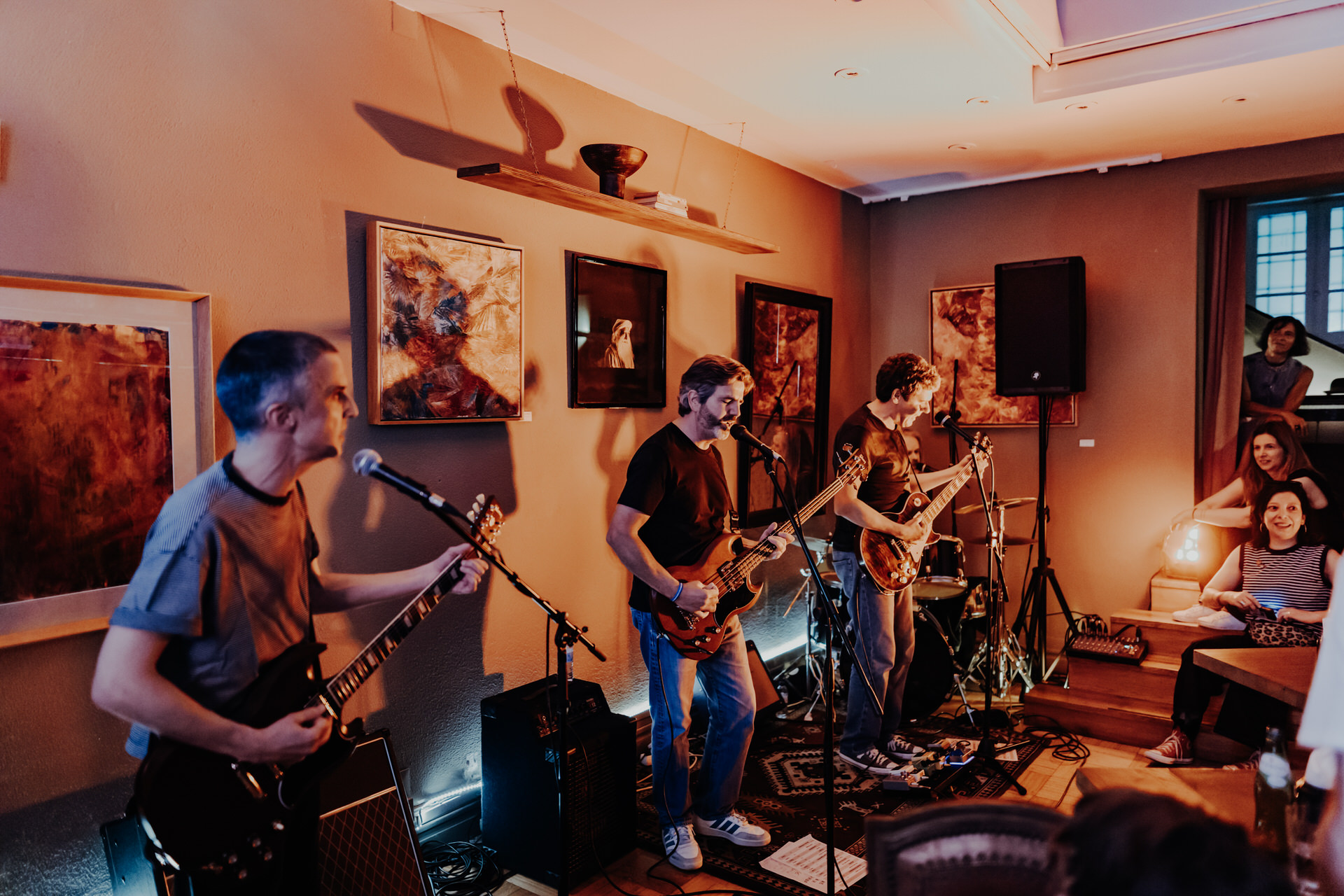
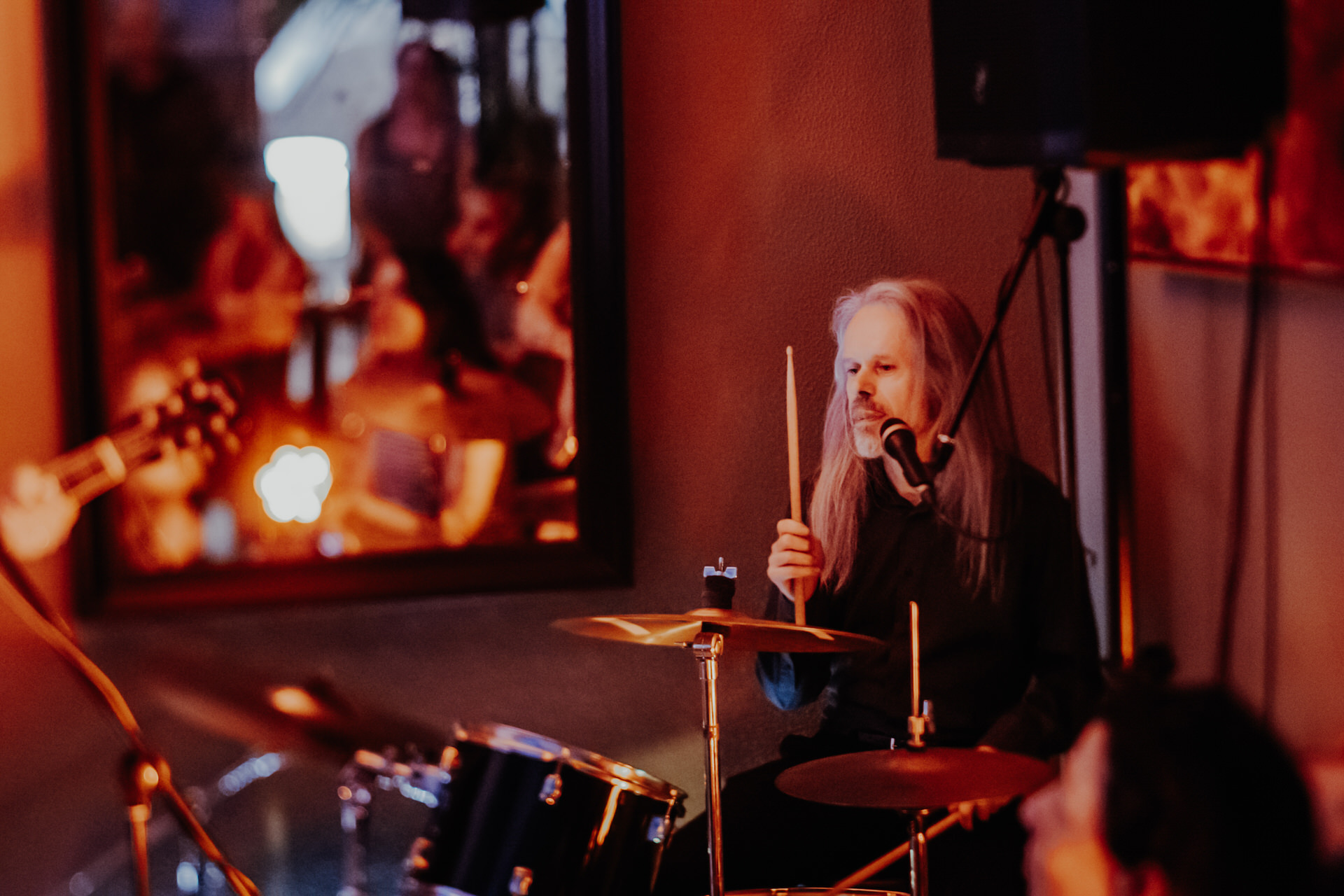
On 20 June, Silly Boy Blue took to the stage at number 33 on the iconic, almost mythical Rua de Sá da Bandeira, right in the heart of Porto, for what felt like an intimate yet celebratory gathering among friends, invited guests, their audience, and a handful of curious passers-by.
The musical landscape of the band inhabits is no stranger to us – indie rock with a healthy dose of Britpop, together with all the subgenres that naturally gravitate around it.
That said, Silly Boy Blue have its own sound, its own alchemy, and its own style, something that is by no means easy to achieve within the broad ecosystem of that musical universe.
I would like to highlight, from the outset, the vocal work of every member of the quartet. Their voices work together seamlessly, reaching a remarkably high standard of execution. Outstanding.
From Again and Again, through Away We Go, Did You Say Something, This City and Man on a Wire, to Jesus, Temptation and By The Window, the band remains cohesive throughout, navigating a melodic carousel of crescendos and diminuendos that are at times intense and abrasive, at others introspective and bittersweet.
If we close our eyes, we hear a band of gifted young musicians. If we open them, we see a group of grown men who still have all the mojo exactly where it belongs. Funny guys.
words: Paulo Carmona (edited by Raquel Pinheiro) photos: Ricardo Silva
Everything seemed suited to the project’s sound. The atmosphere, the space, the audience, and the time of the show.
It was just after 7.45pm when I’A’V entered the venue to present one of the most original Portuguese projects I have heard in recent years.
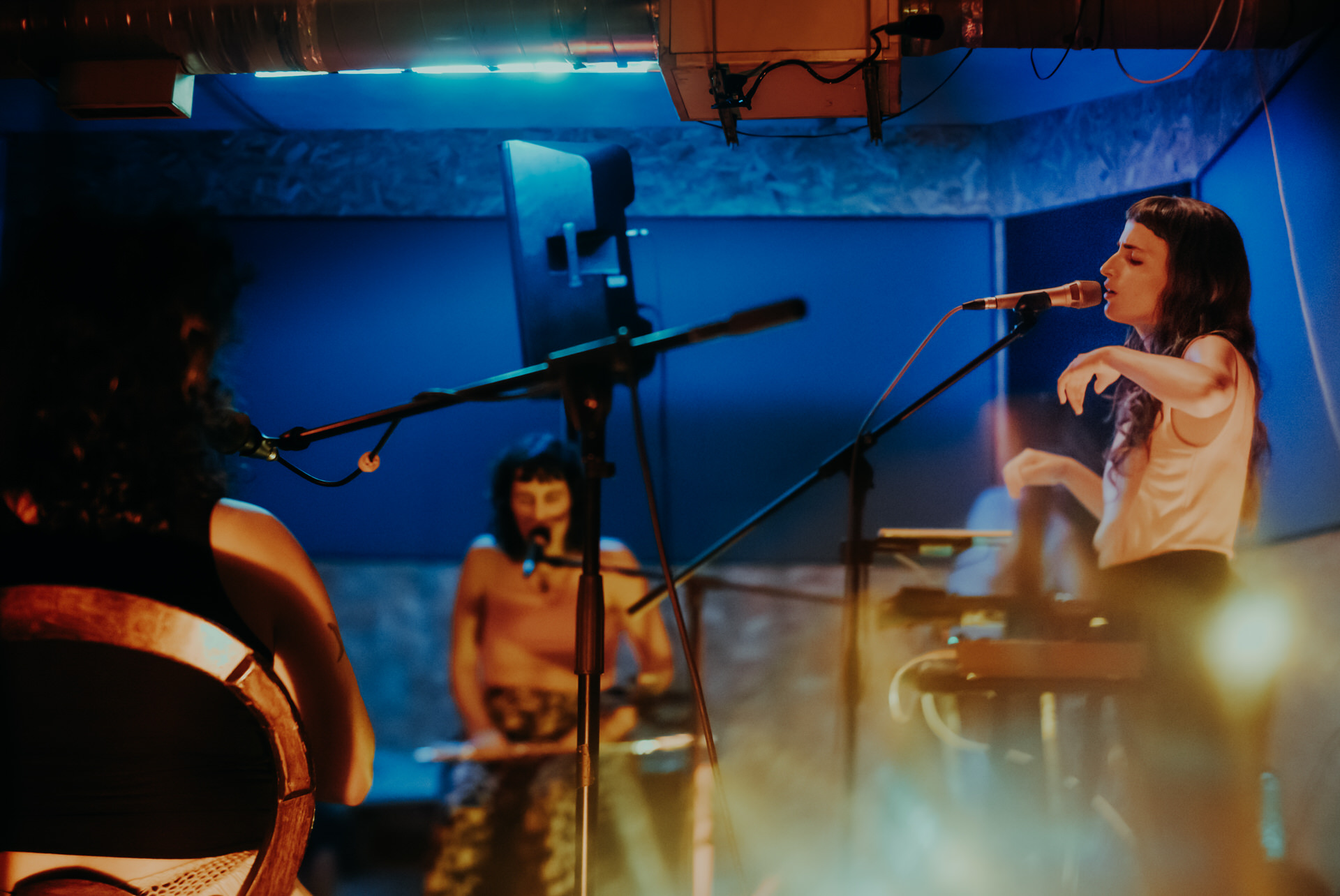
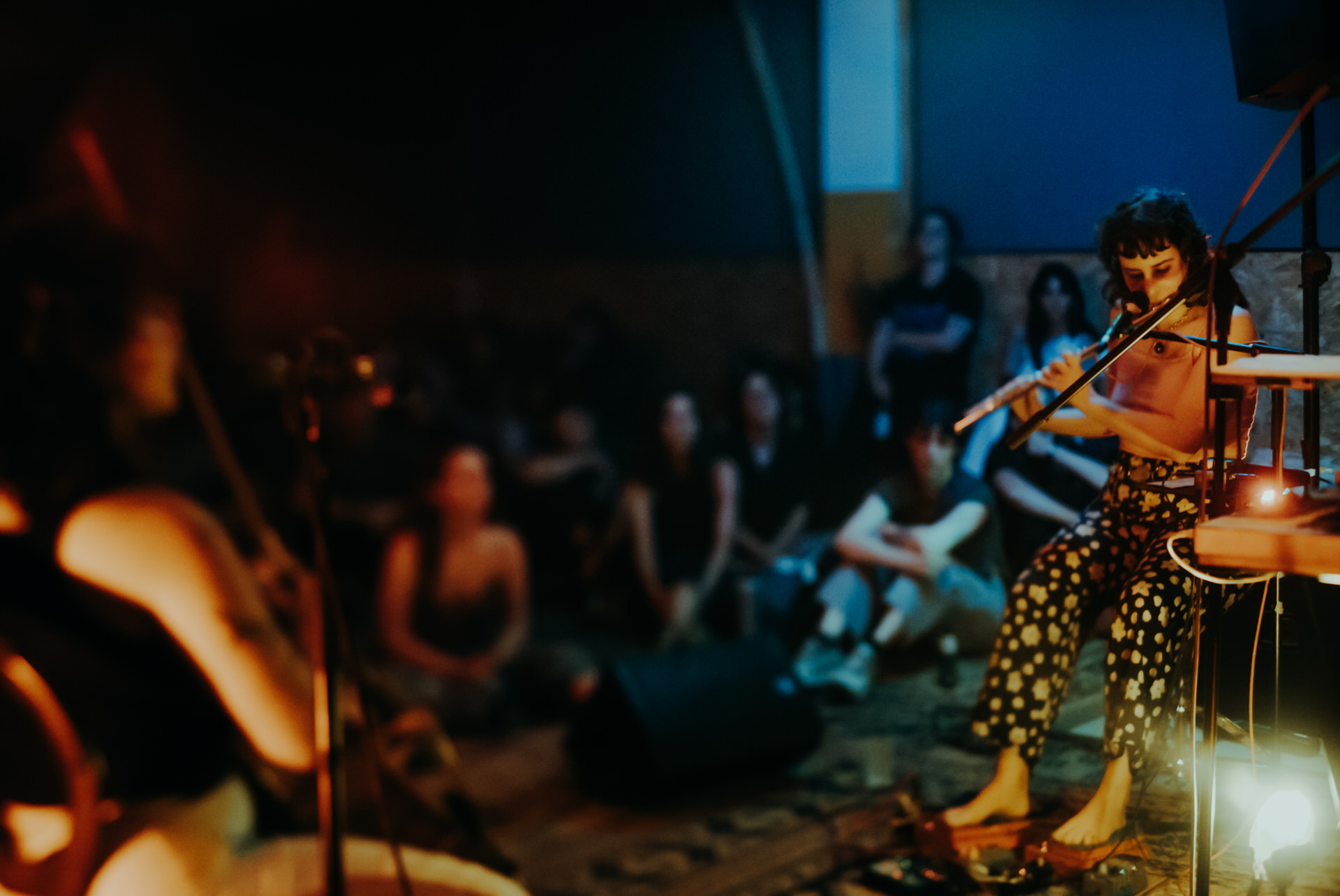
They came to present their first work: Volatile Poem, and I want to begin with the instruments used: cello, transverse flute, samplers and voice.
The sonic world of this project, featuring Inês Malheiro, Arianna Casellas and Violeta Azevedo, brings us fresh, atmospheric, spiritual and soothing environments. They navigate calm waters of musical poetry, blended with soft colours and gentle breezes.
Very well prepared and perfectly coordinated with each other, they create a symbiosis of musicality, with richly crafted arrangements and beautifully explored silences where the music breathes and lives by itself. The vocalisations evoke the songs of sirens: calm and seductive.
At the end of the enchantment, I had the opportunity to speak with the members of the project, who shared with me that when they came together to create this work, they were aware that they were three people with different musical structures and distinct languages. It was through this fusion of experiences and life journeys that they naturally connected, creating their own identity.
Without pressure, without preconceived ideas. They allowed the music to flow naturally, and the project’s sound took shape.
A toast to symbiosis! It is from ideas and fearless experimentation that things like this emerge.