Distortion, Mosh, and the Macarena: The night MÁQUINA. made Porto shake again
words: Joana Coelho photos: Ricardo Silva
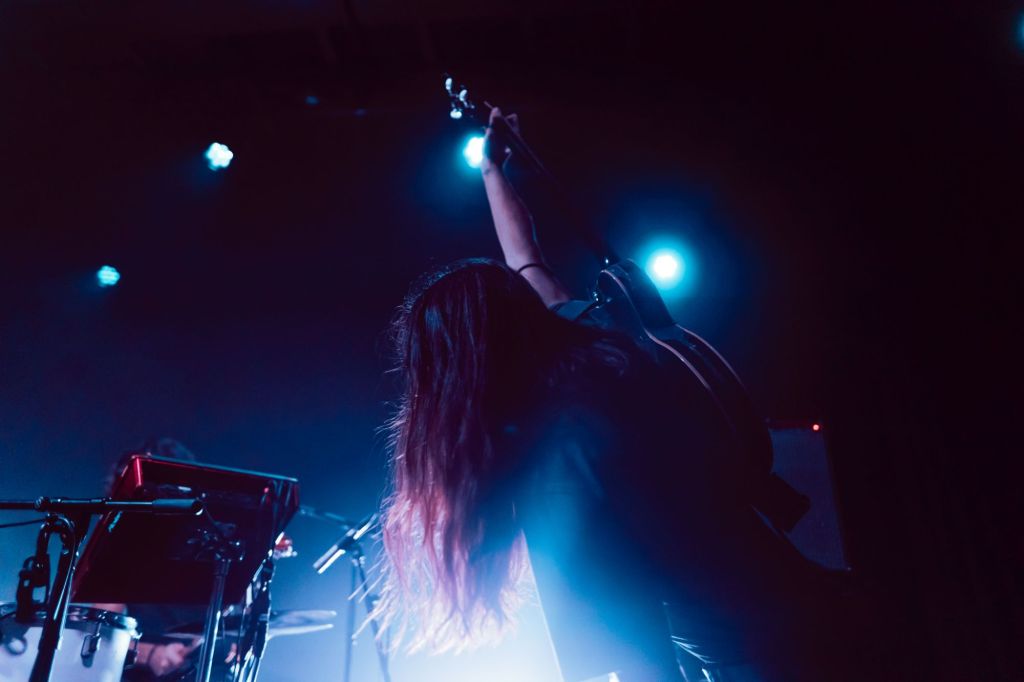
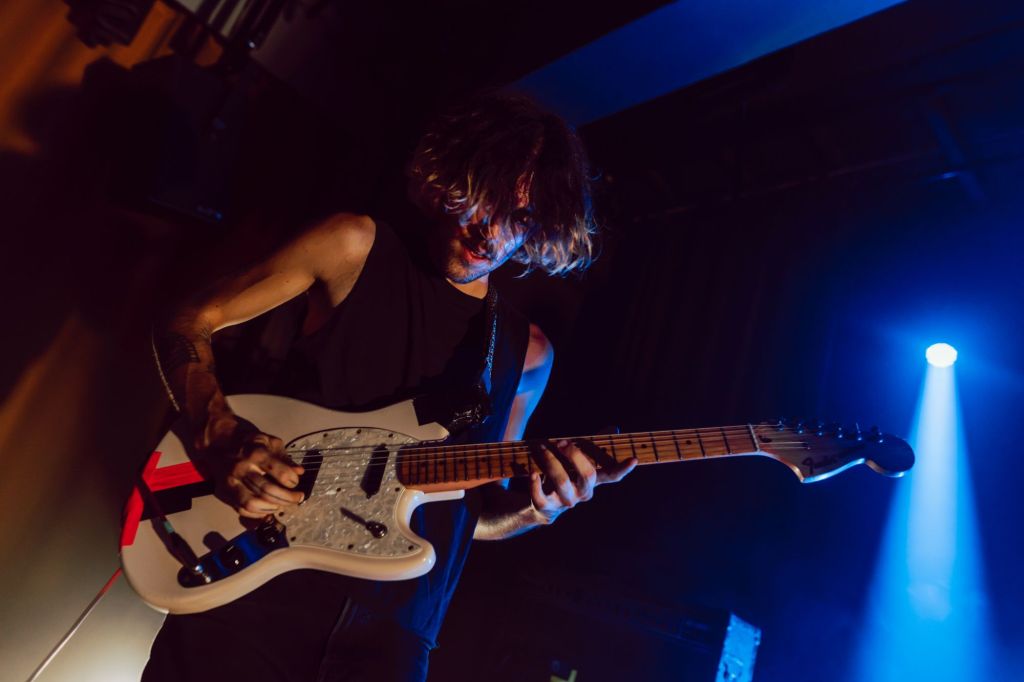
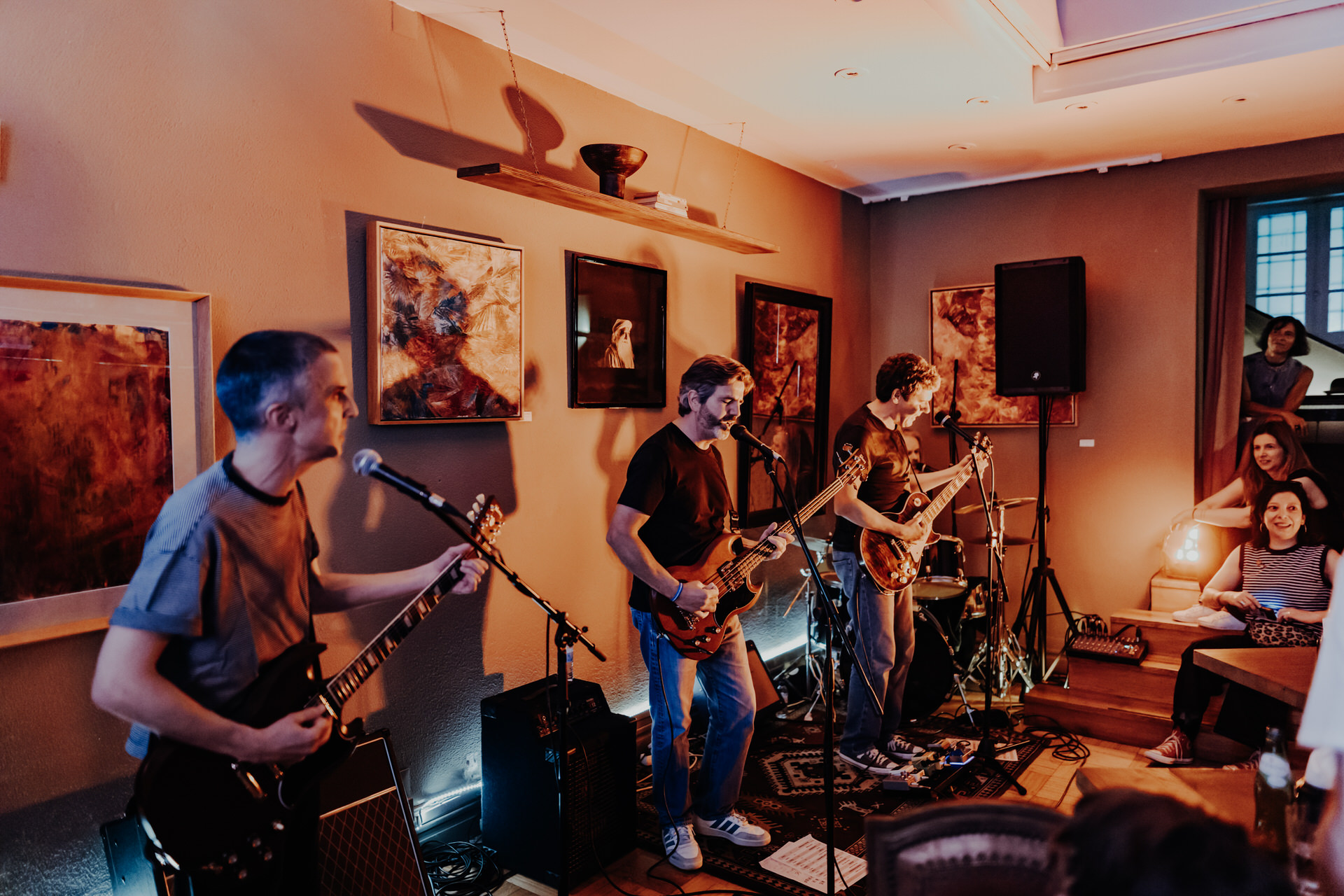
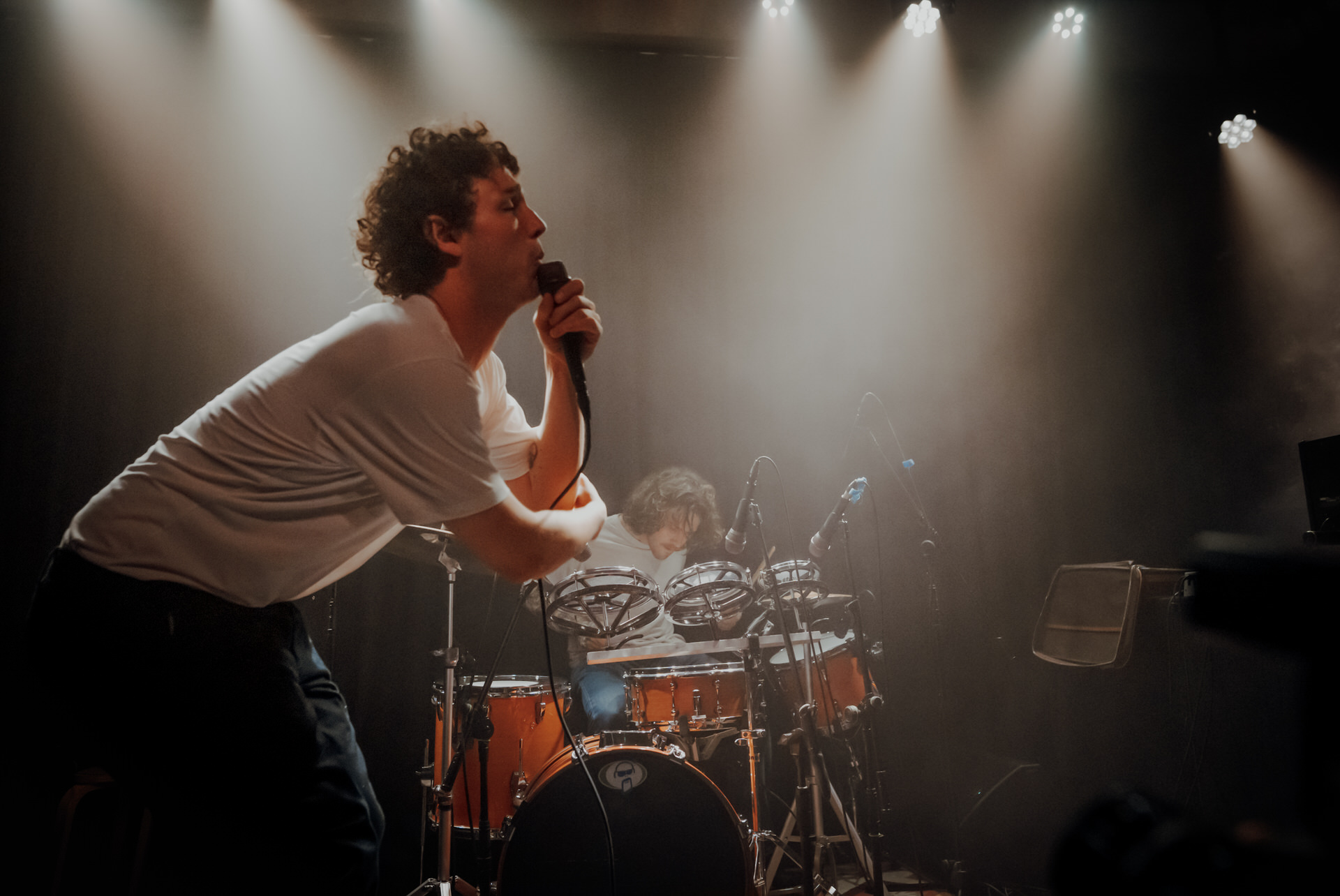
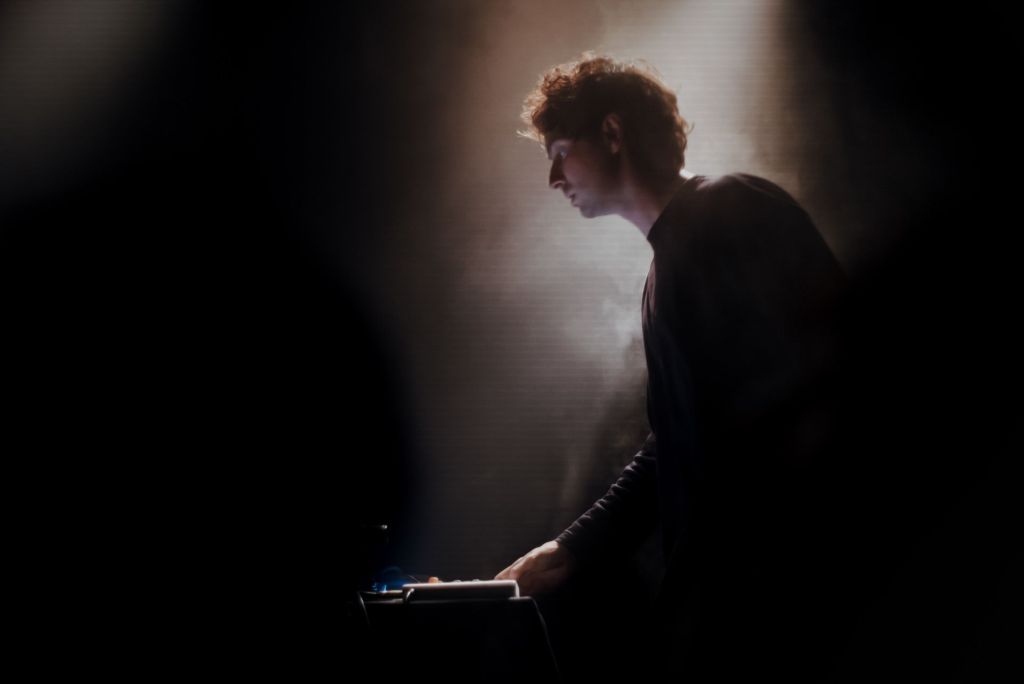
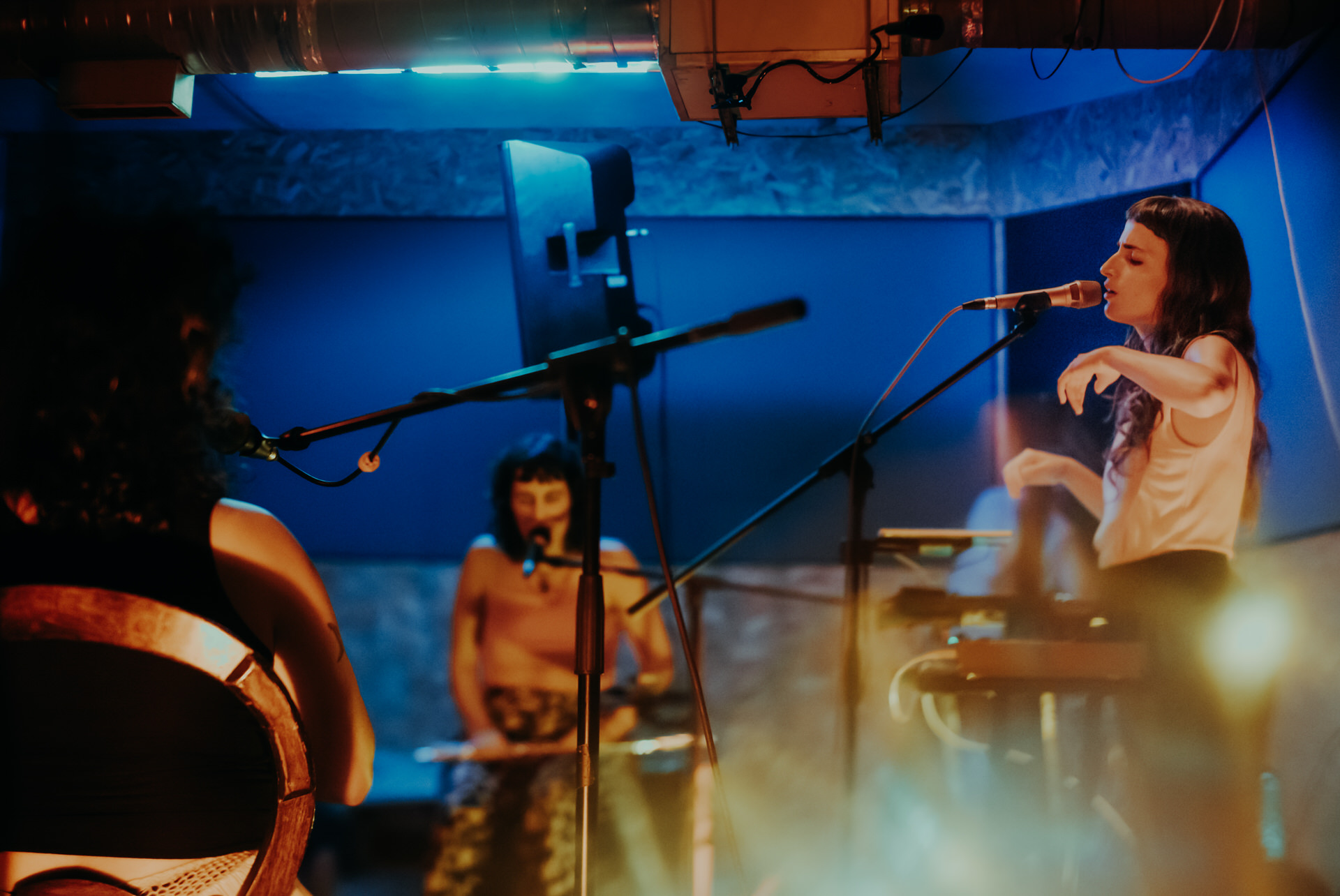
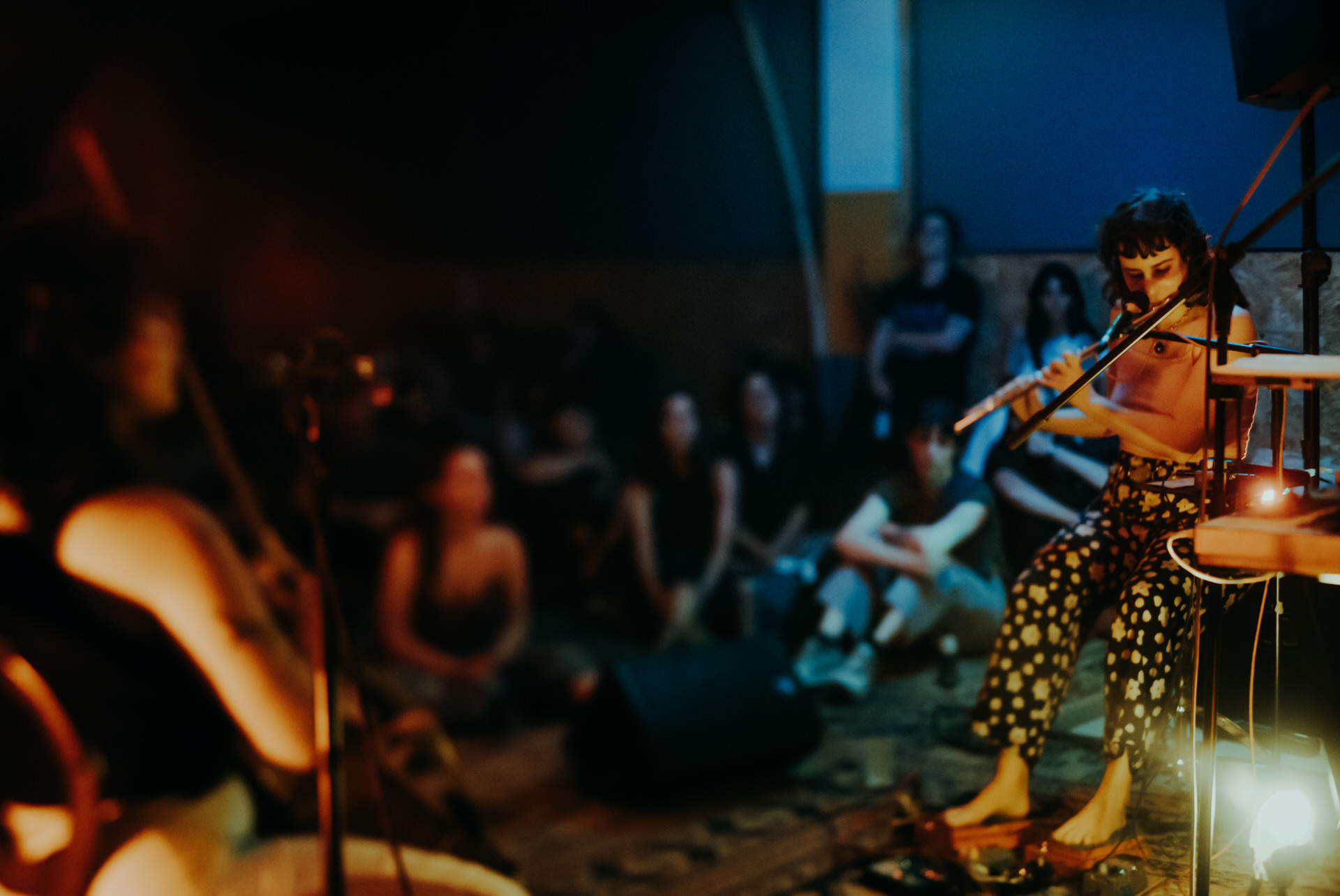
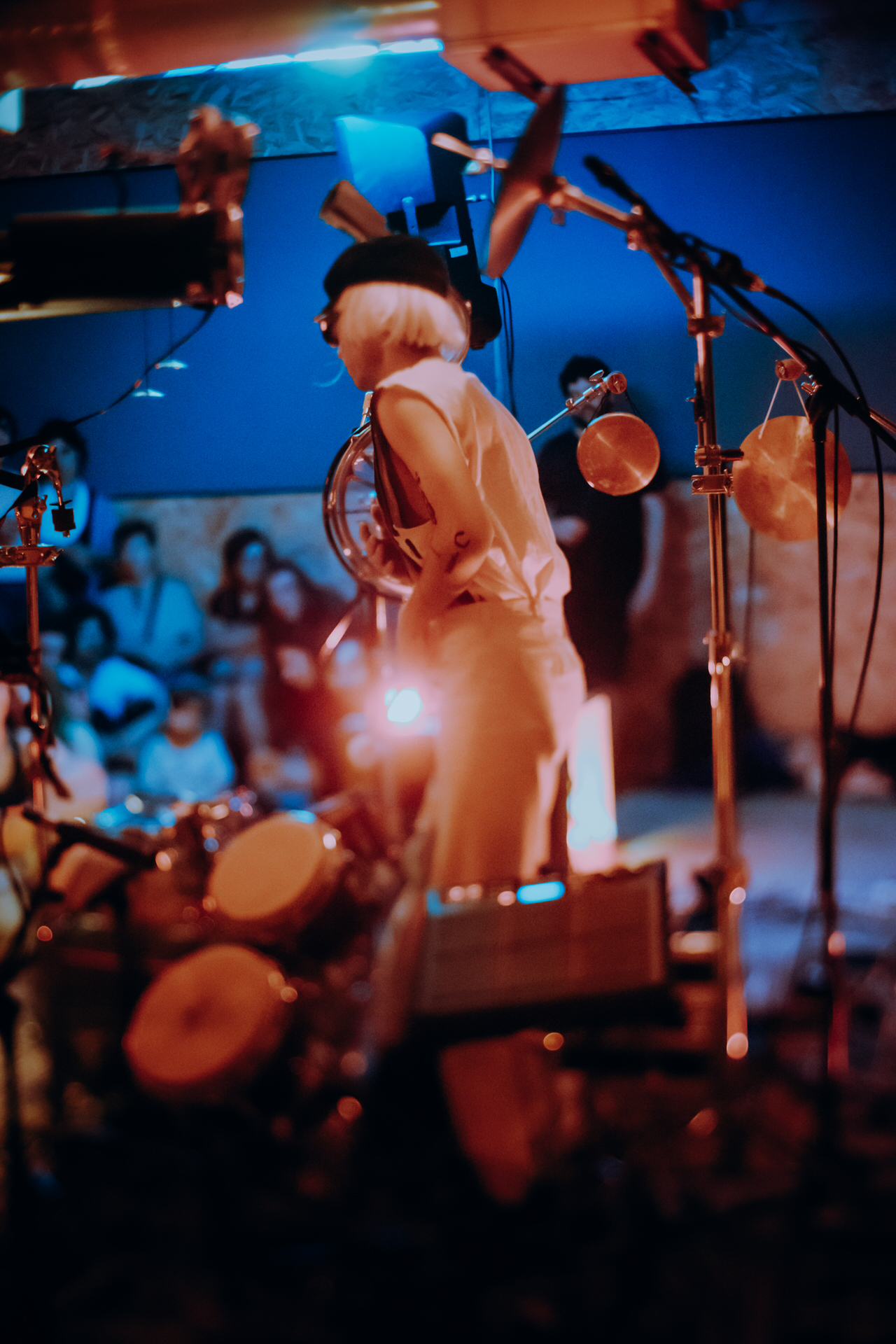
At 10:05pm, with a packed room and a palpable sense of anticipation, MAQUINA. took the stage for a long-awaited return to the Invicta city. Opening hostilities without warning or apology: a raw scream, a wall of distortion, and the immediate launch of a relentless sonic locomotive.
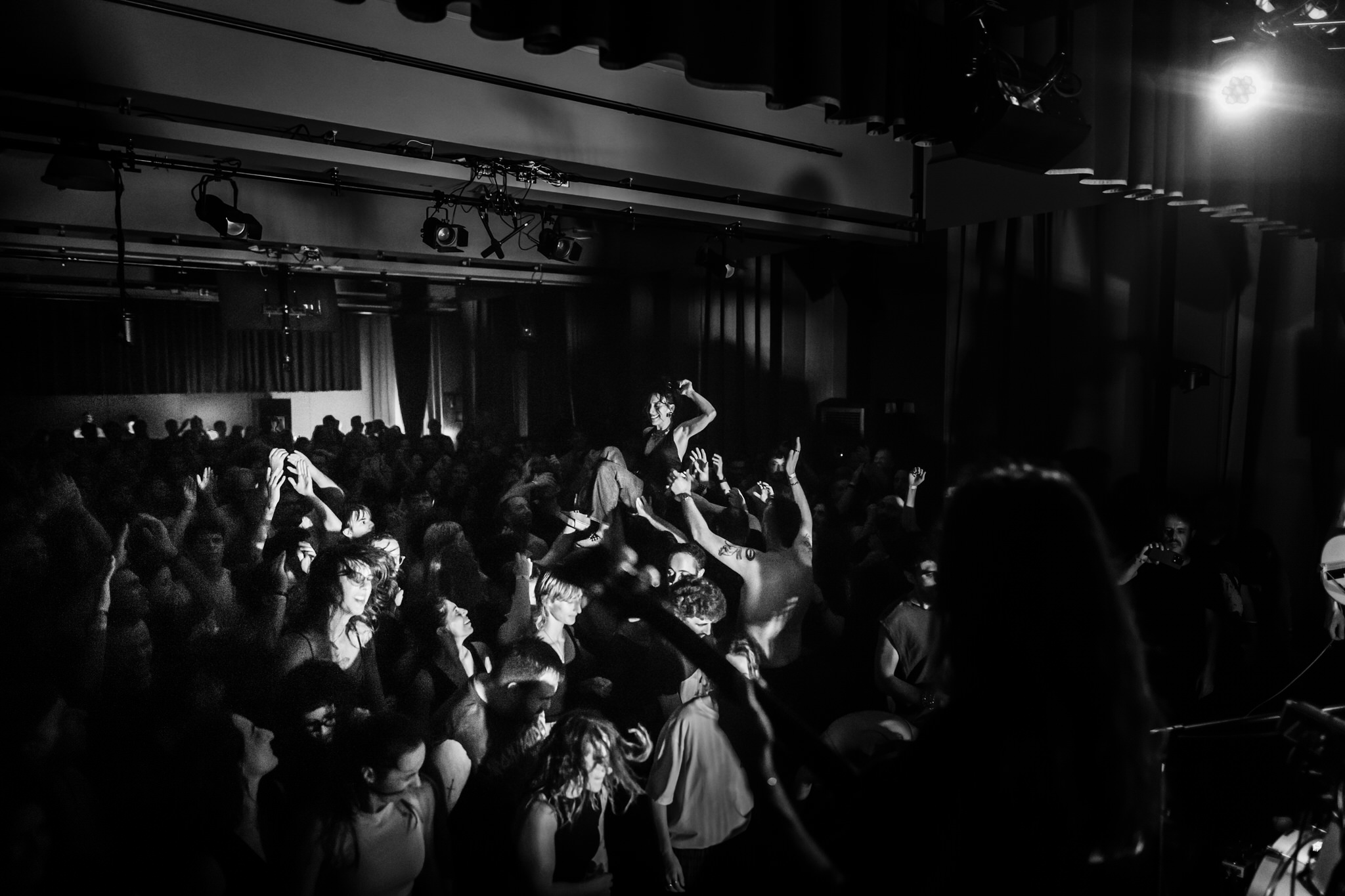
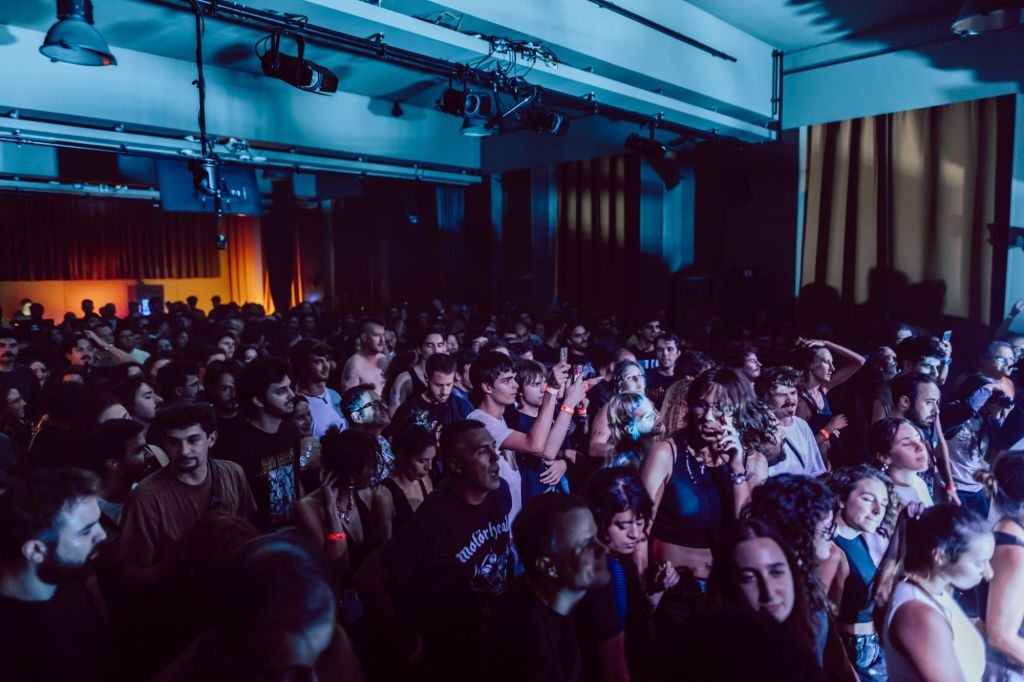
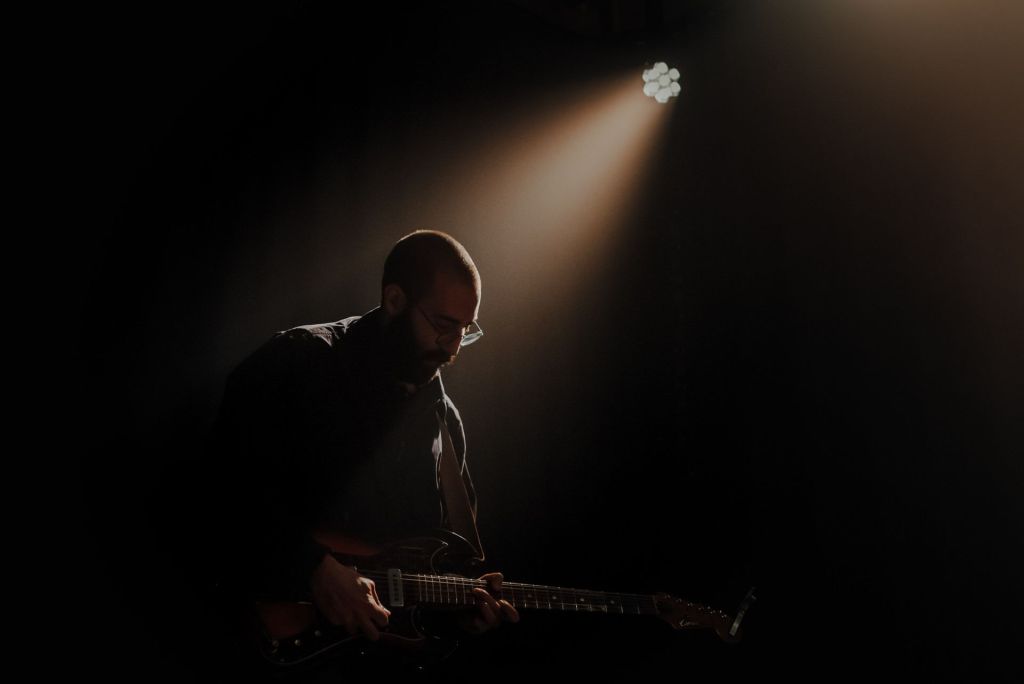
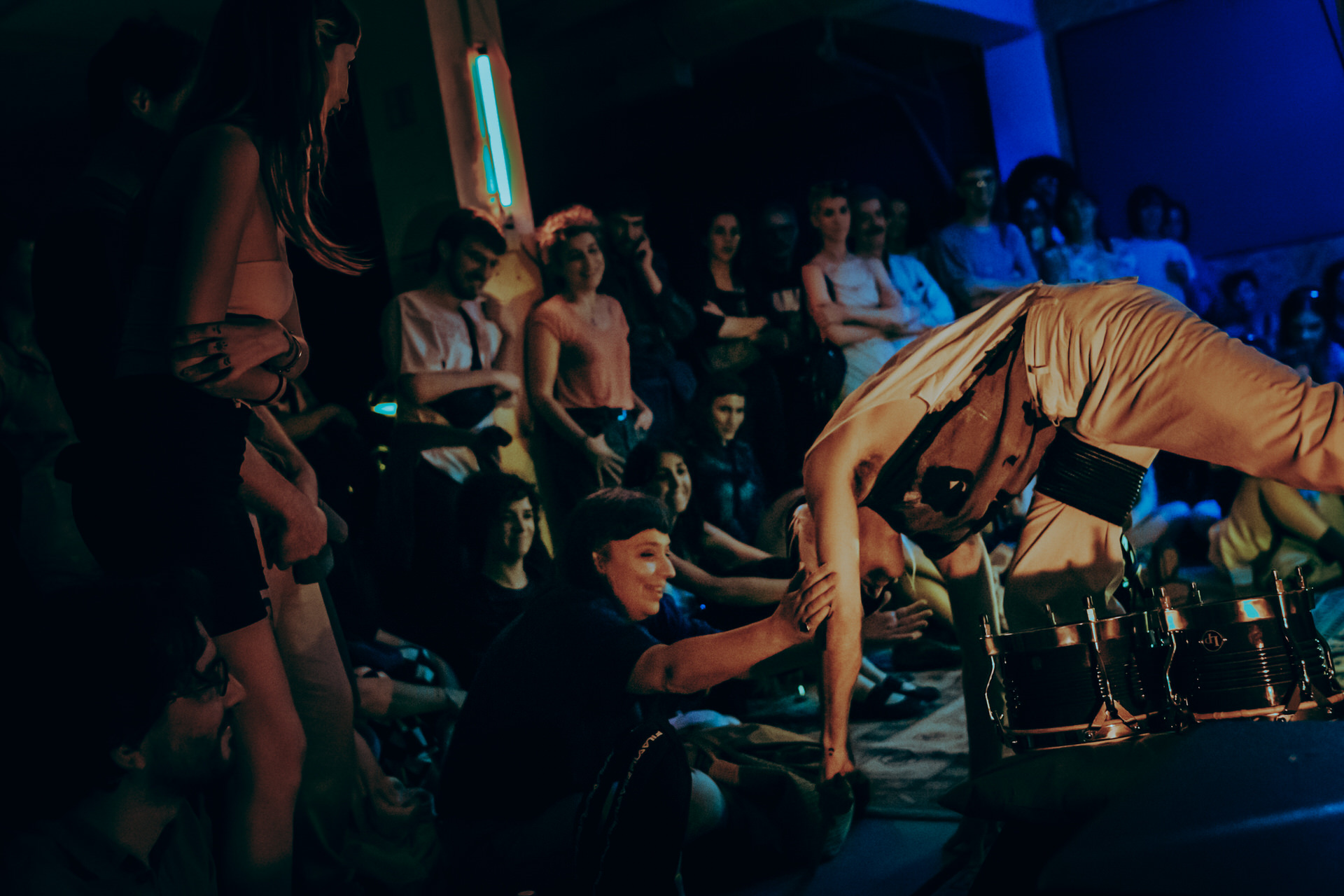
This tour serves as the live crucible for their latest record BODY TRANSMISSION: a devastating fusion where abrasive noise rock, and industrial techno collision-course into heavy, danceable catharsis. By the third song, the venue had already reached its boiling point. Crowdsurfers took over, frenetic dancing spread, and the trio’s signature raw energy turned the space into a non-stop celebration from start to finish. Between continuous dance and a jumping mosh pit, the floor was literally shaking under our feet.
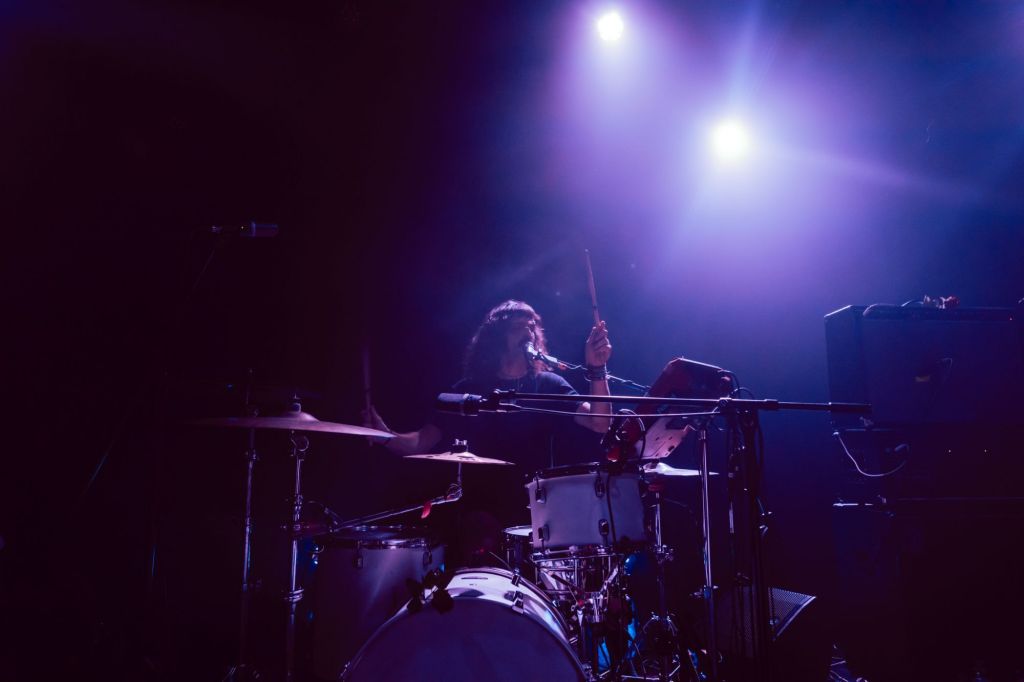
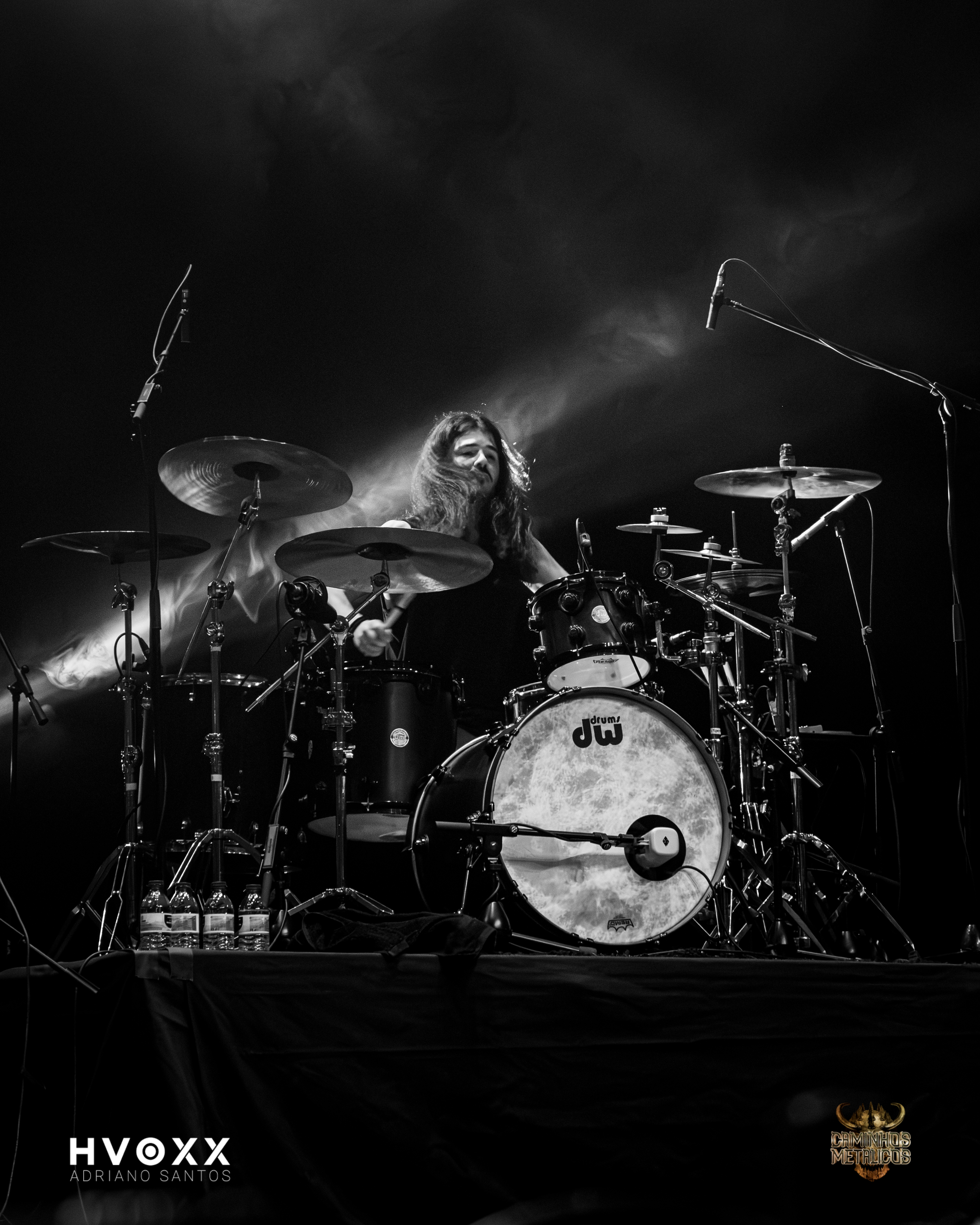
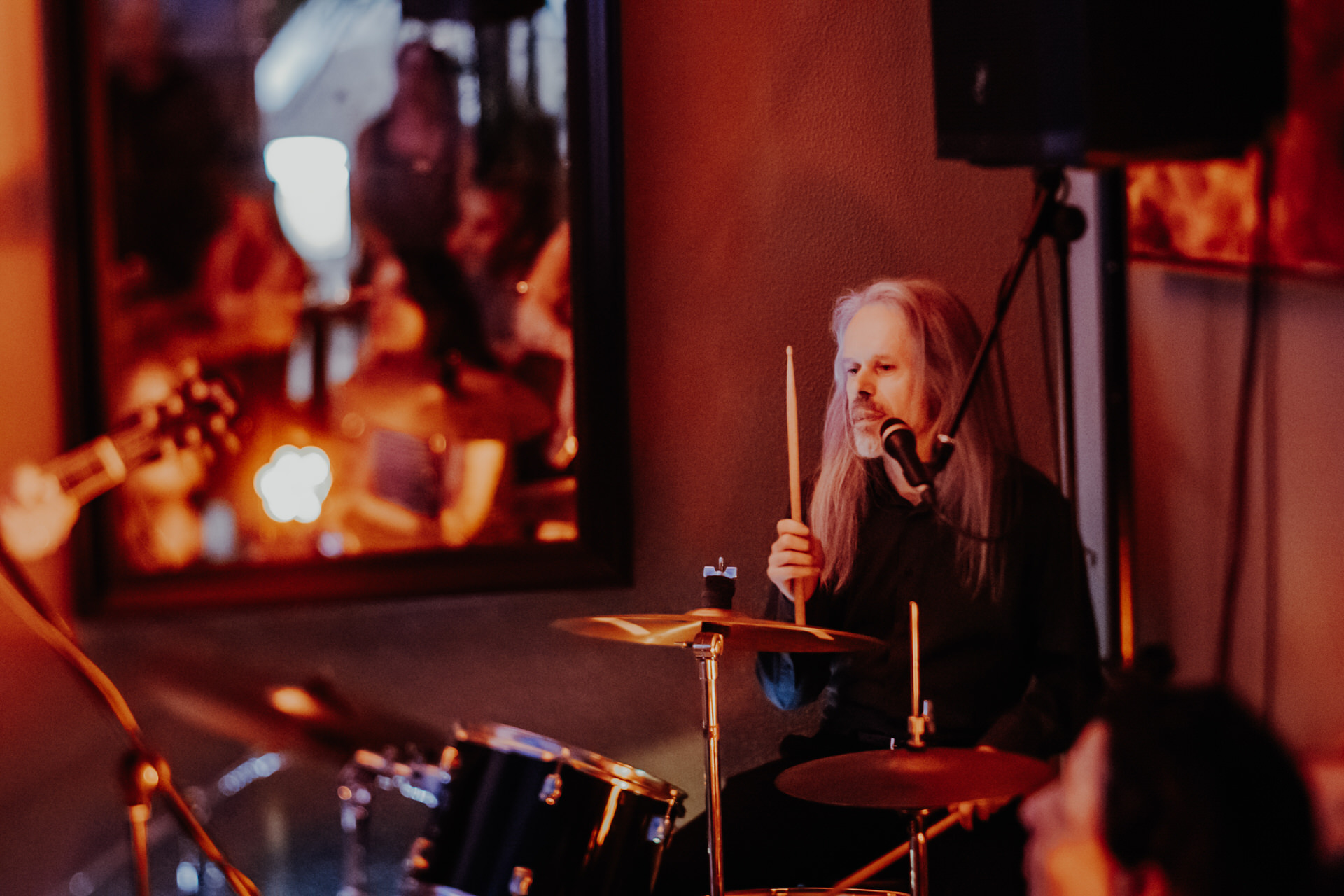
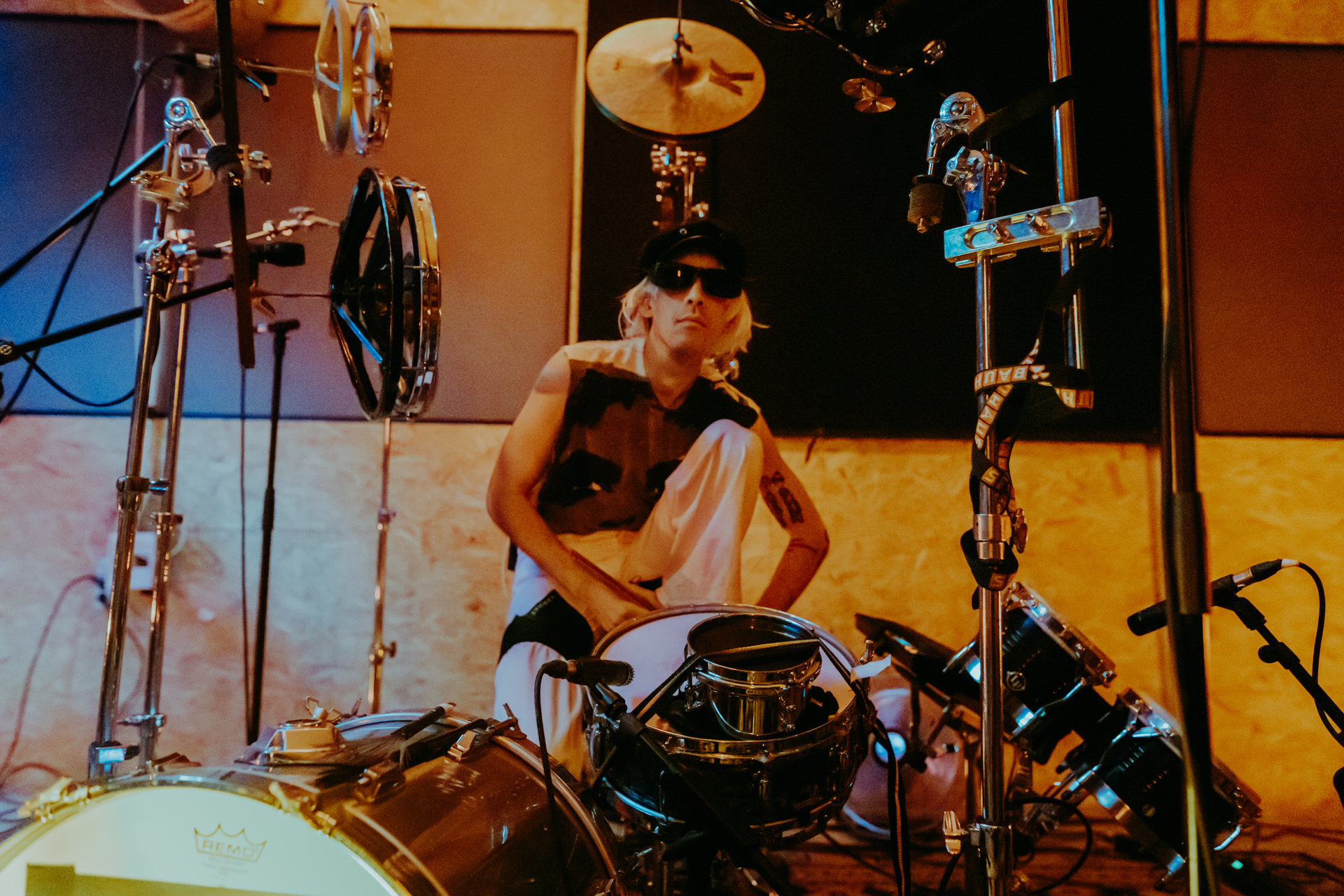
Alongside the hypnotic trance and industrial weight of the new tracks, there was also room for the band’s disarming charisma. Roughly halfway through the set, riding a wave of rhythmic clapping from the crowd, the drummer/vocalist busted out the Macarena moves: because anyone bold enough to drop the Macarena dance earns my absolute respect.
They closed the set with their usual finale, culminating in a collective mosh pit with the entire room jumping in a final burst of catharsis.
Once the show ended, the band once again showed their usual warmth toward fans, welcoming everyone warmly for hugs, photos, and quick chats. After a small pilgrimage to find a pen that would actually write on the album cover, I managed to get my copy of their new vinyl signed by the trio.
Having followed MAQUINA. since the very first concert I caught back in 2023, the level they’ve reached on this album cycle is undeniable. The new material translates into one of the finest live performances I’ve ever seen them deliver: a band at the top of their game, fully committed, and completely tireless on stage. Always an absolute pleasure to watch this trio in action once again.
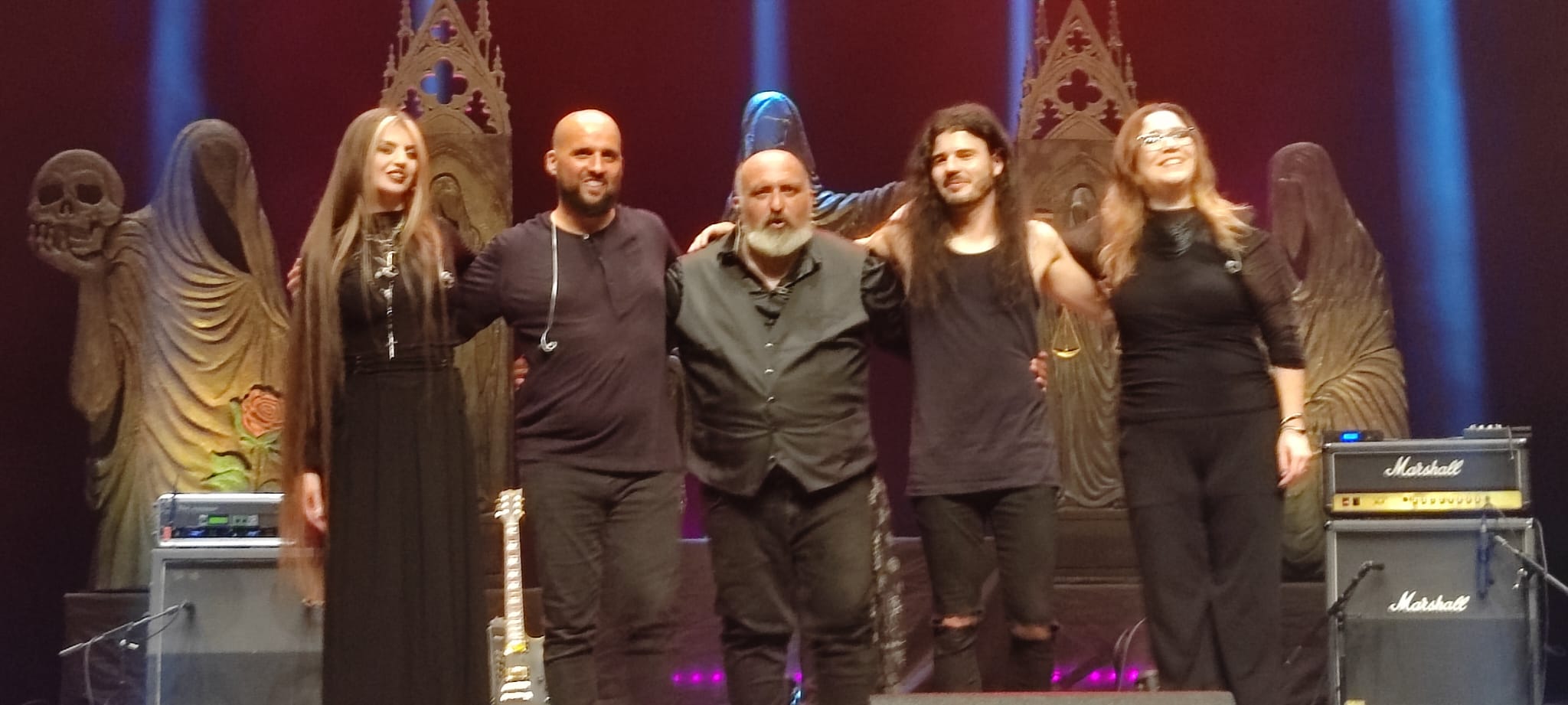
I week ago I was sitting in the front row, right in the middle of the stage, when Heavenwood began their 30th anniversary concert at the Coliseu Box in Porto.
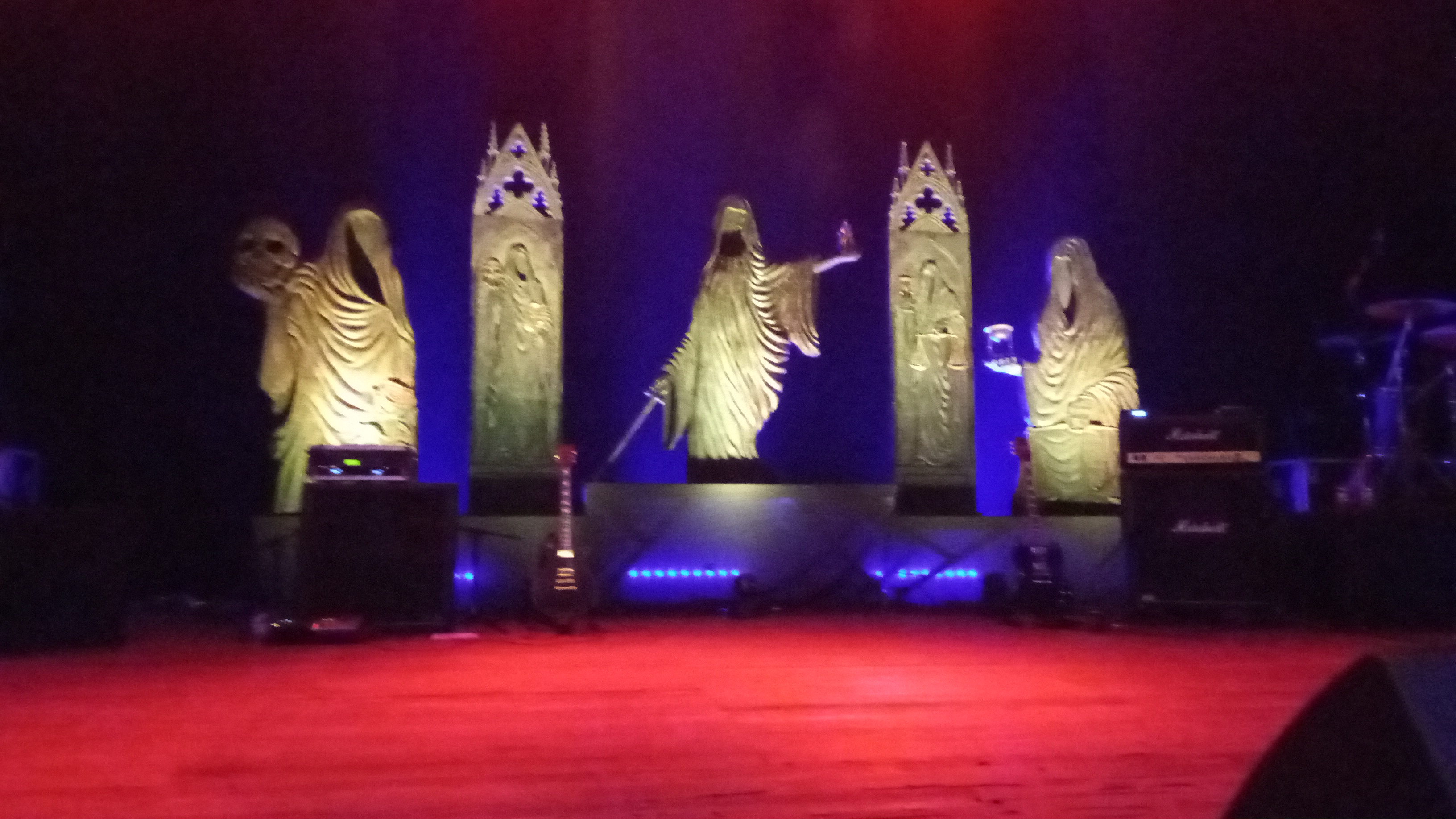
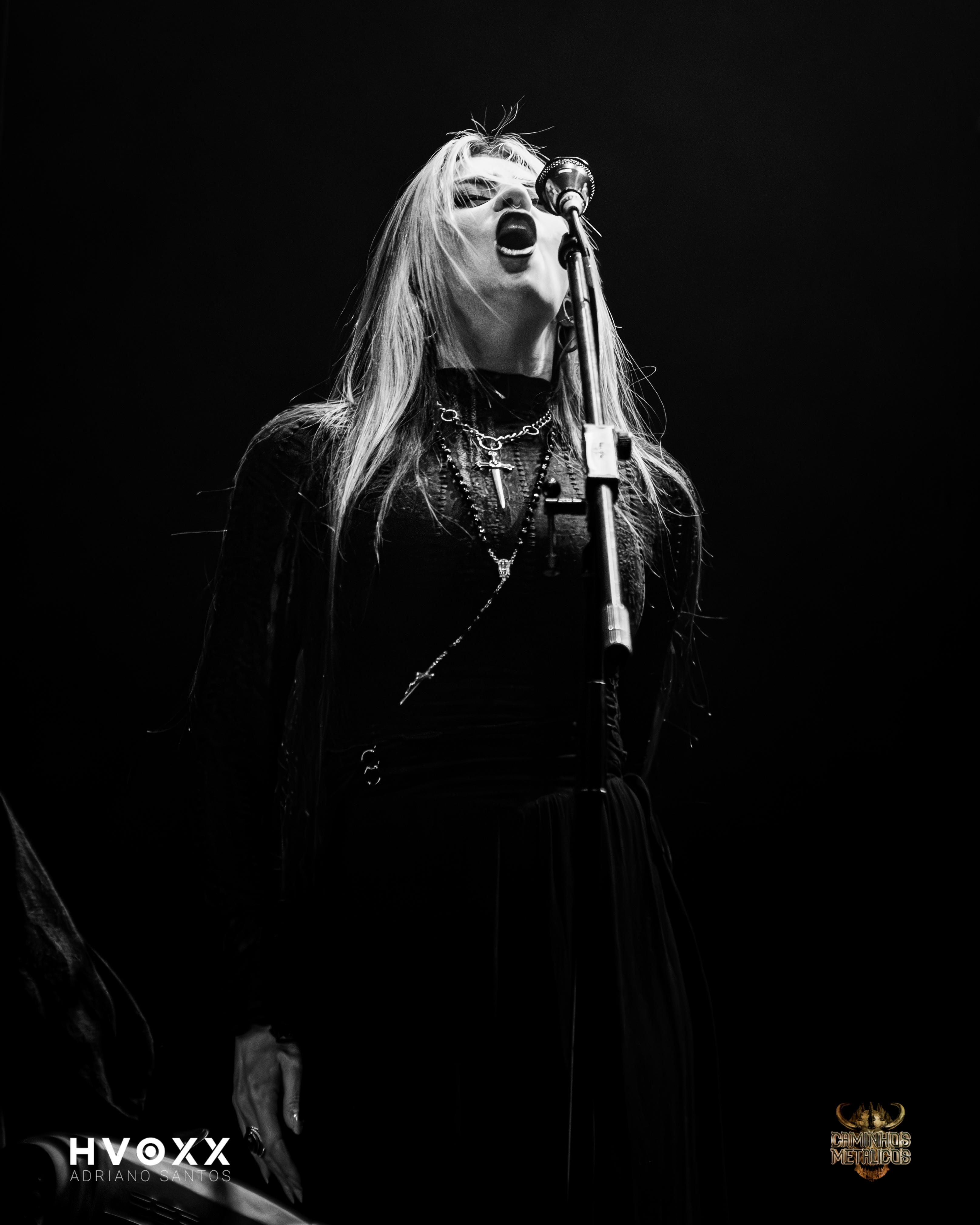
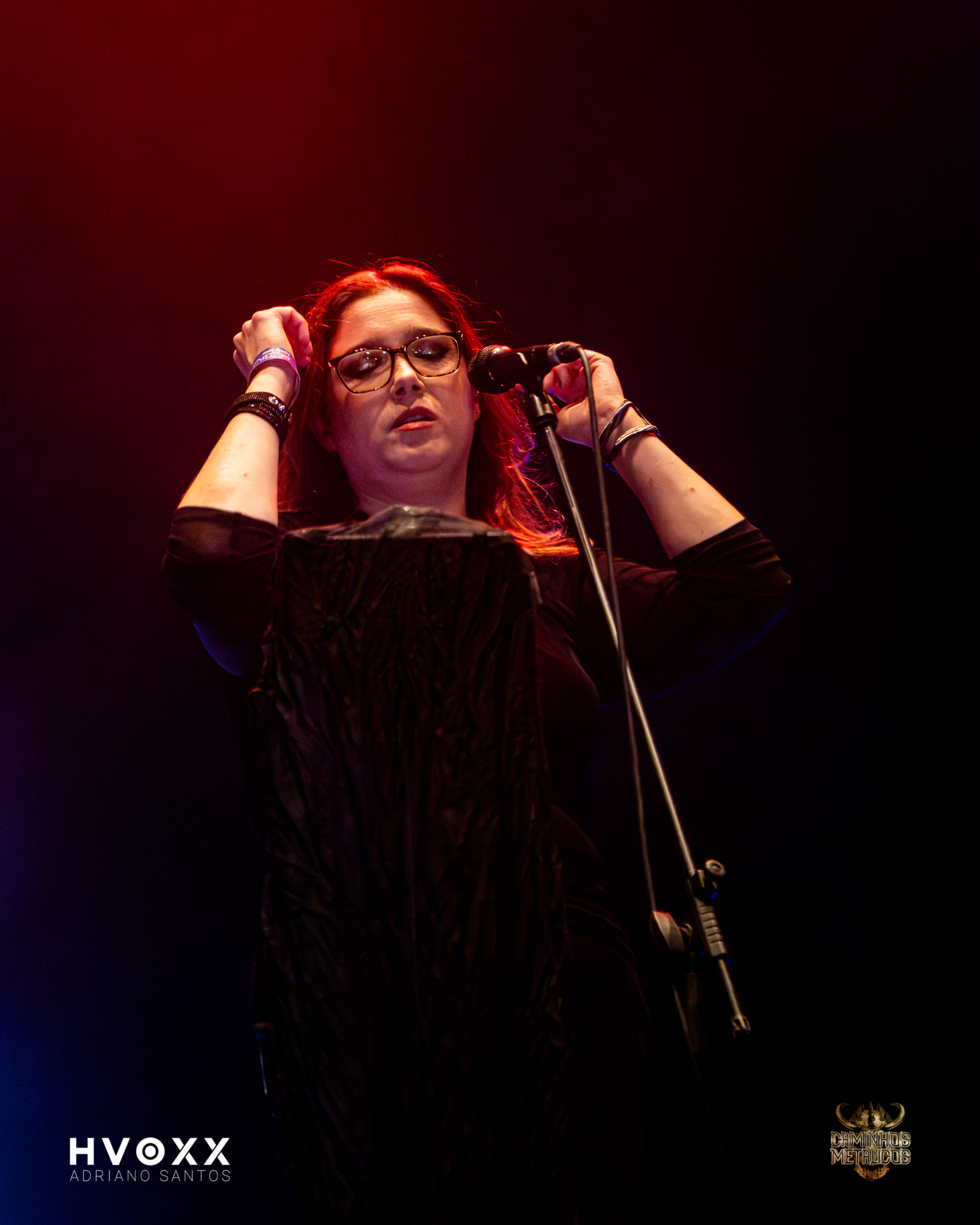
The stage was framed by beautiful sculptures by Helder Cabral, creating something that felt entirely at home with Heavenwood. It was theatrical, completed by the backing vocals and elegant movements of Beatriz Mariano and Sandra Oliveira, without ever taking away from the songs and music. It gave the concert another, ethereal, fairies-and-deities dimension.
I have known Heavenwood since the very beginning, when they were still Disgorged, and have watched them travel a very long way from those early days. Thirty years is a considerable stretch of time for any band. Standing there watching them, the number itself became less important than what was happening in the room.
Heavenwood are often described as melodic heavy metal, and there is certainly a great deal of melody in their music. But there is groove too. A strong physical movement underneath the songs that makes them work not only as something to listen to, but as something to inhabit.
From the beginning, the set moved through different periods of their history, with Death, Moonlight Girl and Morning Glory Clouds giving way to The Empress, The Moon and Since The First Smile, beautifully sung by Beatriz Mariano.
This was particularly amusing for me because Tarot had already been appearing repeatedly in my own life in the days leading up to the concert. I pull a card every day, by hand, from my Giger Tarot, and The Star has been the card that has appeared more than any other over the past four years.
Then, there I was, at a Heavenwood concert celebrating 30 years and found myself surrounded by The Empress, The Moon, The High Priestess, The Sun, The Hanged Man and The Stars, as the band moved through the music of The Tarot of the Bohemians cycle.Sometimes life does have a sense of humour.
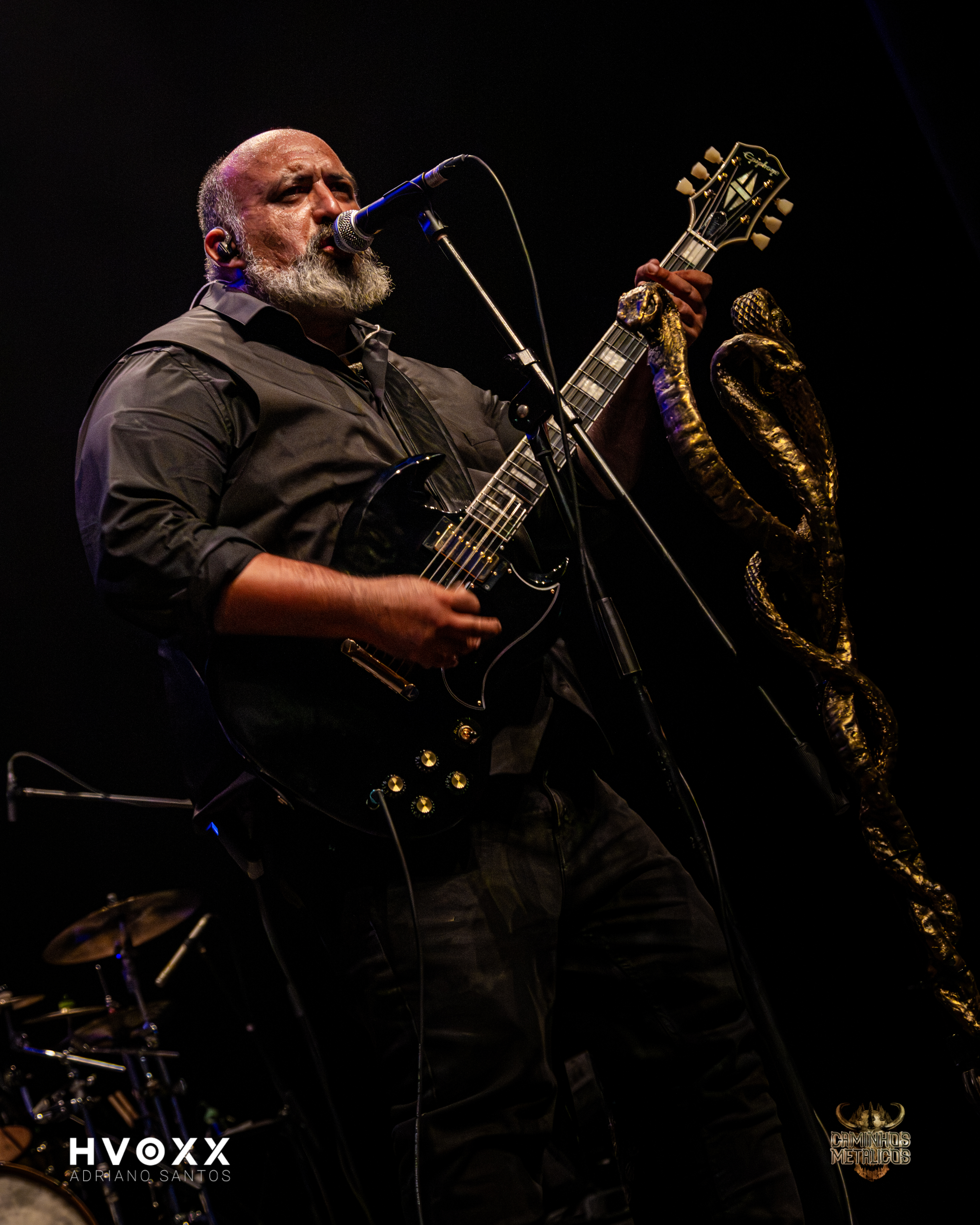
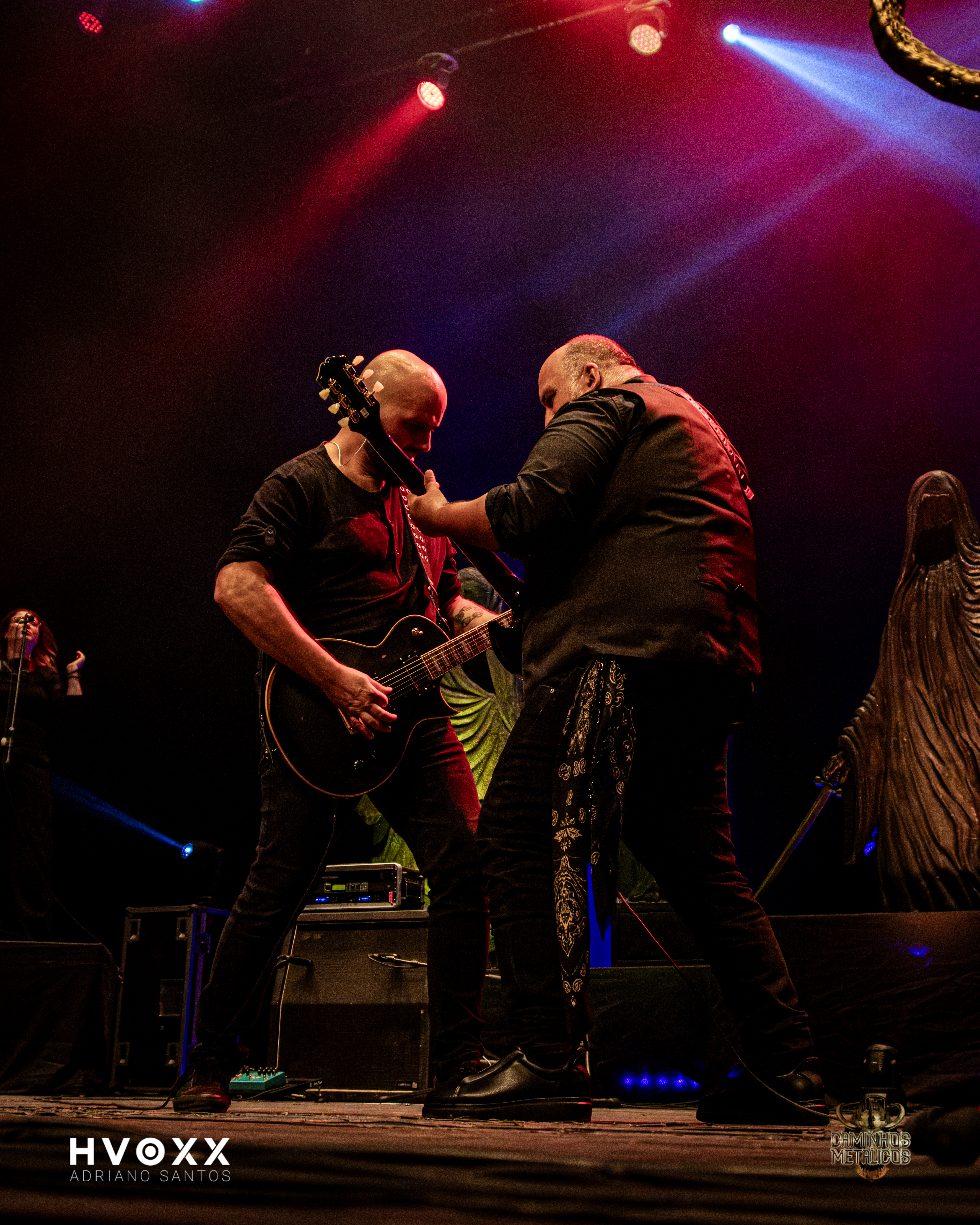
The Hanged Man brought Sandra Oliveira to the stage for lead vocals, adding another change of texture to the evening, while Ricardo Dias dos Santos, Eduardo Sinatra and Walter Teixeira carried the band through a set that had both weight and atmosphere.
And the sound. Oh! The sound! By the latter part of the concert it was so powerful that I could feel the floorboards moving with it, and the vibes and frequencies emanating from the stage wrapping me.
I was also having a rather wonderful time air-drumming.
My the eldest of my brothers, who is an actual drummer, was beside me tapping his legs to the music, while the drummer on the other side of the aisle was air-drumming too, even more enthusiastically than him. So there I was, sitting in the middle, flanked by two drummers and joining in.
On the encore there was a great singalong to the magistral and catchy Suicidal Letters, and by the time the curtain was about to fall, Heartquake arrived, and the room had changed completely.
Everyone was standing up and dancing.The seated concert had become a moving room.
That is one of the best things about seeing a band that has been around for thirty years. The history is there, certainly, but it is not a museum piece. It is alive when the songs still move people, when old songs are sung back at the stage, when a room full of people gets up and dances.
Heavenwood’s music has always carried a particular atmosphere, gothic, dark, melodic, poetic, sometimes symphonic, sometimes heavy as hell without ever losing itself.
At the Coliseu, with Helder Cabral’s sculptures surrounding the stage, it had the space to become something else again.
This was not simply a band’s concert marking thirty years.It was Heavenwood inhabiting three decades of music in one of Porto’s most special concert venues.
Heavenwood: Ricardo Dias dos Santos – founder/guitarist/composer/vocals Band Members: Eduardo Sinatra – drums Walter Teixeira – guitar Special Guests: Beatriz Mariano and Sandra Oliveira – backing vocals and lead vocals on Since The First Smile (Beatriz Mariano), The Hanged Man (Sandra Oliveira) Sculptures: Helder Cabral
Setlist: Death Moonlight Girl Morning Glory Clouds The Empress The Moon Since The First Smile – lead vocals Beatriz Mariano 13th Moon The Lightning-Struck Tower Shadowflower The High Priestess The Sun The Hanged Man – Lead vocals Sandra Oliveira Rain Of July The Stars Frozen Images
words: Telma Mota (freely translated by Raquel Pinheiro); photos: Telma Mota
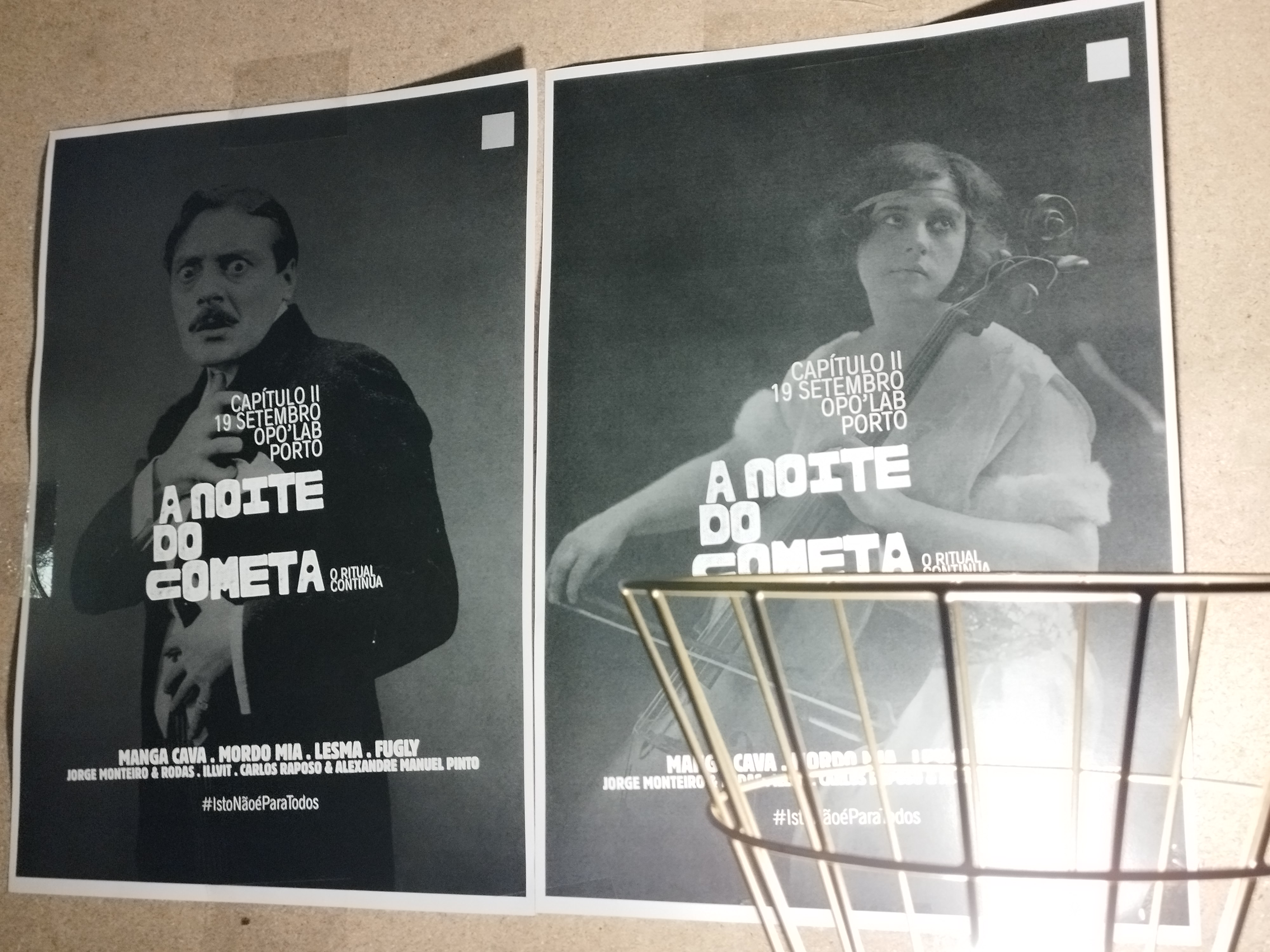
The second edition of A Noite do Cometa once again surprised and reaffirmed its restless attitude, always refreshing in its commitment to promoting emerging Portuguese bands.
This time, the fusion of different musical genres travelled through the sounds of the chosen projects with spirit, elegance and youthful energy.
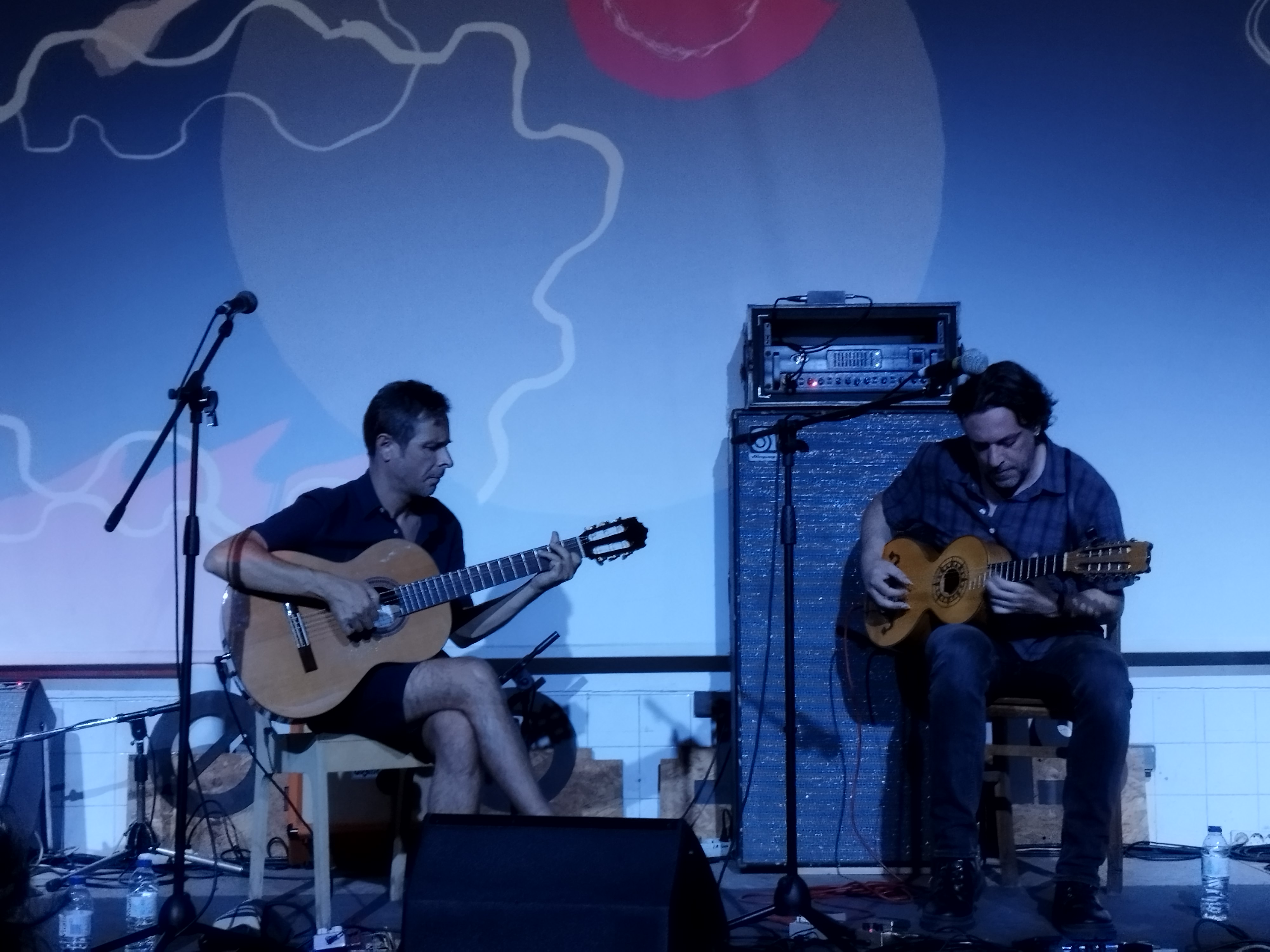
The event began with what was called a Prólogo (Prologue) surprise, bringing together Carlos Raposo and Alexandre Manuel Pinto in a string duet. Carlos, on the 10-string viola campaniça, accompanied by Alexandre on classical guitar, opened the event in the best possible way, with original pieces inspired by traditional music, somewhere between folk and Carlos Paredes.
Well played and performed, it set the tone for a musical night marked by freedom and diversity.
Next came the young bands Manga Cava, Mordo Mia and Lesma, which, in the words of organiser Garcia, were not chosen to fit into a mere playlist, but because they were capable of “altering the night for one another”. Interspersed with the consistently quality music of Jorge Monteiro’s DJ set, they took to the stage with attitude.
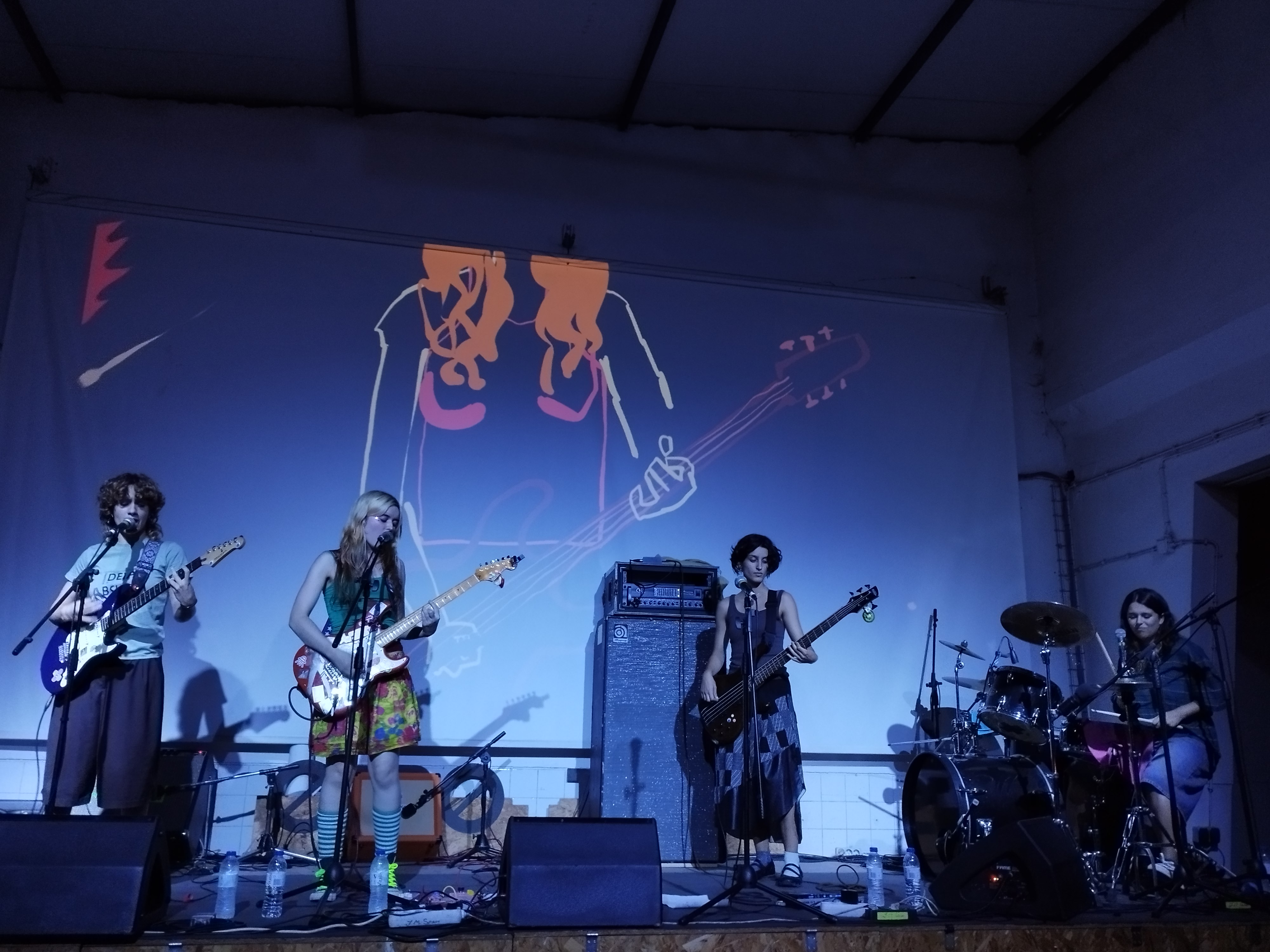
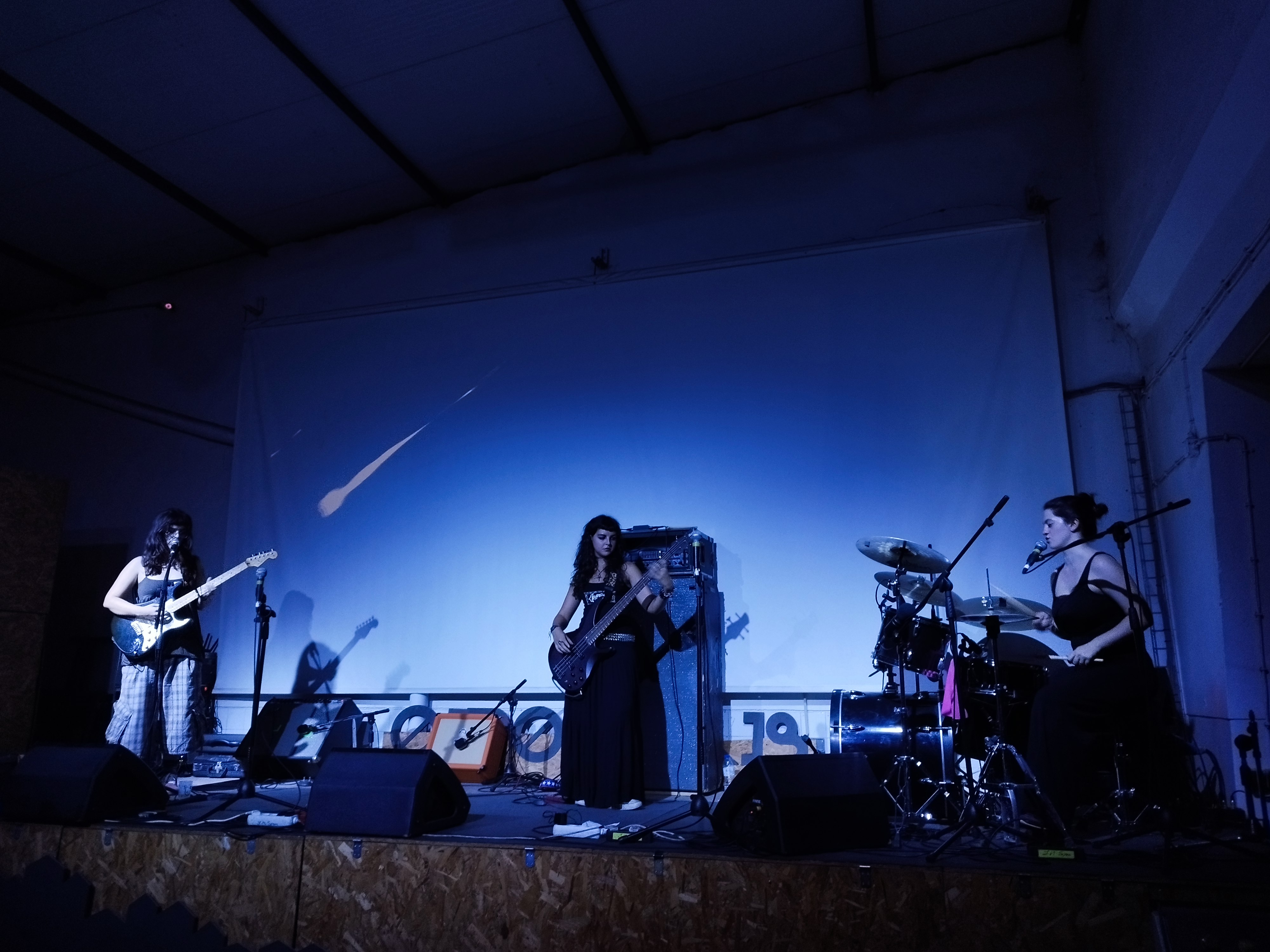
Manga Cava, a four-piece girly indie pop punk rock band, recently released the EP Retrato da menina abandonada no lixo. They are ironic, noisy and competent. Joana and Maria sing, accompanied by their guitars, raw songs energised by bass and drums. Among their original songs, they performed one by Pega Monstro, a band from the underground scene with which they identify.
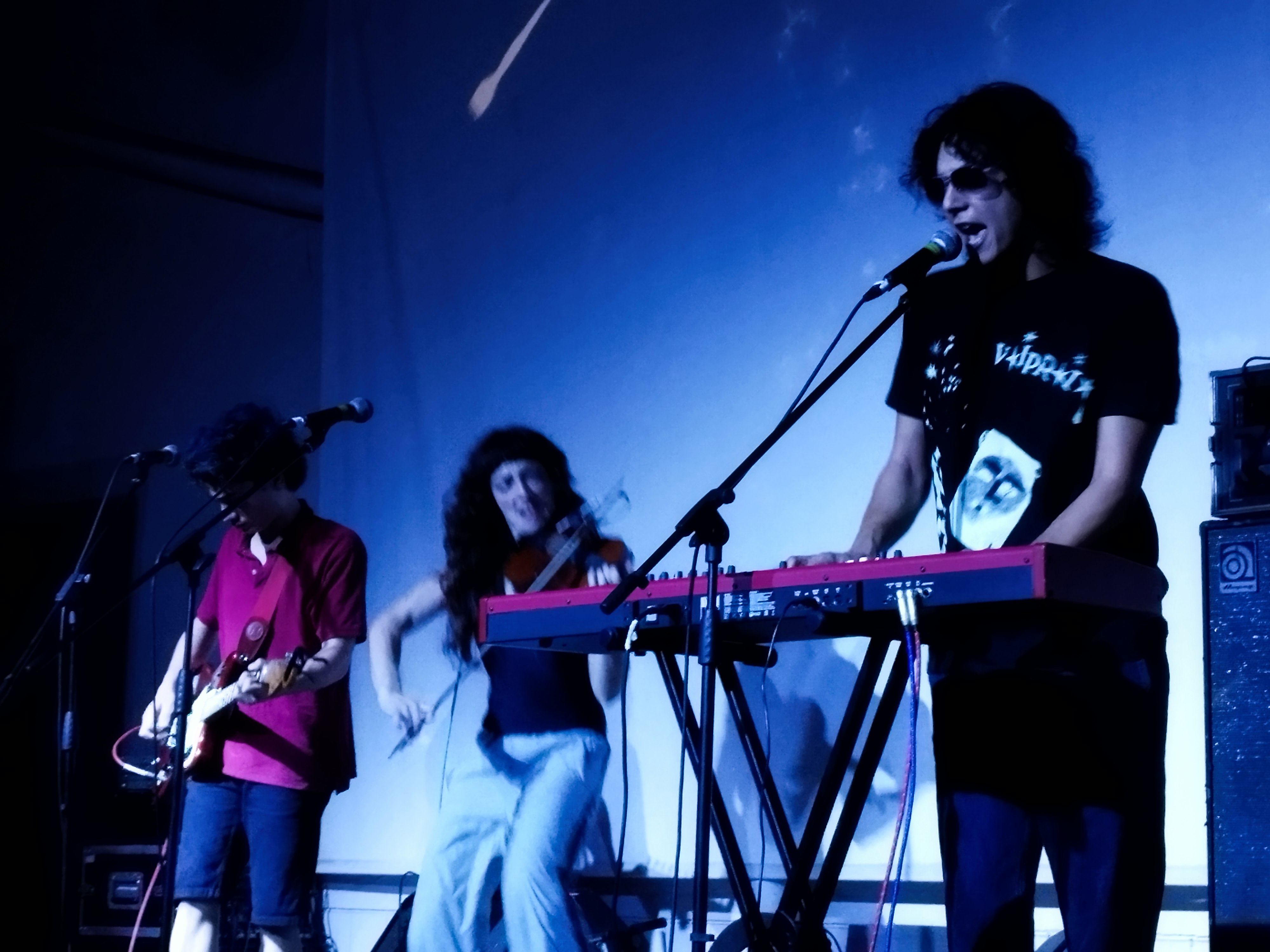
Mordo Mia added discomfort, in an unusual mixture of musical genres. Guitar, violin, keyboards, bass and drums come together in an intense and extraordinary amalgam that makes us pay attention to the details through which they communicate complex and contradictory feelings. Surprising for a band made up of people so young. Still a somewhat immature sound, but promising , already with two albums out: Sente-se Primeiro and Chumbo Côncavo.
To complete the emerging trio, Lesma, a girls’ band made up of three friends who released their first album, É mentira, in 2025 through Saliva Diva. Raw, strong and direct punk rock which, through Leonor Casimiro’s voice, gains a particularly interesting life, with lyrics delivered in a machine-gun verbal register, reflecting current personal and generational concerns, so many and so intense that they almost trip over one another in streams of muffled screams. An excellent performance, delivered with confidence and commitment.
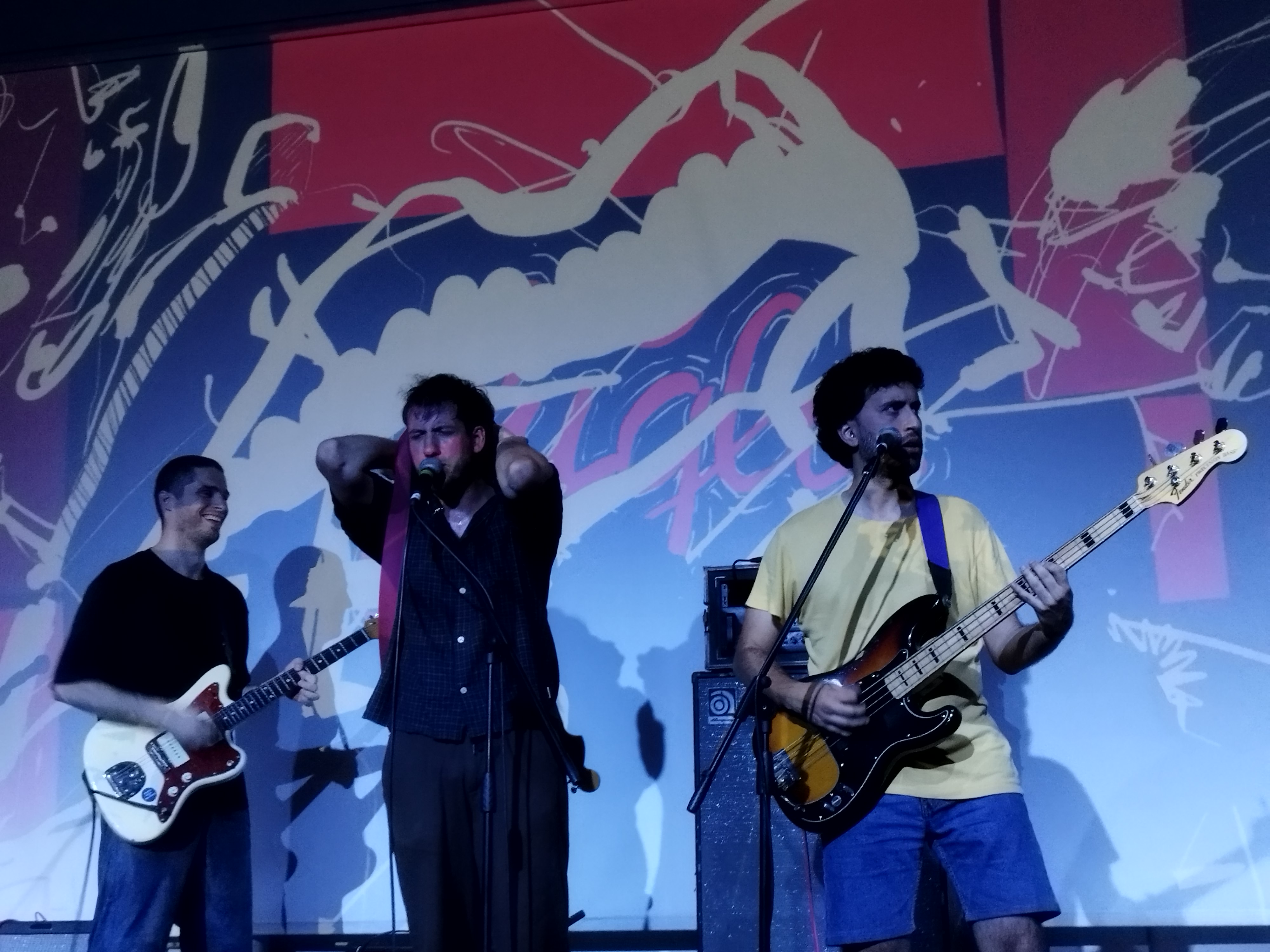
To finish, the comet exploded with the performance of Fugly, a Porto garage-rock band that began its activities ten years ago, but has performed little lately. Nevertheless, they retain their intensity, with their two noisy guitars, precise bass and an energetic drum kit that tears through everything and drives the band’s live performance. With an explicit anti-fascist message delivered from the stage, their vocalist Jimmy finished by expressing the hope we all want to hold on to while there is still “road to travel”…
After these magnificent high-octane live moments, the night entered its epilogue, provided by the already very well-known rock ’n’ roll DJ Rodas, owner of the recently closed Barracuda bar.
And so another special night of musical comet unfolded at OPO’LAB. Long may it be repeated.
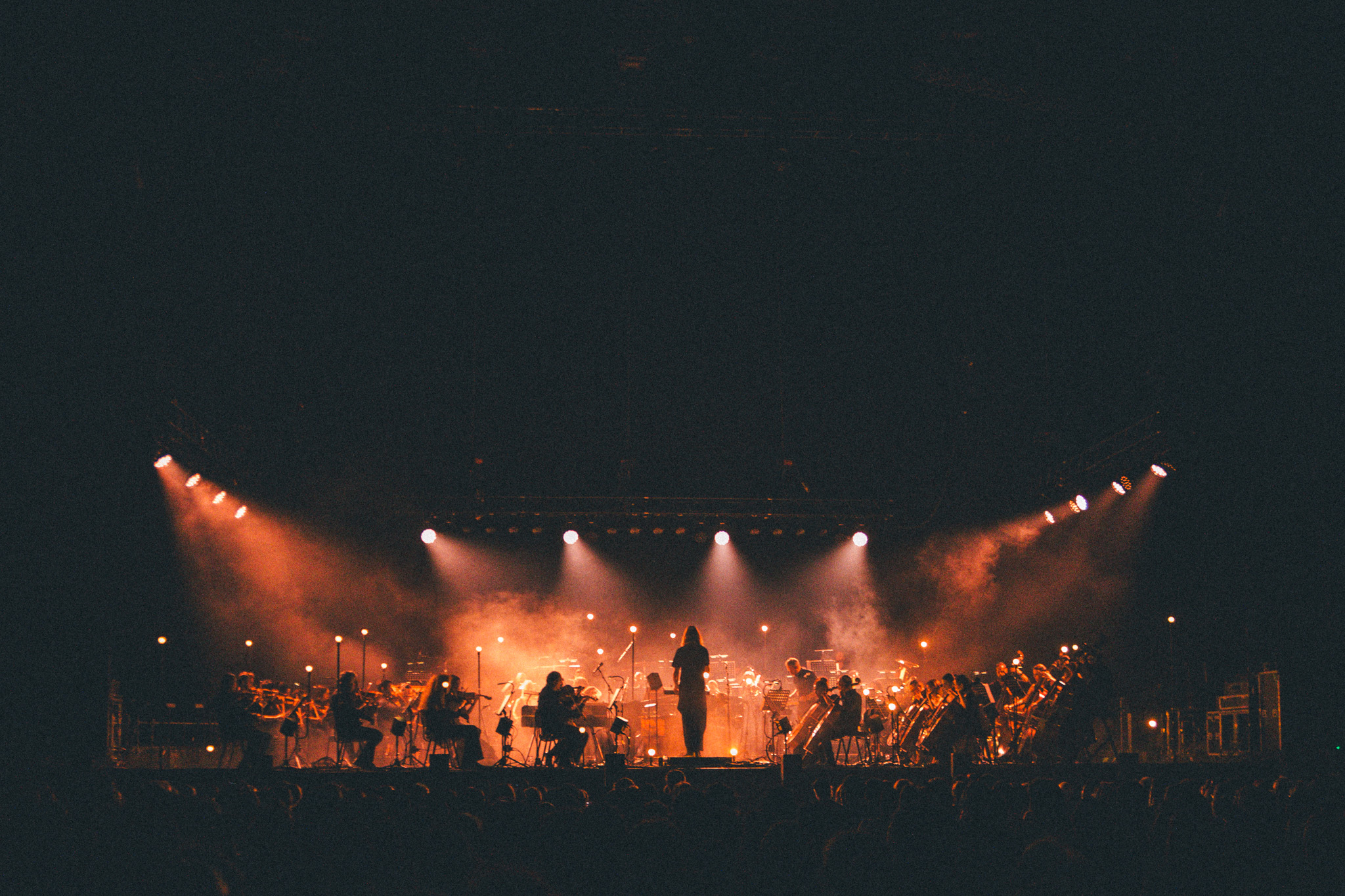
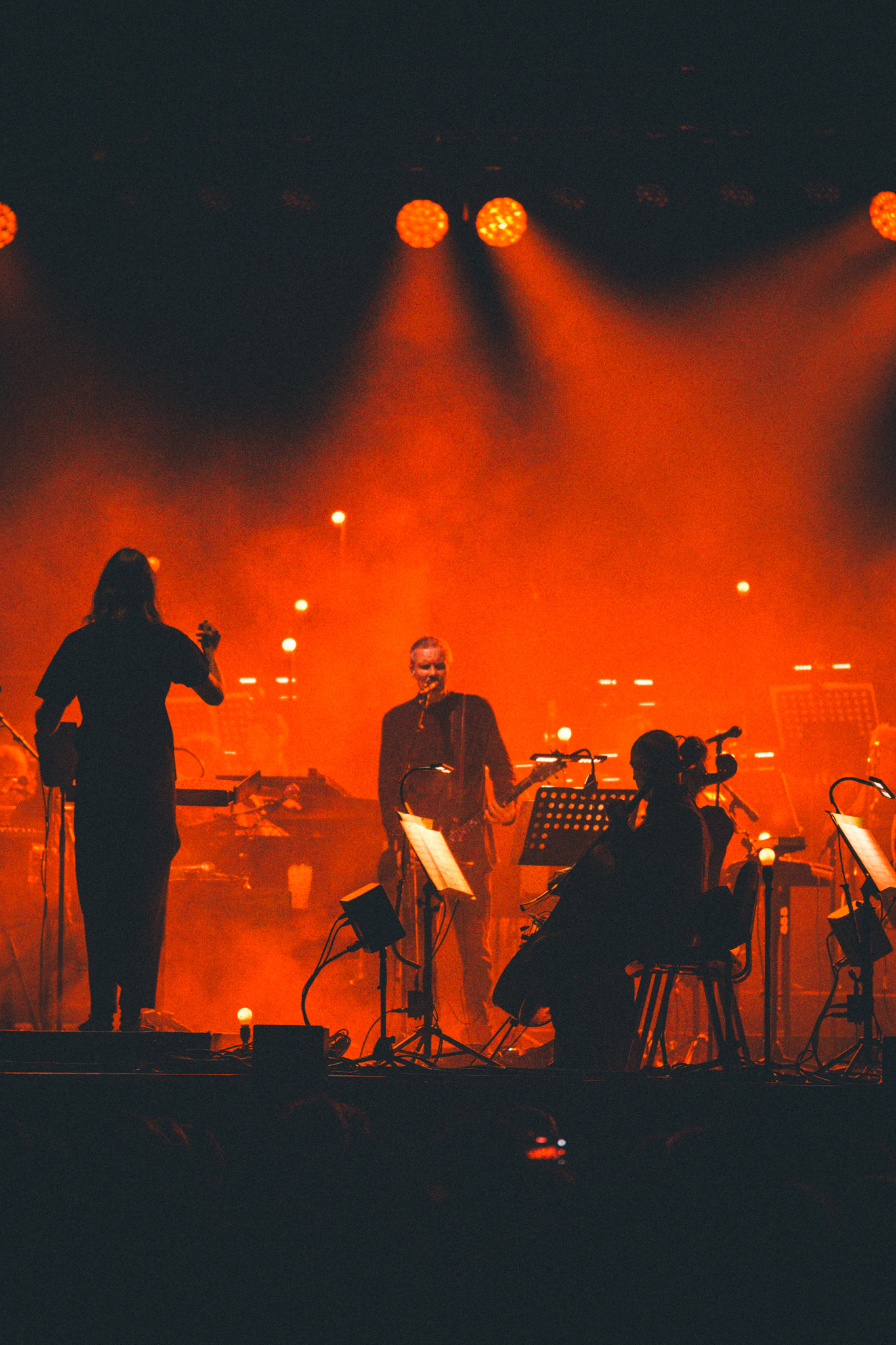
A friend wisely advised me to pack extra tissues for Sigur Rós’ concert – a warning I foolishly brushed off as dramatic. Yet, as the concert began at 9:15pm inside a completely packed venue, the sweeping strings of Blóðberg took hold, and tears were already streaming down my face before the opening piece even finished.
For over three decades since forming in Reykjavík in 1994, the Icelandic post-rock icons – celebrated for Jónsi’s signature bowed guitar, soaring falsetto, and otherworldly lyrics in Icelandic and Vonlenska – have built a legacy on ambient, cinematic grandeur.
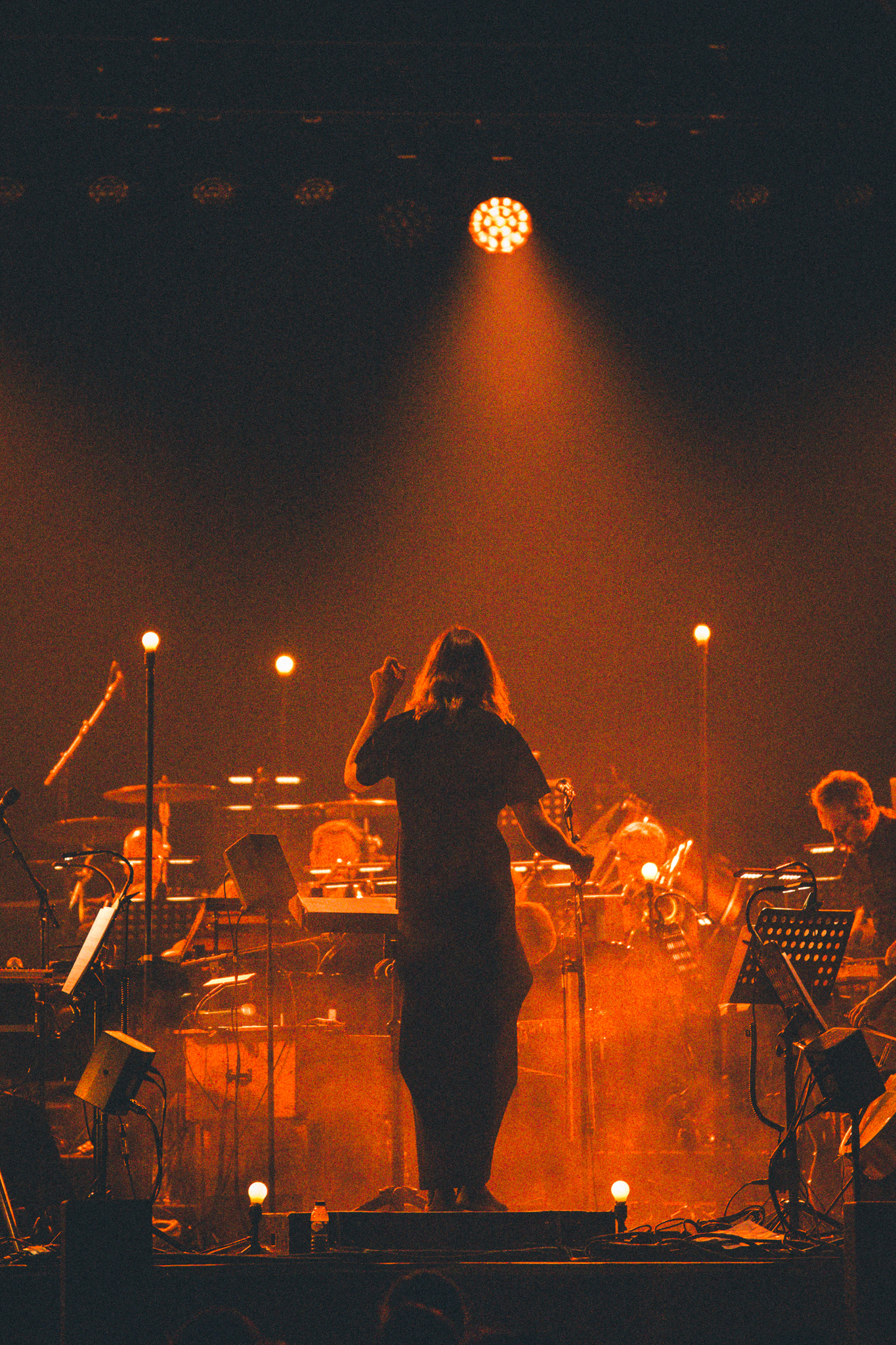
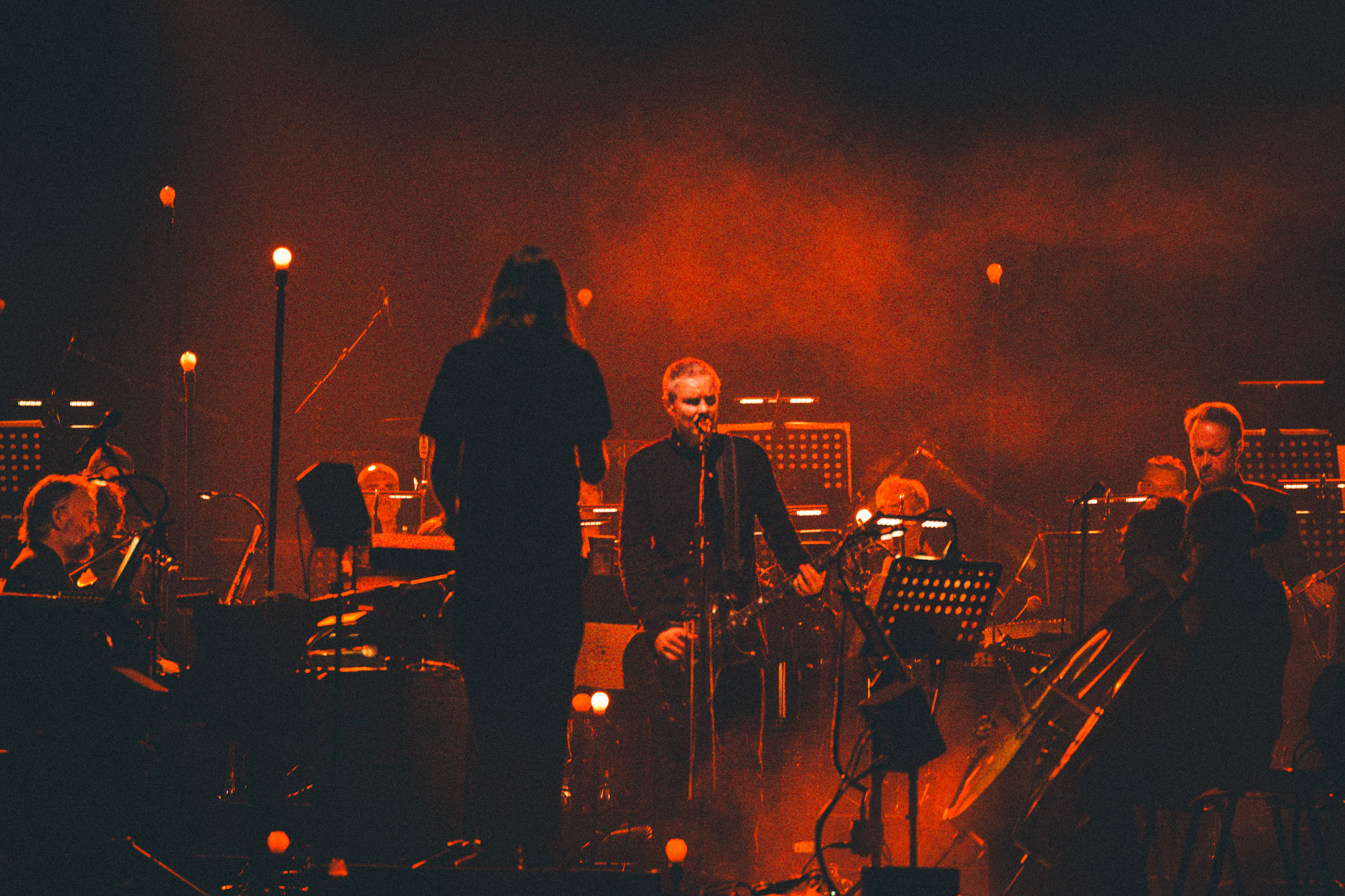
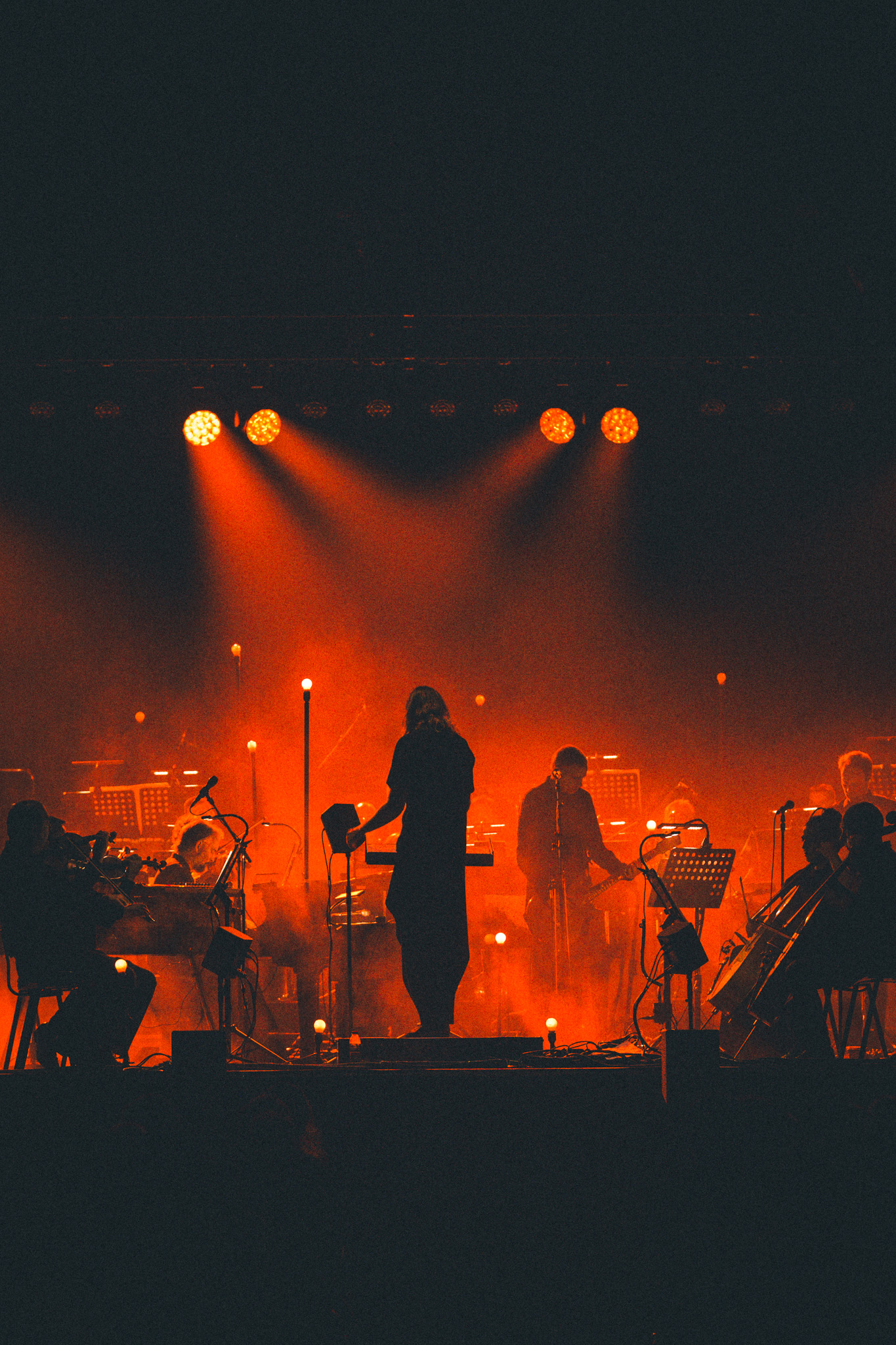
Hearing that catalog backed by the Orquestra Sinfonietta de Lisboa felt like the ultimate realization of their vision. Every added layer of instrumentation continuously elevated Sigur Rós’ already stunning compositions into soaring symphonic experiences across two profoundly emotional sets.The first set unfolded with remarkable intimate power.
By the fourth song, 8, the mood grew intensely emotional as bright, radiant lights flooded the arena, perfectly mirroring the sheer brilliance and clarity of Jónsi’s voice. Von followed as one of the night’s emotional peaks, drawing passionate applause, but it was with the seventh piece, Starálfur that the texture dramatically transformed.
The instantly recognizable opening notes sparked immediate warmth across the crowd, and as percussion finally entered the soundscape, it injected a rhythmic surge that had the audience bursting with enthusiasm.
Set I came to an exquisite close around 10:05pm with Varðeldur, featuring a mesmerizing moment where a lyric soloist joined the orchestra, leaving the room spellbound.The emotional intensity only deepened in Set II, which opened to massive enthusiasm with Untitled #1 – Vaka. The band and the orchestra seamlessly balanced delicate instrumental moments – such as the beloved Ylur and the orchestra-focused Sé lest with explosive grandeur.
The undisputed climax arrived during Ára bátur, where the exquisite voices of the Coro Ricercare joined the stage to elevate the music to celestial heights. The choir’s participation brought a staggering, resonant depth to the performance, commanding the most thunderous reaction of the entire night.
That triumphant energy carried seamlessly into Hoppípolla, with choir, orchestra, and band harmonizing in pure euphoria. By the time the quiet echoes of Avalon faded out, the room erupted into a standing ovation that lasted for long, uninterrupted minutes. A fitting tribute to a night of overwhelming catharsis.
Stepping out into the Lisbon night with tear-stained cheeks, I realized we hadn’t just attended a concert, but shared in a rare moment of pure, collective grace.
Swing on a Summer Afternoon, or the Great Panoply of Rock ‘n’ Roll
words: Paulo Carmona (edited by Raquel Pinheiro) photos: Ricardo Silva
On 20 June, Silly Boy Blue took to the stage at number 33 on the iconic, almost mythical Rua de Sá da Bandeira, right in the heart of Porto, for what felt like an intimate yet celebratory gathering among friends, invited guests, their audience, and a handful of curious passers-by.
The musical landscape of the band inhabits is no stranger to us – indie rock with a healthy dose of Britpop, together with all the subgenres that naturally gravitate around it.
That said, Silly Boy Blue have its own sound, its own alchemy, and its own style, something that is by no means easy to achieve within the broad ecosystem of that musical universe.
I would like to highlight, from the outset, the vocal work of every member of the quartet. Their voices work together seamlessly, reaching a remarkably high standard of execution. Outstanding.
From Again and Again, through Away We Go, Did You Say Something, This City and Man on a Wire, to Jesus, Temptation and By The Window, the band remains cohesive throughout, navigating a melodic carousel of crescendos and diminuendos that are at times intense and abrasive, at others introspective and bittersweet.
If we close our eyes, we hear a band of gifted young musicians. If we open them, we see a group of grown men who still have all the mojo exactly where it belongs. Funny guys.
words: António Carvalho (edited by Raquel Pinheiro) photos: Ricardo Silva
It was before a nearly full audience that the New Yorkers YHWH Nailgun returned to northern Portugal, after their debut at the Mucho Flow festival last November. Despite being dubbed by an American publication as “the last good band left in New York” (an exaggerated title, in my opinion), it’s clear from the first minute that there’s a spark of originality in their sound.
It’s difficult to define, but it seems easy to categorize it somewhere between post-punk and noise, a wide field in which some no wave bands from their city moved in the eighties. Their music is strongly anchored in Sam Pickard’s drumming, with its fast, elaborate and highly percussive rhythms (the use of rototoms helps immensely), inviting bodies to move.
Zack Borzone’s guttural voice and stage presence are other key elements, although the words he utters are difficult to understand. The sound of Saguiv Rosenstock’s highly processed guitar, achieved with a huge array of distortion pedals, is angular and dissonant, functioning almost like a second voice.
Dissonance is also present in Jack Tobias’ synthesizers, in a tone that is sometimes urgent, sometimes serene. The combination of these elements, meticulously interpreted, ever present and full of shifts and small explosions, results in something that confirms the cliché “first you find it strange, then it becomes ingrained.”
They began by playing their second album, released weeks ago, which curiously is only 11 minutes long and has 10 tracks, all around the minute mark. I even think they played it in its entirety, just like the tracks from their debut album that came after, released last year.
Zach immerses himself in his lyrics, as if exorcising inner demons, which contrasts with his angelic and contemplative pose between songs, looking at the faces in the audience. In less than an hour, they left people wanting more, as if they could deliver it and we could process it.
They have a somewhat mysterious and haunting appeal (perhaps that’s why the legendary 4AD recently signed them) and are the result of a successful experiment, such is the unique and cohesive outcome.
They’re not a band for the masses, but there will certainly be a vast minority who will want to get to know them and exchange strangeness for familiarity.
words: Paulo Carmona (edited by Raquel Pinheiro) photos: Ricardo Silva
Everything seemed suited to the project’s sound. The atmosphere, the space, the audience, and the time of the show.
It was just after 7.45pm when I’A’V entered the venue to present one of the most original Portuguese projects I have heard in recent years.
They came to present their first work: Volatile Poem, and I want to begin with the instruments used: cello, transverse flute, samplers and voice.
The sonic world of this project, featuring Inês Malheiro, Arianna Casellas and Violeta Azevedo, brings us fresh, atmospheric, spiritual and soothing environments. They navigate calm waters of musical poetry, blended with soft colours and gentle breezes.
Very well prepared and perfectly coordinated with each other, they create a symbiosis of musicality, with richly crafted arrangements and beautifully explored silences where the music breathes and lives by itself. The vocalisations evoke the songs of sirens: calm and seductive.
At the end of the enchantment, I had the opportunity to speak with the members of the project, who shared with me that when they came together to create this work, they were aware that they were three people with different musical structures and distinct languages. It was through this fusion of experiences and life journeys that they naturally connected, creating their own identity.
Without pressure, without preconceived ideas. They allowed the music to flow naturally, and the project’s sound took shape.
A toast to symbiosis! It is from ideas and fearless experimentation that things like this emerge.
On 16 June, the intimate venue operated by Lovers & Lollypops in Porto hosted a performance by percussionist Alex Lazaro, who presented material from Alocades, his first solo release.
The concert formed part of the venue’s ongoing programme dedicated to contemporary experimental and exploratory music, continuing the independent promoter’s long-standing commitment to emerging and unconventional artistic practices.
Lazaro approached the evening with a performance centred on percussion not merely as a rhythmic device but as a primary compositional language. Working with instruments including marimba, vibraphone and rototom, he constructed pieces that balanced repetition, texture and movement.
Rather than relying on conventional song structures, the performance unfolded through gradual developments in timbre and dynamics, creating a listening experience that emphasised detail and spatial awareness.
Throughout the set, the physical dimension of performance remained central. The relationship between body, instrument and sound became an integral part of the presentation, with gestures and movement contributing as much to the visual identity of the concert as the music itself. The result was a performance that occupied a space between concert, sound art and choreography, allowing audiences to engage simultaneously with sonic and physical forms of expression.
The acoustics and proximity offered by the Lovers & Lollypops venue proved particularly suited to the material. Subtle resonances, sustained tones and rhythmic shifts could be perceived with clarity, reinforcing the immersive character of the compositions. The setting encouraged attentive listening and highlighted the intricate relationships between the various percussive elements employed during the performance.
While Alocades serves as Lazaro’s first solo statement, the musician is already recognised for his collaborative work, most notably alongside Colombian composer and producer Lucrecia Dalt.
That experience is reflected in an approach that favours sonic exploration over genre conventions, combining contemporary percussion techniques with a broader interest in texture and atmosphere. The Porto performance demonstrated how those influences have been adapted into a distinct artistic language centred on percussion as both musical and performative expression.
The concert also reflected the broader curatorial identity of Lovers & Lollypops.
Alex Lazaro’s appearance in Porto was therefore more than a presentation of new material. It offered a focused exploration of percussion as a multidimensional practice, one in which sound, movement and space interact continuously.
In a programme increasingly defined by curiosity and experimentation, the concert stood as a concise example of the type of work that continues to find a home within Porto’s independent music community.
words: Paulo Carmona (edited by Raquel Pinheiro) photos: Daniela Tedim
Ladies & Gentlemen — welcome to the celebration of sound.
I cannot remember attending a concert at the Porto Coliseum, and there have surely been well over fifty by now,with such outstanding sound. And this is precisely where I want to begin. Credit must be given to the entire team of musicians and technicians who allow us to experience music in its purest and most beautiful state.
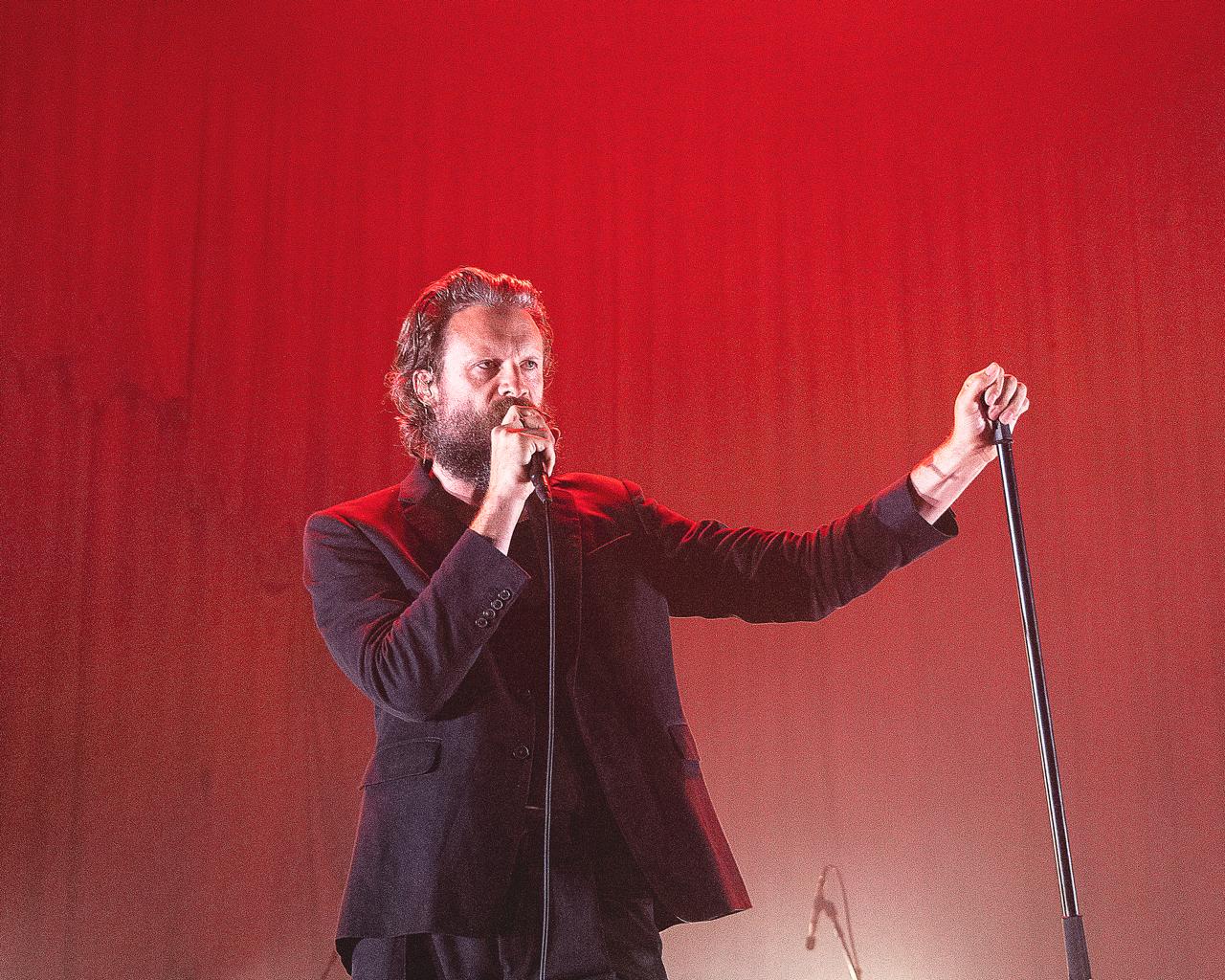
Father John Misty appeared on stage in all his musical splendour, surrounded by musicians capable of performing at the very highest level of what I consider quality music.
What happened there was magic. It was moving, overwhelming, and capable of making the hairs stand up on the head of even a centenarian with no hair left to stand. Everything in that music was perceptible, everything was tangible, everything was everything.
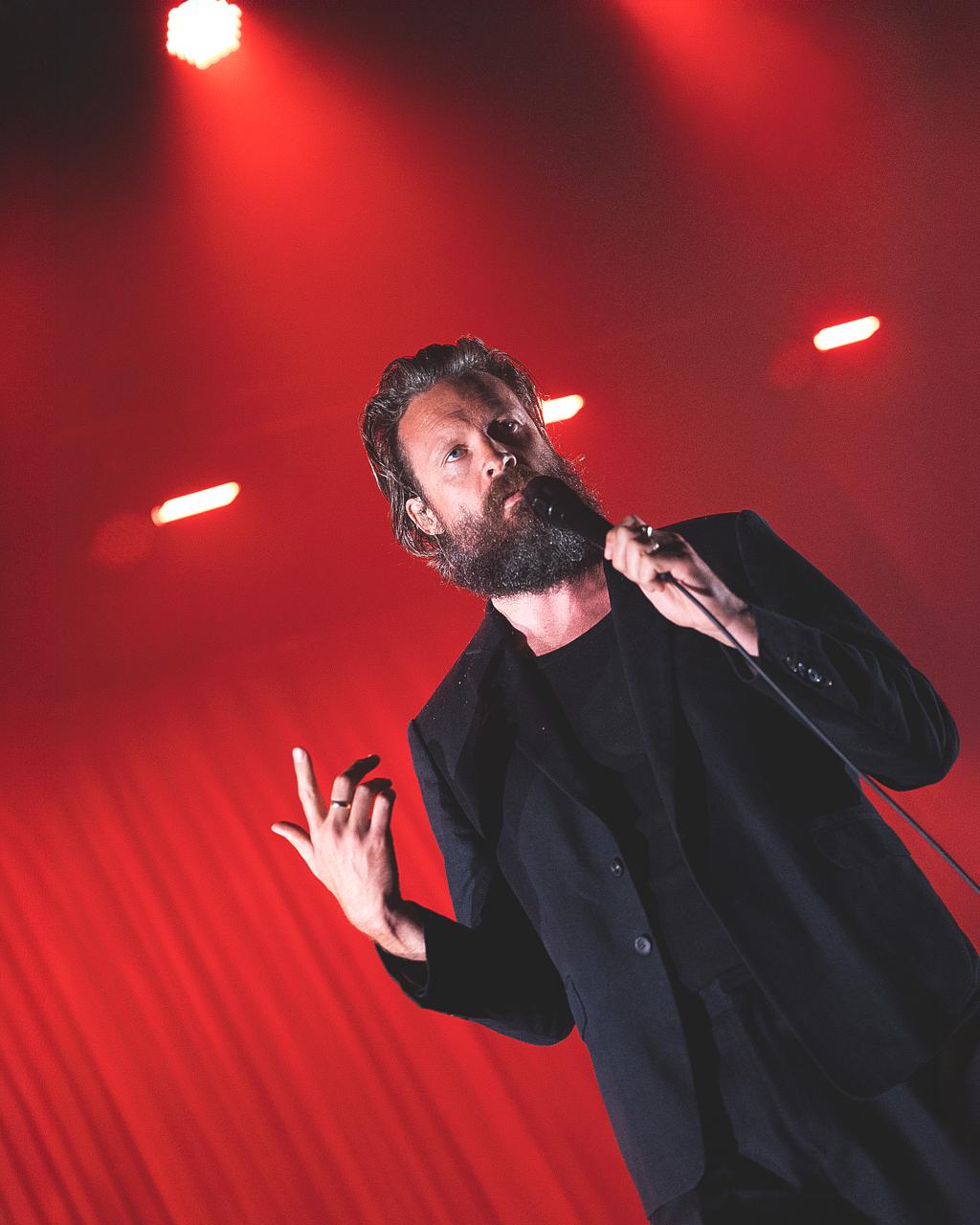
A consummate performer, possessing the natural poise of his essence as a cult artist, he wandered across the stage like a siren whose song captivates the audience with a visceral diplomat’s passport.
With a set built around 21 songs from his already long career, which from the very first second sent the audience, who almost completely filled the Coliseum, into raptures, there was no shortage of favourites such as Mr Tillman, Chateau, Buddy’s Rendezvous, Mental Health, the joyfulness of Novel contrasting with the nostalgic introspection of Magic Mountain and the agonised, warlike energy of Payoff in flashes of rhythmic poetry. She Cleans Up, of course, and finally the magnificent Mahashmashana.
That scarlet red backdrop, the deep blue tones and the lighting did the rest, and everything was simply… just perfect!