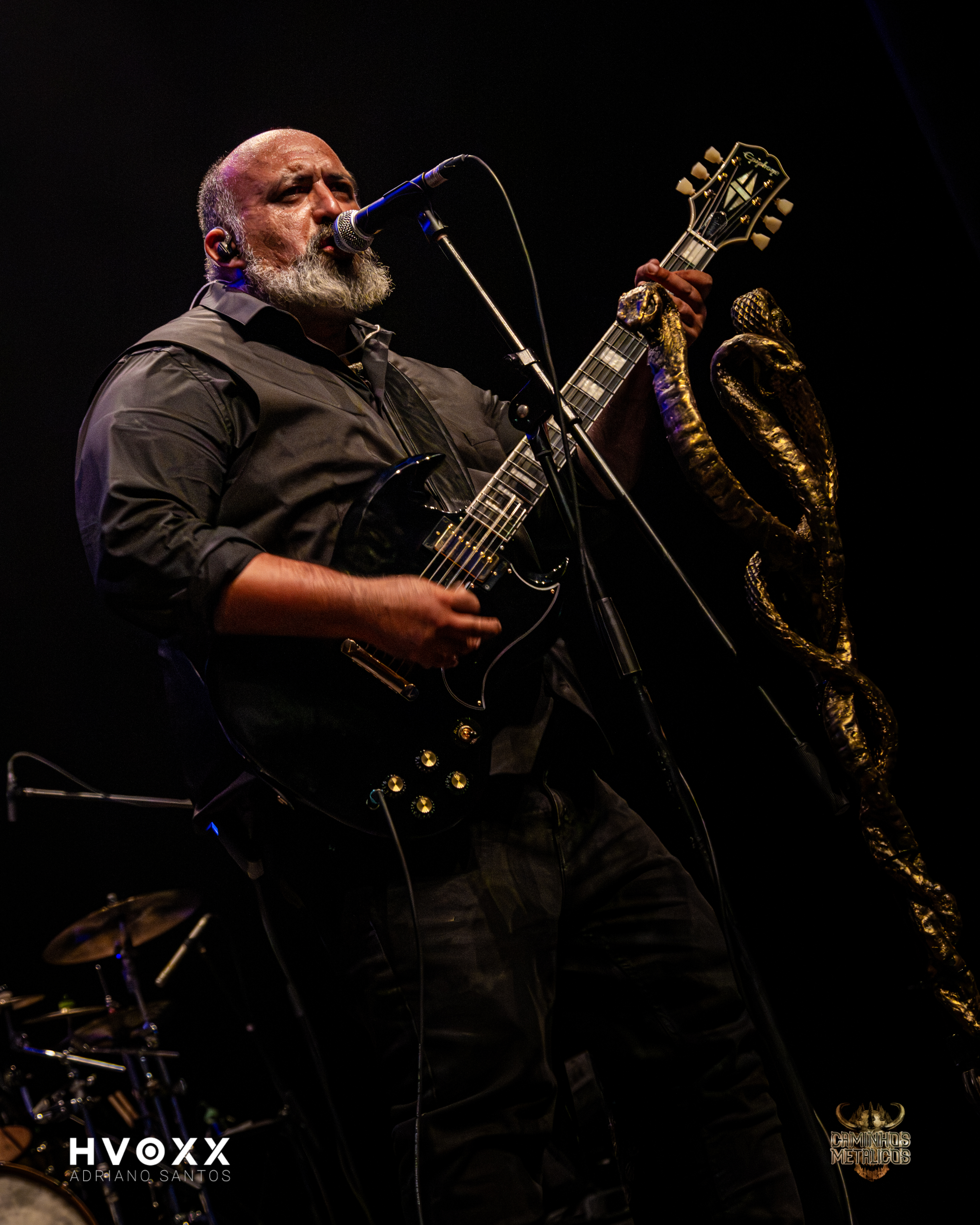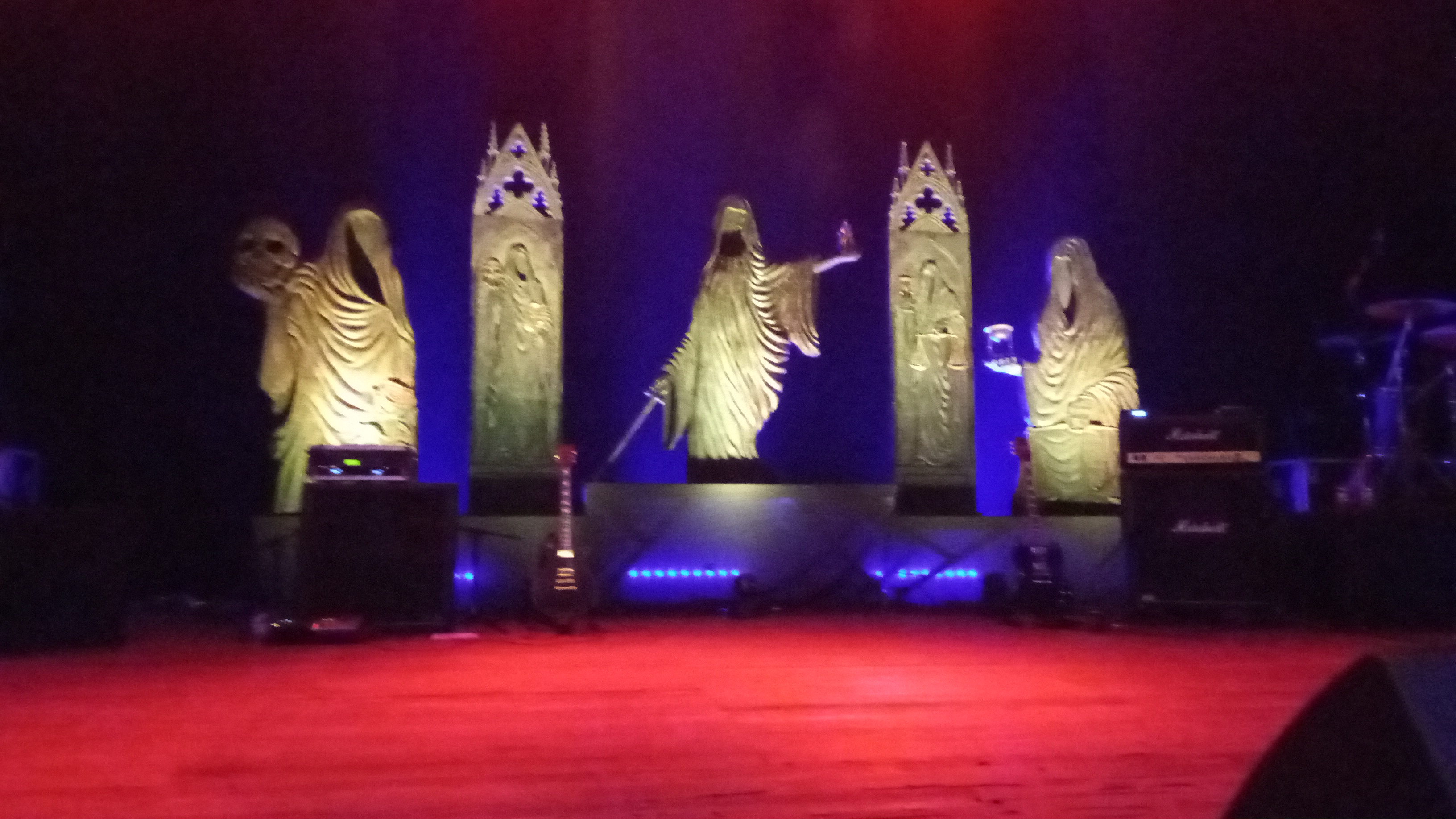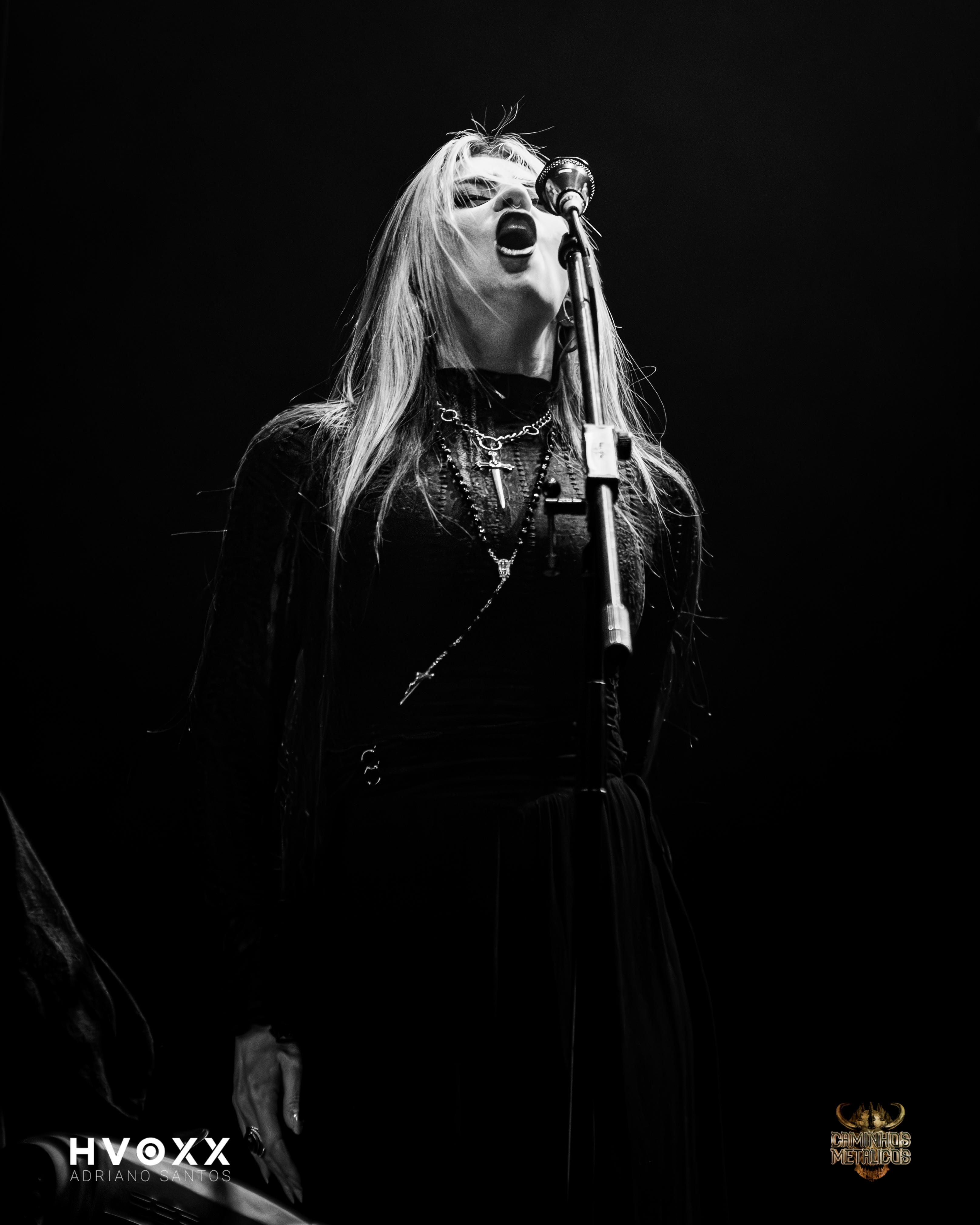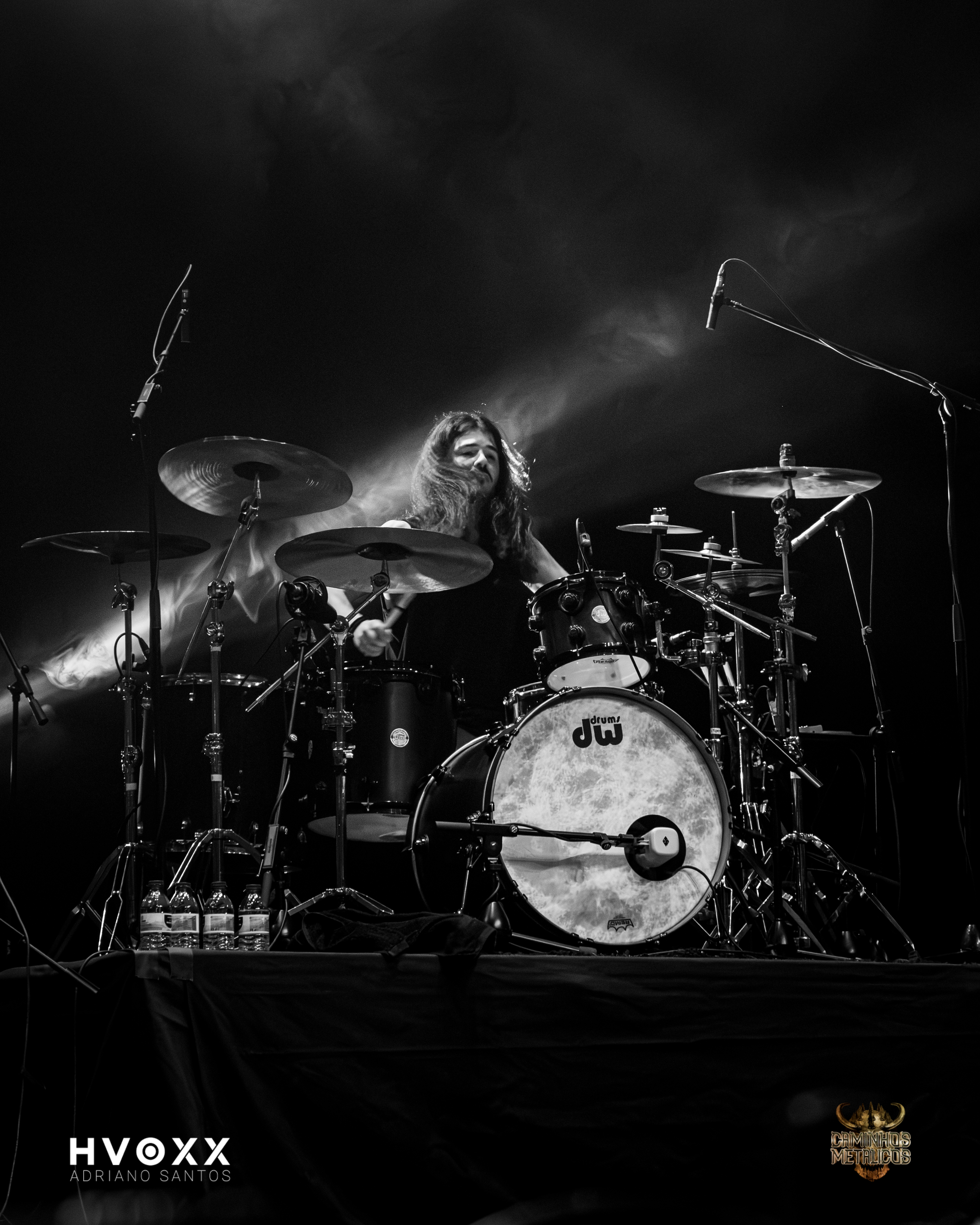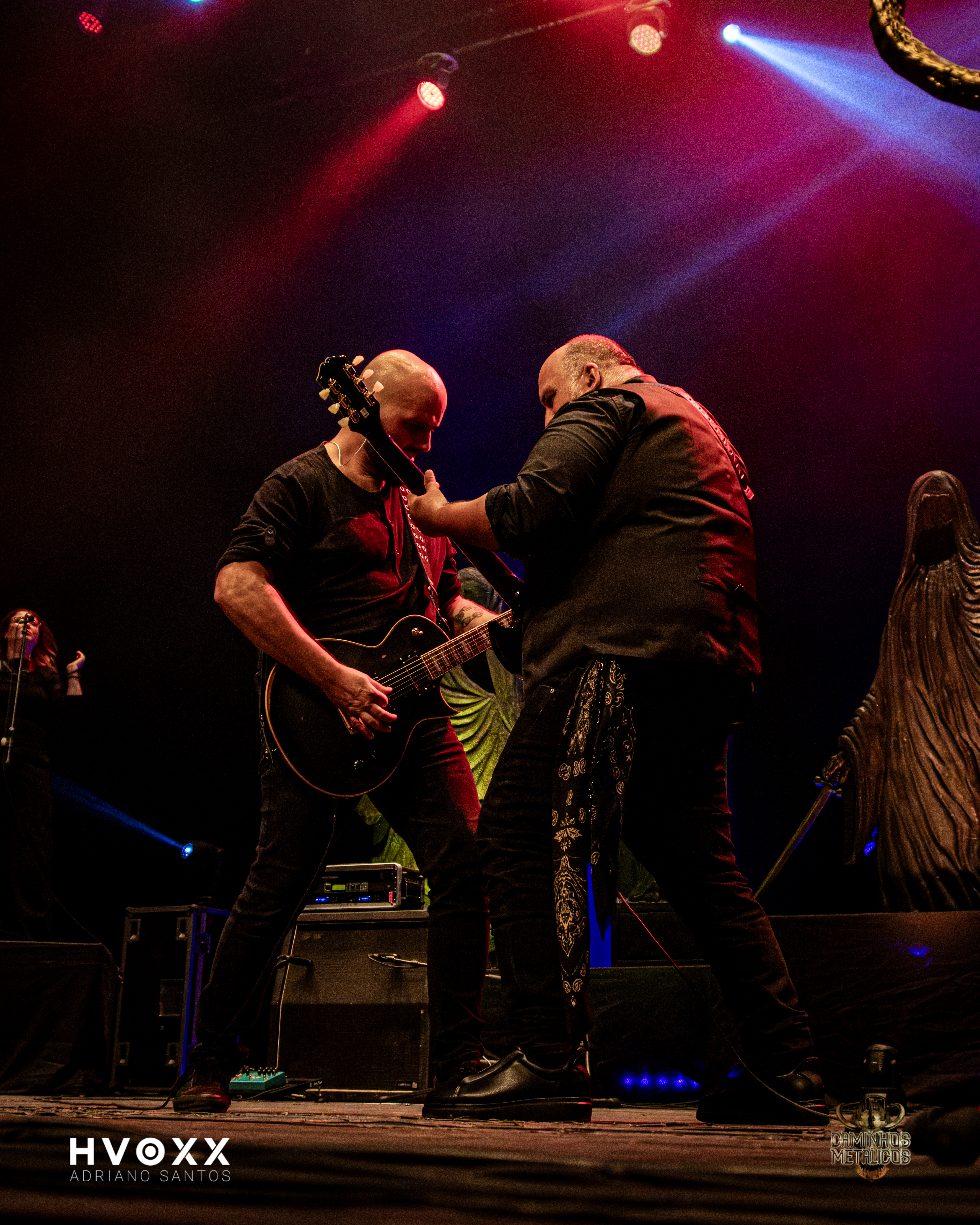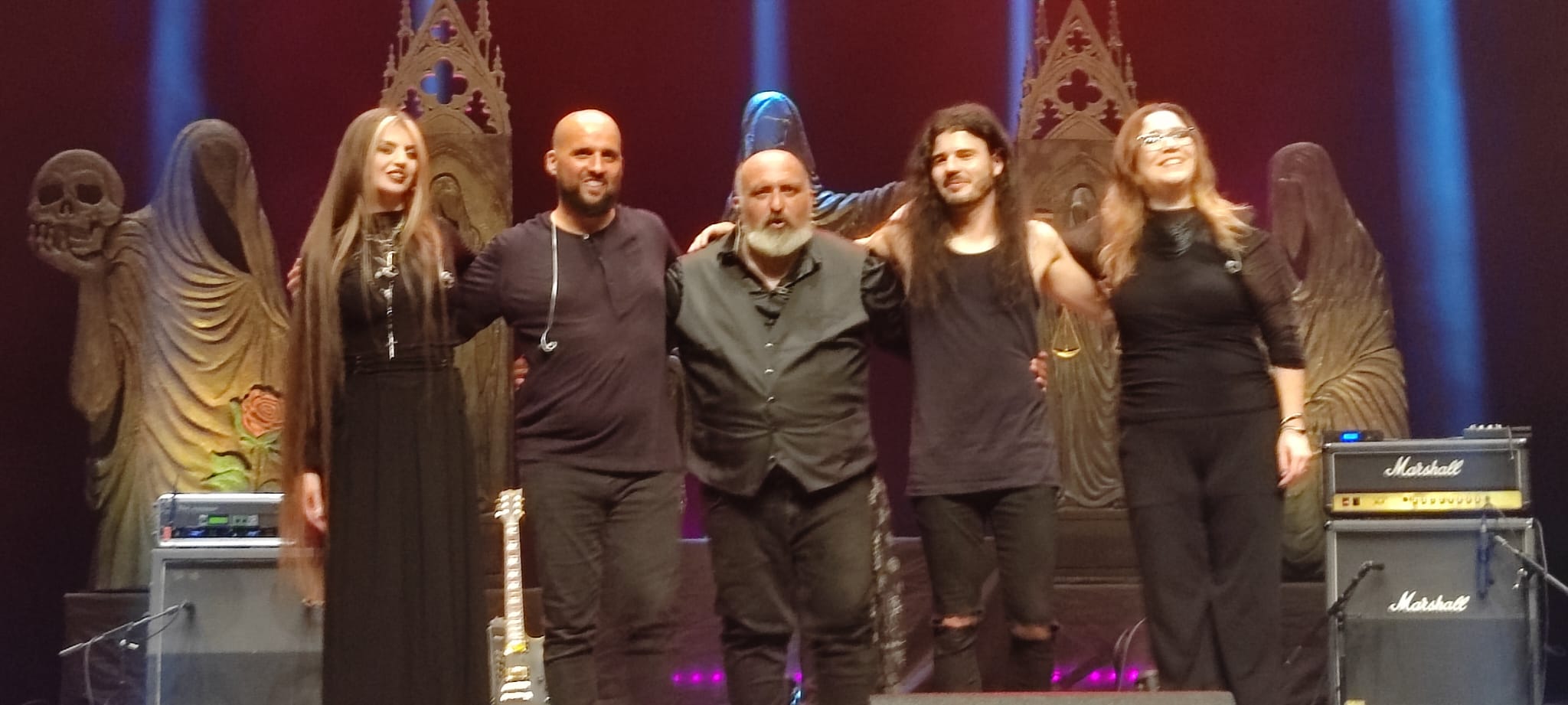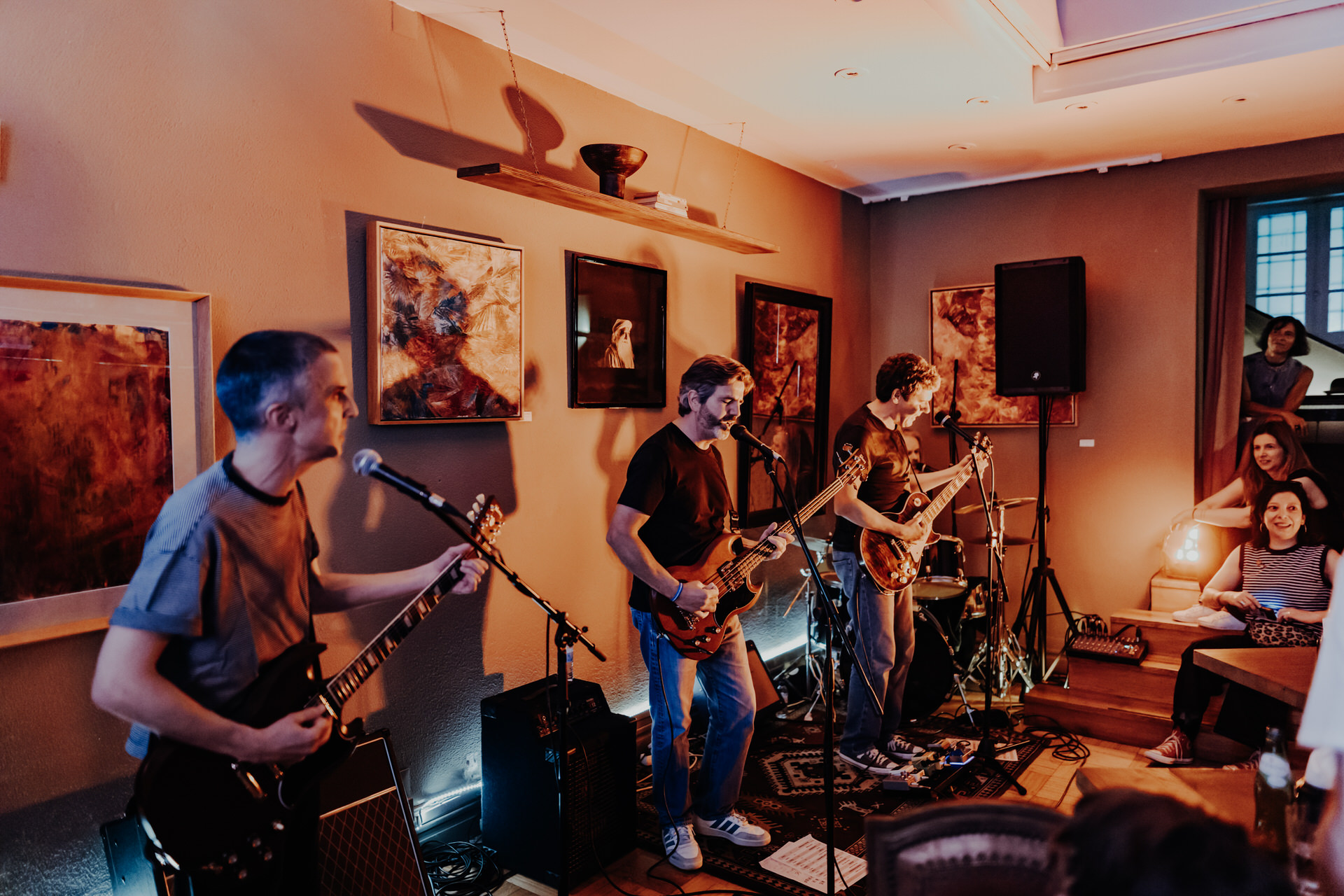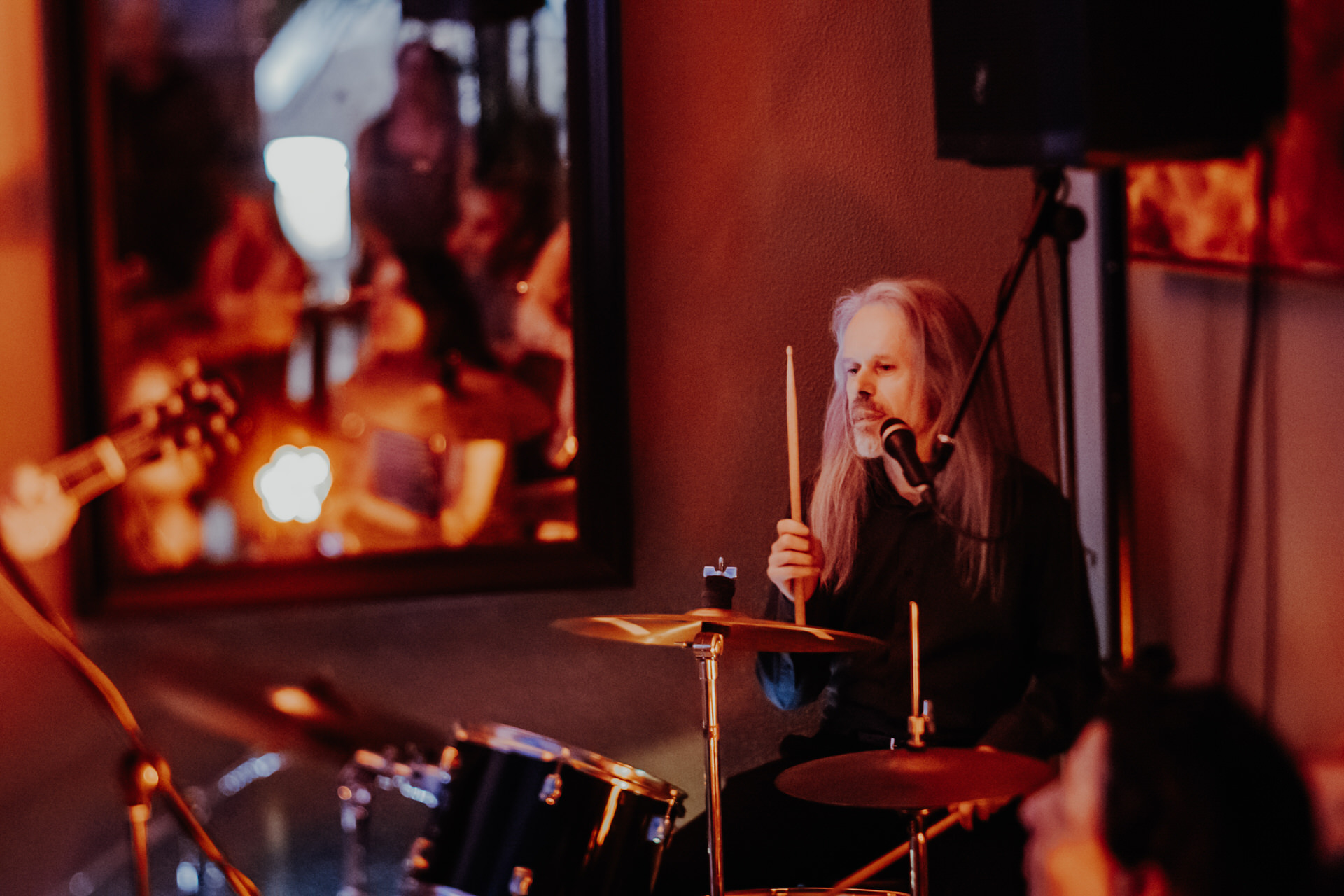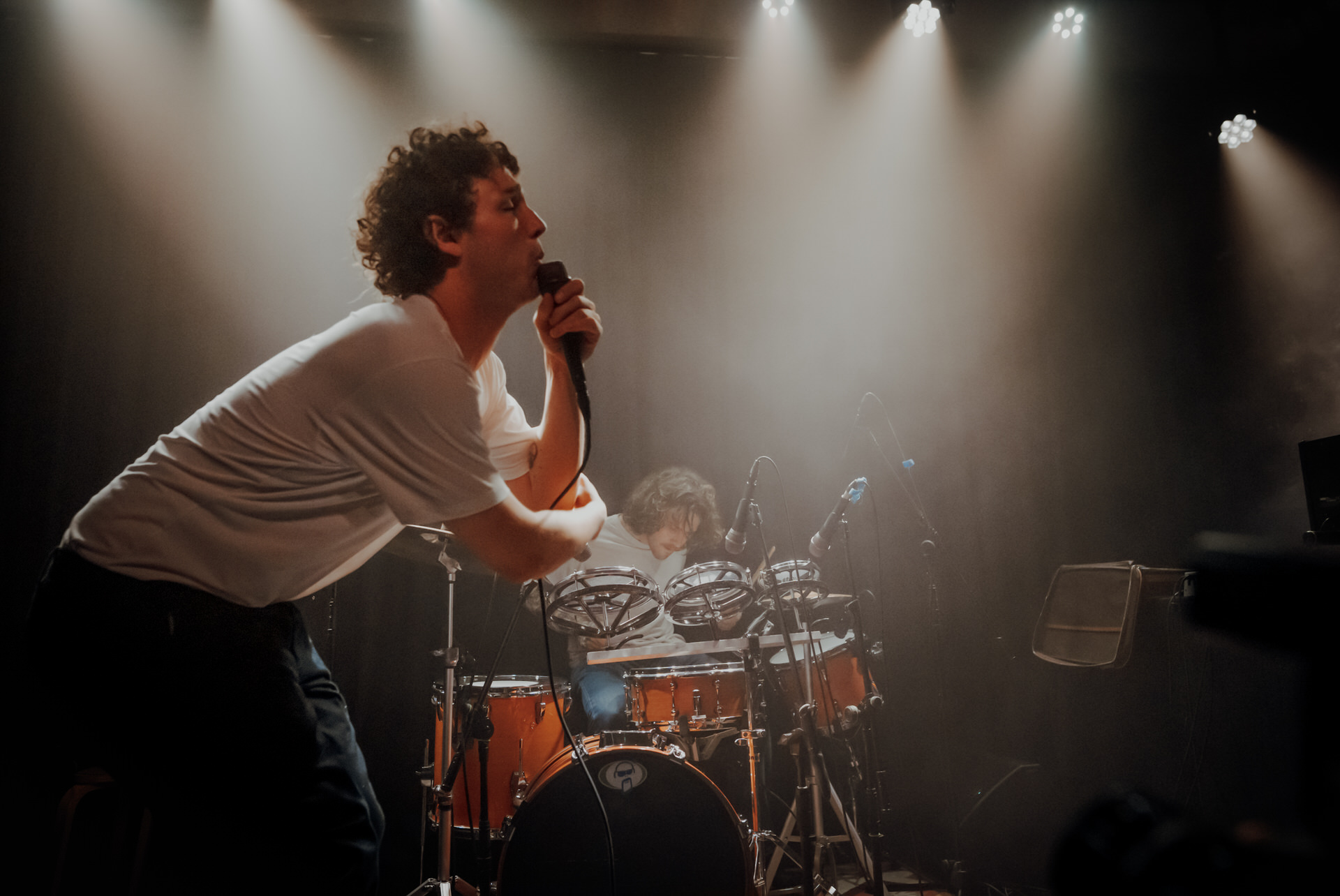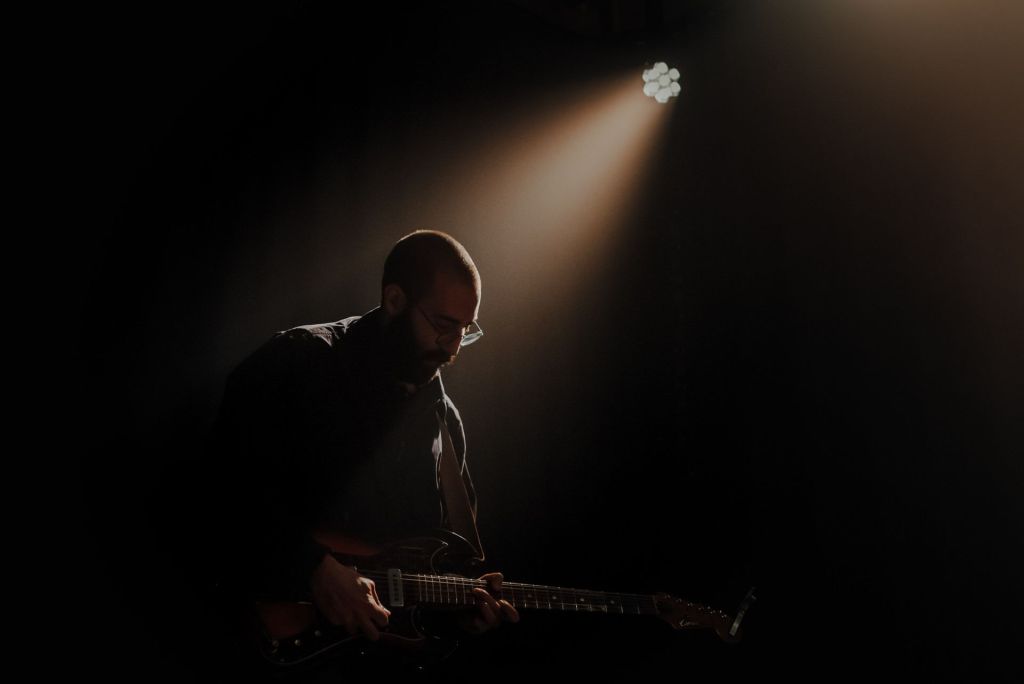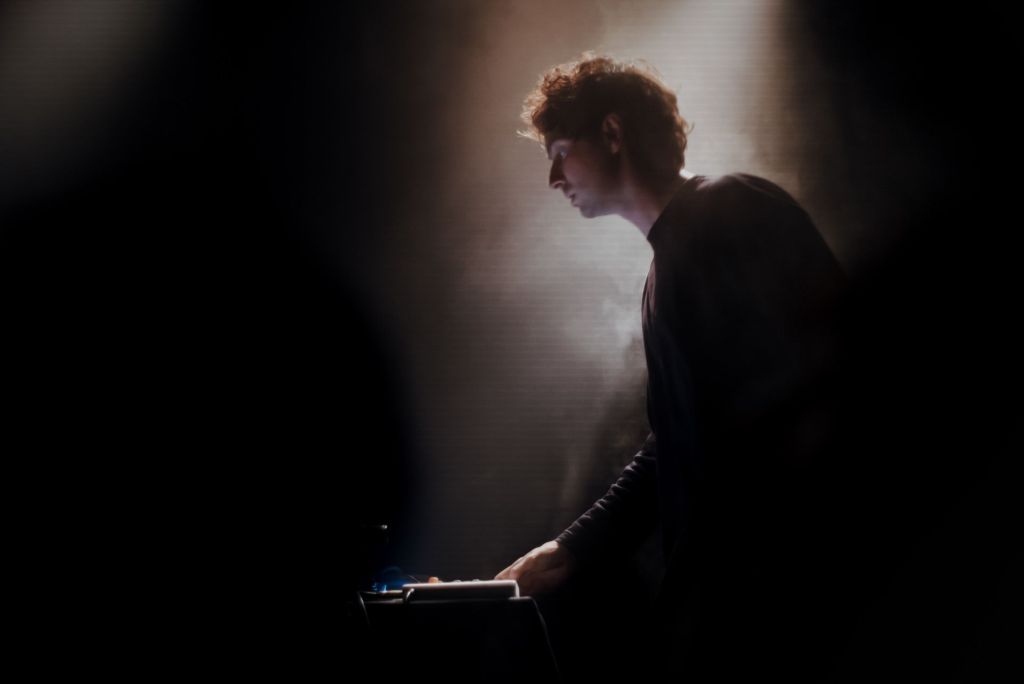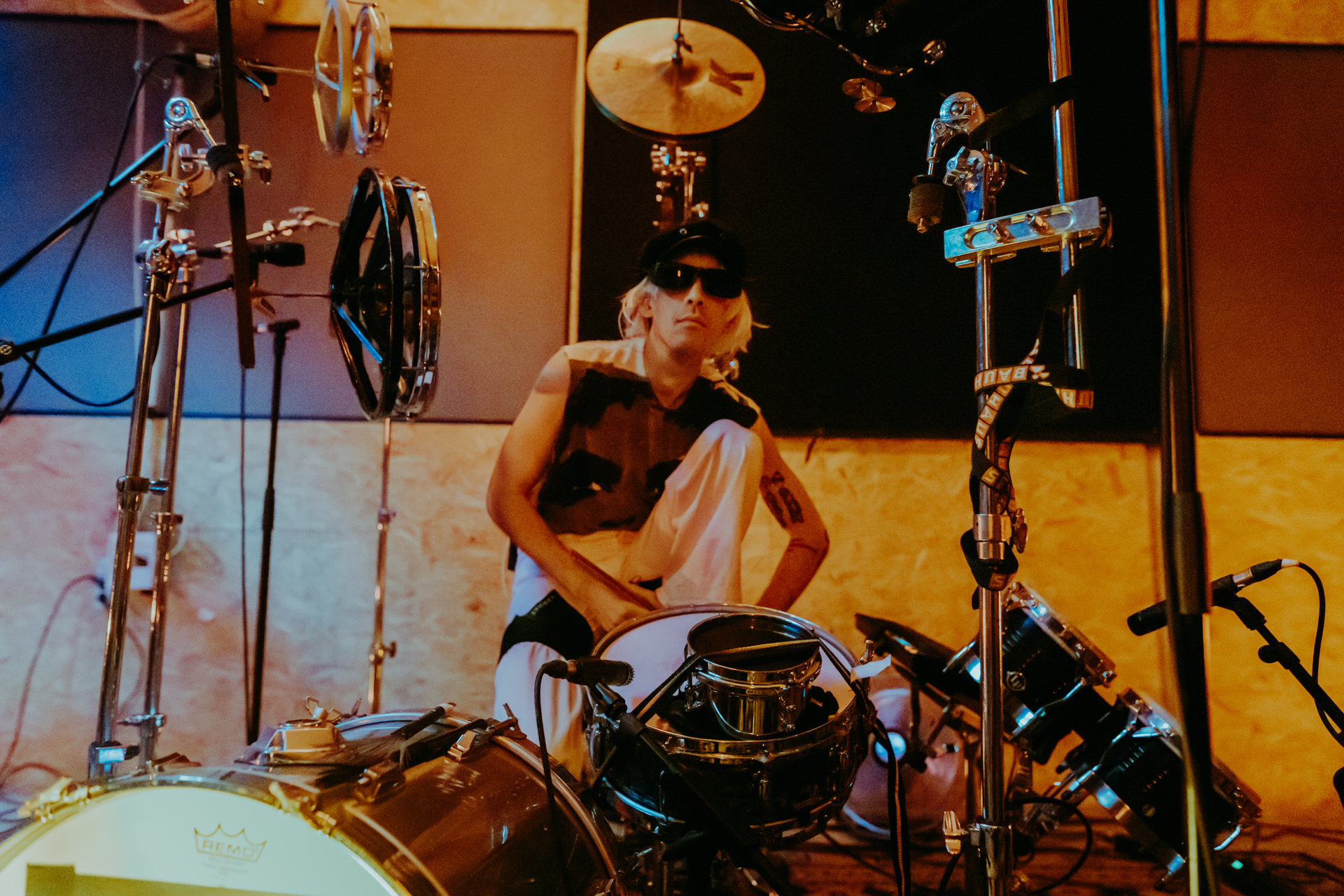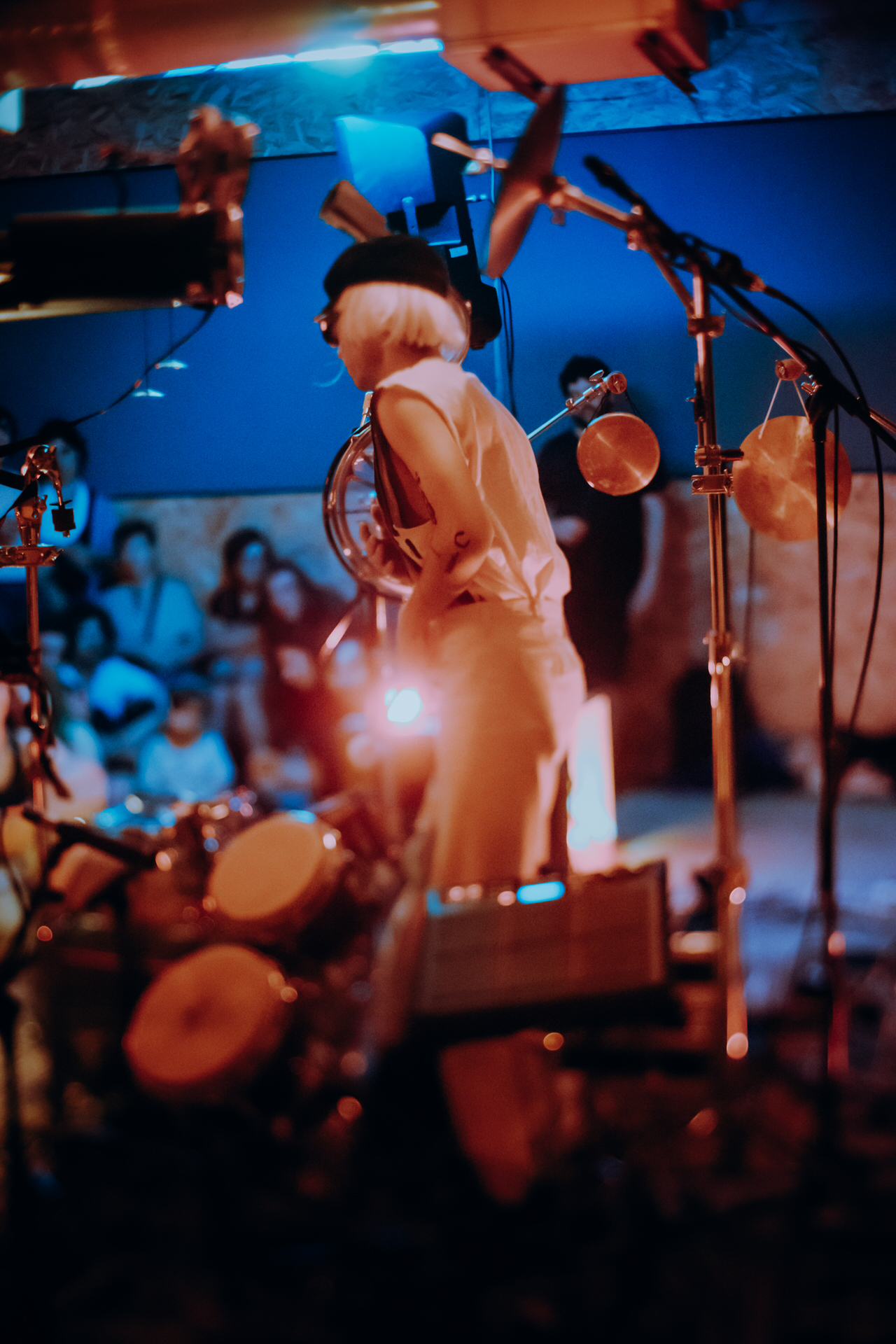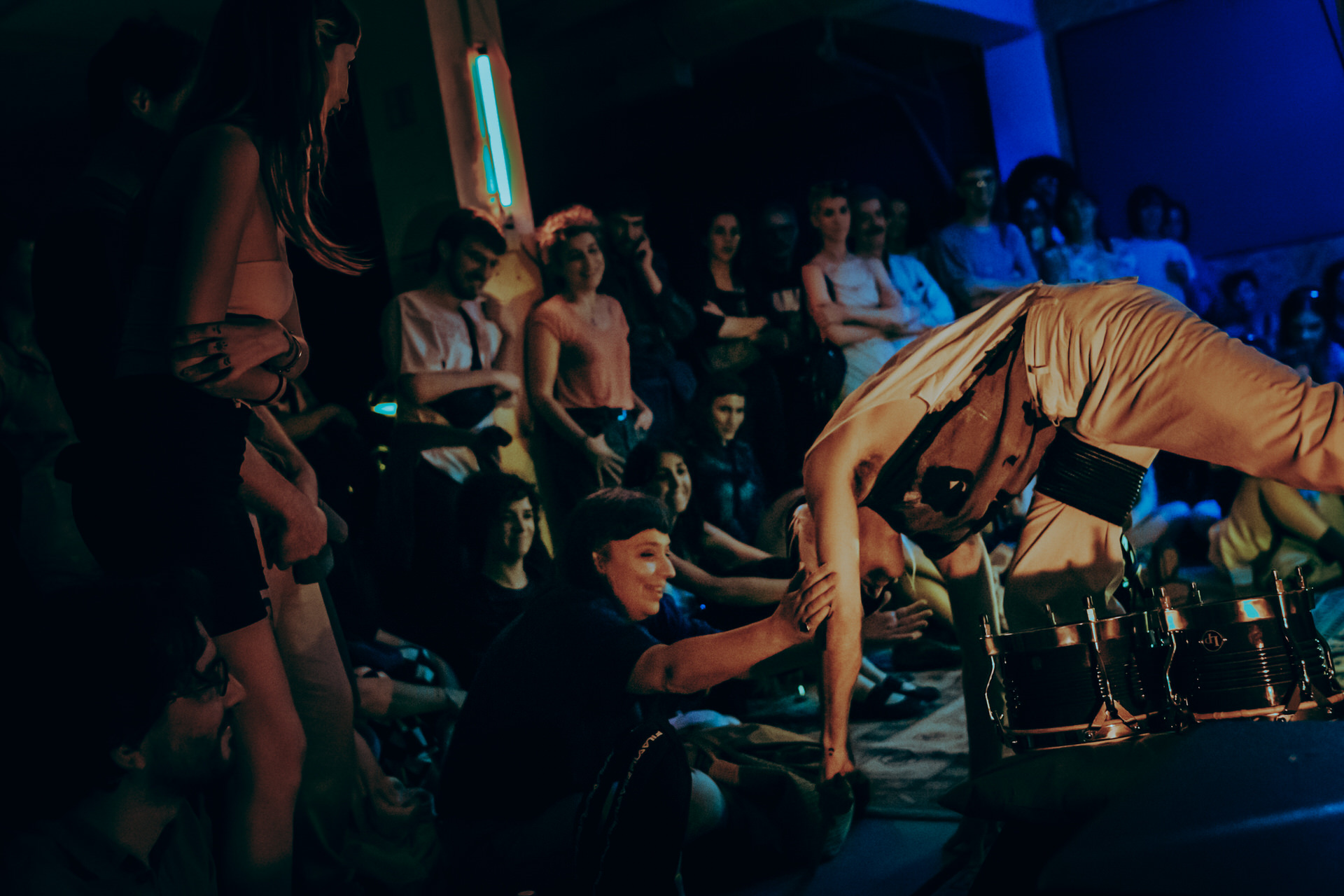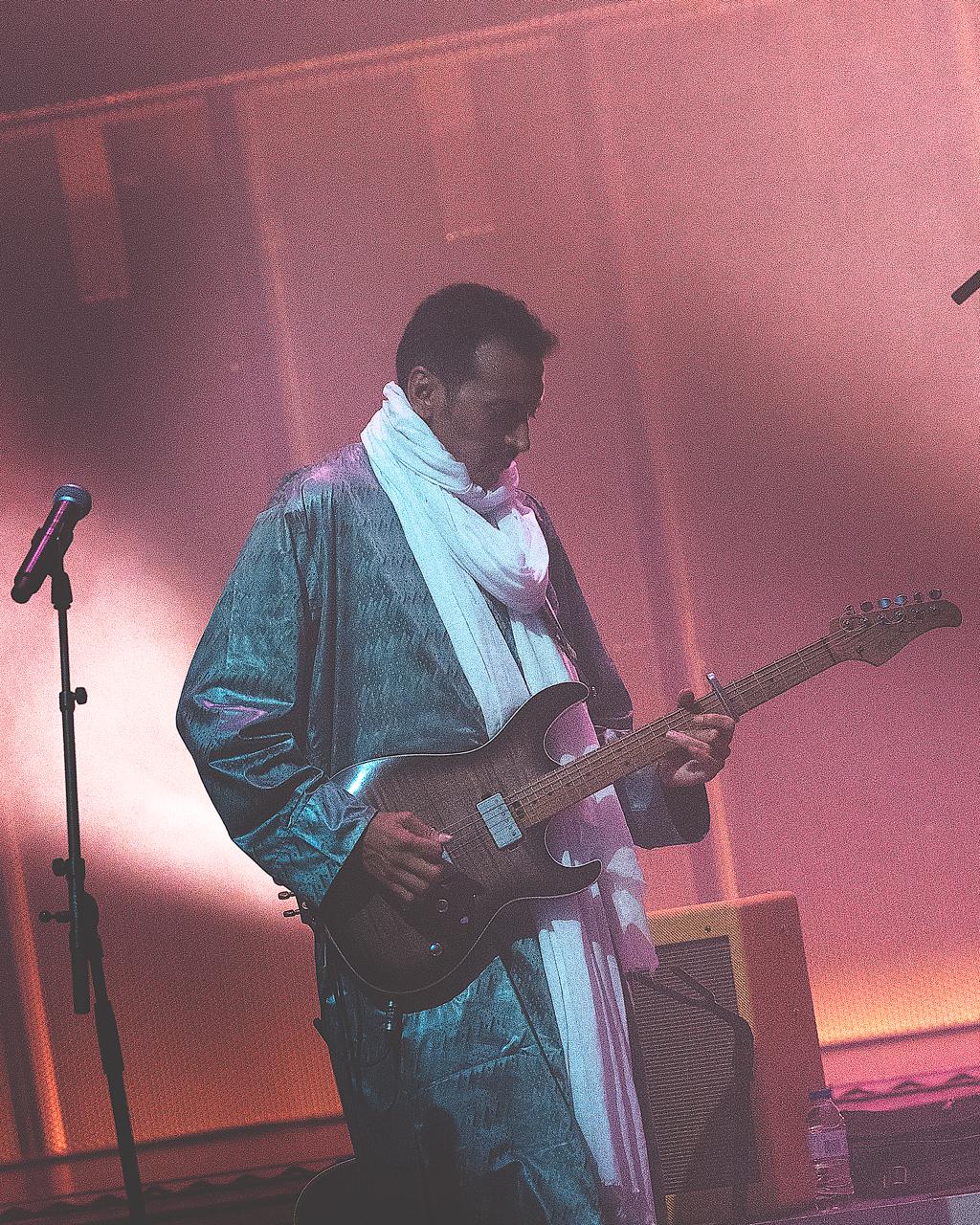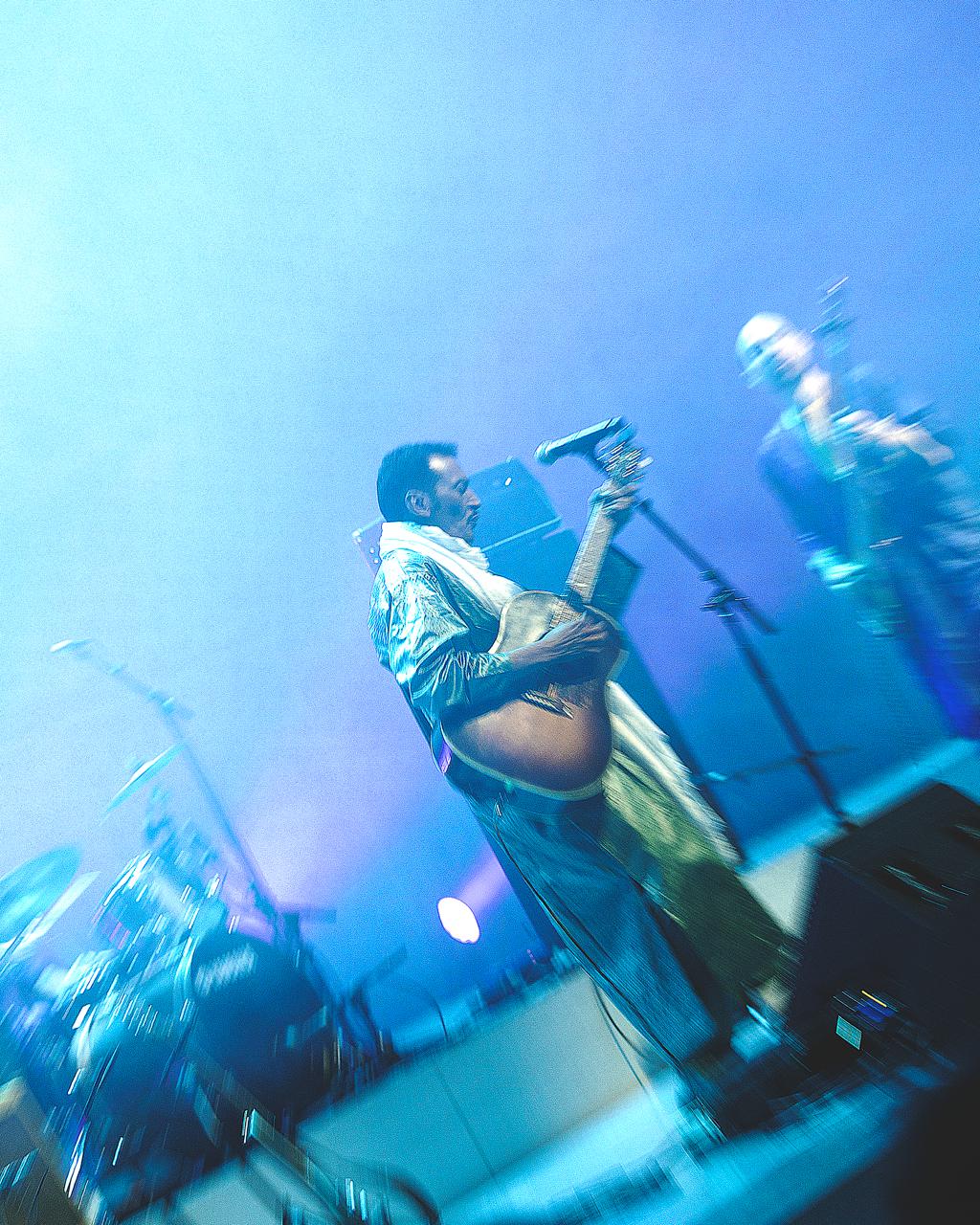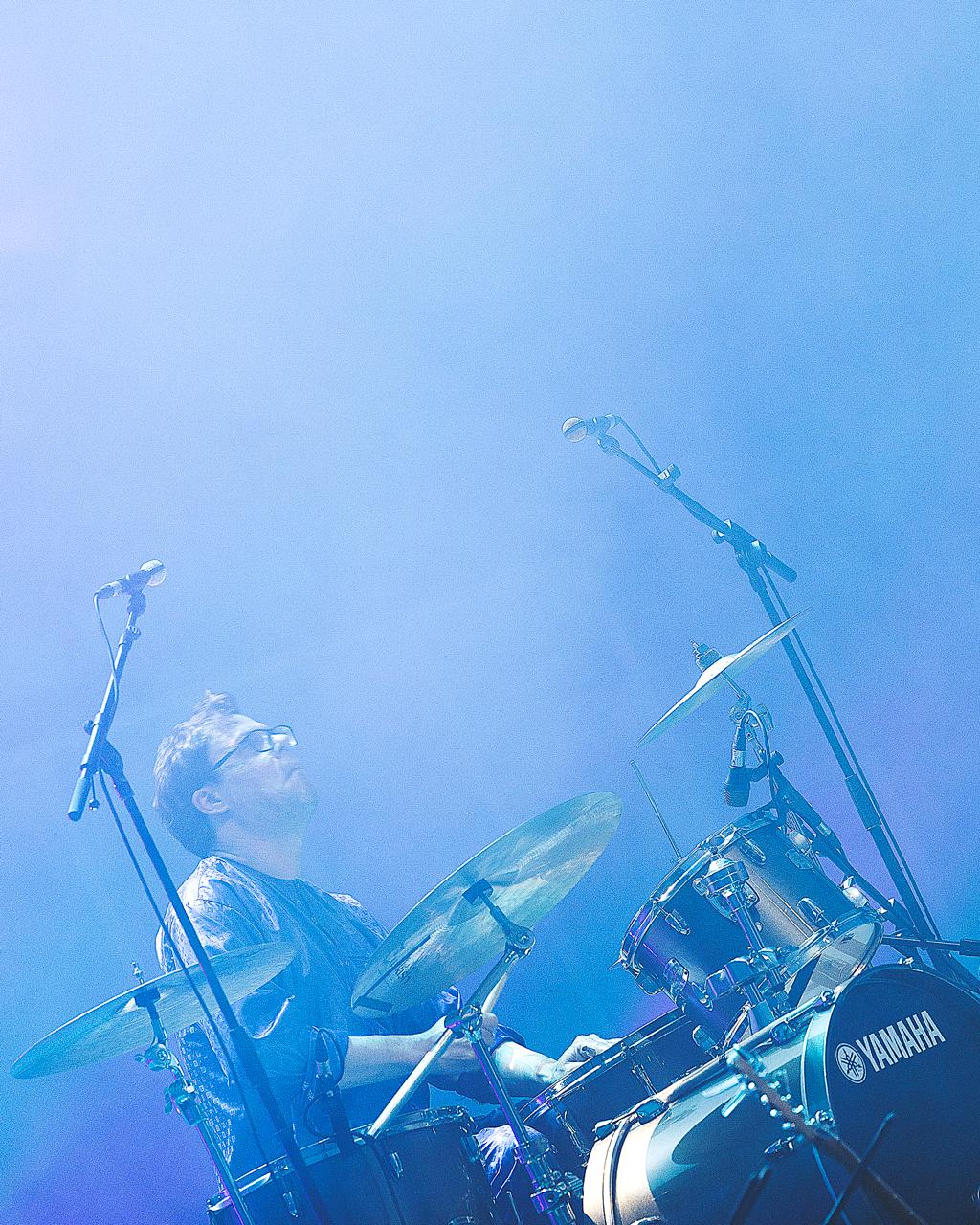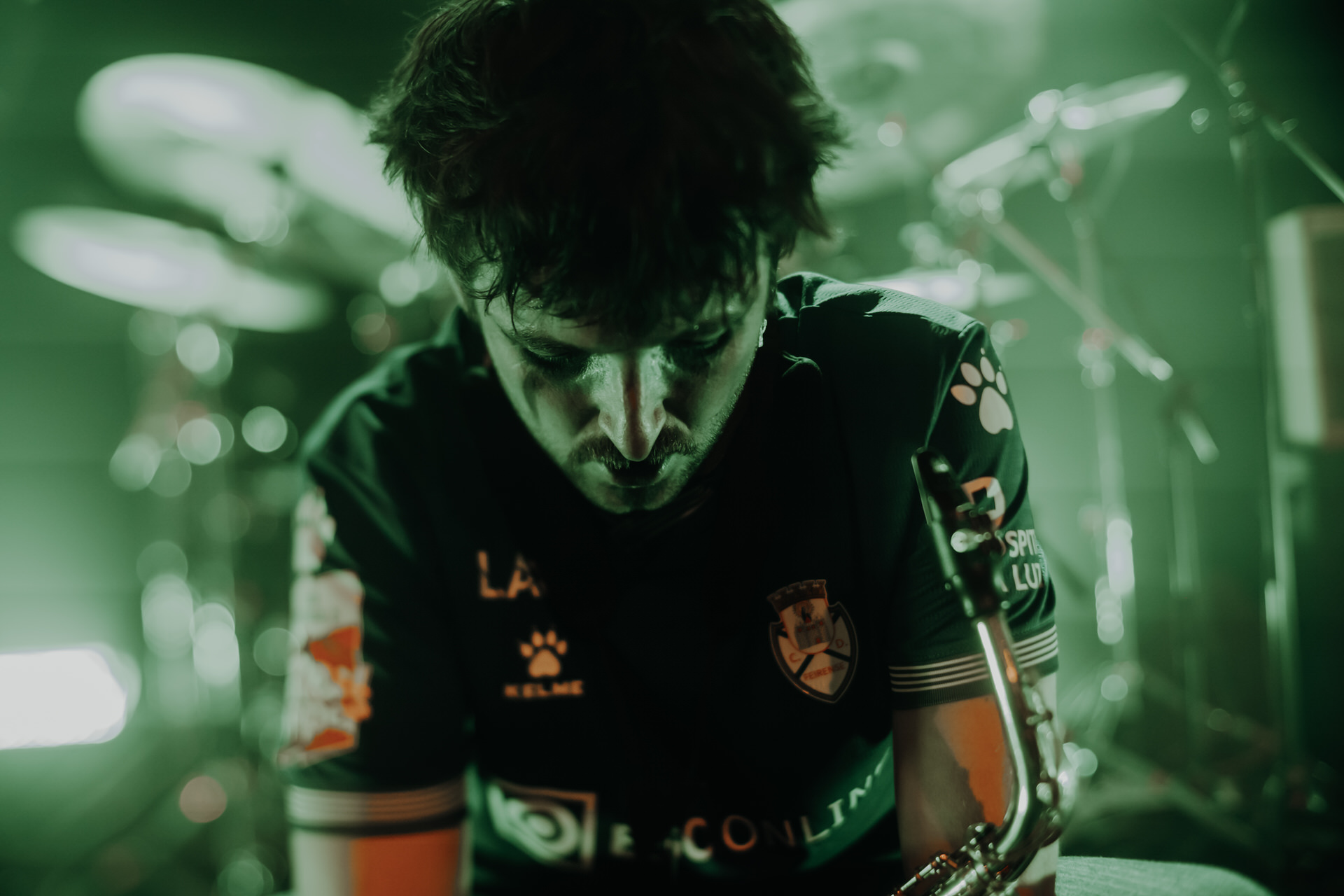
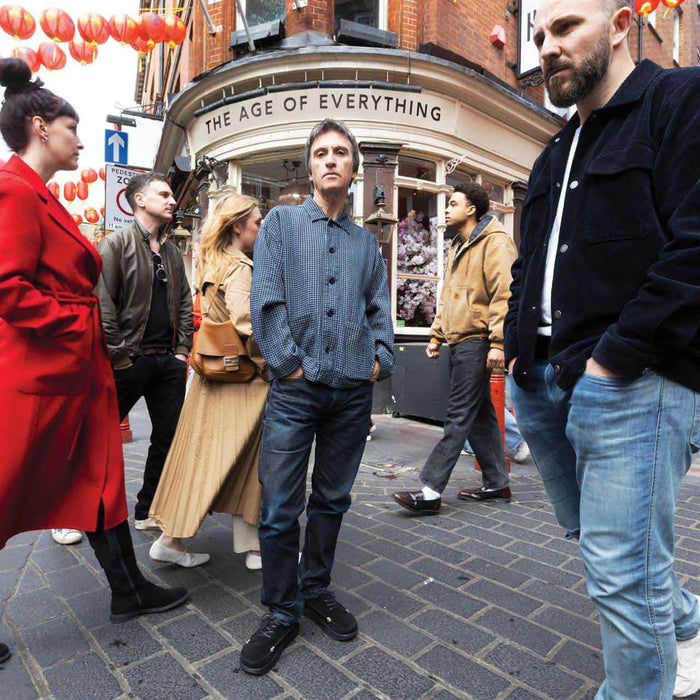
Bombino, Casa da Música, Porto, 31.05.2026.

© Mondo Bizarre Magazine/Daniela Tedim

With All The Feeling and Soul In The World

words: Raquel Pinheiro
photos: Daniela Tedim

Presenting songs from his latest album, Sahel (2023), Bombino returned with the hypnotic blend of desert blues and rock that has made him one of the most distinctive guitarists of his generation.

Often described as a pioneer of Tuareggae, a fusion of traditional Berber rhythms and rock and roll, Bombino sings and writes primarily in Tamasheq. Watching him perform, however, labels quickly become secondary to the experience itself.

The concert began acoustically. Bombino, accompanied by drummer Corey Wilhelm and a bassist whose name sadly escaped me, eased the audience into the evening with gentle rhythms and fluid melodies. Dressed in traditional Tuareg garments, the trio immediately established an atmosphere that felt both intimate and expansive.

The first songs unfolded with graceful ease. The bass remained smooth and steady beneath Bombino’s singing, while the guitar moved between delicate flourishes and syncopated desert-blues patterns. There were occasional vocal exclamations, almost calls carried on the wind, and moments where the music shifted unexpectedly between melancholy and propulsion.

One particular acoustic number began like a lament, only to transform into something far more rhythmic. What fascinated me was the contrast between the apparent mournfulness of the voice and the increasing momentum generated by the guitar and percussion. It created a tension that felt both ancient and modern.

As the instrumental passages expanded, Bombino and the bassist repeatedly moved face to face, exchanging phrases with a distinctly rock-and-roll energy. The chemistry between them was one of the evening’s recurring pleasures, while Corey Wilhelm’s drumming provided a powerful foundation throughout.

Then came the transition that many in the audience had been waiting for.

The acoustic guitar was set aside and Bombino plugged in.

Instantly we entered the territory for which he is best known: electric desert blues infused with the spirit of Hendrix.

Bombino has often spoken about learning guitar by watching videos of Jimi Hendrix and Dire Straits, and while the influence is present, what emerges is unmistakably his own voice. The economy of movement is remarkable. There are no unnecessary gestures, no theatrical flourishes. The hands move sparingly, yet the sound that emerges is immense.

Addressing the audience in French, Bombino thanked everyone for their support and spoke about the years since his previous visit. The response from the crowd was warm and immediate.

From there the concert steadily gathered momentum. Traditional melodies intertwined with psychedelic textures. Guitar and bass once again found themselves in conversation, sometimes duelling, sometimes dancing around one another. The bassist was extraordinary. More than once I found myself writing the same note in my notebook: “that bass, that bass, that bass.”

One particularly exhilarating piece felt almost like a desert cavalcade. The bass groove was irresistibly danceable, the drums drove relentlessly forward, and Bombino’s guitar soared above it all with long, electrifying solos that somehow felt both effortless and deeply rooted.

As the evening progressed, the audience became increasingly animated. The bassist joked in English that he knew everyone wanted to dance and apologised for the chairs. It was a fair observation. Before long people were standing, moving and swaying wherever space allowed.

I eventually joined those dancing along the upper steps at the side of the auditorium. Down by the stage, one audience member repeatedly appeared, danced enthusiastically and then disappeared again, becoming a small performance within the performance.

The later part of the set moved through a variety of moods. There were moments of traditional singing, extended instrumental passages, slower and almost jazzy sections, and long stretches where the audience clapped along with the rhythm section while Bombino explored melodic pathways on guitar.

By the end, the entire room was on its feet.

© Mondo Bizarre Magazine/Daniela Tedim

One of the final highlights featured a wonderfully grooving drum solo followed by an equally captivating bass feature. Bombino stepped back, danced, and allowed his bandmates to take centre stage before all three musicians returned to a hypnotic, almost primeval groove that felt as though it had emerged directly from the desert itself.

For the encore, Bombino returned alone. Guitar in hand, he began with a solitary groove and a series of twanging phrases before the bassist and drummer gradually rejoined him. It was a fitting ending: a reminder that, whether acoustic or electric, intimate or expansive, Bombino’s music ultimately rests on the power of rhythm, groove and connection.

Desert blues may be the term most often attached to his music, but on this evening it often felt just as much like a rock concert. Not because it abandoned its roots, but because it embraced them with such confidence that they could converse effortlessly with Hendrix, psychedelia, groove and pure rock-and-roll energy.

And judging by the number of people dancing by the end, the audience understood that perfectly.

© Mondo Bizarre Magazine/Daniela Tedim

Maruja | Pomadinha, Mouco, Porto, 24.05.2026.

Maruja © Mondo Bizarre Magazine/Ricardo Silva

words: António Carvalho (edited by Raquel Pinheiro)
photos: Ricardo Silva

Pomadinha © Mondo Bizarre Magazine/Ricardo Silva

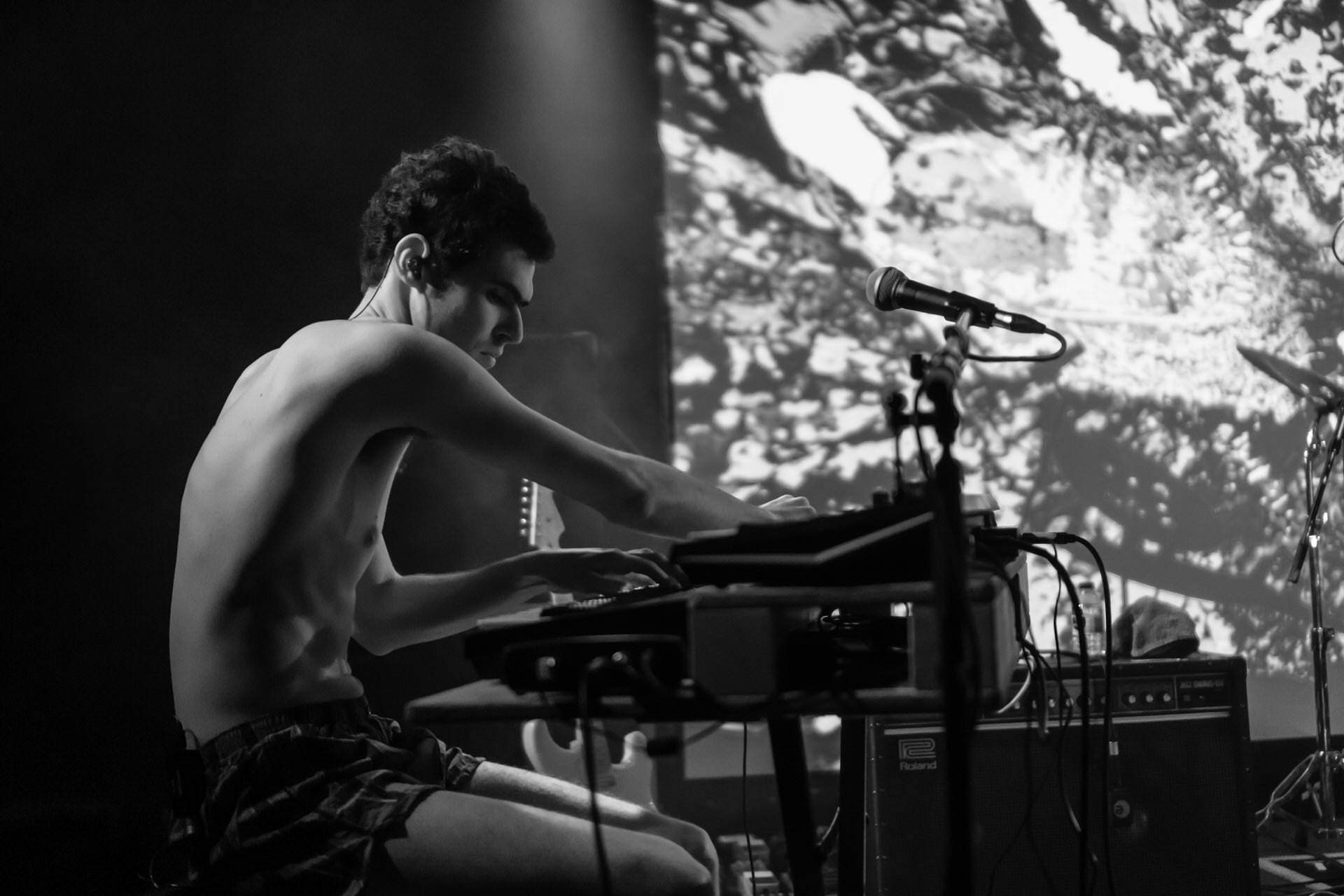
At the appointed hour, Pomadinha, a quartet from Vila Nova de Gaia, took to the stage at Mouco, all dressed only in boxers. For half an hour, they warmed up the audience with their energetic, predominantly instrumental rock, with some humor mixed in. But nothing prepared us for what was to come.

At 9:30 pm, a new quartet took to the stage, all with slight clownish makeup on their eyes.

Harry Wilkinson, the muscular, shirtless vocalist, immediately established a connection with the crowd, greeting some people in the front row and asking for space in the sold-out venue, creating a brief tension.

Although the rhythm section wasn’t very audible in the initial songs, that didn’t stop the crowd from responding, and the mosh pit exploded to the sound of Bloodsport. With a vocal style between rap and punk, Harry criticizes the social pressures on individuals over a sound that is very much the band’s modus operandi: alternating between intense and serene moments, in a dynamic tension/release, and an original blend of musical genres.

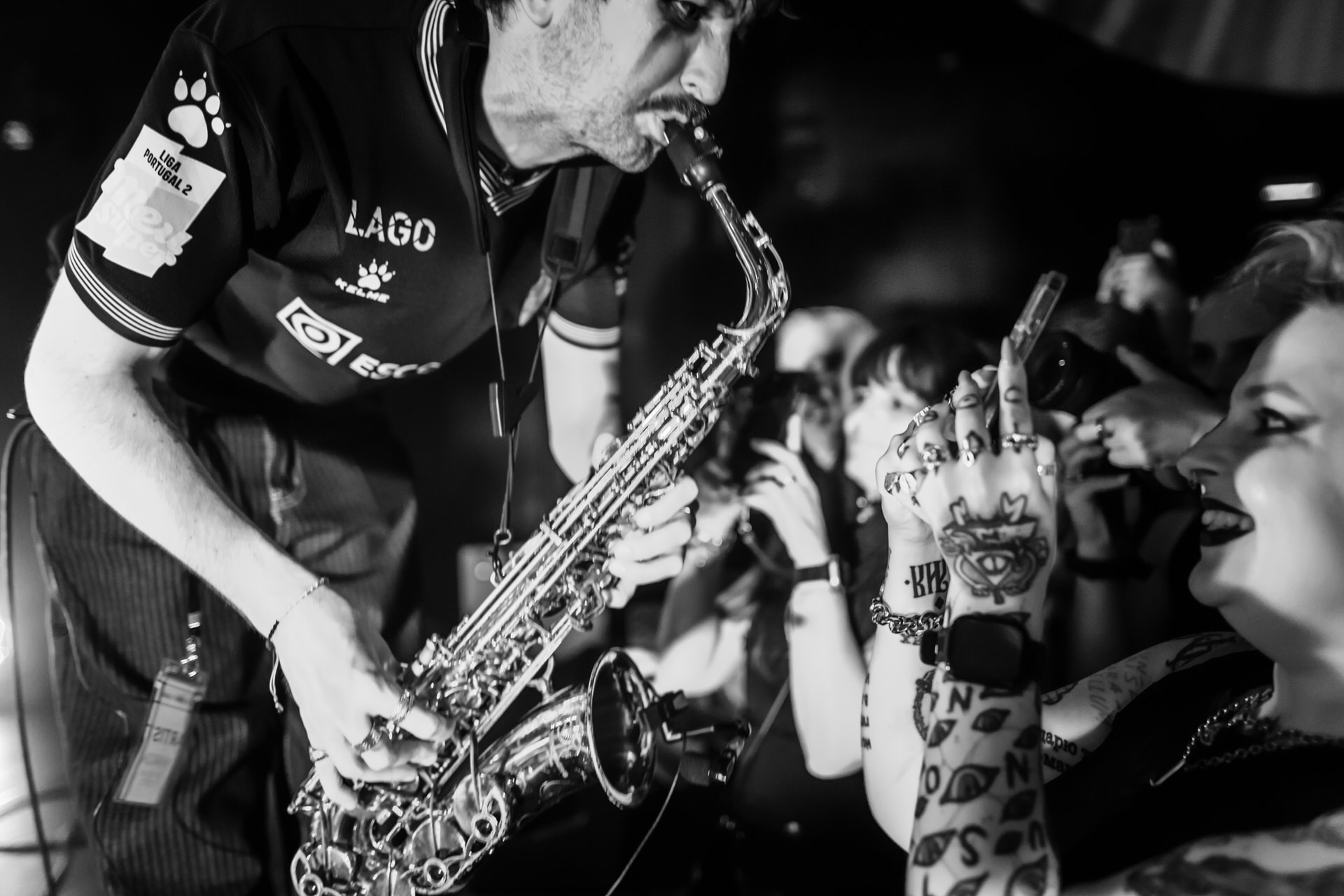
Joe Carroll’s alto saxophone is almost ubiquitous, accompanying the register, sometimes aggressive, sometimes contemplative, where jazz and rock meet. Trenches infuses hip hop into the structure, with the hypnotic saxophone mantra accompanying the incitement to war against bad traditions.

Maruja © Mondo Bizarre Magazine/Ricardo Silva

Break The Tension expresses the frustration of modern times over the relentless rhythmic pace of Matt Buonaccorsi and Jacob Hayes, which doesn’t allow the tension to break. Harry briefly descends into the audience and, upon returning, abandons his score of rapper gestures for a hypnotic undulation of his arms above his head.

The debut album, Pain To Power, released last year, is the main attraction, whose live versions are more extensive and turbocharged, but there was also room for older songs, such as Zeitgeist, where a post-punk pulse intertwines with words against large corporations, punctuated by some guitar distortion and saxophone oscillations. The guitar comes in with more force in Thunder, where the discourse intensifies in a crescendo, softens in the middle section and resumes the crescendo.

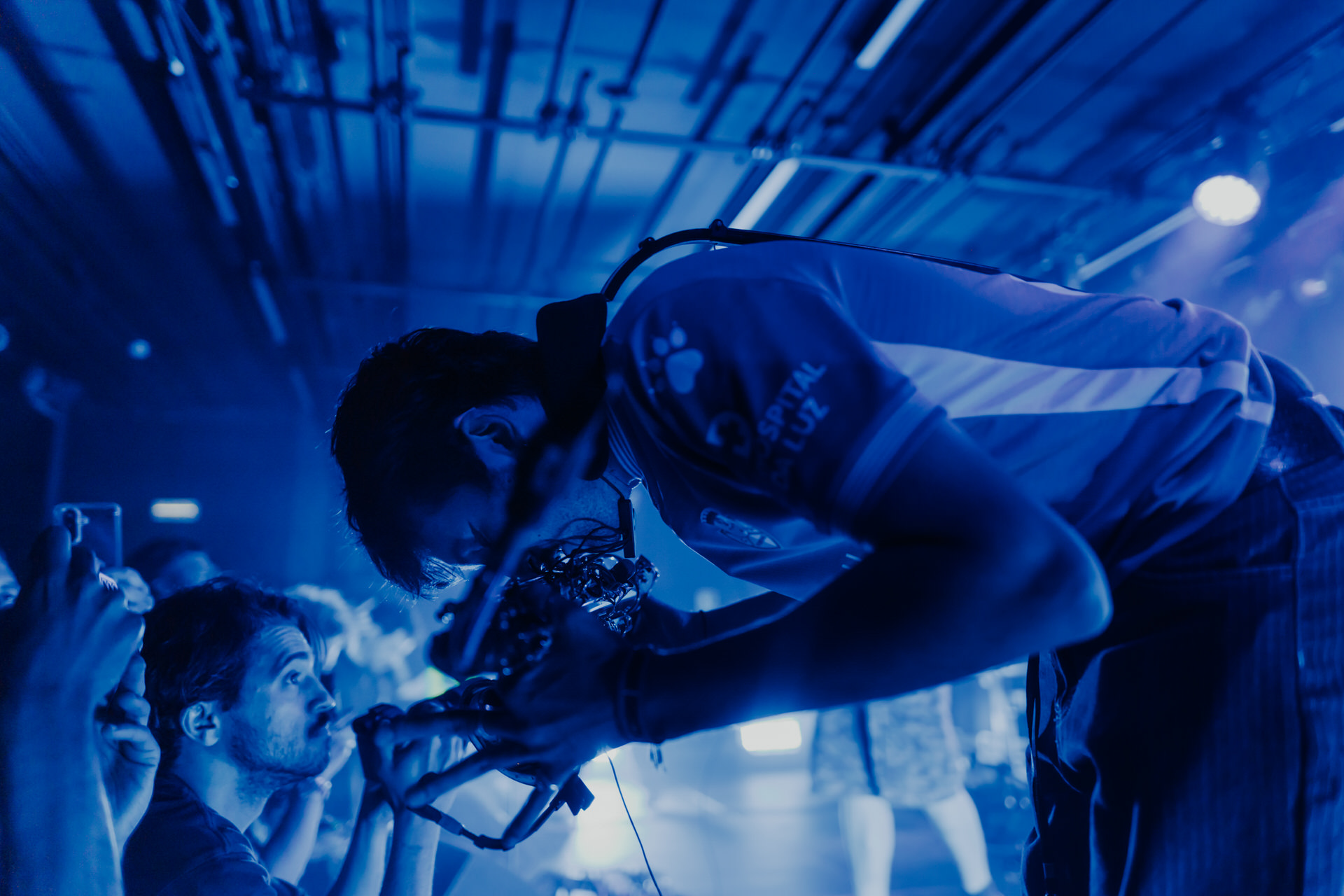
The beautiful and lengthy Born To Die, in which Harry’s initial spoken word gives way to a virtuoso and powerful vocal performance has various movements, where free jazz swirls noise rock, where vocals and saxophone get lost in arabesques, where a guitar solo is soaked, and where, in a moment of near silence, Joe shouts in the middle of the corridor created in the crowd, purging his and others’ demons through shouts, before climbing back to the stage and resuming the final stretch of the song, returning to the crowd in crowd surf mode.

This is followed by the equally beautiful Saoirse, a hymn to individuality in 3/4, in which the band closes in around the drums and expands physically and musically. Mental health and the need for connection were highlighted before The Invisible Man, and we were invited to hug the person closest to us.

In this song, melancholic beauty alternates with fury and incitement, the saxophone sounds urgent, ritualistic gestures hand in hand with chants, the syncopated rhythms and breaks of the drums create organized chaos, and the deep bass stirs the guts and agitates the bodies. The intense Look Down on Us is followed by Harry’s request to “raise your fists in solidarity and love,” something we gladly did for long seconds.

They ended the concert with the instrumental Resisting Resistance, a post-rock song with the landform of a hill to rest the ears but not the consciences. The people of Palestine (with a flag displayed on stage), Lebanon, Yemen, Ukraine, Sudan, and other conflict zones were not forgotten.

Harry highlighted at the end that this concert is a unique human experience of connection, and this communion was very palpable. Spontaneous hugs at the end between the band members reinforce this truth.

No matter how many words I put here, nothing would compare to the intensity of emotions in harmony during those couple of hours, nor to everything I witnessed. If you can, don’t miss the next opportunity to see Maruja.

There are photo galleries of both concerts on our Instagram http://www.instagram.com/mondobizarremagazine/

Maruja © Mondo Bizarre Magazine/Ricardo Silva

Sean Nicholas Savage, Lovers & Lollypops, Porto, 18.05.2026.

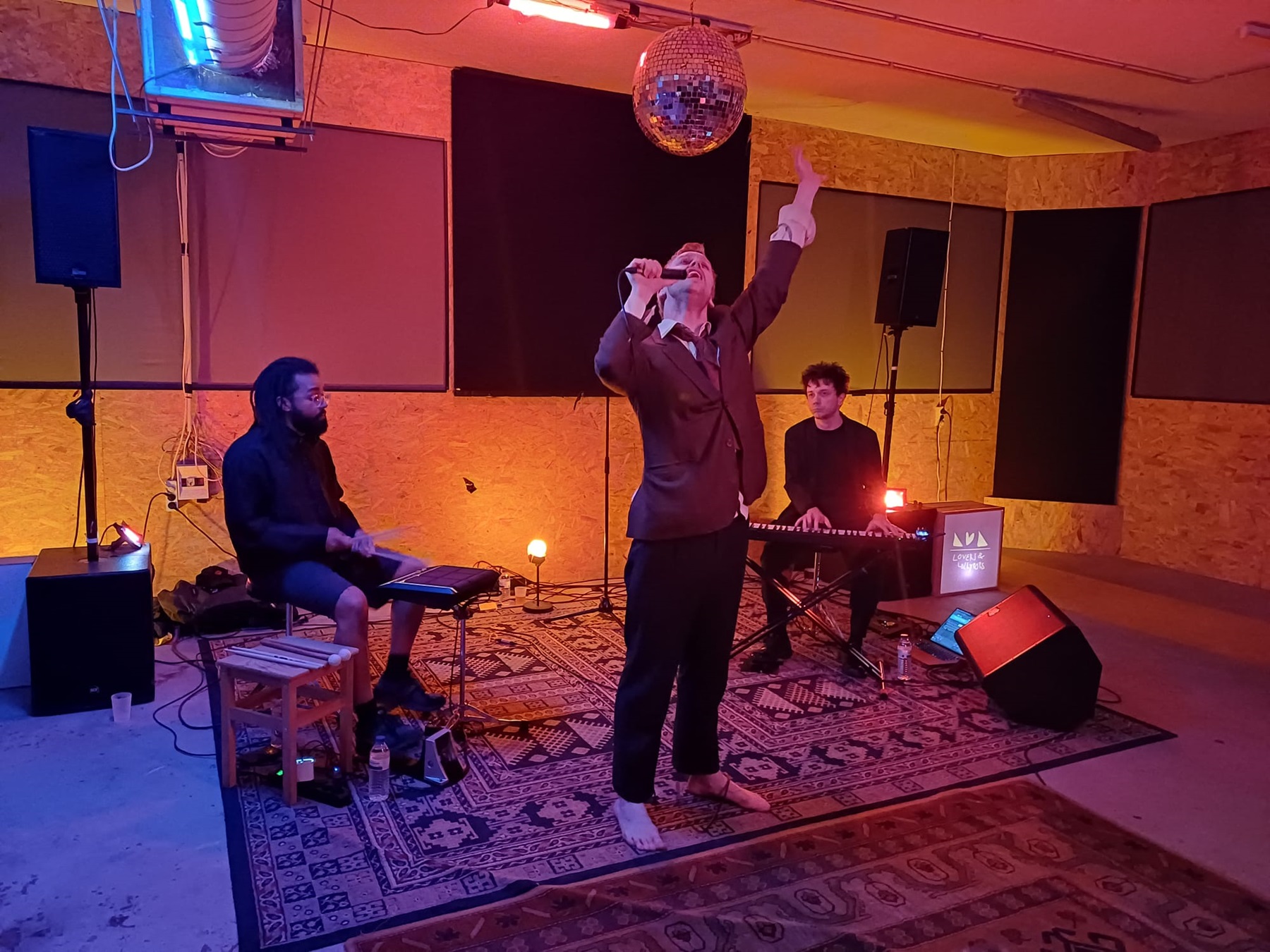
© Mondo Bizarre Magazine/António Carvalho

words: António Carvalho (edited by Raquel Pinheiro)
photos: António Carvalho

Attending a concert by Canadian singer-songwriter Sean Nicholas Savage is like discovering a hidden gem. The modest stage of Lovers & Lollypops seemed too small for everything he delivered in just over an hour.

His exuberant presence, his larger-than-life poetry, his attention towards the audience, his virtuoso and expressive voice are just parts of a larger whole that is difficult to describe. His electronic pop, heavily indebted to the eighties, reveals itself as confessional, honest and with a dose of apparent naivety, where joy and melancholy, loss and gain, mystery and revelation, pleasure and pain coexist, sometimes within the same song.

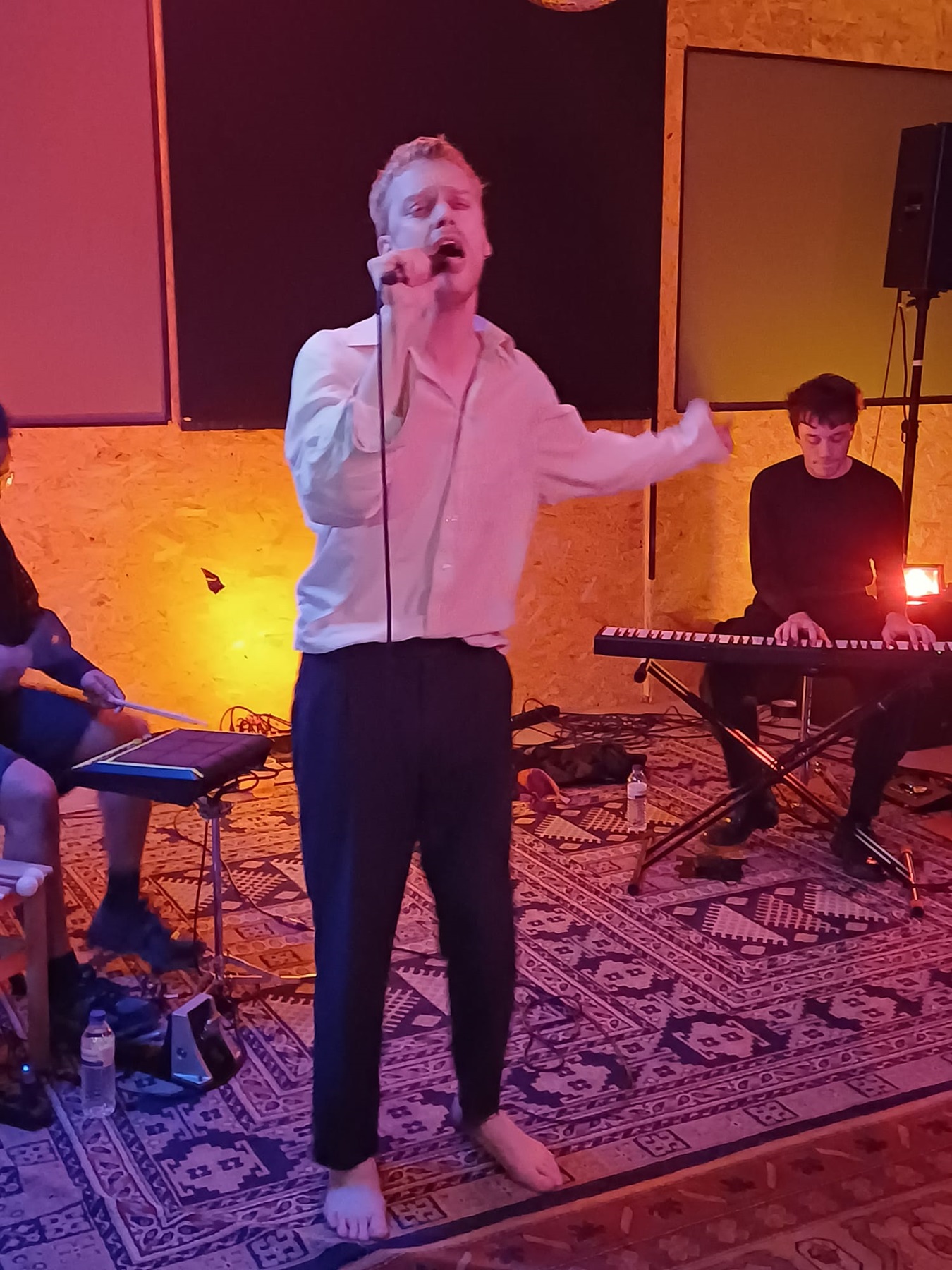
Whether in ballads or upbeat music, the classic themes of love – the euphoria of passion, the discovery of the other, the broken hearts – are dominant and served in catchy and well-crafted melodies, like many of the pop classics. Sean’s excellent technical mastery of his voice, including a delightful falsetto, doesn’t take away any of the moment’s authenticity, as if he were pouring his heart out and offering it to the audience.It was almost impossible to take your eyes off this magnetic, barefoot figure.

Besides the privileged ones in the audience, Clara Phends on synthesizers and Max-Elie Laroche on electronic drums joined him in this brief, intimate journey. Sean covered a representative sample of his prolific discography, with some emphasis on his latest album The Knowing, a record he is very proud of, so he told me after the concert.

He even granted a request from the audience, performing half of Chin Chin, and finished with one of his favourites, the single It’s Happening. Thank you, beautiful freak!

There’s a photo gallery of the concert on our Instagram

© Mondo Bizarre Magazine/António Carvalho

Rita Braga,  Radioclube  Agramonte, Porto, 14.05.2026.

© Mondo Bizarre Magazine/Vítor Neves

words: António Carvalho (edited by Raquel Pinheiro)
photos: Vítor Neves

Rita Braga says that, despite living in Porto since 2011, she doesn’t play often in her adopted city. She has traveled physically and musically to many corners of the world, but her latest album, Fado Tropical which she presented live at Rádio Clube de Agramonte is her first album entirely sung in Portuguese.

In the small spaces between songs, Rita explained its concept to the audience. She went back to the history and origins of fado, drew inspiration from research and literature dedicated to this theme (mainly A triste Canção do Sul), and brought many songs from that era (late 19th and early 20th centuries) back to the present day and to her peculiar style. The exotic mix of old melodies with instruments foreign to traditional fado (Rita’s inseparable ukulele, and Rui Rodrigues on the marimba, percussion, electronics, and the banjo) is harmonious, continuing to prove that fado is a permeable language.

© Mondo Bizarre Magazine/Vítor Neves

The projected images reflect this coexistence of eras, alternating between photos, posters, and period articles with black and white portraits of Rita, as well as her stage pose (that of old fado singers) and attire. Her high-pitched, fresh, and somewhat unpretentious voice, without the mannerisms and virtuosity often associated with fado, revives songs performed by Ercília Costa, Maria Alice, and Hermínia Silva in the 1920s and 1930s, where it is clear that several themes remain very relevant today.

A version of the classic Chão de Estrelas was also heard, accompanied by an old recording of Armandinho’s guitar, establishing a link between fado and its possible Brazilian origins.

At the end, Rita presented us with one of the original songs from the album, based on a poem by Catarina Santiago Costa. Special mention should also be made of the other musician on stage, Rui Rodrigues (or “Pacheco III,” as Rita nicknamed him, as a reference to Hermínia Silva’s guitarist).

there’s a short reel and a photo gallery of the concert on our Instagram.

© Mondo Bizarre Magazine/Vítor Neves

Novos Românticos | Bastonada, RCA-Radioclube Agramonte, Porto 18/04/2026.

Novos Românticos © Mondo Bizarre Magazine/Vítor Neves

words: Paulo Carmona (freely translated by Raquel Pinheiro)
photos: Vítor Neves

Novos Românticos

A punch to the gut of the patriots. That’s what it is.

Any self-respecting lusitano, with a clear sense of their country’s history, recent or otherwise, will feel the almost unbearable weight of the stark, unvarnished reality served up by Novos Românticos. The silver platter is the sound, let that be clear.

This isn’t just music, it isn’t just musical aesthetics. It’s intervention, it’s agony, it’s the near-psychotic despair of someone who feels the weight of Portugalidade. Someone disillusioned with an Abril that seems ever more distant, with fewer and fewer reasons for pride.

Novos Românticos © Mondo Bizarre Magazine/Vítor Neves

David Félix is the man on duty, presenting himself to the audience as a kind of modern-day guru, fully prepared to press on the wound until it bleeds.

He carries an intrinsic ability to command attention: monochord vocal delivery, the sinuous movement of his body to the measured pulse of an electronic post-punk, hypnotic, corrosive, built on pre-recorded loops of guitar, drums, bass, keyboards, and samplers. He drifts across the stage, almost unsteady, faintly lascivious, but the message lands. That seems to be what drives them, and they achieve it with precision.

They performed material from across their repertoire, with a strong focus on their full-length work, Criptopátria. Worth highlighting are Pátria, Mesa Posta, and a very original version of the iconic Joy Division’s Love Will Tear Us Apart.

Bastonada @ Mondo Bizarre Magazine/Vítor Neves

Bastonada

Bastonada closed the night, delivering verbal and musical blows with their interventionist Electro Punk, edged with rap. It’s pure energy from beginning to end, without a moment’s respite.

They’re young, intense, sharp, and they fire off their songs as if the world were ending tomorrow.

The instruments are always front and centre, and their masked vocalist is a force of nature.

The insolent anger of their youth, combined with the level of competence in their instrumentation, points to a project with real substance and a great deal still to give. It will be interesting to watch.

Concert clips and photo galleries on our Instagram

PAUS, Teatro Aveirense, 16.04.2026.

© Mondo Bizarre Magazine/Telma Mota

words: Telma Mota (freely translated by Raquel Pinheiro)
photos: Telma Mota

On 16 April, it was a ‘Happy Day’ at the Teatro Aveirense, with the funeral march of PAUS.

Having announced their end, the band made their fourth appearance of the year in Aveiro with impact and a certain sense of occasion.

They presented their final album in full, in an uninterrupted 30-minute crescendo. As they have accustomed us, this work entitled Enterro is marked by intense, hypnotic and innovative pieces that combine old-school experimental rock sounds, with complex and repetitive rhythms, with touches of indie vocal lines and the psychedelic textures of post-rock.

However, at this stage, arguably more refined and mature, they decided to stop and die in a florid and controlled manner, celebrating their own funeral with a tour that will symbolically end on 19 November 2026, the date on which they began their journey 18 years ago.

© Mondo Bizarre Magazine/Telma Mota

In a relaxed register, they made a few pauses at the beginning and end of the concert, between better-known older songs, in some way justifying that it is far more interesting to die and bury PAUS with dignity than to pass away in a disordered manner.

Happily for me, as I prefer the band’s earlier phase, more visceral, raw and unrestrained, PAUS opened this concert with Mudo e Surdo and closed with Pelo Pulso, both from their first EP É uma Água

They said goodbye in style, with the intense rhythm of the Siamese drum set played by Quim Albergaria and Hélio Morais, and the striking sounds of Makoto’s bass and Fábio Jevelim’s keyboard. I stood there, clenched my teeth and tapped my foot, wishing only to be somewhere more suited to dancing and exorcising my demons. It is not often one is invited by the dead to their own funeral, but for those present it was certainly a smiling experience.

And they were PAUS. Fare thee well.

© Mondo Bizarre Magazine/Telma Mota

Photo gallery on our Instagram Instagram

Noiserv, Casa da Música, 06.12.2025.

© Nuno Lopes/Mondo Bizarre Magazine

words: Paulo Carmona (freely translated by Raquel Pinheiro); photos: Nuno Lopes

Noiserv is a brilliant project, conceived by a brilliant artist gifted with an unusual, multifaceted creative capacity.

David Santos, the driving force and sole member of the project, is a talented multi-instrumentalist who manages to capture an audience’s full attention, despite barely being able to move, far too occupied playing instruments, recording, sequencing, and performing all at once, offering his audience live music that almost always grows in dynamic range until it reaches its melodic peak.

Sala Suggia of Casa da Música, though not sold out, was very respectably filled to welcome Noiserv, and David delivered exactly what was expected, or even more.

The concert revolved around his new album, 7305, the artist’s fifth full-length record. Another remarkable work whose spacious, contemplative sound carries us into landscapes with the atmosphere of a northern lights sky.

© Nuno Lopes/Mondo Bizarre Magazine

All one had to do was close one’s eyes and let the sound take us anywhere. Long Journey and Resumidamente opened the way for older pieces such as The Sad Story Of a Little Town and Don’t Say Hi, If You Don’t Have Time For A Nice Goodbye. The set list moved fluidly between tracks from the new album and selections from earlier periods.

Special note must go to A Self-Conversation Is To Loud For An Empty Room, singular and unsettling in its beauty, performed entirely on acoustic guitar.

Noiserv also presented tracks featuring collaborations with A Garota Não (Cátia Oliveira) and Milhanas, the latter appearing onstage to perform A Casa das Rodas Quadradas, where their two voices intertwined in perfect synergy. The staging and lighting were superb, fully worthy of that iconic Porto hall.

It was a warm, celebratory evening, not least because David is an excellent storyteller with a wonderful sense of humour. We all left happy.

© Nuno Lopes/Mondo Bizarre Magazine

Amazing Songs & Other Delights # 76 – The New, Found, Remembered edition by Raquel Pinheiro @ Yé Yé Radio, Monday 10

Attawalpa

My Amazing Songs & Other Delights # 76 – The New, Found, Remembered edition airs Monday 10, 3-4pm (gmt) on Yé Yé Radio: yeyeradio.com (or on the app).

The title is self-explanatory. This programme is a mix of new songs, songs I chanced upon from different songs, some new, some not, and songs I remembered.

It’s also another case of one thing leads to another. As a whole the 19 songs from various decades, with emphasis on very recent ones, on Amazing Songs & Other Delights # 76 – The New, Found, Remembered edition form a fresh, engaging, beautiful programme.

A friend posted about Robert Wyatt’s 80th birthday, Epic Soundtracks song Jellybabies with Wyatt singing flashed in mind.

Berkley’s Gram Theft Parsons is one of those songs that tell a story, a narrative style often absent in recent songs. Gram Theft Parsons is the story of the final months of Gram Parsons life, told with no sugar coating.

Crazy Horse are better know as Neil Young backing band. I Don’t Want to Talk About It is from their self titled debut album, released in 1971. I Don’t Want to Talk About It was written by Danny Whitten and would become a hit for Rod Stewart and Everything but the Girl. Ry Cooder plays pedal steel guitar and slide guitar on Crazy Horse’s original that is produced by Jack Nitzsche.

Marlon Williams’ Aua Atu Rā is the first single from Te Whare Tīwekaweka Williams first album in Māori language. OMIRI’s Pé com Pé mixes of Portuguese traditional music and dance music, resulting in an attractive, strange song.

Love No More comes from The Durutti Column 1989 album Vini Reilly, re-released last year on Record Store Day. Durutti Column Vini Reilly re-released is one of my records of 2024.

Rent Boy, a song by Jude Alderson is from the 1986 documentary Andy The Furniture Maker, about Andrew Marshall, part of the documentary series Six of Hearts, directed by Paul Oremland. I learned of the documentary by reading an article on The Guardian. I liked the documentary and loved the song.

Tracklist:
01 – Bryan Ferry and Amelia Barratt – Orchestra
02 – Alpine Subs – Rely On Me
03 – Attawalpa – Always The Girls
04 – Berkley – Gram Theft Parsons
05 – Born Folk – Seize the Day
06 – Crazy Horse – I Don’t Want to Talk About It
07 – Electric Man – New Wave
08 – Epic Soundtracks feat Robert Wyatt – Jellybabies
09 – Hamish Hawk – Juliet as Epithet
10 – Jude Alderson – Rent Boy
11 – Julian Shah-Tayler – Sufferation
12 – Julien Baker & Torres – Sylvia
13 – Little Barrie & Malcom Catto – Zero Sun
14 – Marlon Williams – Aua Atu Rā
15 – OMIRI – Pé com Pé
16 – The Durutti Column – Love No More
17 – The Gentle Spring – Looking Back At The World
18 – Tunng – Didn’t Know Why
19 – Vanarin – Memories

All previous shows on mixcloud: https://www.mixcloud.com/infoyeye/playlists/amazing-songs-other-delights | www.mixcloud.com/MondoBizarreMagazine

Temples, Hard Club, Porto, 14.11.2024.

© Telma Mota/Mondo Bizarre Magazine

Lost in translation. Definitely.

words: Paulo Carmona (edited by Raquel Pinheiro); photos Telma Mota

Temples are a band of dreams. The magic feeling is constant throughout the band’s performance. Atmospherically very rich and diverse in the structure of their songs, they take us to rest in meadows that stretch far as the eye can see. An immensity of nostalgia and divine emotions that, in fact, can only be reached in temples of sound in which music is the supreme divinity.

© Telma Mota/Mondo Bizarre Magazine

You almost feel a cool breeze on your skin that gives you goose bumps, a constant throughout the concert. In Move With the Seasons I almost levitated, in The Guesser I dreamt and in Fragment’s Light I almost cried. What more could I ask for?

As the songs flowed, bodies moved to the rhythm of the band’s sound, applause was effusive and appropriate for the marvellous setting. The band felt that the audience was with them and James Bagshaw, the band’s singer, ended up saying that this was thee crowd of the tour. I bet it was.

© Telma Mota/Mondo Bizarre Magazine

I dare say that Temples are one of the best bands of the last 20 years, for its originality and musical creativity, and that Sun Structures is a masterpiece of musical art.Outside, the city is perfectly suited to what was experienced and witnessed indoors. Perhaps because its the city of temples. I still feel it all very much alive and present in me. Thank you, James, Tom, Adam and Rens. Don’t make us wait another 10 years for your return to Portugal and, in particular, to Porto.

© Telma Mota/Mondo Bizarre Magazine

Grupo Operário do Ruído, Open Rehearsal, Associação de Moradores da Bouça, Porto, 13.09.2024.

© Renato Cruz Santos

A View From Within

words: Raquel Pinheiro; photos: Renato Cruz Santos/Cultura em Expansão

A week ago me and my colleagues from Grupo Operário do Ruído, a parte experimental-exploratory-avant ensemble connect to Sonoscopia were in the depths of our Open Rehearsal, after months of hours long reharsals.

© Renato Cruz Santos

Being part of the group has been a very interesting experience. I elected the electric guitar as my main instrument, in itself a challenge. I’m far more familiar with an electric bass than with an electric guitar. Most of my other instruments are as peculiar and unique as Grupo Operário do Ruído: a couple of plastic beads necklaces, a children’s melodica, mismatched drum sticks, empty spices bottles, and more, and our claribones, what I call our odd purpose build mix of trombone and clarinet.

© Renato Cruz Santos

Many instruments we use were build on previous years of the existence of Grupo Operário do Ruído, some like my guitar, the traditional drums, the tambourine are convencional. My use of the electric guitar is anything but convencional. We’re often asked what we do, what we play. We’re still working on the musical piece directed by António Serginho and Carlos Guerreiro, to which we all contribute.

I would say we’re much close to an orchestra than a rock band. The musical, sound, and other approaches are wide. As you can see on the photos we do not use staves. There are structured rhythm parts, solo and free style parts, corporal movement, a bit of singing. Each of us, one more than others depending of what we play, swap our instruments, according to the section we’re playing.

None of the above explains much other than a little of the mechanics of this year in Grupo Operário do Ruído. It’s not easy to explain as it is a sound experience composed of a million details.

© Renato Cruz Santos

I’ve been asked if I felt nervous playing in front of an audience. I didn’t. I didn’t even notice the audience that surrounded us. We’re concentrated on what we’re playing as well as in the hand instructions of António Serginho tailor made for us, and therefore different than standard conductor instructions.

© Renato Cruz Santos

No, I’m not letting our music out. 😉 Not right now. 🙂 We sound brilliant!

We have our Final Presentation at Conservatório de Música do Porto, December 8, 7pm. Come see us!

© Renato Cruz Santos