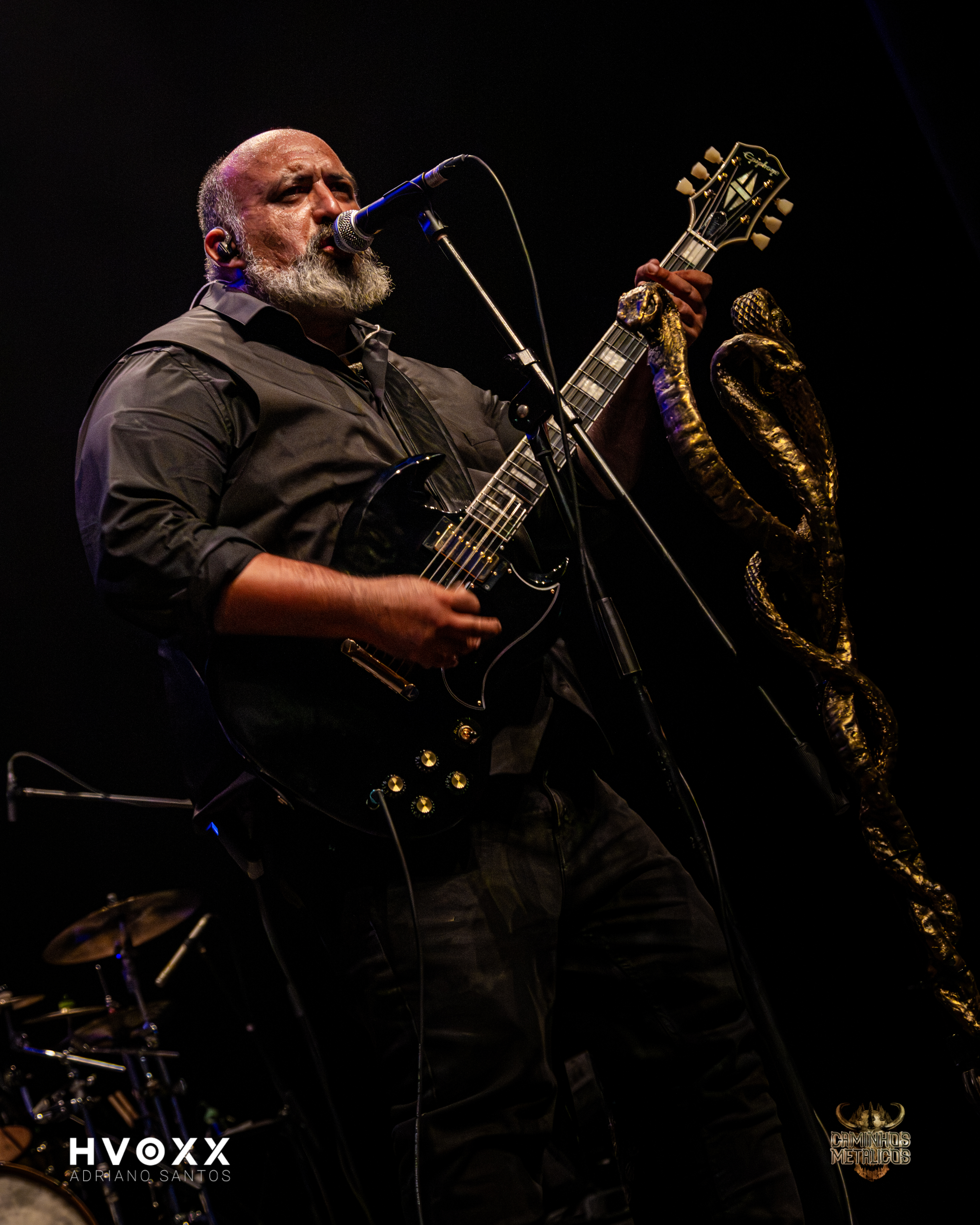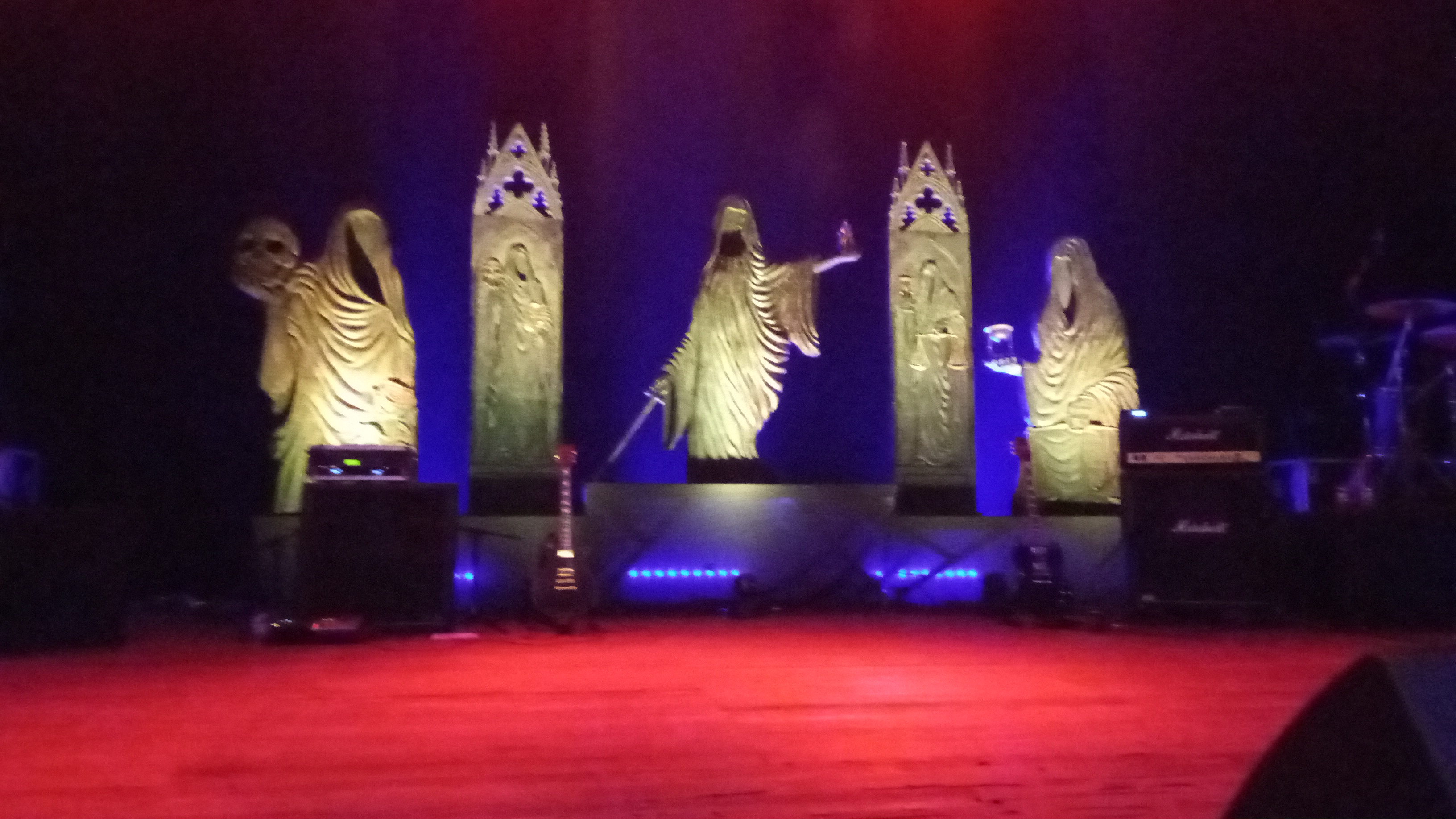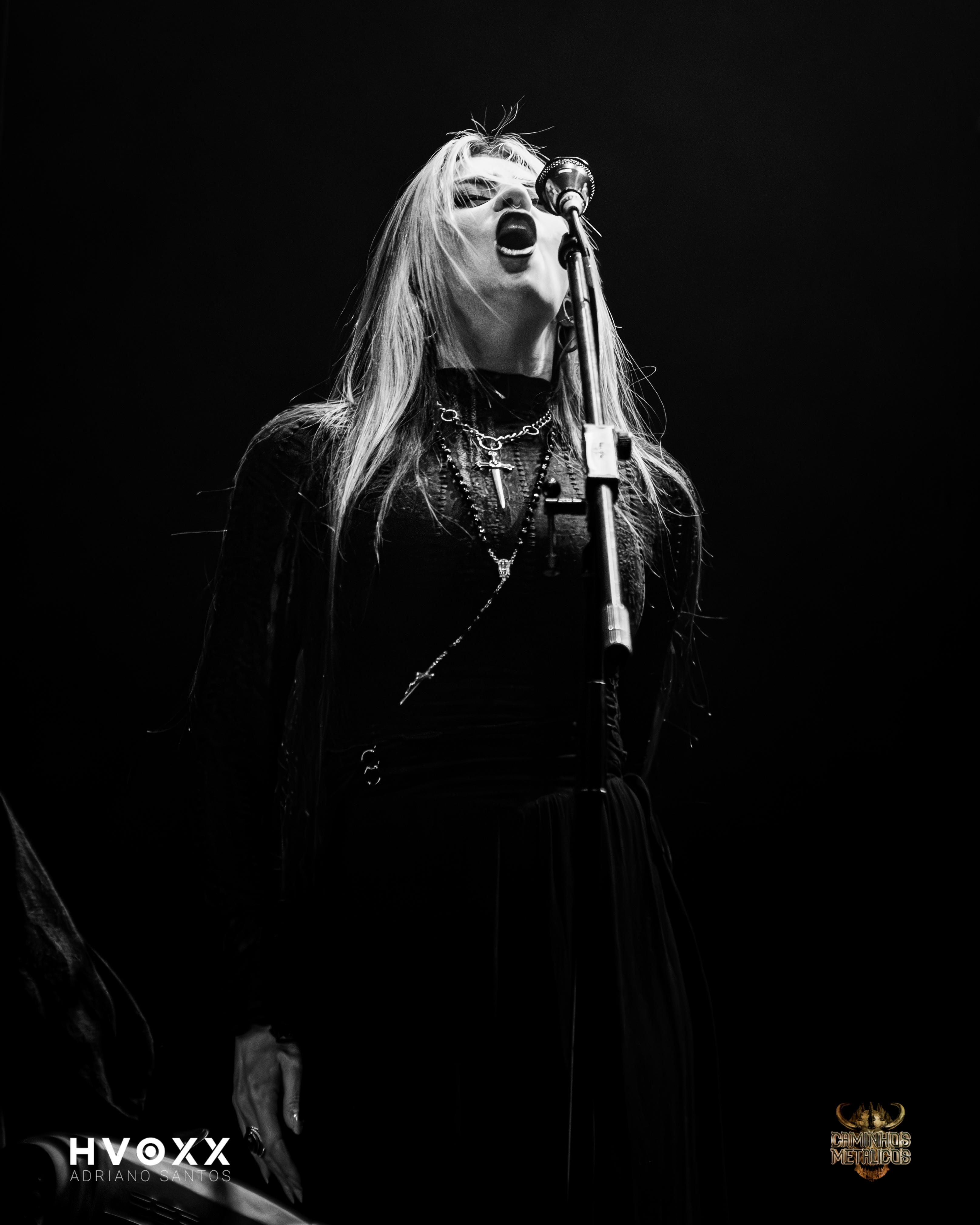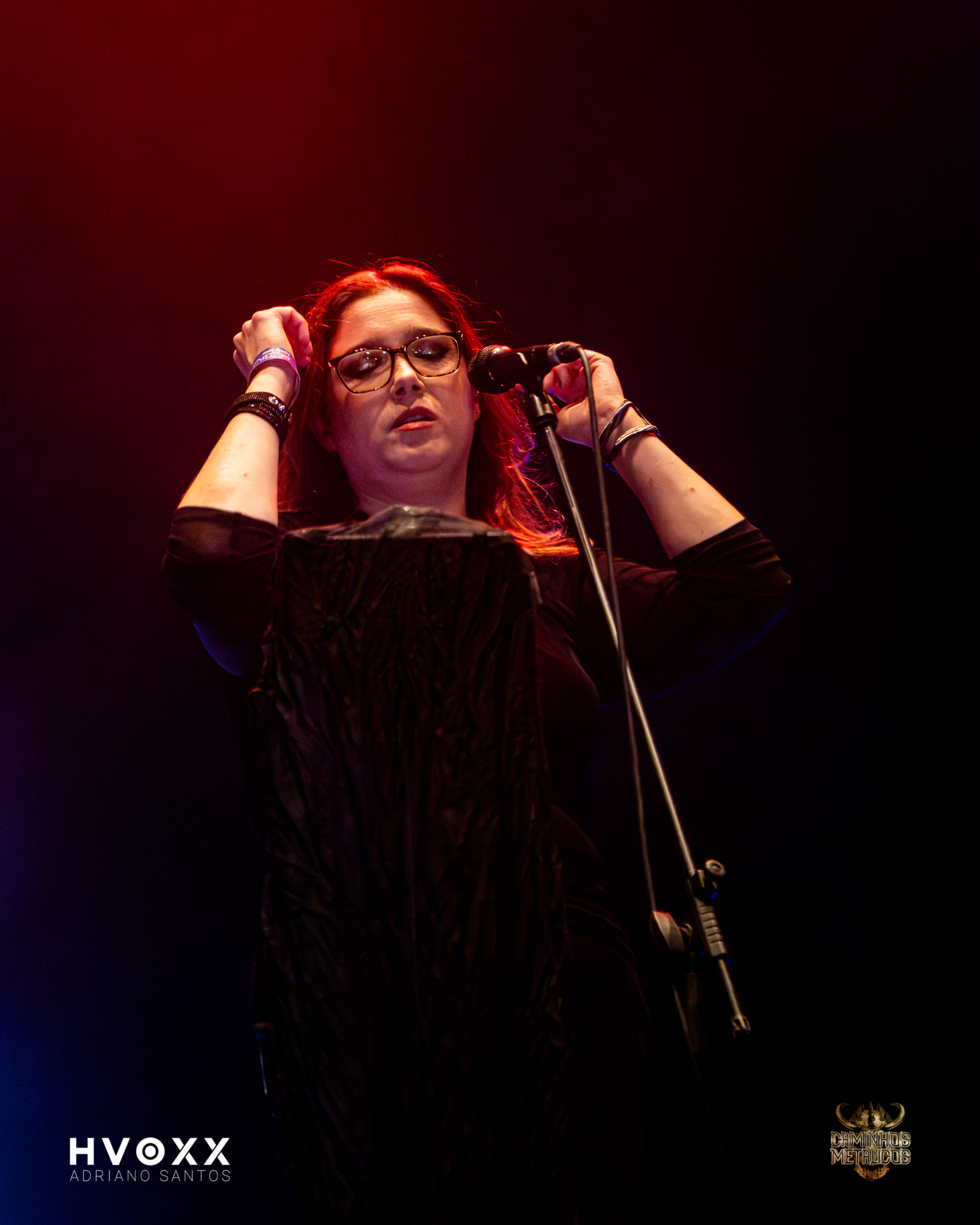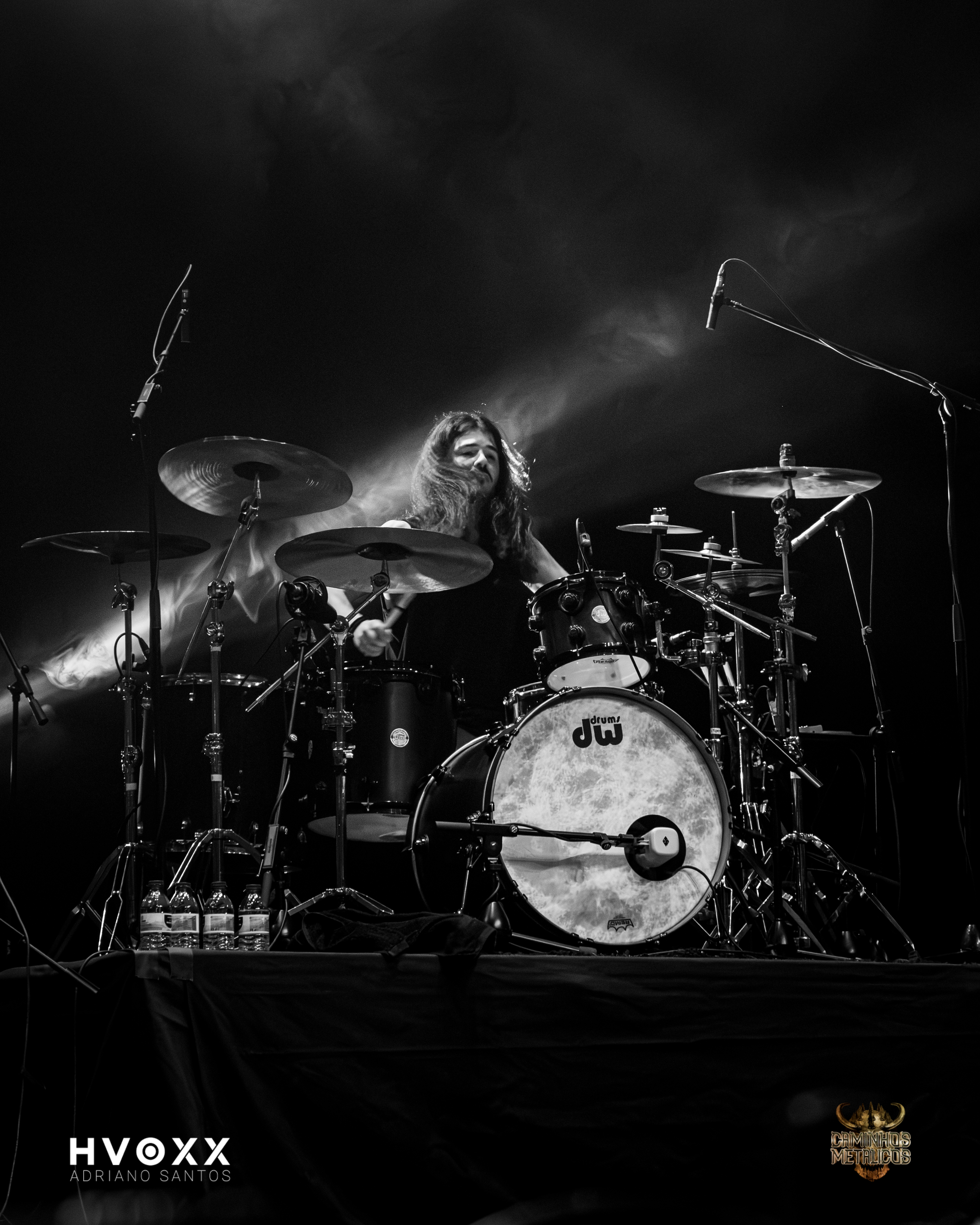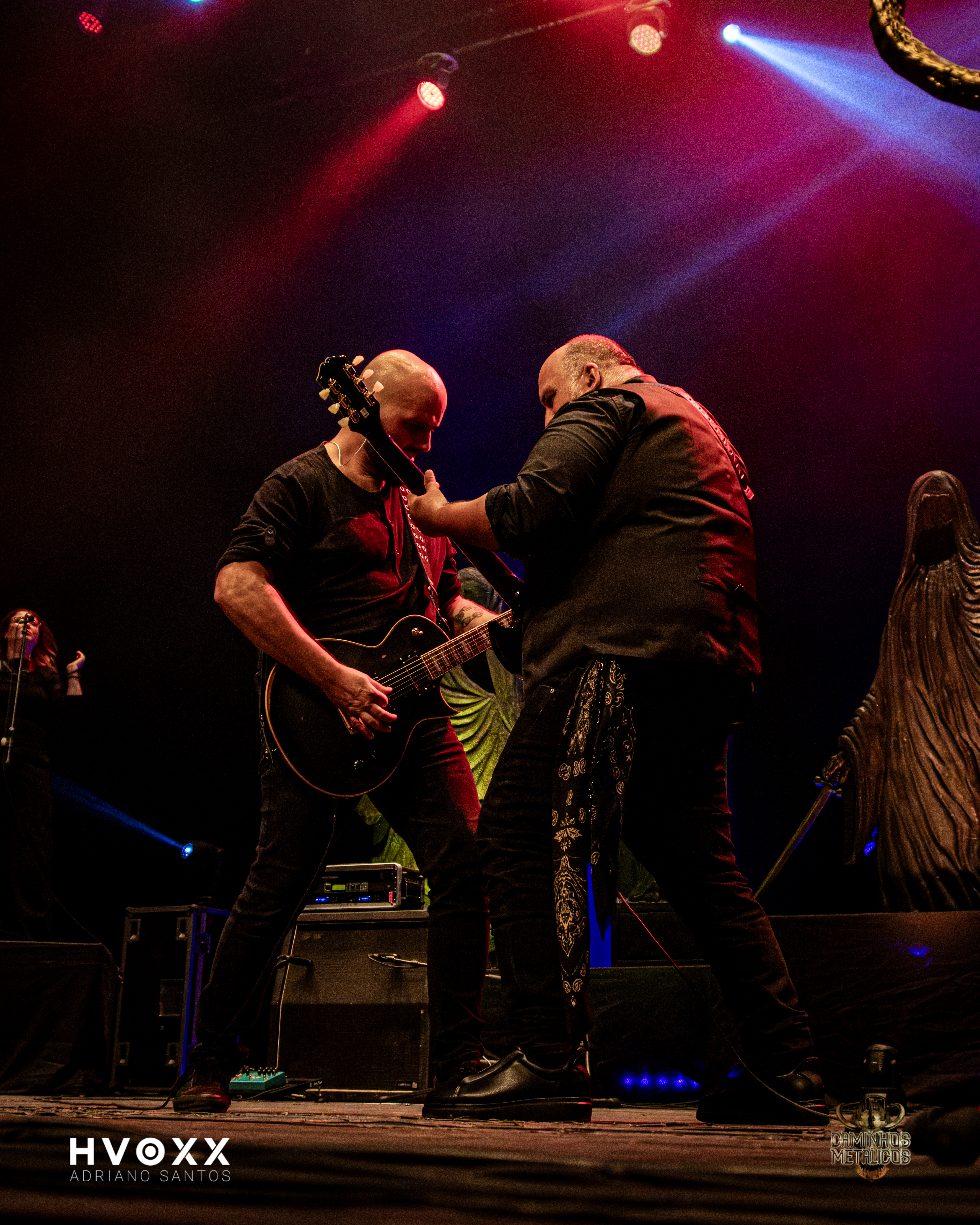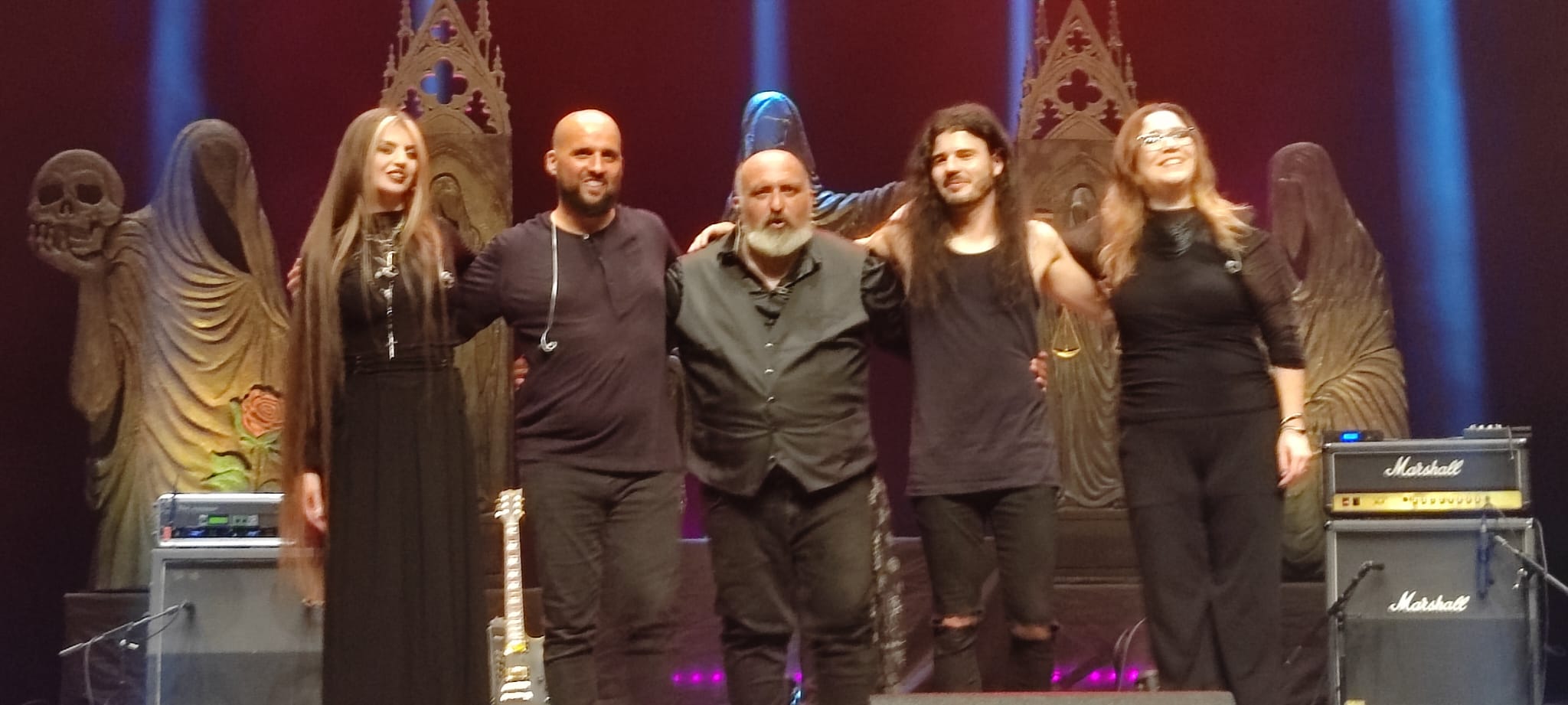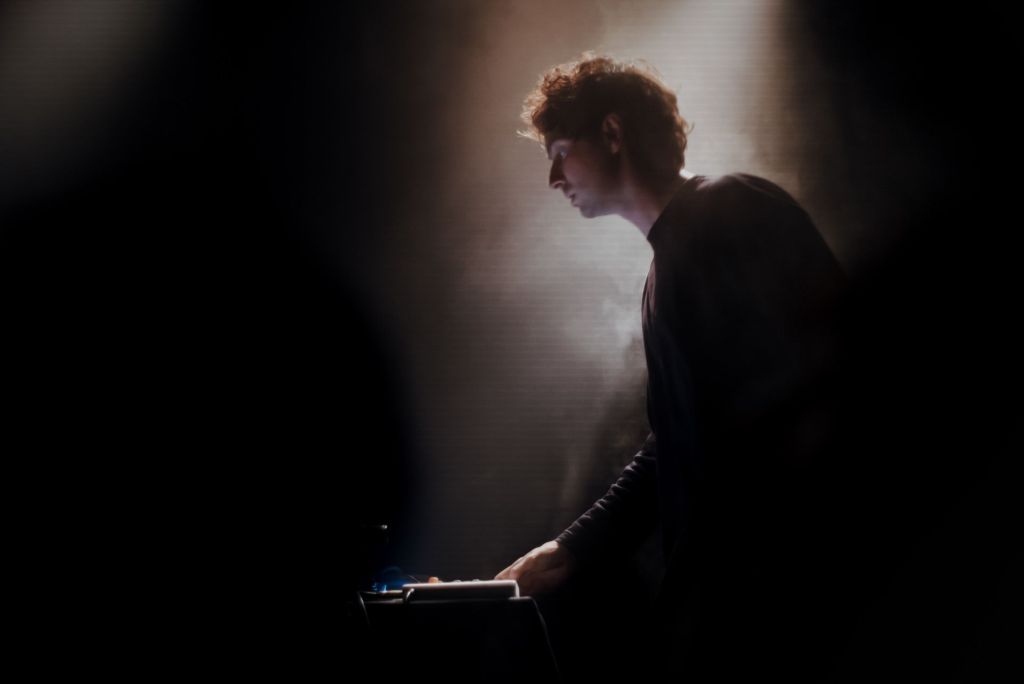
Our coverage of Sonic Blast 2026 continues. Tomorrow we will bring you the report of the festval’s last day.
words: Joana Coelho photos: Ricardo Silva
Day 2 of Sonic Blast 2026 kicked off at the Second Stage with Jesus The Snake, who mesmerized the early afternoon crowd with their hypnotic blend of progressive synth-rock and spacey passages. A decent crowd gathered to take in the performance, with many festivalgoers taking the opportunity to ease into the afternoon while still recovering from the intense marathon of Day 1.
Offering an immediate contrast, Hög took the stage with a barrage of fast riffs and heavy rock, injecting a burst of energy that quickly invigorated the fans as they arrived. Confirming that a new album is right around the corner, the band treated the crowd to a brand-new track from the upcoming record.
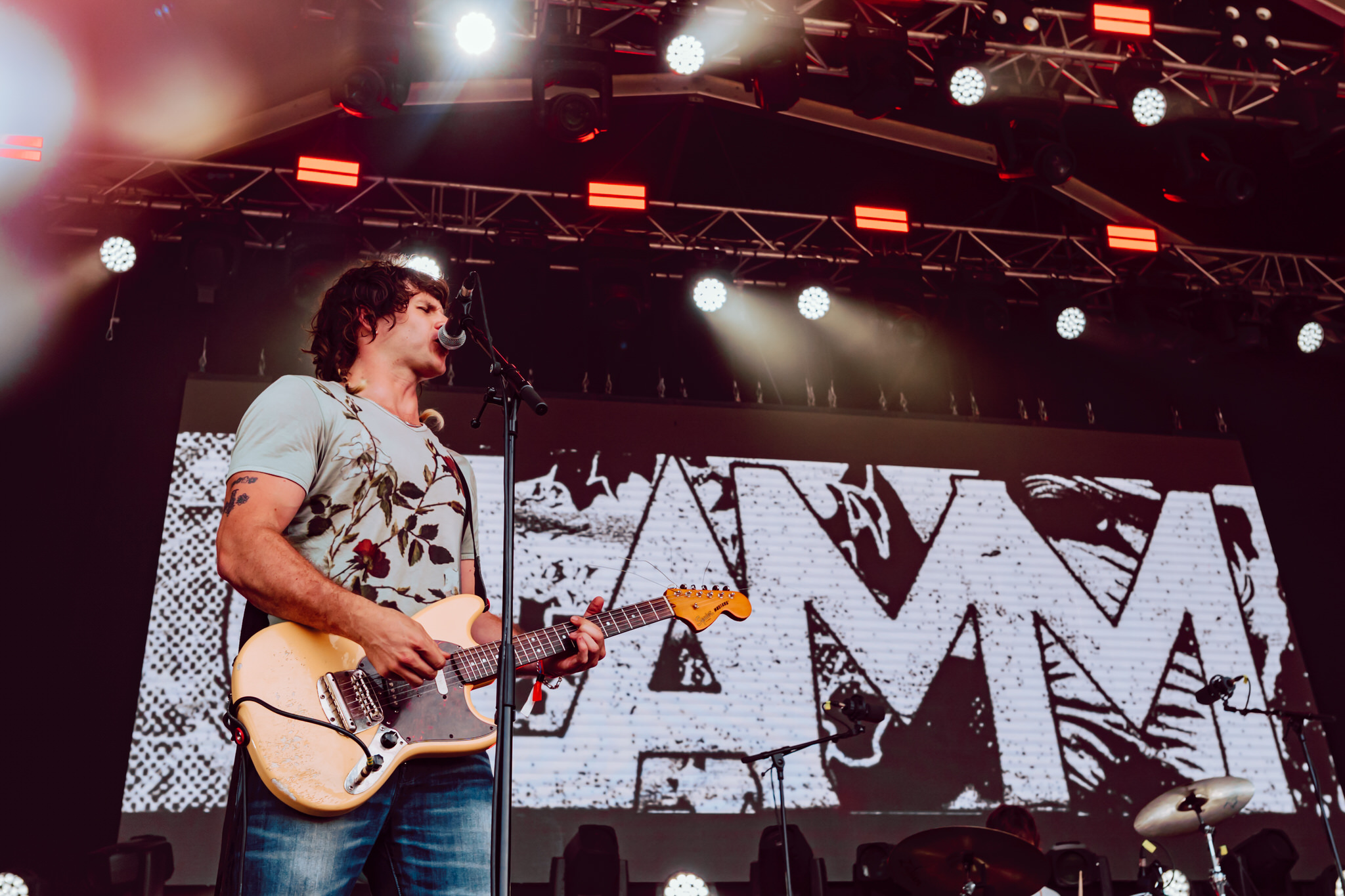
Over on the First Stage, the afternoon brought a sudden lineup change due to a last-minute cancellation by Dead Meadow. Stepping in on short notice were Australia’s Clamm, returning for their second performance of the festival after playing Day 1.
With the crowd initially taking advantage of the shaded areas to rest – and having already caught their set the day before – the turnout started modest, but the grounds filled up significantly as their punk-rock set unfolded, culminating in a well-deserved encore, devilering a performance that was considered by many as better than the day before.
Voivod drew a massive turnout, with the Canadian sci-fi thrash veterans instantly warming up the audience as they launched into a set that quickly generated headbanging and loud singalongs across the Second Stage. Despite the vocalist mentioning he was dealing with a headache, the band delivered a relentless performance, and energy peaked near the end with the musicians sharing fistbumps with fans in the front row.
Up next, Conan delivered a massive, intensely packed set. Bringing their trademark caveman battle-doom with crushing weight and agonizingly heavy vocals, the British trio had the crowd completely engaged from the first note. The performance triggered massive headbanging, continuous crowdsurfing, and a massive circle pit that tore through the crowd towards the end, all set against mesmerizing visuals projected on the backdrop.
Despite brief sound issues right at the start, street-punk legends The Casualties wasted no time tearing the Second Stage apart the moment they kicked off. Demanding movement from the get-go, the band ignited a wild circle pit by their second song, greeting the audience in Portuguese with a loud “Como vocês estão?”. The crowd responded with overwhelming enthusiasm as the frontman leaped off the stage, plunging directly into the middle of the pit before climbing back up to finish the chaotic set.
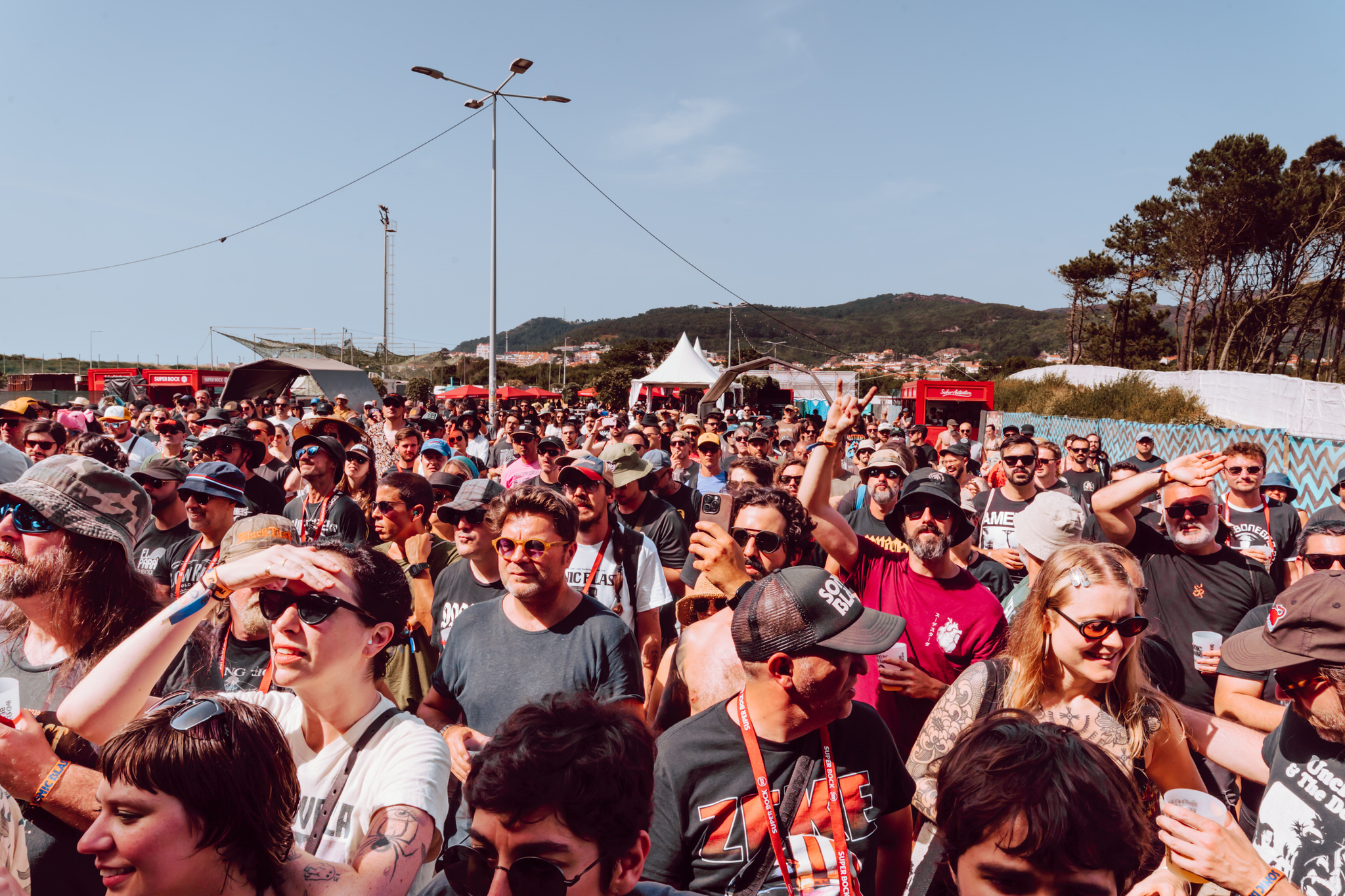
Hailing as one of the most anticipated acts of the entire festival, Kylesa made a triumphant return, hitting the stage with pure heavy sludge power. Delivering their charismatic, dual-drum-driven sound, the band marked the festival’s first performance led by a female vocalist. Expectedly for a Friday night, attendance peaked dramatically during their set, with the grounds feeling noticeably more packed than on any previous day.
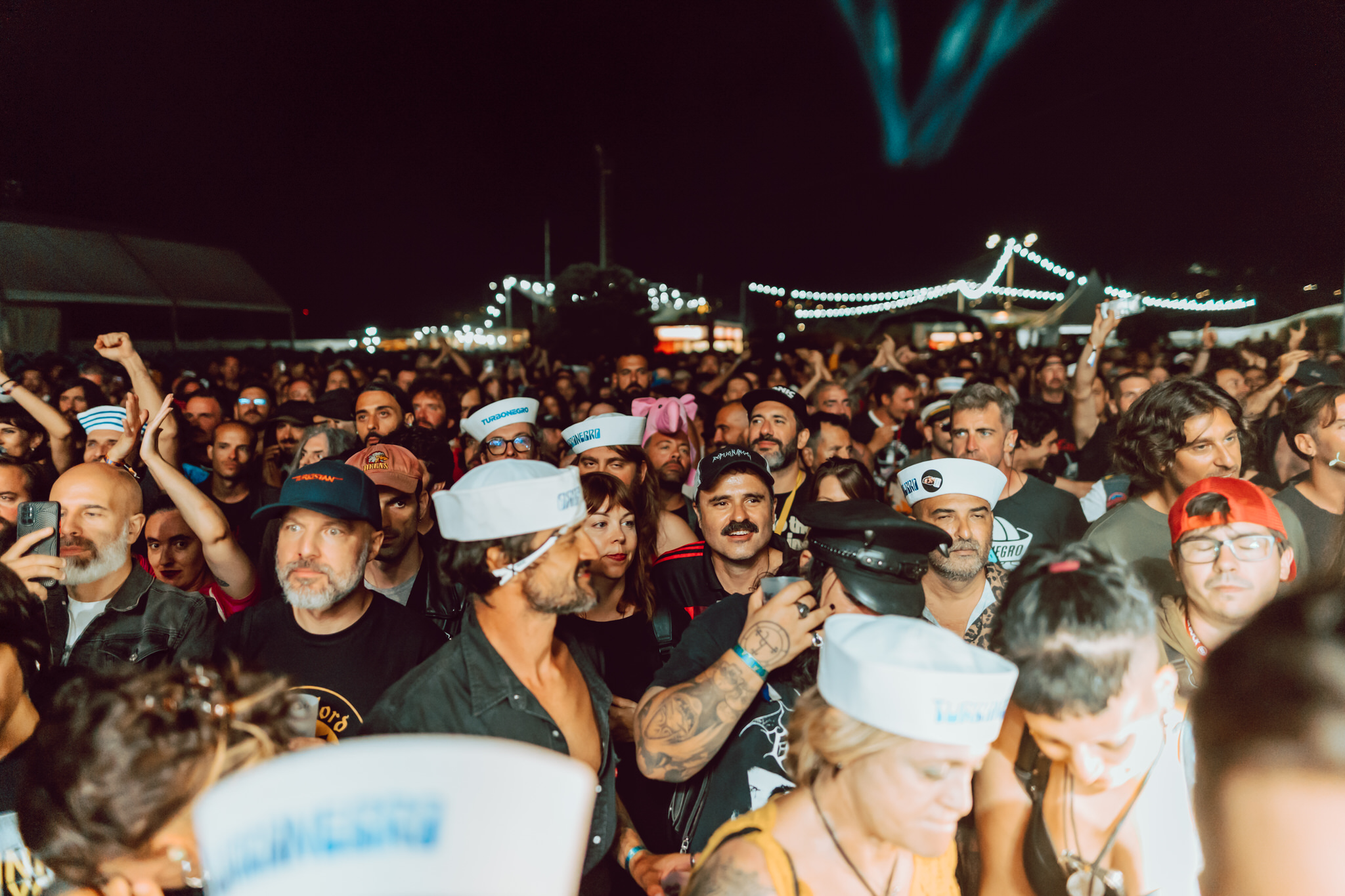
Following a minor ten-minute delay – the first real schedule bump of the day – Turbonegro took the stage as the night’s absolute headliner. Dressed in their signature glam-punk style, surrounded by a sea of fans wearing sailor hats, the Norwegian deathpunk icons were met with an explosive reception. The band shared a brief nod to their history, with Thomas Seltzer recalling his first visit to Portugal 40 years ago, before tearing through a set that reached absolute euphoria when the entire crowd sang All My Friends Are Dead in unanimous chorus. Delivering an encore, the band delivered what was considered by the majority to be the best show of the day.
Deathchant kept the adrenaline at a maximum, stepping out to a fully packed Sonic Blast grounds. Pushing the crowd to give everything they had left, the heavy rock outfit delivered an explosive, raw set, highlighting their brand-new single Enemy – released that very day from their upcoming album Kova. Calling Sonic Blast their “home away from home,” the band fed off the audience’s unmatched energy.
Moving to the Third Stage at around 2:00 AM, Goya delivered heavy, fuzz-laden stoner doom to a remarkably large and surprisingly energized late-night crowd, keeping the festival’s heavy momentum rolling well past midnight.
Closing out the night at 3:00 AM, N8NOFACE delivered a wildly unique finale, blasting the grounds with a chaotic fusion of industrial electronic beats, synth-punk, and raw, growling vocals. Despite the extreme hour, the energy remained sky-high, turning the front of the stage into a massive, late-night dance party to wrap up an unforgettable Day 2.
Our coverage of Sonic Blast 2026 goes on and we keep bringing you daily reports of the festival.
words: Joana Coelho photos: Ricardo Silva
The first official day of the 2026 edition of Sonic Blast Fest opened with Free Ride that stepped out to a remarkably full Third Stage right from the early afternoon. Delivering a set packed with psychedelic, stoner-tinged heavy rock, the band drew intense headbanging and a great reception from the crowd, making for a perfect festival kickoff.
Meanwhile, travel-related logistical issues with Clamm caused a last-minute schedule shift, leading Elephant Tree to step up and play an earlier slot. Due to health issues that prevented guitarist Jack from traveling, the British group was forced to perform as a trio.
Even without their usual vocal harmonies and offering a raw, stripped-back take on their signature melodic stoner/sludge sound, the band offered a sincere apology for the situation, and the sympathetic crowd welcomed the performance with open arms.
When Clamm later took to the Second Stage, the Australian group brought their energetic fusion of punk and garage rock, unleashing high-octane, danceable riffs full of attitude as the grounds and the audience were just beginning to warm up.
Trash Talk ultimately crowned themselves as the standout band of the day in what was their absolute debut in Portugal, drawing a significantly larger crowd. A quick question from the frontman during the set revealed that the vast majority of those watching were international festivalgoers.
The blistering speed of their hardcore unleashed the day’s first and most intense mosh pits. The interaction was relentless: the vocalist managed to get nearly the entire crowd sitting on the ground, commanded massive circle pits, and threw himself into the pit multiple times, with the guitarist joining the chaos as well. The peak moment arrived near the end when the frontman crowd-surfed all the way from the accessible viewing platform back to the stage.A performance many hailed as the show of the day.
Bringing midnight straight into the daylight hours, the trio Midnight never slowed down for a single second. The vocalist/bassist kept up constant banter, kicking things off by handing out two beers to the front row the moment he stepped on stage.
Packed with jokes, he encouraged fans to storm right into the photo pit to enjoy the show without hesitation, and later had the entire crowd belting out a massive singalong to Satanic Royalty. The energy reached its absolute peak when they dropped You Can’t Stop Steel four tracks in, keeping the crowd’s adrenaline at maximum capacity until the final note.
The explosive powerhouse Frankie and the Witch Fingers then took over with their infectious mix of psych-rock, fierce garage, and funk-infused stoner grooves. Driven by heavy riffs, rapid rhythms, and mesmerizing virtuosity, they set the mood perfectly for the evening ahead.
As the night settled in Deafheaven took to the First Stage to deliver what turned out to be one of the most acclaimed sets of the day, easily rivaling Trash Talk for the top spot. Blending hypnotic soundscapes with an intense, restless physical performance where no musician stood still for a second, the frontman controlled the audience like a master puppeteer without needing lengthy speeches.
As the only band of the festival so far to perform an encore, their set featured continuous mosh pits and a massive circle pit. Closing out the show, the vocalist confirmed they would return to Portugal with new music, teasing a new album on the horizon.
Sharing the First Stage Chat Pile performed for a crowd that was starting to show signs of fatigue, yet still responded enthusiastically to the band’s crushing sound. The spotlight was entirely on the frontman, who maintained non-stop interaction with the crowd, delivering a set filled with movie trivia and a vibe akin to stand-up comedy.
Closing out the Second Stage, Snapped Ankles divided opinions across the grounds. Coming out of the London post-punk scene with a post-apocalyptic, experimental edge, the group delivered danceable, tribal beats while clad in their signature forest-spirit outfits adorned with lights. Their frontman interacted heavily with the audience, venturing off the stage and stepping directly into the middle of the crowd to share the energy up close.
Returning after their appearance the night before, Bongzilla delivered a rock-solid set, though their slower, dragged-out sludge passages felt heavier on an audience dealing with late hours and long hours of continuous music.
Well into the early morning hours, Argentina’s Mephistofeles brought their dark, fuzz-drenched doom and stoner riffs with a heavy Electric Wizard vibe, proving to be one of the most anticipated acts of the night despite the late hour.
To close out the day’s marathon, Portugal’s Madmess were welcomed with a storm of cheers and enthusiastic applause. Presenting their progressive psychedelic rock filled with sprawling instrumental journeys and cosmic solos, they proved the incredible endurance of the festival’s crowd, even with a set time starting at 3:30am.
By the time the final feedback faded into the night air, Day 1 had cemented Sonic Blast 2026 as a relentless celebration of heavy music, leaving a exhausted yet hungry crowd ready for whatever chaos the next days would bring.
words: António Carvalho (edited by Raquel Pinheiro) photos: Ricardo Silva
It was before a nearly full audience that the New Yorkers YHWH Nailgun returned to northern Portugal, after their debut at the Mucho Flow festival last November. Despite being dubbed by an American publication as “the last good band left in New York” (an exaggerated title, in my opinion), it’s clear from the first minute that there’s a spark of originality in their sound.
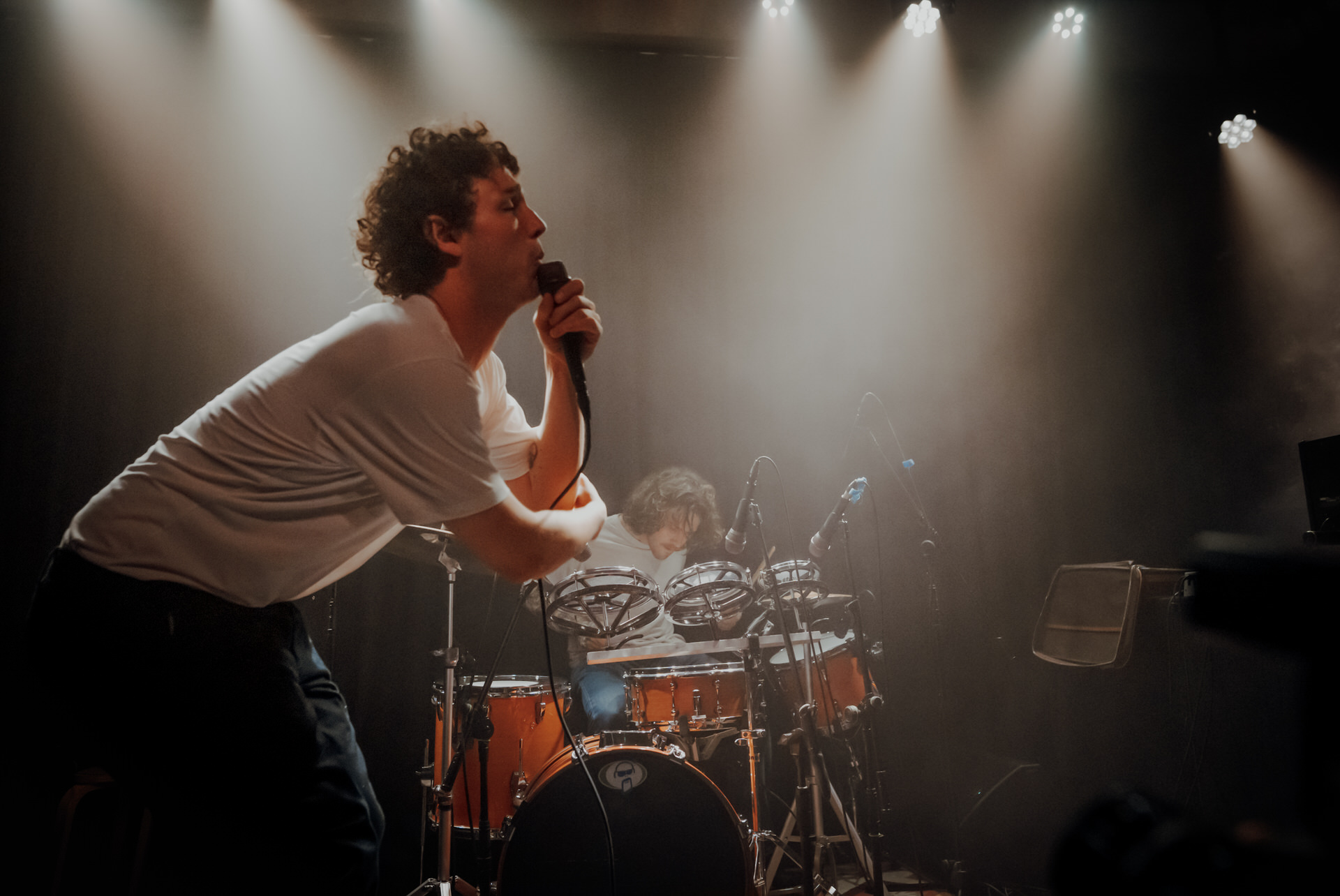
It’s difficult to define, but it seems easy to categorize it somewhere between post-punk and noise, a wide field in which some no wave bands from their city moved in the eighties. Their music is strongly anchored in Sam Pickard’s drumming, with its fast, elaborate and highly percussive rhythms (the use of rototoms helps immensely), inviting bodies to move.
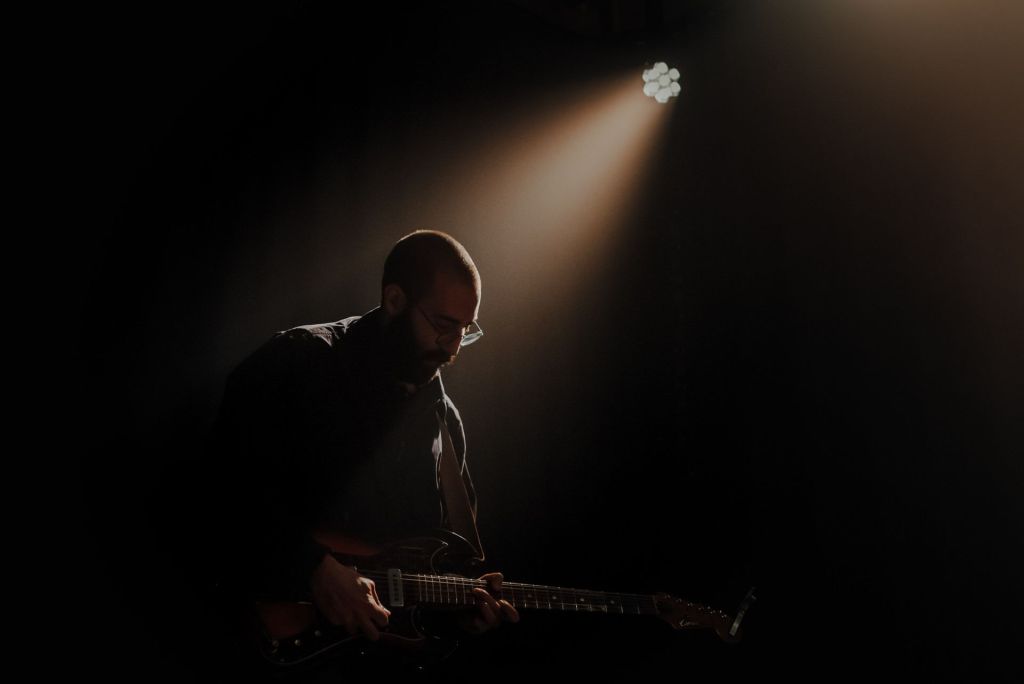
Zack Borzone’s guttural voice and stage presence are other key elements, although the words he utters are difficult to understand. The sound of Saguiv Rosenstock’s highly processed guitar, achieved with a huge array of distortion pedals, is angular and dissonant, functioning almost like a second voice.
Dissonance is also present in Jack Tobias’ synthesizers, in a tone that is sometimes urgent, sometimes serene. The combination of these elements, meticulously interpreted, ever present and full of shifts and small explosions, results in something that confirms the cliché “first you find it strange, then it becomes ingrained.”
They began by playing their second album, released weeks ago, which curiously is only 11 minutes long and has 10 tracks, all around the minute mark. I even think they played it in its entirety, just like the tracks from their debut album that came after, released last year.
Zach immerses himself in his lyrics, as if exorcising inner demons, which contrasts with his angelic and contemplative pose between songs, looking at the faces in the audience. In less than an hour, they left people wanting more, as if they could deliver it and we could process it.
They have a somewhat mysterious and haunting appeal (perhaps that’s why the legendary 4AD recently signed them) and are the result of a successful experiment, such is the unique and cohesive outcome.
They’re not a band for the masses, but there will certainly be a vast minority who will want to get to know them and exchange strangeness for familiarity.
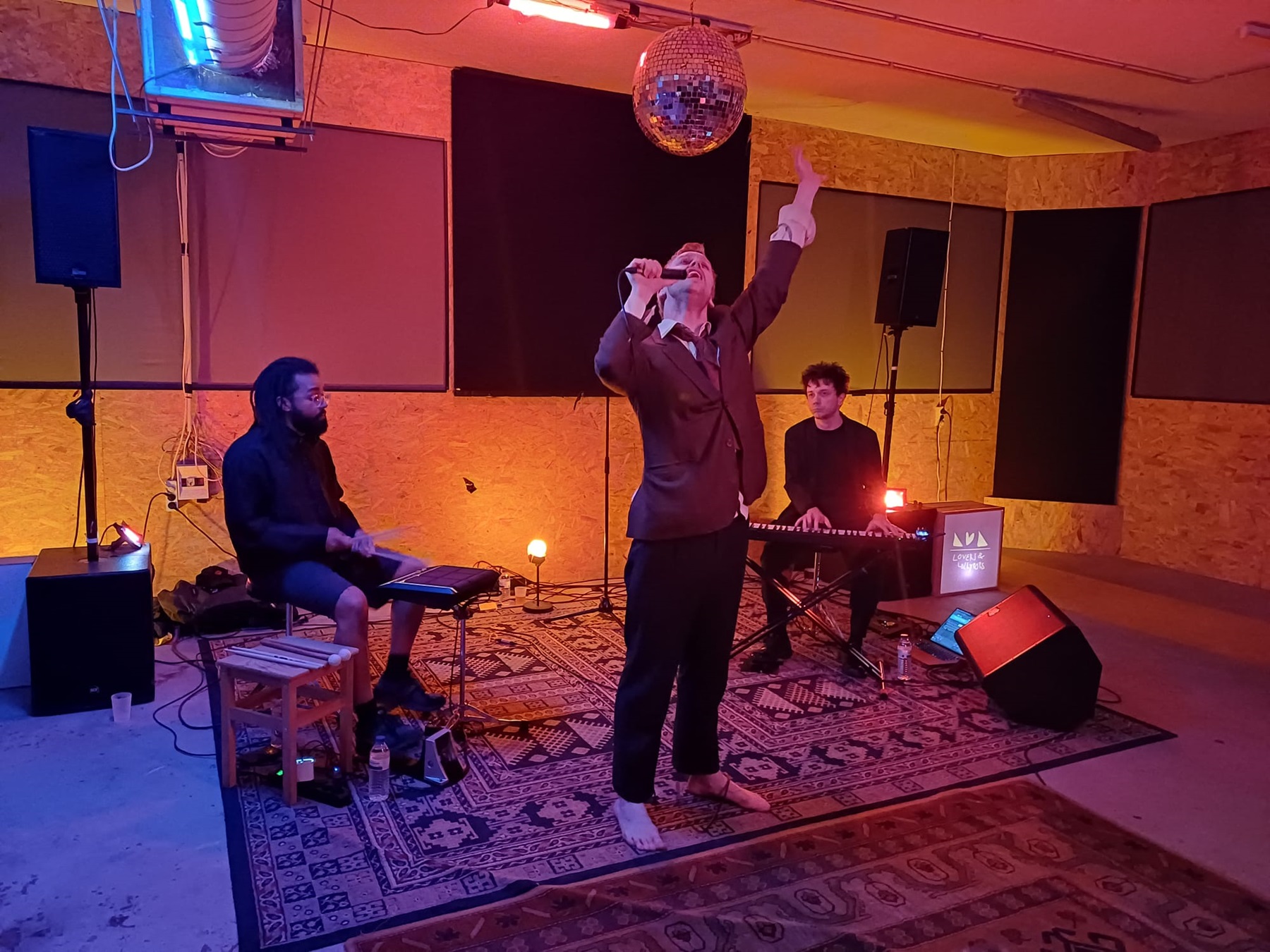
On 16 June, the intimate venue operated by Lovers & Lollypops in Porto hosted a performance by percussionist Alex Lazaro, who presented material from Alocades, his first solo release.
The concert formed part of the venue’s ongoing programme dedicated to contemporary experimental and exploratory music, continuing the independent promoter’s long-standing commitment to emerging and unconventional artistic practices.
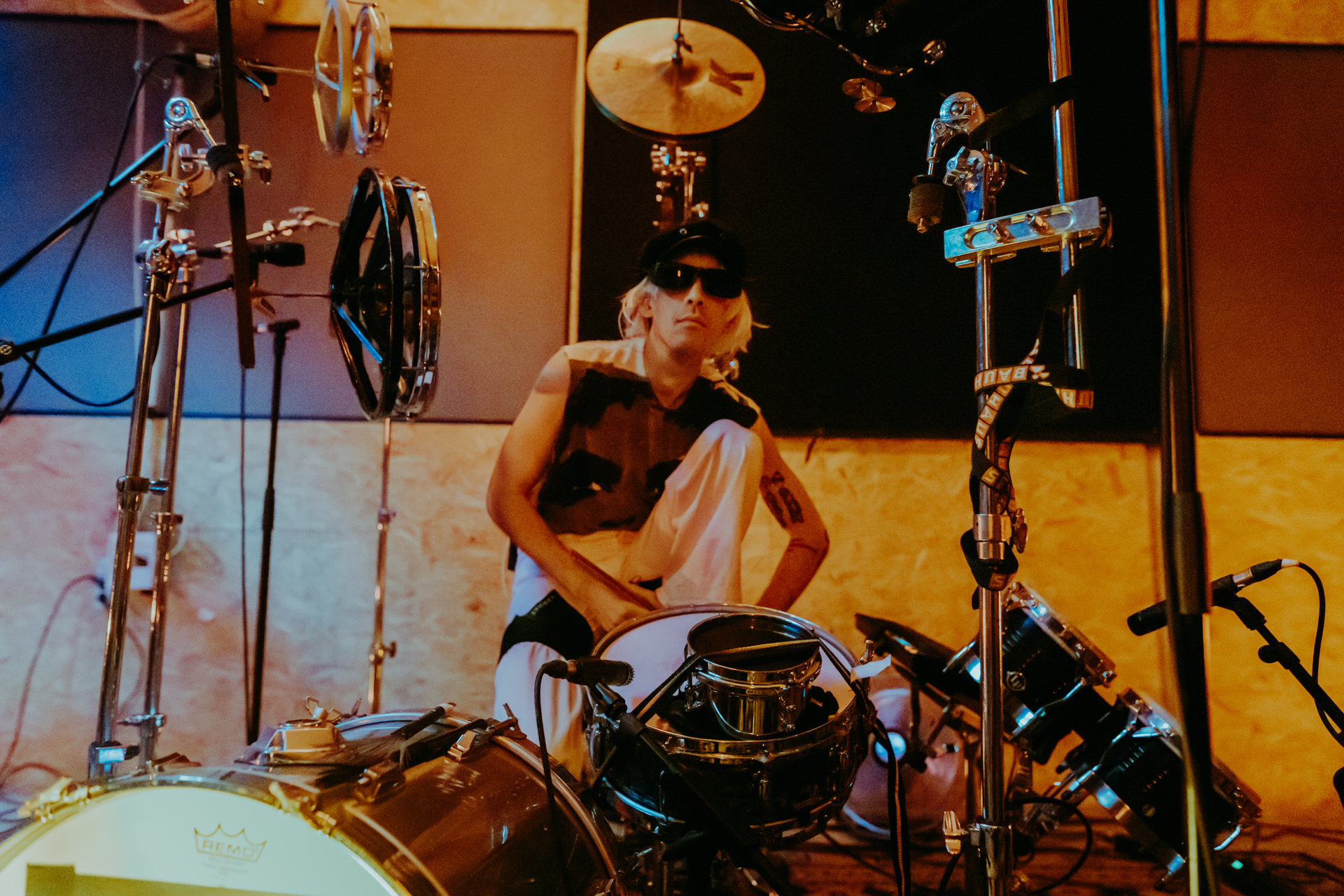
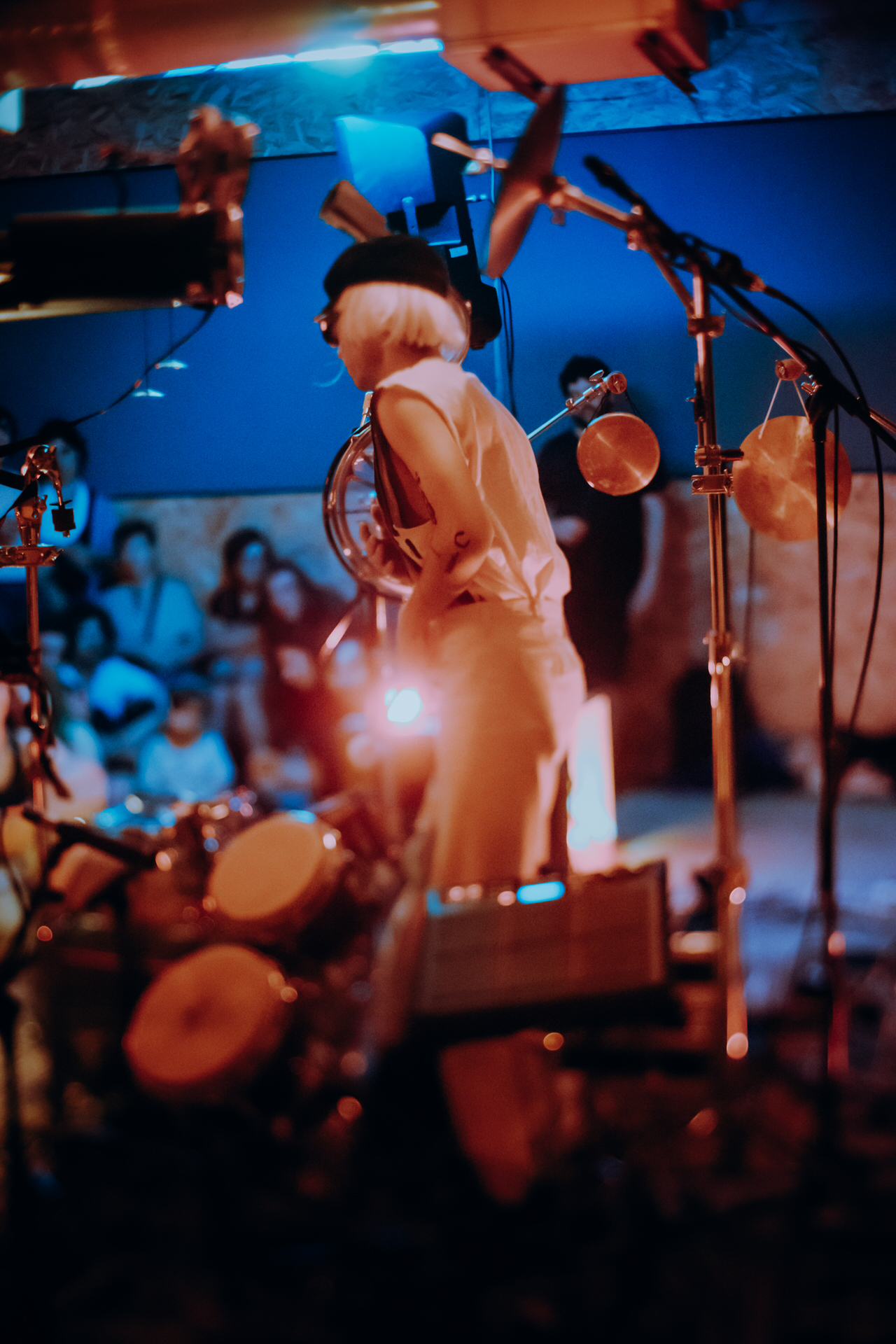
Lazaro approached the evening with a performance centred on percussion not merely as a rhythmic device but as a primary compositional language. Working with instruments including marimba, vibraphone and rototom, he constructed pieces that balanced repetition, texture and movement.
Rather than relying on conventional song structures, the performance unfolded through gradual developments in timbre and dynamics, creating a listening experience that emphasised detail and spatial awareness.
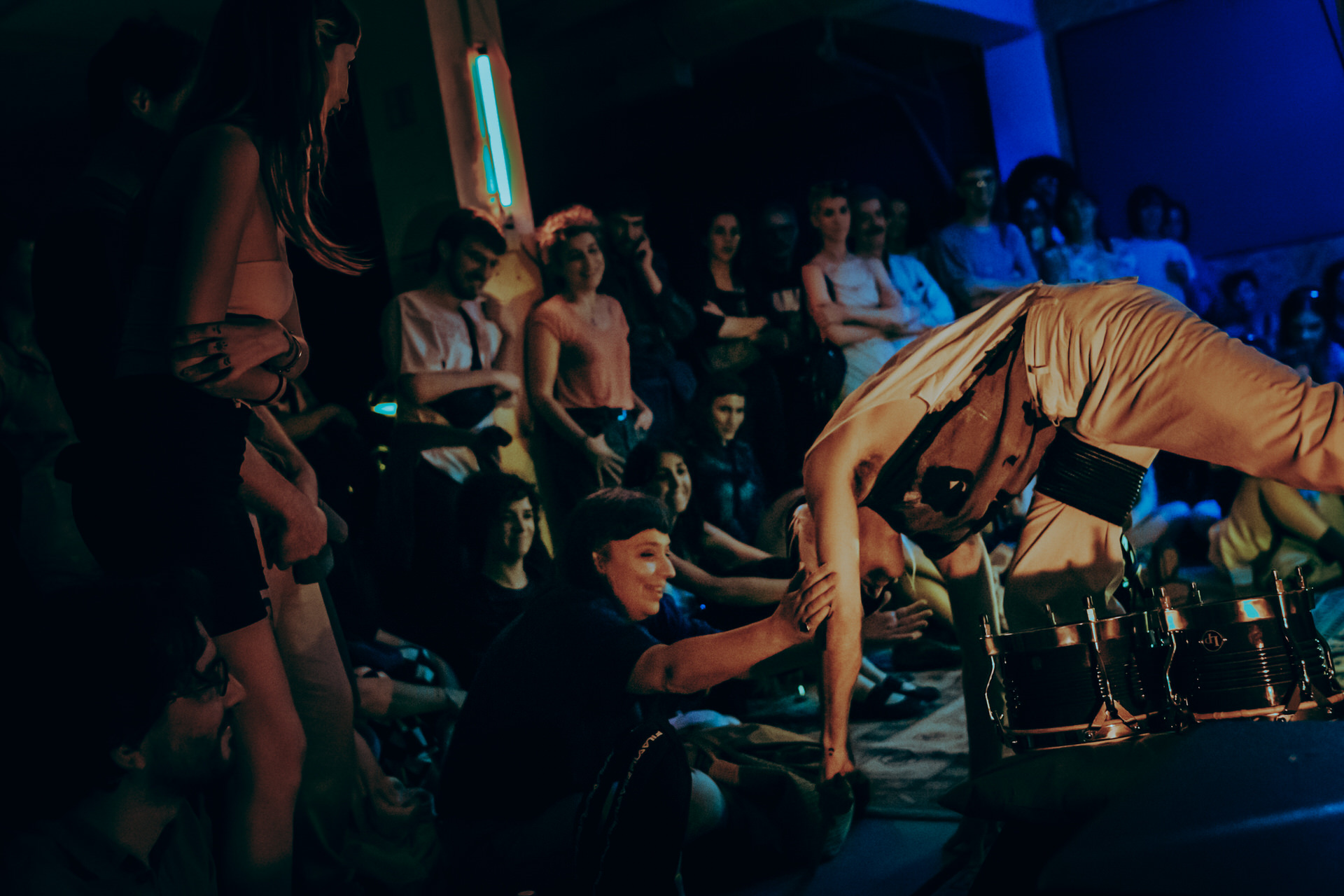
Throughout the set, the physical dimension of performance remained central. The relationship between body, instrument and sound became an integral part of the presentation, with gestures and movement contributing as much to the visual identity of the concert as the music itself. The result was a performance that occupied a space between concert, sound art and choreography, allowing audiences to engage simultaneously with sonic and physical forms of expression.
The acoustics and proximity offered by the Lovers & Lollypops venue proved particularly suited to the material. Subtle resonances, sustained tones and rhythmic shifts could be perceived with clarity, reinforcing the immersive character of the compositions. The setting encouraged attentive listening and highlighted the intricate relationships between the various percussive elements employed during the performance.
While Alocades serves as Lazaro’s first solo statement, the musician is already recognised for his collaborative work, most notably alongside Colombian composer and producer Lucrecia Dalt.
That experience is reflected in an approach that favours sonic exploration over genre conventions, combining contemporary percussion techniques with a broader interest in texture and atmosphere. The Porto performance demonstrated how those influences have been adapted into a distinct artistic language centred on percussion as both musical and performative expression.
The concert also reflected the broader curatorial identity of Lovers & Lollypops.
Alex Lazaro’s appearance in Porto was therefore more than a presentation of new material. It offered a focused exploration of percussion as a multidimensional practice, one in which sound, movement and space interact continuously.
In a programme increasingly defined by curiosity and experimentation, the concert stood as a concise example of the type of work that continues to find a home within Porto’s independent music community.
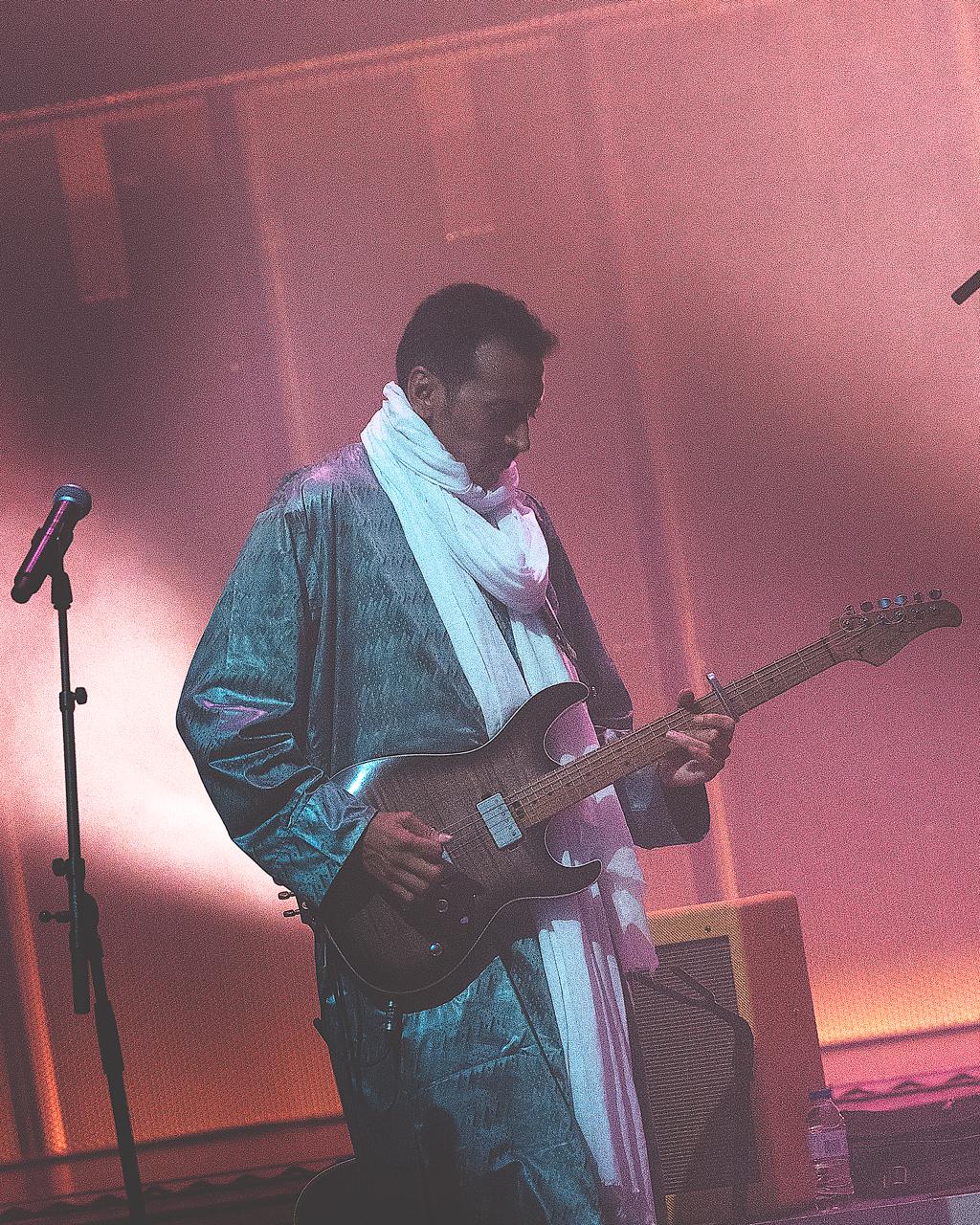
Presenting songs from his latest album, Sahel (2023), Bombino returned with the hypnotic blend of desert blues and rock that has made him one of the most distinctive guitarists of his generation.
Often described as a pioneer of Tuareggae, a fusion of traditional Berber rhythms and rock and roll, Bombino sings and writes primarily in Tamasheq. Watching him perform, however, labels quickly become secondary to the experience itself.
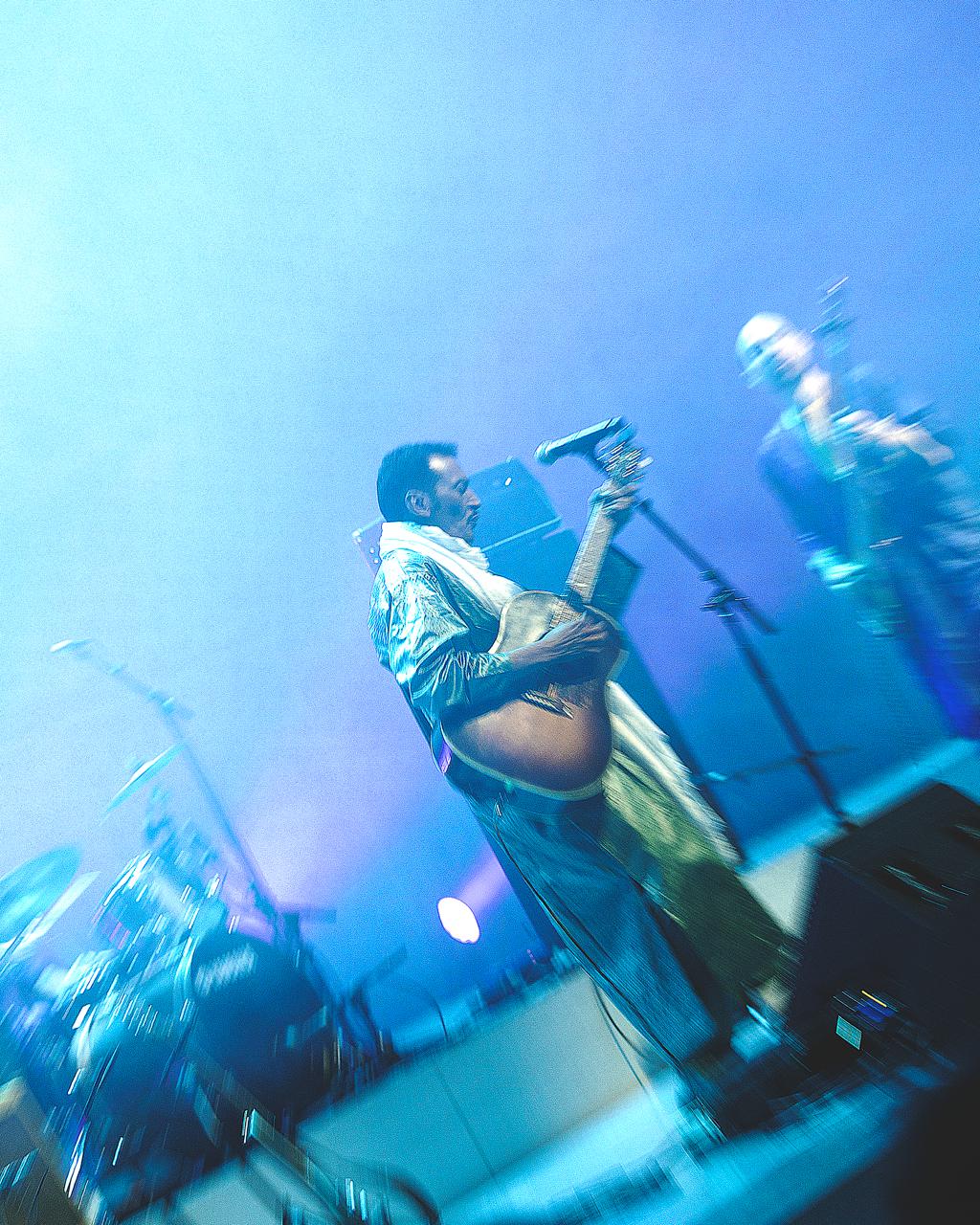
The concert began acoustically. Bombino, accompanied by drummer Corey Wilhelm and a bassist whose name sadly escaped me, eased the audience into the evening with gentle rhythms and fluid melodies. Dressed in traditional Tuareg garments, the trio immediately established an atmosphere that felt both intimate and expansive.
The first songs unfolded with graceful ease. The bass remained smooth and steady beneath Bombino’s singing, while the guitar moved between delicate flourishes and syncopated desert-blues patterns. There were occasional vocal exclamations, almost calls carried on the wind, and moments where the music shifted unexpectedly between melancholy and propulsion.
One particular acoustic number began like a lament, only to transform into something far more rhythmic. What fascinated me was the contrast between the apparent mournfulness of the voice and the increasing momentum generated by the guitar and percussion. It created a tension that felt both ancient and modern.
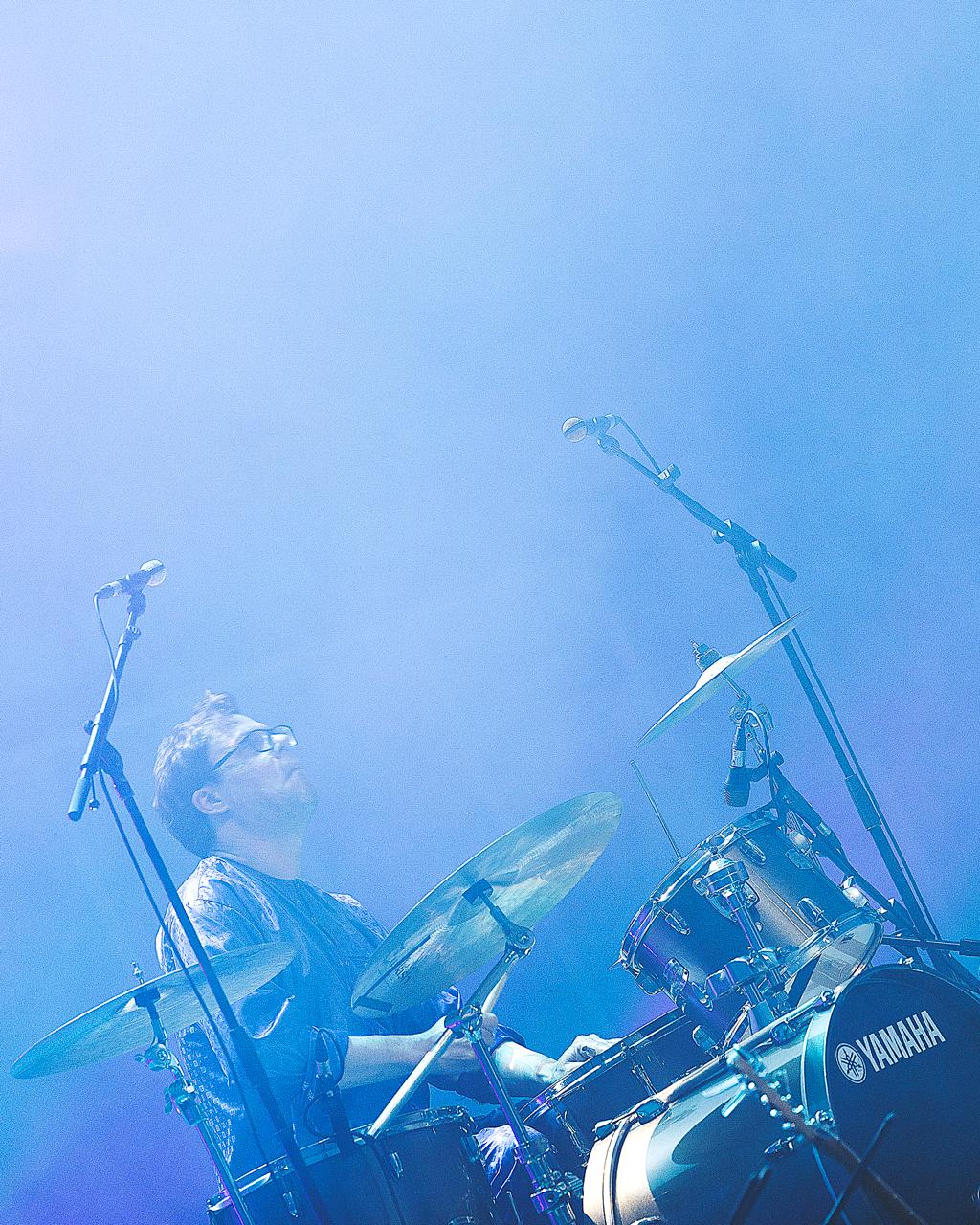
As the instrumental passages expanded, Bombino and the bassist repeatedly moved face to face, exchanging phrases with a distinctly rock-and-roll energy. The chemistry between them was one of the evening’s recurring pleasures, while Corey Wilhelm’s drumming provided a powerful foundation throughout.
Then came the transition that many in the audience had been waiting for.
The acoustic guitar was set aside and Bombino plugged in.
Instantly we entered the territory for which he is best known: electric desert blues infused with the spirit of Hendrix.
Bombino has often spoken about learning guitar by watching videos of Jimi Hendrix and Dire Straits, and while the influence is present, what emerges is unmistakably his own voice. The economy of movement is remarkable. There are no unnecessary gestures, no theatrical flourishes. The hands move sparingly, yet the sound that emerges is immense.
Addressing the audience in French, Bombino thanked everyone for their support and spoke about the years since his previous visit. The response from the crowd was warm and immediate.
From there the concert steadily gathered momentum. Traditional melodies intertwined with psychedelic textures. Guitar and bass once again found themselves in conversation, sometimes duelling, sometimes dancing around one another. The bassist was extraordinary. More than once I found myself writing the same note in my notebook: “that bass, that bass, that bass.”
One particularly exhilarating piece felt almost like a desert cavalcade. The bass groove was irresistibly danceable, the drums drove relentlessly forward, and Bombino’s guitar soared above it all with long, electrifying solos that somehow felt both effortless and deeply rooted.
As the evening progressed, the audience became increasingly animated. The bassist joked in English that he knew everyone wanted to dance and apologised for the chairs. It was a fair observation. Before long people were standing, moving and swaying wherever space allowed.
I eventually joined those dancing along the upper steps at the side of the auditorium. Down by the stage, one audience member repeatedly appeared, danced enthusiastically and then disappeared again, becoming a small performance within the performance.
The later part of the set moved through a variety of moods. There were moments of traditional singing, extended instrumental passages, slower and almost jazzy sections, and long stretches where the audience clapped along with the rhythm section while Bombino explored melodic pathways on guitar.
One of the final highlights featured a wonderfully grooving drum solo followed by an equally captivating bass feature. Bombino stepped back, danced, and allowed his bandmates to take centre stage before all three musicians returned to a hypnotic, almost primeval groove that felt as though it had emerged directly from the desert itself.
For the encore, Bombino returned alone. Guitar in hand, he began with a solitary groove and a series of twanging phrases before the bassist and drummer gradually rejoined him. It was a fitting ending: a reminder that, whether acoustic or electric, intimate or expansive, Bombino’s music ultimately rests on the power of rhythm, groove and connection.
Desert blues may be the term most often attached to his music, but on this evening it often felt just as much like a rock concert. Not because it abandoned its roots, but because it embraced them with such confidence that they could converse effortlessly with Hendrix, psychedelia, groove and pure rock-and-roll energy.
And judging by the number of people dancing by the end, the audience understood that perfectly.
words: António Carvalho (edited by Raquel Pinheiro) photos: António Carvalho
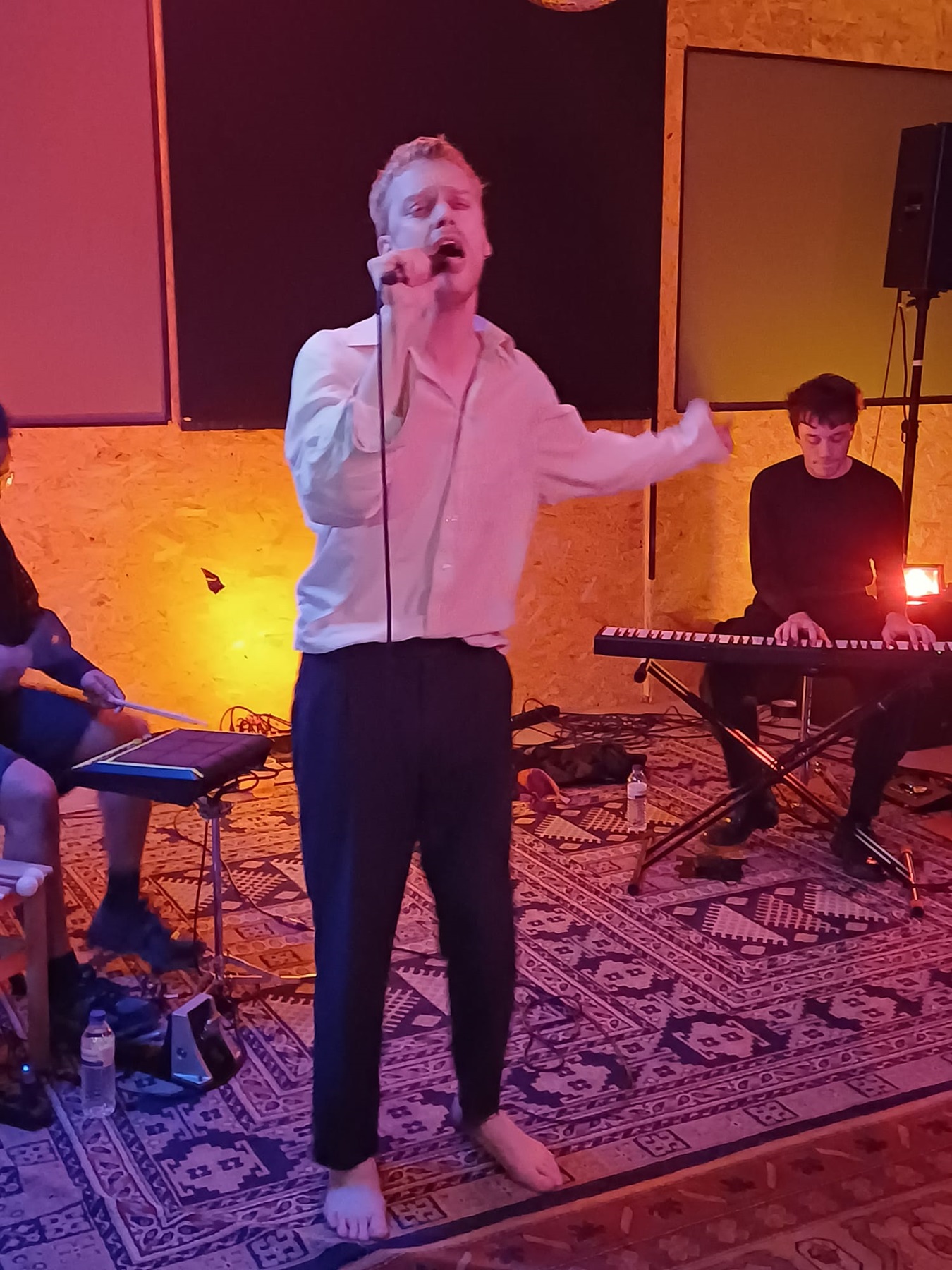
Attending a concert by Canadian singer-songwriter Sean Nicholas Savage is like discovering a hidden gem. The modest stage of Lovers & Lollypops seemed too small for everything he delivered in just over an hour.
His exuberant presence, his larger-than-life poetry, his attention towards the audience, his virtuoso and expressive voice are just parts of a larger whole that is difficult to describe. His electronic pop, heavily indebted to the eighties, reveals itself as confessional, honest and with a dose of apparent naivety, where joy and melancholy, loss and gain, mystery and revelation, pleasure and pain coexist, sometimes within the same song.
Whether in ballads or upbeat music, the classic themes of love – the euphoria of passion, the discovery of the other, the broken hearts – are dominant and served in catchy and well-crafted melodies, like many of the pop classics. Sean’s excellent technical mastery of his voice, including a delightful falsetto, doesn’t take away any of the moment’s authenticity, as if he were pouring his heart out and offering it to the audience.It was almost impossible to take your eyes off this magnetic, barefoot figure.
Besides the privileged ones in the audience, Clara Phends on synthesizers and Max-Elie Laroche on electronic drums joined him in this brief, intimate journey. Sean covered a representative sample of his prolific discography, with some emphasis on his latest album The Knowing, a record he is very proud of, so he told me after the concert.
He even granted a request from the audience, performing half of Chin Chin, and finished with one of his favourites, the single It’s Happening. Thank you, beautiful freak!
There’s a photo gallery of the concert on our Instagram
Movement, Bare Feet & The Star my new post on The Polymath is a reflection on weather, memory, embodiment, and the many forms of intelligence that shape human life beyond abstraction. From relational awareness and inner weather to creative rebuilding, Tarot, and the slow return of coherence. It can be read on The Polymath site.
words: Paulo Carmona (freely translated by Raquel Pinheiro) photos: Vítor Neves
Novos Românticos
A punch to the gut of the patriots. That’s what it is.
Any self-respecting lusitano, with a clear sense of their country’s history, recent or otherwise, will feel the almost unbearable weight of the stark, unvarnished reality served up by Novos Românticos. The silver platter is the sound, let that be clear.
This isn’t just music, it isn’t just musical aesthetics. It’s intervention, it’s agony, it’s the near-psychotic despair of someone who feels the weight of Portugalidade. Someone disillusioned with an Abril that seems ever more distant, with fewer and fewer reasons for pride.
David Félix is the man on duty, presenting himself to the audience as a kind of modern-day guru, fully prepared to press on the wound until it bleeds.
He carries an intrinsic ability to command attention: monochord vocal delivery, the sinuous movement of his body to the measured pulse of an electronic post-punk, hypnotic, corrosive, built on pre-recorded loops of guitar, drums, bass, keyboards, and samplers. He drifts across the stage, almost unsteady, faintly lascivious, but the message lands. That seems to be what drives them, and they achieve it with precision.
They performed material from across their repertoire, with a strong focus on their full-length work, Criptopátria. Worth highlighting are Pátria, Mesa Posta, and a very original version of the iconic Joy Division’s Love Will Tear Us Apart.
Bastonada @ Mondo Bizarre Magazine/Vítor Neves
Bastonada
Bastonada closed the night, delivering verbal and musical blows with their interventionist Electro Punk, edged with rap. It’s pure energy from beginning to end, without a moment’s respite.
They’re young, intense, sharp, and they fire off their songs as if the world were ending tomorrow.
The instruments are always front and centre, and their masked vocalist is a force of nature.
The insolent anger of their youth, combined with the level of competence in their instrumentation, points to a project with real substance and a great deal still to give. It will be interesting to watch.
Concert clips and photo galleries on our Instagram
I don’t remember when I first heard about or listened to Suede. It was long ago, most likely through the British music weeklies.
In September 2024, I joined The Mild Ones, an online Suede fan group. A bit weary at first. However, the Mild Ones are different from most fan groups. Jose (Duarte) and Sara (Bona) the group administrators won my heart, so did the Mild Ones community.
Being part of the Mild Ones left me curious how it is to manage an online open fan community that large for a band that draws such strong emotions as Suede do. The Mild Ones are a place for fun, our life stories, our band crushes, endless creativity from painting to poems, through bracelets and knitting. And music, of course. It’s an equalitarian place. Well known musicians, producers, etc. side by side with fans. It’s a place of debate.
Ladies and Gentlemen, I present you The Mild Ones, and my conversation with Jose and Sara.
P.S. Dear Sara, we were not all in love with Brett. Some of us took a fancy to the one behind the drums! 😎
Suede are currently touring the UK. They will tour mainland Europe in March, and Asia in April and May. Suede premiered a new song, Tribe, Saturday January 30th at Guildhall, Portsmouth, England. And I really like it. 🙂 It’s the kind of song that makes you want to pick up a rock instrument and start a band.
How did The Mild Ones begin, was it a spontaneous act of devotion, or something that gathered momentum over time?
Sara Bona (SB): We were honestly quite determined to make this project happen. We had been discussing the idea for a few months, and we were really excited about creating a community for Suede fans which, thanks to the existence of social media, could reach as many enthusiastic fans as possible. When we finally felt the timing was right, we set the wheels in motion. It wasn’t exactly a walk in the park, though. Was it, Jose?
Jose Duarte (JD): Absolutely! We both felt it was necessary to have a space where every fan mattered, regardless of their place of origin, whether they’d been fans forever or just discovered the band, whether they’d seen Suede live a gazillion times or never at all, whether they collected every record or didn’t own a single one. Even casual fans, or those who only like a song or two, are totally welcome. Every opinion counts in our group. But it wasn’t easy to bring so many people together, certainly not.
When you first created the group, what was your vision for it, and how close has the reality come to what you imagined?
JD & SB: We just wanted for Suede fans all around the world to have a public space where they could share their love for the band and find out whether other Suede fans were into the same things we are – other bands, books, films, etc. We didn’t have a long-term plan; it was all pretty improvised, but we had the feeling that there were people out there just like us. And, indeed, there really are!
What does the name The Mild Ones mean to you now, given that most of the fans and the band are older? Does it capture a sense of calm, reflection, or continuity?
SB: Choosing The Mild Ones as the name for the group was a bit tongue-in-cheek, really. We’ve been wild, we still can be wild but, at our age, we just want a little peace in our lives, we just want to be mild, while still loving Suede wildly. We can’t speak for other fans or the band, but that’s how we feel.
JD: In our everyday life, we’re quite mild, we like to go unnoticed but trust me, we can be wild at gigs.
And what does The Wild Ones – the song – still mean to you today, both personally and in relation to the community? SB: I remember watching the video for The Wild Ones on MTV in the 90s, over and over again, after I discovered the band. Back then, I was head over heels in love with Brett (as we all were!), and I was just a 14- or 15-year-old girl, not very good at English yet. Of course, I loved the song but I think I can appreciate the beauty of the music and the lyrics so much more now than I probably did back then. 🙂 JD: The Wild Ones, for me, is the best song Suede have ever composed. Of course, The Asphalt World is the quintessential Suede song but there’s something about The Wild Ones that makes it universal. It reflects an optimism mixed with nostalgia, which makes it very appealing both to us and to most Suede fans. SB & JD: We both feel incredibly honoured that Brett and the band have, in a way, linked our group to that sublime hymn.
Suede isn’t just the thread that binds this community, it seems to live within it. What does Suede mean to you personally, beyond the music? How has their work shaped the way you see or hold this space? SB: Suede have ALWAYS been with me, my whole life since my early teens. They were there when I first fell in love, when I first got my heart broken, when I studied my degree in Translation and Interpreting, which I chose because of my love for the English language and the British culture, when I’ve lost loved ones… They’ve been there in my happiest moments and in my lowest ones. Every single moment of my life is tied to a Suede song. They are my band. And, of course, their music has definitely shaped the person I am today. JD: In terms of music, Suede were my first love. Since the moment I discovered them at 14, they have always been with me. When I felt sad, I found shelter in Suede’s music. I feel their music is like a friend, one that makes me feel I belong. SB & JD: The Mild Ones is mostly about Suede music, but also about the influence that they’ve had on our taste in other forms of art.
Even your dog carries the band’s name – Suede – which feels both tender and symbolic. What does that say about the place the band holds in your daily life?
SB: Well, when I got my dog, Jose said it wasn’t a great name for her. But it wasn’t his decision, really, haha. I think the name suits her perfectly. She’s moody, she’s an outsider, she barks a lot and howls, and her fur feels exactly like suede. Of course, she’s an Andalusian hound, so her name sounds a little different in Spanish. Now I find myself calling ‘Suede’ out loud a million times a day so, she’s an ever-present reminder of my beloved band. 😀 JD: Okay, I was wrong and you were right, haha. The name really does suit her.
The group remains open, where many communities choose to be private. What guided that choice, was it about accessibility, trust, or something deeper about how you see connection? SB: Now my question would be, why do those communities choose to be private? It’s all about the music, nothing to hide there. And yes, it’s certainly easier for people to find the group this way. JD: Sharing content with other groups, at least on Facebook, wouldn’t be possible if the group were private. In the beginning, it was a great way to promote the group around. I agree with Sara: what is there to hide? What’s wrong with your family and friends knowing that you love Suede?
SB: My family and friends are sick and tired of hearing me babble about Suede, hahaha!
Managing a community of over thirteenth thousand members must carry moments of both joy and overwhelm. What have you learned about human nature through holding this space?
SB: In the meantime, we’ve gained fifteen hundred more members! 😀 I’m genuinely impressed with Suede fans but, then again, I totally expected they’d be top blokes and gals! The good moments far outweigh the not-so-good ones. JD: I’ve learnt that, at the end of the day, and deep down, we’re all very similar, which is a good thing. I’ve also learnt that people enjoy being part of something bigger than themselves. They like to participate, give opinions, share their thoughts with like-minded people, and they need to relax after a long day at work. That’s what social media is for, isn’t it? No drama, just fun!
Some members of the band – like Simon Gilbert (Suede’s drummer) – and people who work closely with them are part of the group. Has having Suede themselves within the community affected the way members express themselves, or does it remain a space where everyone feels free to share their opinions?
JD: Not at all! Honestly, it has zero influence. We even wonder if people realise that Simon is a member! We’re also thrilled to have among our fellow Mild Ones other people who work closely with the band, like Paul Khera, Jip Nipius, Mike Christie, Saul Galpern, Justin Welch, Simon Price, Jim Hanner, and plenty of other musicians who are friends with the band: Rialto’s Julian Taylor and Louis Elliot, Emma Anderson, Mark Fernyhough, and Ian Watson, among others. and, of course, the lovely Mariana Enríquez [who wrote the book Porque demasiado no es suficiente: Mi historia de amor con Suede].
SB: And I’m pretty sure Brett must be lurking somewhere too, haha! People here aren’t shy about speaking their minds, even if it’s not always flattering. And that’s perfect: critical thinking and constructive criticism, when said with respect, only makes the space better. Luckily, our members know how to disagree gracefully and still have fun.
Online spaces can often feel fleeting, yet The Mild Ones endured. What keeps it alive, is it the music, the shared nostalgia, or something ineffable that Suede evokes?
SB: In my opinion, Suede isn’t a band for the masses. Their music isn’t easy listening, and the lyrics are not straightforward. I think it speaks directly to certain people, those of us who sometimes feel out of place, those who expect music to say something about life and themselves, those who need to feel poetry and grandness in a world that can sometimes feel devoid of it. It’s music that touches your soul and never lets go. That’s probably why Suede fans are so faithful. It’s not just music; it’s a lifestyle. And once people feel that, they want to stay. JD: The relaxed atmosphere of the group greatly contributes to its permanence. People know they can talk about whatever they want, whenever they want, without others taking offense and, unfortunately, that’s not true for every group on social media, as the algorithm often favours conflict and bad vibes.
Have you witnessed friendships, collaborations, or even transformations emerge from within the group? Things that remind you why you continue? JD & SB: We have, indeed! Many a friendship has been forged within the confines of the Mildlands, about which we are truly happy, as it is a way for fans to connect in a disconnected world, to quote Brett.
Some collaborations have also emerged, notably the project Swayed with Wayne Readshaw, Jo T. Jones and Carlos Rodrigues, who have made a magnificent cover of So Young.
In their own words: “Remote cover of the classic Suede hit ‘So Young’ featuring Jo Taylor-Jones (vocals, bass and keys), Wayne Readshaw (guitars) and Carlos Rodrigues (drums). Via ‘The Mild Ones’ Facebook group, the trio got together online to record this track at each of their homes before it was compiled across 5,365 miles.” But they aren’t the only ones. We’d also like to mention the best tribute band in the world, our Indonesian friends Animal Lazy, as well as other consummate artists who share their striking covers with the group such as Helen Wong, Lunachangue Tak, Maximilien Poullein, Bettina Korn, and Popping Shi, to name a few.
Other talented members have also shared drawings, designs, artistic performances, make-up and jewellery creations with the group including Susan Gallagher, Wanzhou Ji, Carmen B. Leung, Erika Seya, Haruko Masuyama, Laura RK, Ingrid Petry, Lindsey Barton, Mel Langton Art, SW Portraits, Matthew Williams, Hardeep Sihota, Maeve, Isabella Arp, Silvio Balija, Jim Morey, Anna Walsh, Pat Taylor (Patsy), Neil Reid, Simona Valenti, Kay Kitto, Petrol Blue, our two moderators DeanJean Phng and Melissa Waterfield. Even we have shared some poems and drawings ourselves.
We are happy to say that ours is a lovely community full of artistic talent!
Suede’s work often balances elegance with rawness, beauty with disquiet. Do you sense that same duality in the way the community expresses itself? JD: Yes, we do notice that duality. You can come across posts that are particularly harsh about a song or their latest work, but you can also find posts praising their music with beautiful words. But all opinions are more than welcome. SB: One of the things I believe people appreciate most about the group is that they feel free to express themselves in whatever way feels right at the moment. Of course, there are limits: we only ask that people remain respectful towards others and the band, but within those limits, everyone is free to say whatever they want, however they want. And yes, that duality is definitely there.
How do you personally stay inspired as administrators, what restores your energy when things get heavy or chaotic?
JD: When things get tough, I listen to other bands like Radiohead, The Divine Comedy, Manics or Pulp to disconnect a bit from everything related to the group. Then, I go back to listening to Suede to restore my energy. SB: I must confess that I’m not a big fan of social media, so the time I spend on my phone is usually in the group. I’m more of a watcher and reader than a responder, but Jose keeps me informed about everything. That said, I only listen to Suede; I don’t have time for other bands since I have a pretty busy life. And I have Netflix and a lot of books.
After three years, what do The Mild Ones mean to you, not just as a group, but as a living archive of feeling, music, and shared history?
SB & JD: Well, as we’ve mentioned before, this started almost as a joke. We were more like a comedic duo in another space. So the fact that we’ve grown so much, and gone from being just an anecdote to now being the largest Suede fan community, fills us with pride and satisfaction. And it’s all thanks to the fans who, every day, fill our space with stories, anecdotes, photos, information, videos, experiences.
A little over one year ago my friend Dana suggested me Julia Cameron’s The Artist’s Way. I have now been writing The Morning Pages, an integral part of the book that is meant to be carried on.
Dana recommending me The Artist’s Way wasn’t so much because I was artistically blocked. I was composing, playing, painting, writing poems and more at the time. More because I wasn’t going to physical places I wanted to go. My feet, my body, seemed glued. In early 2022 I was invited by a friend to go and spend time with him. I truly wanted to, but couldn’t move.
Maybe summer (2022) would be it. It wasn’t. Summer 2022 brought a big musical piece, appeared literally when I woke up, name, concept, the names of several tracks all there. I turned my laptop on, opened Audacity and start cresting the sounds that, for me, translated the names of the tracks.
Out of the blue, as a coincidence, that Julia Cameron just like my friend Ed call synchronicity, Francisco (Silva – The June Carriers/Velho Homem/Old Jerusalem) start sending small guitar lines for me to hear the sound of his new guitar, an electric one (in Old Jerusalem life, Francisco was known for playing acoustic). He didn’t knew I was composing, I didn’t knew he had the Mustang. “What if I put some of those guitar lines on my tracks?” And so I did and what was electronic start become, and end up, electro-acoustic.
That same summer another friend turned 50. Until the eve of his birthday I didn’t knew he played (guitar), he didn’t knew I played (bass). There was going to be a band in which he was playing covers. I said I would go and play bass. And I did. I had played with them before, had never played on stage, hadn’t played bass in about 18.5 years until a few months before, no rehearsal. Just get there, they were already playing when I arrived, pick the house bass and go for it. It was great.
A few days later I was at the jams that were held at the place of the birthday party. This time, it was tricky to get the house bass. A woman playing electric? Seems not (it turned out is wasn’t just a woman playing electric, but not being from the proper musical background. I stayed there, observing, until I spotted an approachable musician, a saxophonist. We both played together, by the end of the jam. Total improv. He would wonderfully fit the saxophone wherever it was required. The next week he brough a jazz guitarist that gave me four 7th arpeggios to practice to play with them one week later. And so it was.And then it stopped. But I got a fabulous saxophonist for my music I didn’t even knew I needed. That summer I also started painting on canvas.
I didn’t went to stay with my friend. Autumn, Winter came. I didn’t went to go see my friend. It’s 2023. I want to go see someone play abroad. My feet remain glued. Dana, aware of what has been written so far and more, told me about The Artist’s Way. I read it, did all the exercises – some may, at first glance seem silly and childish, but aren’t – begin writing The Morning Pages.
I start venturing into short distance travels by train. Stayed overnight with a recent acquaintance. And with a different friend for a few weeks, carrying a ton of notebooks, my guitar, the digital copy of The Artists Way. It was the first time I spend a number of weeks with an electric guitar as my only instrument. It was a thrill.
Over two years since he invited me, I still haven’t went to see the friend that asked over in early 2022 – there is a little more to the story than my feet being glued the floor. As in, my feet were glued to the floor, but something else, my heart, was glued too. Under his shyness, my friend is adventurous, passionate, intense, larger than life, has deep emotions, loves love, passion and life. I share some of those things, but don’t deal well with deep, bubbling emotions. Open my heart again? Run the risk of heartbreak? Probably not. One day it will (re)happen.
But The Morning Pages have been there for me, so has he who keeps telling me to write for others to read. I write a lot on my journal(s), notebooks, The Morning Pages, to him.
I’ve recommended The Artist’s Way to a few people. Some already read it, did the exercises and wrote The Morning Pages for a while. Others bought the book and are still to read it, do the exercises and immerse themselves in The Morning Pages. My Morning Pages aren’t always in the morning, but I’ve been writing the three pages everyday. Matt, another friend, thinks it is quite the commitment to be writing The Morning Pages for a year.
Early this year I went to a vero circuit/guitar pedal building wokshop. A nice distortion/fuzz pedal both for guitar and bass was build. The last time I had soldered I was 13 or 14. Afterwards, home, I painted and customized the pedal box. Some of the materials, like the sparkling dust and the stars were part of a number of things from The Artist’s Way exercises. The rest is acrylic paint and glossy nail varnish and coat.
I’ve recently become a member of Grupo Operário do Ruído (Workers Noise Group) an ensemble of noise(s) and rhythm from Sonoscopia that will have its public presentation December 8th at Conservatório de Música do Porto. We have a staggering amount of rehearsals and a few workshops. Grupo Operário do Ruído is far less leftfield for me than what can be called life narration writing. To an extent I do that with my poems, but it is very different. I’ve also taken a short trip by metro to the seaside north of Porto that included seeing a small intimate concert friends had put up.
In fairness, I move across very different social groups. So much so that now Beatriz, one of my fellow members of Grupo Operário do Ruído (GOR) asked if her fellow GOR members would be interested in being part of her group of guests in a performance she is part of called Sonópolis. Sonópolis is to be presented at Sala Suggia, the orchestra room, at Casa da Música, July 7th. I’m in!