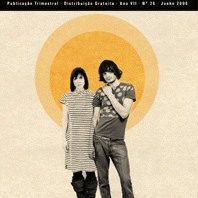
Carlos Paredes – Verdes Anos. From Paulo Rocha’s 1963 film. Verdes Anos. An instrumental piece in which the Mestre and his Portuguese guitar carry the atmosphere without needing words.
Paradise Lost – The Last Time From by beloved album of theirs Draconian Times. Heavy, dark and beautifully atmospheric, with that particular sense of weight and beat that Paradise Lost can create.
Ethel Ennis – Dreamer Dreamer From the album Lullabies for Losers. A voice carrying longing and vulnerability with extraordinary warmth upon an arrowing musical background.
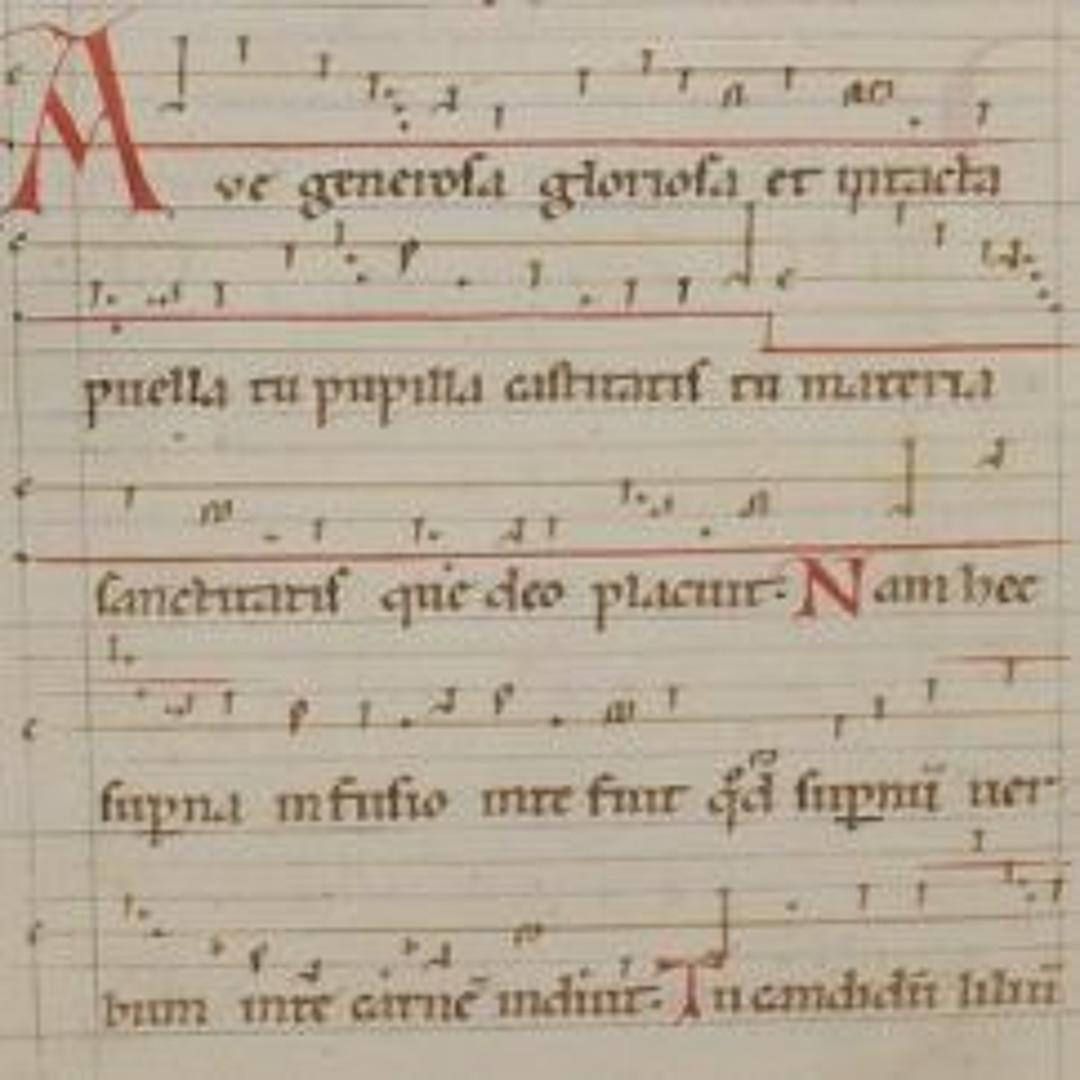
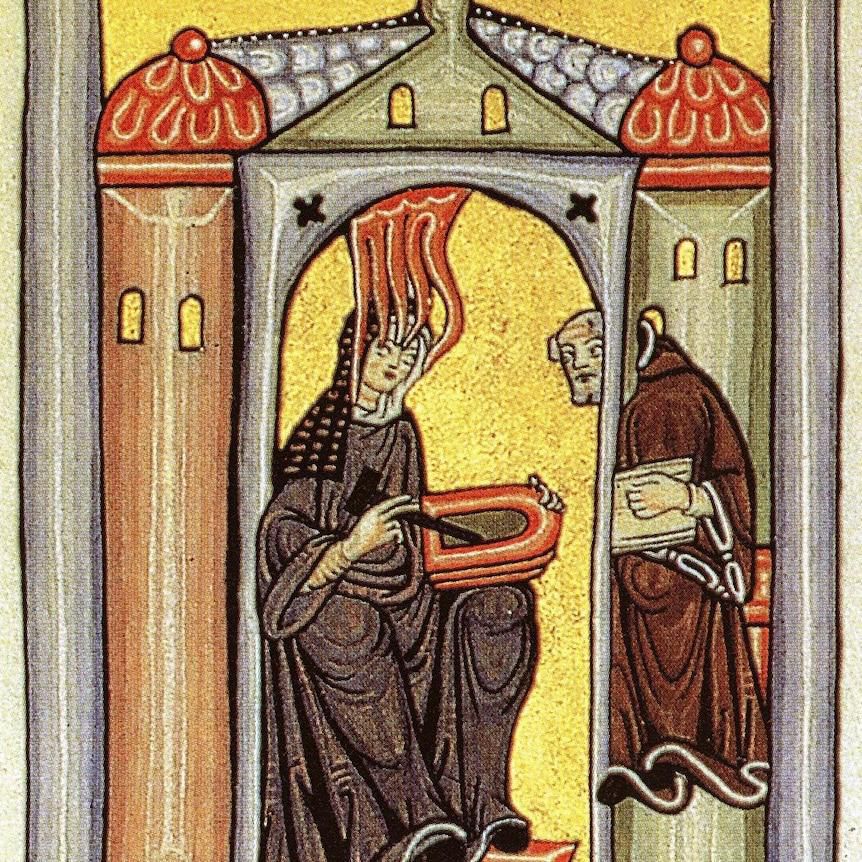
Hildegard von Bingen – Ave GenerosaMusic from the twelfth century, luminous and otherworldly. Hildegard is also one of my main inspirations and central to The Polymath
Today is International Music Day. I selected three songs from different time periods and genres. Cantigas do Maio by José Afonso, Der Erlkönig by Franz Schubert, and my favourite song Will You Love Me Tomorrow sung by the Shirelles.
Cantigas do Maio is from the fifth album by Portuguese musician, composer, singer, songwriter 1971 album Cantigas do Maio. A beautiful song, in which the voice starts gentle, develops a frantic tone, then quiets, then rises again, and ends quiet.
Cantigas do Maio: Eu fui ver a minha amada Lá p’rós baixos dum jardim Eu fui ver a minha amada Lá p’rós baixos dum jardim Dei-lhe uma rosa encarnada Para se lembrar de mim Dei-lhe uma rosa encarnada Para se lembrar de mim
Eu fui ver o meu benzinho Lá p’rós lados dum passal Eu fui ver o meu benzinho Lá p’rós lados dum passalFeatures Dei-lhe o meu lenço de linho Que é do mais fino bragal Dei-lhe o meu lenço de linho Que é do mais fino bragal
Minha mãe, quando eu morrer Minha mãe, quando eu morrer Ai, chore por quem muito amargou Ai, chore por quem muito amargou Para então dizer ao mundo Para então dizer ao mundo Ai Deus m’o deu Ai Deus m’o levou Ai Deus m’o deu Ai Deus m’o levou Ai Deus m’o deu Ai Deus m’o levou
Eu fui ver uma donzela Numa barquinha a dormir Eu fui ver uma donzela Numa barquinha a dormir Dei-lhe uma colcha de seda Para nela se cobrir Dei-lhe uma colcha de seda Para nela se cobrir
Eu fui ver uma solteira Numa salinha a fiar Eu fui ver uma solteira Numa salinha a fiar Dei-lhe uma rosa vermelha Para de mim se encantar Dei-lhe uma rosa vermelha Para de mim se encantar
Minha mãe, quando eu morrer Minha mãe, quando eu morrer Ai, chore por quem muito amargou Ai, chore por quem muito amargou Para então dizer ao mundo Para então dizer ao mundo Ai Deus m’o deu Ai Deus m’o levou Ai Deus m’o deu Ai Deus m’o levou Ai Deus m’o deu Ai Deus m’o levou
Eu fui ver a minha amada Lá nos campos, eu fui ver Eu fui ver a minha amada Lá nos campos, eu fui ver Dei-lhe uma rosa encarnada Para de mim se prender Dei-lhe uma rosa encarnada Para de mim se prender
Verdes prados, verdes campos Onde está minha paixão? Verdes prados, verdes campos Onde está minha paixão? As andorinhas não param Umas voltam, outras não As andorinhas não param Umas voltam, outras não
Minha mãe, quando eu morrer Minha mãe, quando eu morrer Ai, chore por quem muito amargou Ai, chore por quem muito amargou Para então dizer ao mundo Para então dizer ao mundo Ai Deus m’o deu Ai Deus m’o levou Ai Deus m’o deu Ai Deus m’o levou Ai Deus m’o deu Ai Deus m’o levou
My favourite song Will You Love Me Tomorrow, also known as Will You Still Love Me Tomorrow, written by Carole King and Gerry Goffin, first recorded by The Shirelles in 1960.
Will You Love Me Tomorrow: Tonight you’re mine completely You give your love so sweetly Tonight the light of love is in your eyes But will you love me tomorrow? Is this a lasting treasure Or just a moment’s pleasure? Can I believe the magic of your sighs? Will you still love me tomorrow? Tonight with words unspoken You say that I’m the only one But will my heart be broken When the night (when the night) Meets the morning (meets the morning) sun? I’d like to know that your love Is a love I can be sure of So tell me now, and I won’t ask again Will you still love me tomorrow? So tell me now, and I won’t ask again Will you still love me tomorrow? Will you still love me tomorrow? Will you still love me?
And Der Erlkönig by Franz Schubert, with a ballade written by Johann Wolfgang in 1782. Here sung by baritone Dietrich Fischer-Dieskau accompanied by pianist Gerald Moore. Haunting, chilling, Dietrich sings the three voices, child, father, Erlkönig with deep emotion and such tonal variation it leaves you mesmerized. And the final line, In seinen Armen das Kind war tot (In your arms the child is lies dead) is arrowing.
Der Erlkönig: Wer reitet so spät durch Nacht und Wind? Es ist der Vater mit seinem Kind; Er hat den Knaben wohl in dem Arm, Er fasst ihn sicher, er hält ihn warm.
Mein Sohn, was birgst du so bang dein Gesicht? – Siehst, Vater, du den Erlkönig nicht? Den Erlenkönig mit Kron’ und Schweif? – Mein Sohn, es ist ein Nebelstreif. –
„Du liebes Kind, komm, geh mit mir! Gar schöne Spiele spiel’ ich mit dir; Manch’ bunte Blumen sind an dem Strand, Meine Mutter hat manch gülden Gewand.“ –
Mein Vater, mein Vater, und hörest du nicht, Was Erlenkönig mir leise verspricht? – Sei ruhig, bleibe ruhig, mein Kind; In dürren Blättern säuselt der Wind. –
„Willst, feiner Knabe, du mit mir gehn? Meine Töchter sollen dich warten schön; Meine Töchter führen den nächtlichen Reihn Und wiegen und tanzen und singen dich ein.“ –
Mein Vater, mein Vater, und siehst du nicht dort Erlkönigs Töchter am düstern Ort? – Mein Sohn, mein Sohn, ich seh’ es genau: Es scheinen die alten Weiden so grau. –
„Ich liebe dich, mich reizt deine schöne Gestalt; Und bist du nicht willig, so brauch’ ich Gewalt.“ – Mein Vater, mein Vater, jetzt fasst er mich an! Erlkönig hat mir ein Leids getan! –
Dem Vater grauset’s; er reitet geschwind, Er hält in Armen das ächzende Kind, Erreicht den Hof mit Mühe und Not; In seinen Armen das Kind war tot.
More or my favourite songs can be read about here Amazing Songs & Other Delights #80 – The These Are a Few of My Favourite Songs edition and listened to here.
I have also written about this three songs plus Daddy’s Spending by Suede on The Polymath